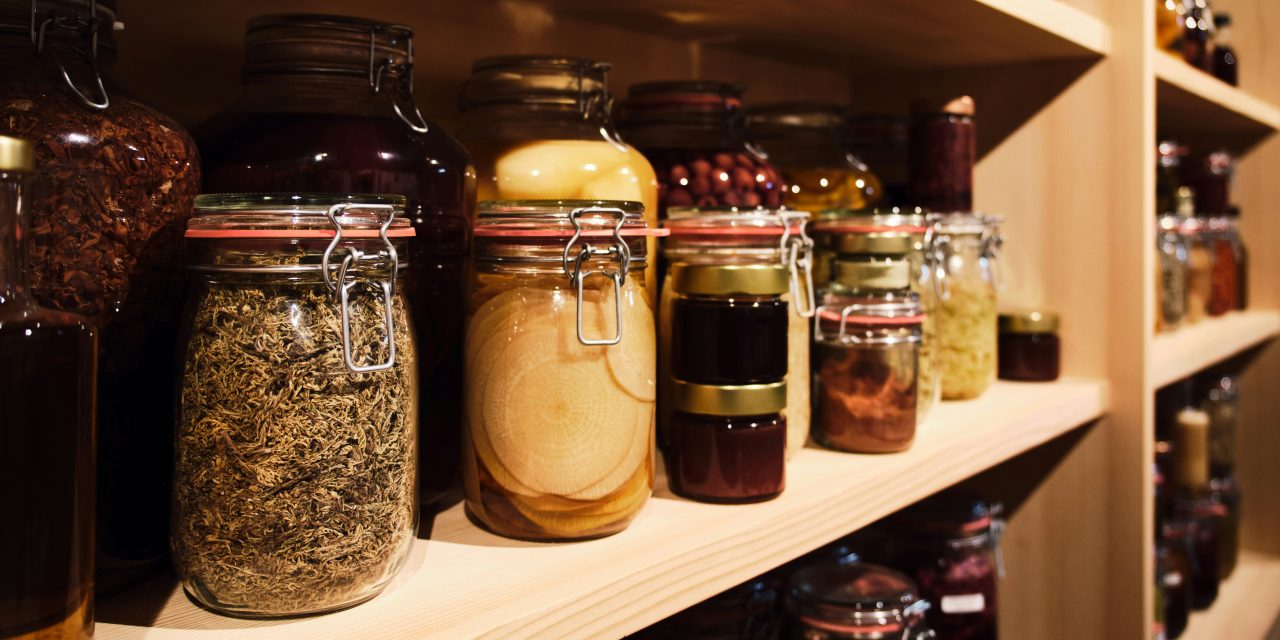
Home canning is a time-honored method of food preservation that allows individuals to extend the shelf life of seasonal produce and create a pantry stocked with nutritious, homemade options. This practice not only reduces food waste but also empowers consumers to control ingredients, ensuring that their canned goods are free from preservatives and additives commonly found in store-bought products. The process involves sealing food in airtight containers, typically glass jars, and heating them to destroy microorganisms that cause spoilage.
The resurgence of interest in home canning can be attributed to several factors, including the desire for sustainable living, the popularity of local and organic produce, and the economic benefits of preserving food at home. With the right techniques and knowledge, anyone can master the art of canning, transforming fresh fruits and vegetables into delicious, long-lasting staples. This article will explore various canned foods, their shelf life, nutritional value, and best practices for preservation.
When considering the shelf life of home canned food, it’s essential to understand how proper storage and handling can impact food safety. For instance, a related article discusses the storage requirements for various condiments, including whether ketchup needs refrigeration after opening. You can read more about this topic in the article found here: Does Ketchup Need to Be Refrigerated After Opening?. This information can help you make informed decisions about your home canned goods and other pantry staples.
Understanding Shelf Life: What Affects Longevity of Canned Foods
The shelf life of canned foods is influenced by several factors, including the type of food being preserved, the canning method employed, and storage conditions. Generally, properly canned foods can last anywhere from one to several years. However, certain variables can significantly impact their longevity.
1. **Food Type**: Acidic foods such as tomatoes and fruits tend to have a shorter shelf life compared to low-acid foods like vegetables and meats. The acidity level affects the growth of bacteria and molds, which can lead to spoilage.
2. **Canning Method**: There are two primary methods of canning: water bath canning and pressure canning. Water bath canning is suitable for high-acid foods, while pressure canning is necessary for low-acid foods to ensure that harmful bacteria are effectively eliminated.
3. **Storage Conditions**: Temperature plays a crucial role in the preservation of canned goods. Ideally, jars should be stored in a cool, dark place away from direct sunlight and fluctuating temperatures. High temperatures can degrade the quality of food over time.
4. **Seal Integrity**: The vacuum seal created during the canning process is vital for preventing air from entering the jar. A compromised seal can lead to spoilage and contamination.
By understanding these factors, home canners can take proactive measures to maximize the shelf life of their preserved foods.
Canned Tomatoes: Versatility and Storage Tips

Canned tomatoes are a staple in many kitchens due to their versatility and rich flavor profile. They serve as a base for sauces, soups, stews, and countless other dishes. When properly canned, tomatoes can retain their quality for up to 1-2 years.
To ensure optimal storage, it is essential to use ripe tomatoes free from blemishes or bruises. The canning process typically involves blanching the tomatoes to remove skins, followed by packing them into sterilized jars with added lemon juice or citric acid to increase acidity levels. This step is crucial for preventing bacterial growth.
For storage, keep canned tomatoes in a cool, dark environment. Avoid exposing them to extreme temperatures or direct sunlight, as this can lead to degradation of flavor and texture. Regularly check for signs of spoilage, such as bulging lids or off odors, which indicate that the contents may no longer be safe for consumption.
Home-Canned Green Beans: Nutritional Value and Durability

Home-canned green beans are not only a delicious addition to meals but also a source of essential nutrients such as vitamins A, C, K, and dietary fiber. When properly canned using a pressure canner, green beans can last for up to 3-5 years without significant loss of nutritional value.
The process begins with selecting fresh green beans that are firm and vibrant in color. After washing and trimming them, blanching is recommended to preserve color and texture before packing them into jars with salt (optional) and water. Pressure canning is essential for low-acid foods like green beans to ensure safety from botulism.
For optimal durability, store jars in a cool, dark place away from moisture. Regularly inspect your canned green beans for any signs of spoilage or compromised seals. If you notice any bulging lids or unusual odors upon opening, it is best to discard the contents.
When considering the safety and quality of home canned food, it’s essential to understand its shelf life and proper storage methods. For those interested in learning more about how to maximize the longevity of your canned goods, a helpful resource can be found in this article on pet care, which discusses the importance of maintaining freshness in various contexts. You can read more about it here. Proper techniques not only ensure the best taste but also help prevent foodborne illnesses, making it crucial for home canners to stay informed.
Canned Fruit Jams and Preserves: Sweetness That Lasts
Canned fruit jams and preserves offer a delightful way to enjoy seasonal fruits year-round while providing a sweet addition to breakfast or desserts. When prepared correctly, these preserves can last for up to 1-2 years on the shelf.
The key to successful jam-making lies in selecting ripe fruits with high pectin content, which aids in thickening the mixture. The process typically involves cooking the fruit with sugar and lemon juice until it reaches the desired consistency before transferring it into sterilized jars.
To maximize shelf life, ensure that jars are sealed tightly and stored in a cool environment away from light. While jams may remain safe beyond their recommended shelf life if stored properly, they may lose flavor or texture over time. Always check for signs of spoilage before consumption.
When considering the shelf life of home canned food, it’s important to understand how various factors can influence its longevity and safety. For those looking for quick meal ideas that can incorporate home-canned ingredients, you might find inspiration in a related article that offers simple dinner solutions. You can explore these easy dinner ideas for busy weeknights by visiting this link, which highlights meals that can be prepared swiftly while utilizing your preserved goods effectively.
Pickled Cucumbers: Crunchy and Long-Lasting
Pickled cucumbers are a popular choice for home canning enthusiasts due to their crunchy texture and tangy flavor. When properly canned using a water bath method, pickles can last for up to 1-2 years while retaining their crispness.
The pickling process involves soaking cucumbers in a brine solution made from vinegar, water, salt, and spices. This acidic environment helps inhibit bacterial growth while enhancing flavor. It is essential to use fresh cucumbers free from blemishes for optimal results.
For storage, keep pickled cucumbers in a cool, dark place away from direct sunlight. Regularly inspect jars for any signs of spoilage or compromised seals. If you notice any cloudiness in the brine or off odors upon opening, it is advisable to discard the contents.
Canned Meat and Poultry: Safety and Shelf Life Guidelines
Canned meat and poultry provide a convenient source of protein that can last for several years when properly preserved. When using a pressure canner, meats can maintain their quality for up to 2-5 years.
The process begins with selecting high-quality cuts of meat or poultry that are fresh and free from defects. After cutting the meat into appropriate sizes, it should be packed into sterilized jars with added salt (optional) before sealing them tightly.
Safety is paramount when canning meat; therefore, it is crucial to follow recommended guidelines for pressure canning to eliminate harmful bacteria effectively. Store canned meats in a cool environment away from light and moisture.
Regularly check jars for signs of spoilage such as bulging lids or off odors upon opening. If any abnormalities are detected, it is best to discard the contents immediately.
Home-Canned Soups and Stews: Convenience and Preservation
Home-canned soups and stews offer a convenient meal option that retains nutritional value while providing comfort during colder months. When properly canned using a pressure canner, these dishes can last for up to 1-2 years.
The process involves preparing your favorite soup or stew recipe before packing it into sterilized jars while leaving adequate headspace for expansion during processing. Pressure canning is essential for ensuring safety due to the low acidity of many soup ingredients.
For optimal preservation, store jars in a cool environment away from light sources. Regularly inspect your canned soups for signs of spoilage or compromised seals before consumption.
Canned Peaches and Other Stone Fruits: Best Practices
Canned peaches and other stone fruits are delightful additions to desserts or breakfast dishes that provide sweetness year-round. When properly canned using water bath methods, these fruits can last for up to 1-2 years.
Selecting ripe but firm peaches is crucial for achieving optimal texture after canning. The process typically involves blanching the fruit before packing it into jars with syrup or juice before sealing tightly.
To maximize shelf life, store canned peaches in a cool environment away from light sources. Regularly check jars for signs of spoilage such as bulging lids or off odors upon opening.
Canned Chili and Beans: Protein-Packed Pantry Staples
Canned chili and beans serve as protein-rich pantry staples that provide convenience while delivering essential nutrients. When properly canned using pressure methods, these dishes can last for up to 2-5 years.
The process begins with preparing your chili recipe or cooking beans until tender before packing them into sterilized jars with added spices or seasonings as desired. Pressure canning ensures safety by eliminating harmful bacteria present in low-acid foods.
For optimal storage conditions, keep jars in a cool environment away from light sources while regularly inspecting them for signs of spoilage before consumption.
Homemade Salsa: Storage Tips and Expiration
Homemade salsa offers a fresh burst of flavor that enhances various dishes while providing nutritional benefits from its vegetable content. When properly canned using water bath methods, salsa can last for up to 1 year on the shelf.
The process involves chopping fresh vegetables such as tomatoes, onions, peppers, and herbs before combining them with vinegar or lemon juice for acidity before packing into sterilized jars.
To maximize shelf life, store salsa in a cool environment away from light sources while regularly checking jars for signs of spoilage before consumption.
Canned Juices and Tomato Sauces: Uses and Longevity
Canned juices and tomato sauces provide versatile options that enhance various culinary creations while offering nutritional benefits from fruits and vegetables used in their preparation. When properly canned using water bath methods, these products can last for up to 1-2 years on the shelf.
The process typically involves extracting juice from fresh fruits or cooking down tomatoes into sauce before packing them into sterilized jars with added acidity as needed.
For optimal storage conditions, keep jars in a cool environment away from light sources while regularly inspecting them for signs of spoilage before consumption.
Maximizing Shelf Life for Safe and Tasty Home-Canned Foods
In conclusion, home canning presents an excellent opportunity for individuals seeking sustainable food preservation methods while enjoying delicious homemade options year-round. By understanding factors affecting shelf life—such as food type, canning method, storage conditions—and following best practices throughout the process—home canners can maximize the longevity of their preserved foods while ensuring safety during consumption.
With proper techniques applied across various canned goods—from tomatoes to meats—individuals can create a well-stocked pantry filled with nutritious staples ready at any moment’s notice!
FAQs
What is the typical shelf life of home canned foods?
The typical shelf life of home canned foods can vary depending on the type of food and the method of canning used. Generally, high-acid foods like fruits and tomatoes can last for about 1 to 1.5 years, while low-acid foods such as vegetables and meats can last for 2 to 5 years when stored properly.
How should home canned foods be stored to maximize shelf life?
Home canned foods should be stored in a cool, dark, and dry place, ideally at temperatures between 50°F and 70°F (10°C to 21°C). It is important to keep them away from direct sunlight and moisture, as these factors can degrade the quality and safety of the food over time.
Can home canned foods go bad, and how can I tell?
Yes, home canned foods can go bad. Signs that canned food has spoiled include bulging lids, leaks, or rust on the can. Additionally, if the food has an off smell, unusual color, or mold growth, it should not be consumed. Always inspect jars before opening and discard any that show signs of spoilage.
Is it safe to eat home canned food after its shelf life has expired?
While some home canned foods may still be safe to eat after their shelf life has expired, it is not recommended. The quality and safety of the food can deteriorate over time, increasing the risk of foodborne illness. It is best to adhere to the recommended shelf life for optimal safety and quality.
What factors can affect the shelf life of home canned foods?
Several factors can affect the shelf life of home canned foods, including the acidity of the food, the canning method used (water bath vs. pressure canning), the cleanliness of the canning process, and the storage conditions. Properly sealing jars and using appropriate canning techniques are crucial for extending shelf life.