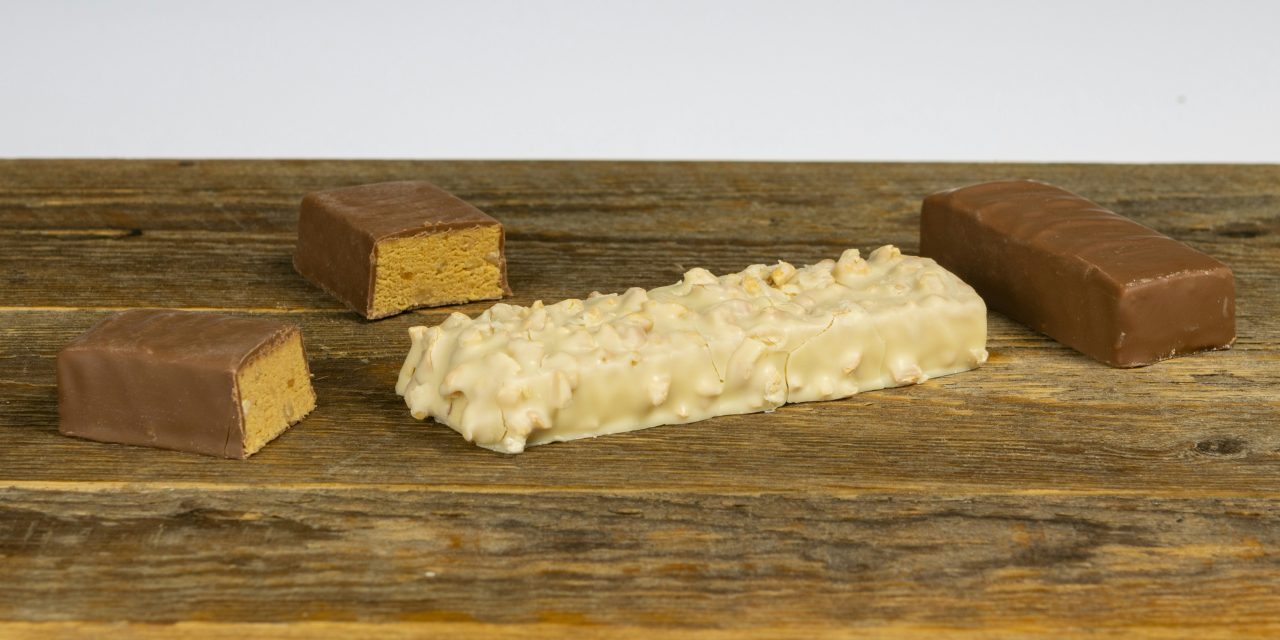
In recent years, protein bars have surged in popularity, becoming a staple for fitness enthusiasts, busy professionals, and health-conscious individuals alike. These convenient snacks are designed to provide a quick source of protein, essential for muscle repair and growth, while also delivering a variety of other nutrients. The appeal of protein bars lies not only in their nutritional benefits but also in their portability and ease of consumption. Whether consumed as a pre-workout snack, a post-exercise recovery aid, or a meal replacement on the go, protein bars cater to diverse dietary needs and lifestyles.
The market for protein bars has expanded significantly, with countless brands offering an array of flavors, textures, and formulations. From vegan options to those fortified with additional vitamins and minerals, consumers are presented with an overwhelming selection. This proliferation has led to increased scrutiny regarding the quality and longevity of these products. Understanding the shelf life of protein bars is crucial for ensuring that consumers receive the maximum nutritional benefit while avoiding waste.
When considering the shelf life of protein bars, it’s essential to understand how various ingredients can affect their longevity and storage requirements. For a deeper insight into maintaining the quality of food products, you might find this article on native plants particularly interesting, as it discusses sustainable gardening practices that can complement a healthy lifestyle. You can read more about it here: Top 10 Best Native Plants for Texas Gardens to Thrive Year Round.
Understanding Shelf Life: What Does It Mean for Protein Bars?
Shelf life refers to the length of time a product remains safe to consume while maintaining its intended quality. For protein bars, this encompasses factors such as taste, texture, and nutritional value. The shelf life is typically indicated on the packaging as an expiration date or “best by” date, which serves as a guideline for consumers. It is important to note that these dates are not definitive indicators of safety; rather, they reflect the manufacturer’s assessment of optimal quality.
The shelf life of protein bars can vary significantly based on their ingredients and manufacturing processes. Bars containing natural ingredients may have shorter shelf lives due to the absence of preservatives, while those with artificial additives may last longer. Understanding these nuances is essential for consumers who wish to make informed choices about their nutrition and avoid consuming expired products.
Factors Affecting the Shelf Life of Protein Bars

Several factors influence the shelf life of protein bars, including ingredient composition, packaging, and storage conditions.
1. **Ingredient Composition**: The type of ingredients used plays a pivotal role in determining how long a protein bar will remain fresh. Bars high in moisture content, such as those containing fruits or yogurt, tend to spoil more quickly than drier varieties. Additionally, the presence of preservatives can extend shelf life by inhibiting microbial growth.
2. **Packaging**: The packaging material also affects shelf life. Vacuum-sealed or nitrogen-flushed packaging can significantly prolong freshness by minimizing exposure to air and moisture. Conversely, bars packaged in porous materials may be more susceptible to oxidation and spoilage.
3. **Storage Conditions**: Environmental factors such as temperature and humidity can impact the longevity of protein bars. Storing them in a cool, dry place away from direct sunlight is essential for maintaining their quality over time.
Top 10 Protein Bars with the Longest Shelf Life

When selecting protein bars for long-term storage or travel, it is beneficial to choose options known for their extended shelf life. Here are ten protein bars that stand out for their durability:
1. **Quest Bars**: Known for their high protein content and low sugar levels, Quest Bars can last up to 12 months when stored properly.
2. **RXBAR**: With minimal ingredients and no added sugars, RXBARs have a shelf life of approximately 8-12 months.
3. **Clif Builder’s Protein Bar**: These bars offer a robust protein profile and can last around 9 months.
4. **Pure Protein Bars**: With a variety of flavors available, Pure Protein Bars maintain freshness for about 12 months.
5. **KIND Protein Bars**: Made with whole ingredients, these bars can last up to 9 months.
6. **LÄRABAR**: Featuring simple ingredients, LÄRABARs have a shelf life of around 6-12 months.
7. **ONE Bar**: Known for their indulgent flavors, ONE Bars can last up to 12 months.
8. **FitJoy Protein Bar**: These gluten-free options have a shelf life of approximately 12 months.
9. **No Cow Bar**: Vegan-friendly and high in protein, No Cow Bars can last up to 12 months.
10. **ThinkThin Protein Bar**: These bars offer a variety of flavors and maintain freshness for about 12 months.
When considering the shelf life of protein bars, it’s essential to understand how various factors can influence their longevity and quality. For instance, the storage conditions and ingredients play a significant role in determining how long these bars remain safe to consume. If you’re interested in learning more about preserving food items, you might find this article on removing stains particularly insightful, as it highlights the importance of proper care and maintenance for various products.
How to Read Expiration Dates on Protein Bar Packaging
Understanding how to interpret expiration dates on protein bar packaging is crucial for ensuring safety and quality. Typically, manufacturers will print either a “best by” date or an expiration date on the label.
– **Best By Date**: This date indicates when the product is expected to maintain its optimal flavor and texture. Consuming the bar after this date may not pose health risks but could result in diminished quality.
– **Expiration Date**: This date signifies the last day the product is guaranteed to be safe for consumption. It is advisable not to consume protein bars past this date.
Additionally, consumers should be aware that storage conditions can affect these dates; improper storage may lead to spoilage before the indicated date.
Best Storage Practices to Maximize Protein Bar Freshness
To ensure that protein bars retain their freshness for as long as possible, adhering to proper storage practices is essential:
1. **Cool and Dry Environment**: Store protein bars in a cool, dry place away from direct sunlight and heat sources. Ideal storage temperatures range between 50°F and 70°F (10°C – 21°C).
2. **Sealed Packaging**: Keep protein bars in their original packaging until ready to consume. If opened, reseal them tightly or transfer them to an airtight container.
3. **Avoid Humidity**: Moisture can lead to mold growth and spoilage; therefore, avoid storing protein bars in humid environments such as kitchens or bathrooms.
4. **Refrigeration**: While not necessary for most commercially produced protein bars, refrigeration can extend the shelf life of homemade varieties or those with natural ingredients.
Common Mistakes That Shorten Protein Bar Shelf Life
Several common mistakes can inadvertently shorten the shelf life of protein bars:
1. **Improper Storage**: Failing to store protein bars in a cool, dry place can lead to premature spoilage due to heat or humidity exposure.
2. **Leaving Packaging Open**: Once opened, leaving protein bars exposed to air can cause them to become stale or develop off-flavors.
3. **Ignoring Expiration Dates**: Consuming protein bars past their expiration dates without assessing their condition can lead to foodborne illnesses.
4. **Mixing Different Brands**: Storing various brands together may lead to cross-contamination or exposure to differing storage conditions that could affect freshness.
Signs Your Protein Bar Has Gone Bad
Recognizing signs of spoilage is vital for ensuring safety when consuming protein bars:
1. **Off Odor**: A rancid or unusual smell indicates that the bar has likely spoiled.
2. **Change in Texture**: If the bar feels excessively hard or has developed an unusual stickiness, it may no longer be safe to eat.
3. **Visible Mold**: Any signs of mold growth are clear indicators that the bar should be discarded immediately.
4. **Discoloration**: Significant changes in color may suggest degradation of ingredients or spoilage.
When considering shelf life, homemade protein bars generally have shorter longevity compared to their store-bought counterparts due to the absence of preservatives and artificial ingredients.
– **Homemade Bars**: Typically made with fresh ingredients such as nuts, seeds, and fruits, these bars may last only a few weeks when stored properly in an airtight container in the refrigerator.
– **Store-Bought Bars**: Commercially produced options often contain preservatives that extend their shelf life significantly—often up to 12 months—making them more suitable for long-term storage.
While homemade bars offer customization and potentially healthier options, consumers must be mindful of their shorter shelf life and plan accordingly.
Tips for Storing Protein Bars During Travel and Outdoor Activities
When traveling or engaging in outdoor activities, maintaining the freshness of protein bars requires careful consideration:
1. **Use Insulated Bags**: An insulated cooler bag can help regulate temperature during travel, preventing heat exposure that could compromise freshness.
2. **Individual Wrapping**: Consider wrapping each bar individually in foil or plastic wrap for added protection against moisture and air exposure.
3. **Avoid Extreme Temperatures**: Keep protein bars away from direct sunlight or extreme heat sources during outdoor activities.
4. **Plan Ahead**: Pack only what you need for your trip; avoid carrying excess bars that may be exposed to unfavorable conditions for extended periods.
Choosing and Preserving Protein Bars for Optimal Nutrition
In conclusion, protein bars serve as a convenient source of nutrition for individuals seeking quick energy boosts or muscle recovery aids. Understanding their shelf life is essential for maximizing their benefits while minimizing waste. By considering factors such as ingredient composition, packaging methods, and proper storage practices, consumers can ensure they enjoy fresh and safe products.
When selecting protein bars with longer shelf lives, it is advisable to read labels carefully and adhere to expiration dates diligently. Additionally, recognizing signs of spoilage will help prevent potential health risks associated with consuming expired products.
Ultimately, whether opting for store-bought or homemade varieties, making informed choices about protein bar selection and storage will contribute significantly to achieving optimal nutrition goals while enjoying these versatile snacks on the go.
FAQs
What is the typical shelf life of protein bars?
The typical shelf life of protein bars ranges from 6 months to 1 year, depending on the ingredients and preservatives used. Bars with natural ingredients may have a shorter shelf life compared to those with preservatives.
How can I tell if a protein bar has gone bad?
You can tell if a protein bar has gone bad by checking for changes in smell, texture, or appearance. If the bar has an off odor, is discolored, or has developed mold, it is best to discard it.
Do protein bars need to be refrigerated?
Most protein bars do not need to be refrigerated and can be stored at room temperature in a cool, dry place. However, some bars with natural ingredients may benefit from refrigeration to extend their shelf life.
Can I consume protein bars after the expiration date?
While consuming protein bars after the expiration date is not recommended, they may still be safe to eat for a short period if they show no signs of spoilage. Always use your best judgment and inspect the bar before consumption.
What factors can affect the shelf life of protein bars?
Factors that can affect the shelf life of protein bars include the type of ingredients used, packaging, storage conditions (temperature and humidity), and whether the bar contains preservatives. Proper storage can help maximize shelf life.