Texas, with its diverse ecosystems ranging from arid deserts to lush forests, is home to a remarkable variety of native plants. These species have adapted to the local climate, soil conditions, and wildlife, making them ideal candidates for sustainable gardening. Utilizing native plants in Texas gardens not only enhances the aesthetic appeal but also promotes biodiversity and ecological balance. By incorporating these plants into landscaping, gardeners can create vibrant habitats that support local fauna while minimizing water usage and maintenance efforts.
The significance of native plants extends beyond mere aesthetics; they play a crucial role in preserving the environment. Native flora provides essential resources for pollinators, birds, and other wildlife, fostering a healthy ecosystem. Furthermore, these plants are typically more resilient to local pests and diseases, reducing the need for chemical interventions. As awareness of environmental sustainability grows, the movement towards native gardening has gained momentum, encouraging Texans to embrace their natural heritage.
Benefits of Using Native Plants for Year-Round Growth
One of the primary advantages of incorporating native plants into Texas gardens is their ability to thrive year-round with minimal intervention. These species are well-adapted to the region’s climatic fluctuations, including extreme heat and drought conditions. Consequently, they require less water compared to non-native varieties, making them an environmentally friendly choice that conserves precious resources. This drought tolerance is particularly vital in Texas, where water scarcity is a growing concern.
In addition to their resilience, native plants contribute to soil health and stability. Their deep root systems help prevent erosion and improve soil structure, allowing for better water infiltration and nutrient retention. Moreover, many native species have symbiotic relationships with local microorganisms, enhancing soil fertility and promoting a thriving ecosystem. By choosing native plants, gardeners can create a self-sustaining environment that flourishes with minimal input.
Criteria for Selecting the Best Native Plants in Texas

When selecting native plants for a Texas garden, several criteria should be considered to ensure optimal growth and compatibility with the local environment. First and foremost, understanding the specific climate zone within Texas is essential. The state encompasses multiple climate zones, each with unique temperature ranges and precipitation patterns. Selecting plants suited to the local climate will enhance their chances of thriving.
Soil type is another critical factor in plant selection. Texas boasts a variety of soil types, including clay, sandy loam, and rocky soils. Conducting a soil test can provide valuable insights into pH levels and nutrient content, guiding gardeners in choosing species that will flourish in their specific soil conditions. Additionally, considering the amount of sunlight available in the garden space is vital; some native plants prefer full sun while others thrive in partial shade.
Bluebonnet (Lupinus texensis) – The Iconic Texas Wildflower

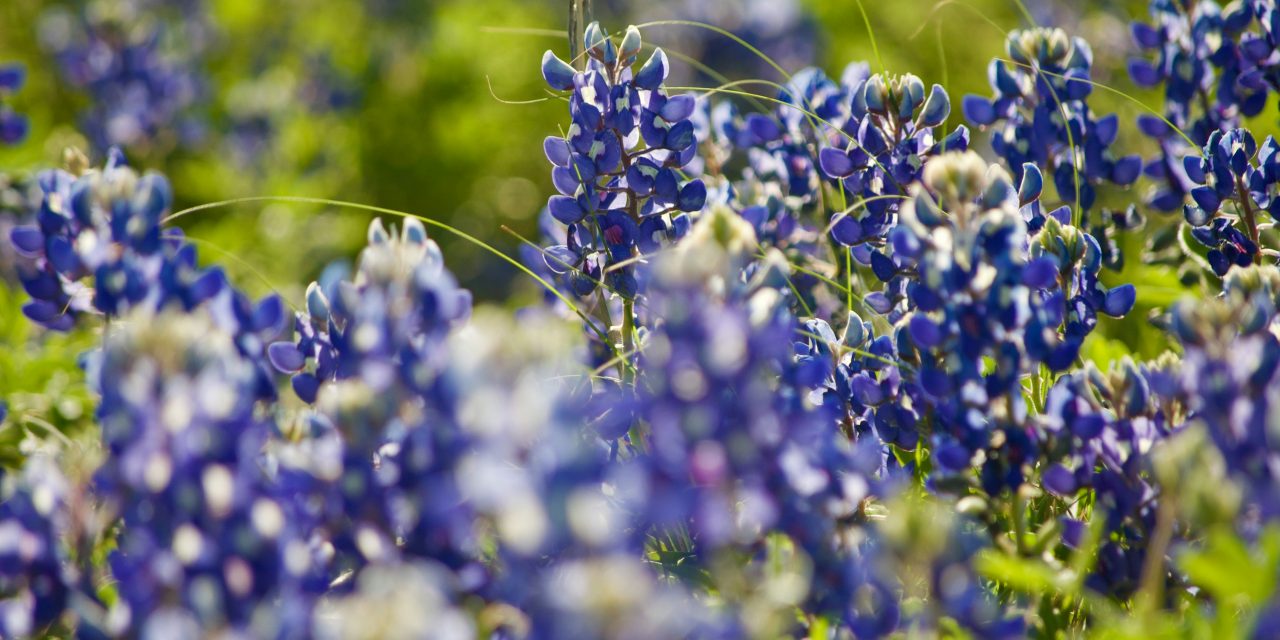
The Bluebonnet, scientifically known as Lupinus texensis, stands as a symbol of Texas pride and beauty. This perennial wildflower is renowned for its striking blue petals that bloom in early spring, creating breathtaking landscapes across the state. Bluebonnets thrive in well-drained soils and prefer full sun exposure, making them ideal for open fields and gardens alike.
Beyond their visual appeal, Bluebonnets play a significant role in supporting local ecosystems. They are nitrogen-fixing plants, meaning they enrich the soil by converting atmospheric nitrogen into a form usable by other plants. This characteristic not only benefits the Bluebonnet itself but also enhances the overall health of the garden environment. Additionally, these flowers attract various pollinators, including bees and butterflies, contributing to biodiversity.
Texas Sage (Leucophyllum frutescens) – Drought-Tolerant Beauty
Texas Sage, or Leucophyllum frutescens, is celebrated for its stunning silvery foliage and vibrant purple blooms that appear after rainfall. This evergreen shrub is exceptionally drought-tolerant, making it an excellent choice for xeriscaping and low-water gardens. Texas Sage thrives in well-drained soils and can withstand extreme heat, making it a resilient addition to any landscape.
In addition to its aesthetic qualities, Texas Sage serves as a habitat for various wildlife species. Its dense foliage provides shelter for birds and insects while its nectar-rich flowers attract pollinators. Furthermore, this plant requires minimal maintenance once established, allowing gardeners to enjoy its beauty without extensive care.
Blackfoot Daisy (Melampodium leucanthum) – Hardy and Cheerful
The Blackfoot Daisy (Melampodium leucanthum) is a perennial wildflower that brings cheerfulness to Texas gardens with its bright white petals and yellow centers. This hardy plant thrives in poor soils and is highly drought-resistant, making it an ideal choice for low-maintenance landscapes. Blackfoot Daisies bloom from spring through fall, providing continuous color throughout the growing season.
This resilient flower not only enhances garden aesthetics but also supports local wildlife by attracting pollinators such as bees and butterflies. Its ability to thrive in challenging conditions makes it an excellent option for gardeners looking to create a vibrant yet sustainable landscape.
Gulf Coast Muhly Grass (Muhlenbergia capillaris) – Elegant and Low Maintenance
Gulf Coast Muhly Grass (Muhlenbergia capillaris) is a perennial grass known for its graceful appearance and low maintenance requirements. This ornamental grass features delicate pinkish-purple flower plumes that sway gently in the breeze, adding elegance to any garden setting. Gulf Coast Muhly Grass thrives in well-drained soils and prefers full sun exposure.
Beyond its aesthetic appeal, this grass plays a vital role in erosion control and soil stabilization due to its extensive root system. It also provides habitat for various wildlife species while requiring minimal water once established. Gardeners seeking an elegant yet functional addition to their landscape will find Gulf Coast Muhly Grass an excellent choice.
Coral Honeysuckle (Lonicera sempervirens) – Attracting Pollinators All Year
Coral Honeysuckle (Lonicera sempervirens) is a climbing vine that captivates with its tubular red-orange flowers that bloom from spring through fall. This native plant is not only visually striking but also serves as an essential food source for hummingbirds and butterflies throughout the year. Coral Honeysuckle thrives in various soil types and can tolerate both sun and partial shade.
In addition to attracting pollinators, Coral Honeysuckle provides cover for birds and other wildlife species. Its vigorous growth makes it an excellent choice for trellises or fences, adding vertical interest to gardens while promoting biodiversity.
Autumn Sage (Salvia greggii) – Vibrant Blooms Through Seasons
Autumn Sage (Salvia greggii) is a perennial herbaceous plant known for its vibrant red, pink, or purple flowers that bloom from spring until frost. This drought-tolerant plant thrives in well-drained soils and prefers full sun exposure, making it an ideal choice for sunny garden spots. Autumn Sage attracts hummingbirds and butterflies with its nectar-rich blooms.
Beyond its ornamental value, Autumn Sage has medicinal properties; it has been traditionally used by Native Americans for various ailments due to its anti-inflammatory and antimicrobial properties. This versatile plant not only enhances garden aesthetics but also contributes to local biodiversity by attracting pollinators.
Mexican Feathergrass (Nassella tenuissima) – Graceful Movement in the Wind
Mexican Feathergrass (Nassella tenuissima) is an ornamental grass celebrated for its fine-textured foliage that creates a soft, flowing appearance in gardens. This perennial grass thrives in well-drained soils and prefers full sun exposure, making it an excellent choice for low-water landscapes. Mexican Feathergrass adds movement and texture to garden designs while requiring minimal maintenance.
This grass also plays a role in supporting local wildlife by providing habitat for small birds and insects. Its adaptability to various soil types makes it suitable for diverse garden settings, enhancing both aesthetics and ecological balance.
Red Yucca (Hesperaloe parviflora) – Unique and Resilient
Red Yucca (Hesperaloe parviflora) is a striking succulent that features long arching leaves and tall flower spikes adorned with tubular red or coral blooms. This drought-tolerant plant thrives in well-drained soils and prefers full sun exposure, making it an excellent choice for xeriscaping projects. Red Yucca attracts hummingbirds with its vibrant flowers while requiring minimal care once established.
In addition to its ornamental value, Red Yucca has been used traditionally by Native Americans for various purposes, including crafting fibers from its leaves. This unique plant not only enhances garden aesthetics but also contributes to local biodiversity by attracting pollinators.
Texas Mountain Laurel (Sophora secundiflora) – Fragrant and Evergreen
Texas Mountain Laurel (Sophora secundiflora) is an evergreen shrub known for its stunning clusters of fragrant purple flowers that bloom in early spring. This hardy plant thrives in well-drained soils and prefers full sun exposure, making it an excellent choice for landscapes across Texas. The sweet scent of its blooms attracts various pollinators while adding beauty to gardens.
Beyond its ornamental qualities, Texas Mountain Laurel produces seed pods that provide food for birds and other wildlife species. Its evergreen foliage offers year-round interest while requiring minimal maintenance once established.
Purple Coneflower (Echinacea purpurea) – Wildlife Friendly and Colorful
Purple Coneflower (Echinacea purpurea) is a perennial wildflower celebrated for its vibrant purple petals and distinctive cone-shaped center. This hardy plant thrives in well-drained soils and prefers full sun exposure, making it an excellent choice for sunny garden spots. Purple Coneflowers attract pollinators such as bees and butterflies while providing seeds that feed birds during winter months.
In addition to its aesthetic appeal, Purple Coneflower has medicinal properties; it has been traditionally used to boost the immune system due to its anti-inflammatory effects. This versatile plant enhances garden aesthetics while contributing to local biodiversity.
Tips for Planting and Maintaining Native Texas Plants
To ensure successful growth of native Texas plants, proper planting techniques are essential. Begin by preparing the soil through tilling or loosening compacted areas to promote root development. Incorporating organic matter can enhance soil fertility while improving drainage capabilities.
When planting native species, consider spacing requirements based on mature size; overcrowding can lead to competition for resources and hinder growth potential. Water newly planted specimens thoroughly but avoid overwatering; established native plants typically require minimal irrigation due to their drought tolerance.
Regular maintenance involves monitoring for pests or diseases while minimizing chemical interventions whenever possible; native plants are generally more resilient against local pests than non-native varieties. Mulching around plants can help retain moisture while suppressing weeds.
Creating a Thriving Texas Garden Year-Round
Incorporating native plants into Texas gardens offers numerous benefits ranging from aesthetic appeal to ecological sustainability. By selecting species well-suited to local conditions—such as Bluebonnets, Texas Sage, Blackfoot Daisies, Gulf Coast Muhly Grass, Coral Honeysuckle, Autumn Sage, Mexican Feathergrass, Red Yucca, Texas Mountain Laurel, and Purple Coneflower—gardeners can create vibrant landscapes that thrive year-round with minimal maintenance.
Embracing native gardening not only enhances personal spaces but also contributes positively to local ecosystems by supporting wildlife populations while conserving water resources effectively—ultimately fostering a deeper connection between Texans and their natural heritage.
FAQs
What are native plants and why are they important for Texas gardens?
Native plants are species that naturally occur in a specific region without human introduction. They are important for Texas gardens because they are well-adapted to the local climate, soil, and wildlife, requiring less water and maintenance compared to non-native species. Additionally, they support local ecosystems by providing habitat and food for native wildlife, including pollinators like bees and butterflies.
Which native plants are best suited for Texas’ diverse climates?
Some of the best native plants for Texas gardens include Bluebonnet (Lupinus texensis), Texas Sage (Leucophyllum frutescens), Black-eyed Susan (Rudbeckia hirta), and Mexican Feather Grass (Nassella tenuissima). These plants thrive in various Texas climates, from the arid West to the humid East, and offer vibrant colors and textures throughout the year.
How can I incorporate native plants into my Texas garden design?
To incorporate native plants into your Texas garden design, start by assessing your garden’s sunlight, soil type, and moisture levels. Choose a mix of plants that bloom at different times to ensure year-round interest. Group plants with similar water and sunlight needs together, and consider creating habitats such as butterfly gardens or pollinator patches to attract wildlife.
What are the benefits of using native plants in landscaping?
Using native plants in landscaping offers numerous benefits, including reduced water usage, lower maintenance requirements, and enhanced biodiversity. Native plants are more resilient to local pests and diseases, which can lead to fewer chemical treatments. They also help preserve the local ecosystem by providing food and shelter for native wildlife.
Where can I find native plants for my Texas garden?
Native plants can be found at local nurseries that specialize in native species, botanical gardens, and plant sales hosted by conservation organizations. Additionally, online retailers and native plant societies often offer a variety of native plants suitable for Texas gardens. It’s important to ensure that the plants are sourced from reputable suppliers to guarantee their native status.