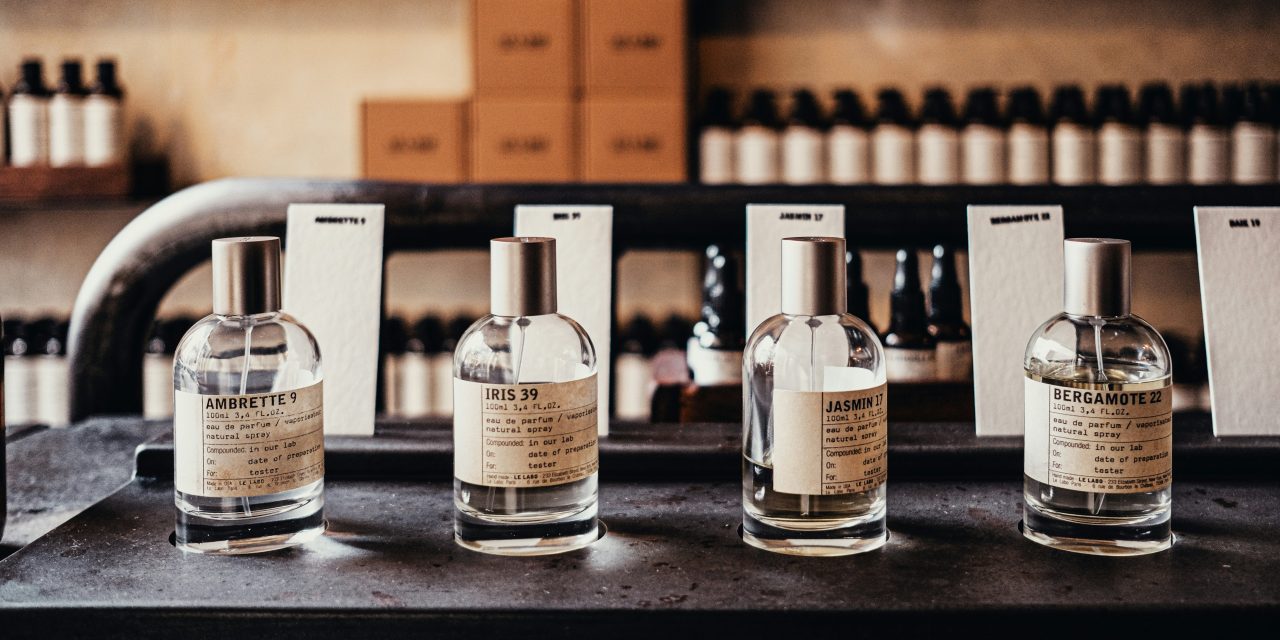
Perfume blending is an intricate art that combines various fragrance notes to create a harmonious scent profile. At its core, this practice involves understanding the fundamental components of fragrance, which are typically categorized into three layers: top notes, middle notes, and base notes. Top notes are the initial scents perceived upon application, often characterized by their light and volatile nature. Common examples include citrus and herbal aromas. Middle notes, or heart notes, emerge once the top notes dissipate and form the core of the fragrance, often featuring floral or fruity elements. Finally, base notes provide depth and longevity to the scent, with rich and heavy components such as woods, resins, and musks.
The process of blending perfumes requires a keen sense of smell and an understanding of how different scents interact with one another. Each fragrance has its own unique chemical composition, which can alter how it smells on the skin compared to how it smells in the bottle. This phenomenon is known as the “skin chemistry” effect, where individual body chemistry can enhance or diminish certain notes in a fragrance. Therefore, successful blending not only relies on selecting complementary scents but also on considering how these scents will react with one another when applied.
If you’re curious about the art of blending fragrances, you might find it interesting to explore how mixing two perfumes can create a unique scent that reflects your personality. For more insights on combining flavors in a different context, check out this article on delicious vegetarian recipes that you can try this week. You can read it here: 10 Delicious Vegetarian Recipes to Try This Week.
Why Mix Two Perfumes Together?
Mixing two perfumes can yield a multitude of benefits, enhancing the overall olfactory experience. One primary reason individuals choose to blend fragrances is to create a signature scent that reflects their personality and style. By combining two distinct perfumes, one can achieve a unique aroma that stands out from commercially available options. This personalized approach allows for greater expression and individuality in scent choices.
Additionally, blending perfumes can help to modify or enhance specific notes within a fragrance. For instance, if a perfume has a strong floral note that may be overwhelming, mixing it with a more subdued scent can balance the overall profile. This technique allows for customization based on personal preferences or even seasonal changes. For example, a fresh citrus scent may be ideal for summer, while a warm vanilla could be more suitable for winter. Ultimately, blending offers an opportunity for creativity and experimentation in the world of fragrance.
Choosing Complementary Scents for Blending

Selecting complementary scents is crucial for successful perfume blending. The key lies in understanding fragrance families and how different notes interact with one another. Fragrance families include floral, oriental, woody, fresh, and gourmand, among others. When choosing scents to blend, it is advisable to select fragrances from the same family or those that share similar characteristics. For example, combining two floral scents can create a lush bouquet effect, while blending a woody fragrance with a fresh note can result in a balanced and sophisticated aroma.
Another effective strategy is to consider contrasting notes that can enhance each other’s qualities. For instance, pairing a sweet gourmand scent with a spicy oriental fragrance can create an intriguing complexity that captivates the senses. It is essential to experiment with various combinations to discover what resonates best with your olfactory preferences. Keeping a journal of successful blends can also help track which combinations yield desirable results.
Tips for Testing Perfume Combinations Safely

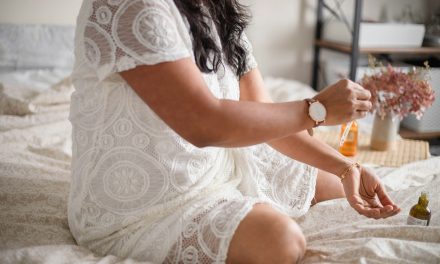
When testing perfume combinations, safety should always be a priority. First and foremost, it is advisable to conduct patch tests on small areas of skin to ensure there are no adverse reactions. Apply a small amount of each fragrance separately on different areas of your wrist or forearm and wait for at least 30 minutes to observe how they develop on your skin before blending them together.
Additionally, it is essential to use unscented products during the testing phase to avoid interference with the fragrances being evaluated. This includes using unscented lotions or soaps prior to application. When blending perfumes, start with small quantities to avoid waste and allow for easy adjustments if necessary. A pipette or dropper can be useful for precise measurements when mixing scents.
If you’re curious about the art of fragrance blending, you might find it interesting to explore how different scents can complement each other. Mixing two perfumes together can create a unique signature scent that reflects your personality. For more insights on combining flavors in a different context, check out this article on a delicious Mediterranean chickpea salad sandwich recipe. You can find it here.
How to Layer Perfumes for a Balanced Fragrance
Layering perfumes is an effective technique that allows individuals to create a multi-dimensional scent profile without necessarily blending them into one mixture. To achieve a balanced fragrance through layering, begin by applying the base layer first—this could be a heavier scent that provides depth and longevity. Once the base layer has settled on the skin for a few minutes, apply the second layer on top—this could be a lighter or fresher scent that adds brightness and complexity.
It is important to consider the order of application when layering fragrances. Generally, heavier scents should be applied first, followed by lighter ones to prevent overpowering the top notes. Additionally, allow each layer to dry before applying the next to ensure that the scents meld together harmoniously rather than clashing. Experimenting with different layering techniques can lead to delightful discoveries and unique combinations.
The Role of Fragrance Families in Blending
Fragrance families play a pivotal role in perfume blending as they categorize scents based on their shared characteristics and notes. Understanding these families can significantly enhance one’s ability to create harmonious blends. The primary fragrance families include:
1. Floral: Characterized by flower-based scents such as rose, jasmine, and lily.
2. Oriental: Rich and exotic scents often featuring spices, resins, and warm notes.
3. Woody: Earthy aromas derived from woods like sandalwood and cedar.
4. Fresh: Crisp and clean scents including citrus and aquatic notes.
5. Gourmand: Sweet and edible-like fragrances often reminiscent of desserts.
When blending perfumes, it is beneficial to select fragrances from the same family or those that complement each other across families. For example, combining floral and woody scents can create an elegant balance between softness and strength. Understanding these families allows for more informed decisions when crafting custom fragrances.
Avoiding Common Mistakes When Mixing Perfumes
While experimenting with perfume blending can be exciting, there are common pitfalls that should be avoided to ensure successful outcomes. One frequent mistake is over-applying fragrances; less is often more when it comes to scent layering or blending. Applying too much can lead to overwhelming aromas that clash rather than harmonize.
Another common error is neglecting skin chemistry; what smells delightful in the bottle may not translate well on the skin due to individual body chemistry variations. Always test fragrances on your skin before committing to a blend. Additionally, failing to document successful combinations can hinder future experimentation; keeping detailed notes about what works well will facilitate future blending endeavors.
When considering perfume options for blending, one must choose between perfume oils and eau de parfums (EDPs). Perfume oils are concentrated formulations that typically contain fewer alcohol components than EDPs; this results in longer-lasting scents that are often richer in aroma due to their higher oil concentration.
On the other hand, eau de parfums contain more alcohol and tend to have lighter compositions that evaporate more quickly upon application. While EDPs may offer versatility in layering due to their lighter nature, perfume oils provide depth and longevity that can enhance blended fragrances significantly.
Creating Seasonal or Occasion-Specific Blends
Crafting seasonal or occasion-specific blends allows individuals to tailor their fragrances according to different times of the year or special events. For instance, during warmer months, lighter scents such as citrus or floral blends may evoke feelings of freshness and vitality. Conversely, during colder months, richer scents like vanilla or amber can provide warmth and comfort.
For special occasions such as weddings or formal events, consider creating blends that reflect the mood of the event—perhaps combining romantic florals with elegant woods for an enchanting effect. Seasonal changes also provide an opportunity to refresh your fragrance wardrobe by experimenting with new combinations that align with the atmosphere of each season.
Storing Your Custom Fragrance Mixtures Properly
Proper storage of custom fragrance mixtures is essential for maintaining their integrity over time. Fragrances should be kept in cool, dark places away from direct sunlight and heat sources that could alter their chemical composition. Glass containers are preferable as they do not react with the oils in perfumes like plastic might.
Additionally, ensure that bottles are tightly sealed when not in use to prevent evaporation or contamination from external elements. Labeling your custom blends with dates and ingredient lists can also help track their freshness and effectiveness over time.
Experimenting with Unique Blends: Inspiration and Ideas
The world of perfume blending is vast and filled with endless possibilities for creativity and exploration. Seek inspiration from various sources such as nature—consider capturing the essence of a blooming garden by combining floral notes with earthy undertones—or culinary experiences by infusing gourmand elements into your blends.
Participating in workshops or online communities dedicated to fragrance enthusiasts can also provide valuable insights into unique blending techniques and ideas from fellow aficionados. Don’t hesitate to experiment boldly; sometimes unexpected combinations yield the most delightful results.
In summary, perfume blending is an art form that allows individuals to express their creativity through scent customization. By understanding fragrance families, testing combinations safely, and avoiding common mistakes, one can craft unique aromas tailored to personal preferences or occasions. Whether using perfume oils or eau de parfums, proper storage techniques will ensure longevity while experimentation opens doors to endless olfactory adventures.
FAQs
Can you mix two different perfumes together?
Yes, you can mix two different perfumes together. Many fragrance enthusiasts enjoy experimenting with layering scents to create a unique fragrance that reflects their personal style. However, it’s important to choose complementary scents to achieve a harmonious blend.
What are some tips for mixing perfumes?
When mixing perfumes, start with a small amount of each fragrance to test the combination. Consider the scent families of the perfumes (e.g., floral, woody, oriental) and aim for those that complement each other. Additionally, apply the perfumes in different areas of your body to see how they interact with your skin chemistry.
Are there any perfumes that should not be mixed?
While you can mix most perfumes, it’s generally advisable to avoid combining fragrances that are too overpowering or have conflicting scent profiles. For example, mixing a very sweet fragrance with a strong, musky scent may result in an unpleasant aroma. It’s best to experiment with lighter or more subtle scents.
How can I know if the mixed perfume smells good?
The best way to determine if a mixed perfume smells good is to test it on your skin. Fragrances can change when they interact with your body chemistry, so applying the mixture and allowing it to develop over time will give you a better idea of the final scent. You can also ask for feedback from friends or family.
Can mixing perfumes affect their longevity?
Mixing perfumes can potentially affect their longevity. Some fragrances may enhance each other’s staying power, while others may dilute the scent, causing it to fade more quickly. The overall longevity will depend on the specific perfumes used and how they interact with each other and your skin.