Many car owners often find themselves in a dilemma when it comes to washing their vehicles. The convenience of using readily available household products, such as dish soap, can be tempting. Dish soap is designed to cut through grease and grime, making it an appealing option for those looking to clean their cars without investing in specialized products. Additionally, the affordability and accessibility of dish soap make it an attractive choice for budget-conscious individuals. However, the implications of using such a product on automotive finishes warrant careful consideration.
The allure of dish soap lies not only in its cleaning efficacy but also in its widespread availability. Most households have a bottle of dish soap on hand, making it a convenient solution for spontaneous cleaning needs. Furthermore, many people believe that if dish soap can effectively clean dishes, it should be equally effective on car surfaces. This perception often leads to the misconception that dish soap is a safe and suitable alternative to dedicated car wash soaps. However, the reality is more complex, as the chemistry behind these products plays a crucial role in their suitability for automotive applications.
When considering the best methods for washing your car, many people wonder if using dish soap is a safe option. While it may effectively remove grease and grime, it can also strip away protective wax and damage the paint over time. For those interested in maintaining not only their vehicles but also their pets, you might find it helpful to explore related topics such as grooming techniques. Check out this article on 10 Easy DIY Pet Grooming Tips to Keep Your Pet Happy at Home for some great tips on keeping your furry friends clean and happy.
The Chemistry Behind Dish Soap and Car Paint
Dish soap is formulated with surfactants, which are compounds that lower the surface tension of water, allowing it to spread and penetrate grease and dirt more effectively. These surfactants work by breaking down oils and suspending them in water, facilitating their removal from surfaces. While this property makes dish soap highly effective for cleaning kitchenware, it raises concerns when applied to automotive finishes.
Car paint is typically composed of multiple layers, including a base coat, color coat, and clear coat. Each layer serves a specific purpose, contributing to the overall durability and aesthetic appeal of the vehicle. The clear coat, in particular, provides a protective barrier against environmental contaminants, UV radiation, and physical abrasions. The harsh surfactants found in dish soap can strip away this protective layer, leading to potential damage over time. Understanding the chemical interactions between dish soap and car paint is essential for making informed decisions about vehicle maintenance.
Potential Risks of Using Dish Soap on Your Vehicle

Using dish soap on your vehicle can pose several risks that may compromise the integrity of the paintwork. One of the primary concerns is the potential for stripping away essential protective coatings. The aggressive nature of dish soap can lead to the degradation of waxes and sealants that are designed to shield the paint from environmental damage. This degradation can result in increased susceptibility to scratches, oxidation, and fading.
Moreover, dish soap may leave behind residues that can attract dirt and grime more quickly than dedicated car wash products. These residues can create a cycle of repeated washing that ultimately exacerbates wear on the paint surface. Additionally, the pH level of dish soap is often higher than that of specialized car wash soaps, which are formulated to be pH-balanced for automotive finishes. This imbalance can lead to further deterioration of the paint over time.
How Dish Soap Affects the Car’s Protective Wax Coating

The protective wax coating on a vehicle serves as a barrier against environmental contaminants such as dirt, bird droppings, tree sap, and UV rays. When dish soap is used for washing, its surfactants can strip away this wax layer, leaving the paint vulnerable to damage. Without this protective barrier, the paint becomes more susceptible to oxidation and fading caused by prolonged exposure to sunlight.
Furthermore, once the wax coating is compromised, it becomes increasingly challenging to restore the vehicle’s finish to its original luster. The absence of wax can lead to dullness and a lack of shine, diminishing the overall aesthetic appeal of the car. In some cases, owners may find themselves needing to apply additional wax or sealant more frequently than they would if they had used appropriate car wash products.
When considering the best methods for washing your car, you might wonder if using dish soap is a good idea. While it can effectively remove dirt and grime, it may also strip away wax and damage the paint over time. For those interested in maintaining their vehicle’s appearance, it’s essential to explore alternative cleaning solutions. If you’re also a pet owner, you might find it helpful to read about how to recognize skin irritation after pet grooming, as it highlights the importance of using the right products for sensitive surfaces. You can check out the article here for more insights.
Comparing Dish Soap to Dedicated Car Wash Soaps
Dedicated car wash soaps are specifically formulated with the unique needs of automotive finishes in mind. These products typically contain gentle surfactants that effectively remove dirt and grime without compromising protective coatings. Unlike dish soap, which may contain harsh chemicals designed for kitchen use, car wash soaps are pH-balanced and often enriched with conditioners that help maintain the integrity of the paint.
When comparing dish soap to dedicated car wash soaps, several key differences emerge:
1. **pH Balance**: Car wash soaps are formulated to be pH-neutral or slightly alkaline, ensuring compatibility with automotive finishes.
2. **Surfactant Composition**: Dedicated car wash soaps utilize milder surfactants that effectively clean without stripping away wax or sealants.
3. **Additives**: Many car wash soaps contain additives such as polymers or waxes that enhance shine and provide additional protection during washing.
These distinctions highlight why using dedicated car wash products is generally recommended over household alternatives like dish soap.
Situations When Using Dish Soap Might Be Acceptable
While using dish soap for car washing is generally discouraged due to its potential risks, there are specific situations where it might be deemed acceptable. For instance, if a vehicle has accumulated heavy grease or oil stains—perhaps due to a mechanical issue—using dish soap as a targeted treatment may be warranted. In such cases, it is crucial to follow up with a thorough rinse and application of a protective wax or sealant afterward.
Another scenario where dish soap might be acceptable is when cleaning non-painted surfaces such as tires or wheel wells. These areas are less sensitive to harsh chemicals and may benefit from the degreasing properties of dish soap without risking damage to painted surfaces. However, even in these instances, caution should be exercised to avoid overspray onto painted areas.
Proper Techniques for Washing Your Car with Dish Soap
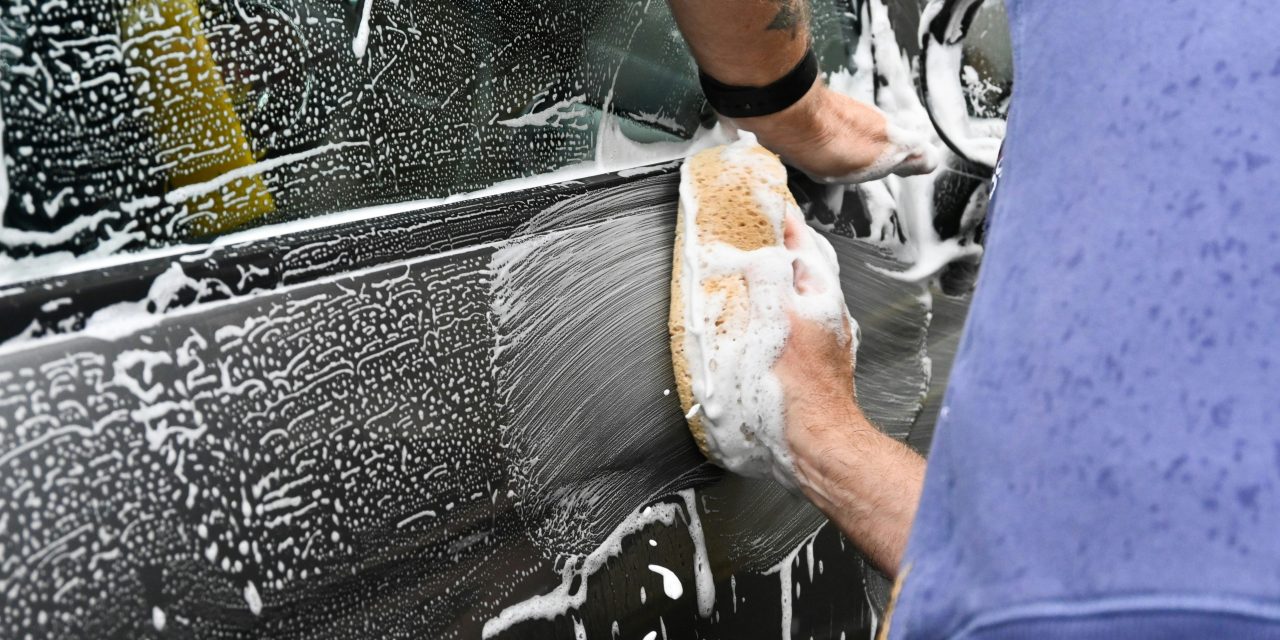
If you find yourself in a situation where using dish soap is necessary, employing proper techniques can help mitigate potential damage. Begin by selecting a shaded area to prevent premature drying and water spots on the paint surface. Gather your materials: a bucket filled with warm water mixed with a small amount of dish soap, a soft sponge or microfiber cloth, and a hose for rinsing.
1. **Pre-Rinse**: Start by rinsing the vehicle thoroughly with water to remove loose dirt and debris.
2. **Wash**: Dip your sponge or cloth into the soapy water and gently wash one section at a time using straight strokes rather than circular motions to minimize swirl marks.
3. **Rinse**: After washing each section, rinse it immediately with clean water to prevent soap residue from drying on the surface.
4. **Dry**: Use a microfiber towel or chamois to dry the vehicle completely after rinsing.
Following these steps can help reduce the risk of damage while using dish soap for washing your car.
Alternatives to Dish Soap for Safe and Effective Car Cleaning
For those seeking safe alternatives to dish soap for car cleaning, several dedicated products are available on the market that cater specifically to automotive needs. These alternatives provide effective cleaning without compromising paint integrity or protective coatings.
1. **pH-Neutral Car Wash Soaps**: Formulated specifically for automotive finishes, these soaps effectively remove dirt while being gentle on waxes and sealants.
2. **Foaming Washes**: These products create thick foam that clings to surfaces, allowing dirt and grime to be lifted away without excessive scrubbing.
3. **Waterless Wash Solutions**: Ideal for quick clean-ups or when water access is limited, these sprays allow for effective cleaning without rinsing.
4. **Detailing Sprays**: Designed for touch-ups between washes, detailing sprays can enhance shine while providing light cleaning capabilities.
Choosing these alternatives ensures that your vehicle remains protected while still achieving a clean appearance.
How to Restore Your Car’s Finish After Using Dish Soap
If you have used dish soap on your vehicle and are concerned about potential damage to the finish, there are steps you can take to restore its appearance and protective qualities. The first step is to assess the condition of the paintwork; look for signs of dullness or oxidation.
1. **Thorough Wash**: Begin by washing the vehicle again using a dedicated car wash soap to remove any remaining residues from the dish soap.
2. **Clay Bar Treatment**: Consider using a clay bar treatment to remove embedded contaminants that may have accumulated during washing.
3. **Polishing**: If oxidation or dullness is present, applying a polishing compound can help restore shine by removing fine scratches and imperfections.
4. **Wax Application**: Finally, apply a high-quality wax or sealant to provide protection against environmental elements and enhance gloss.
By following these steps, you can effectively restore your vehicle’s finish after using dish soap.
Expert Recommendations on Car Washing Products
Experts in automotive care consistently recommend using dedicated car wash products tailored specifically for vehicle maintenance. Brands such as Meguiar’s, Chemical Guys, and Griot’s Garage offer high-quality options that cater to various needs—from basic washes to advanced detailing solutions.
When selecting a product, consider factors such as:
– **Vehicle Type**: Different finishes may require specific formulations.
– **Environmental Conditions**: If you live in an area with harsh weather conditions or pollutants, choose products designed for enhanced protection.
– **Personal Preferences**: Some individuals prefer eco-friendly options or those with specific scents.
Consulting with professionals at automotive supply stores can provide valuable insights into selecting the right products for your vehicle’s needs.
Is Dish Soap a Good Choice for Washing Your Car?
In conclusion, while dish soap may seem like an appealing option for washing your car due to its cleaning power and accessibility, it poses significant risks that can compromise your vehicle’s finish over time. The harsh surfactants found in dish soap can strip away protective coatings and lead to long-term damage if used regularly.
Dedicated car wash soaps are specifically formulated to clean effectively while preserving the integrity of automotive finishes. By opting for these specialized products and employing proper washing techniques, you can ensure that your vehicle remains in optimal condition while enjoying a thorough clean.
Ultimately, investing in appropriate car care products will yield better results than relying on household alternatives like dish soap—protecting both your investment and your vehicle’s aesthetic appeal for years to come.
FAQs
Can dish soap damage a car’s paint?
Yes, dish soap can damage a car’s paint. It is formulated to cut through grease and grime, which can strip away the protective wax and sealants on your car’s surface, leading to potential scratches and dullness over time.
What are the risks of using dish soap to wash a car?
The risks of using dish soap include removing protective coatings, causing paint oxidation, and potentially leading to rust if water is trapped in crevices. Additionally, dish soap may not effectively remove dirt and grime compared to products specifically designed for automotive use.
What should you use instead of dish soap for washing a car?
Instead of dish soap, it is recommended to use a dedicated car wash soap. These products are specifically formulated to be gentle on automotive finishes while effectively cleaning the surface without stripping away wax or sealants.
Can using dish soap void a car’s warranty?
Using dish soap to wash your car is unlikely to void a warranty directly; however, if it leads to paint damage or other issues, it could potentially affect warranty claims related to those damages. Always check your warranty terms for specific guidelines on maintenance.
How often should you wash your car with proper soap?
It is generally recommended to wash your car every two weeks to maintain its appearance and protect the paint. However, this frequency can vary based on environmental factors, such as exposure to salt, dirt, or pollutants.