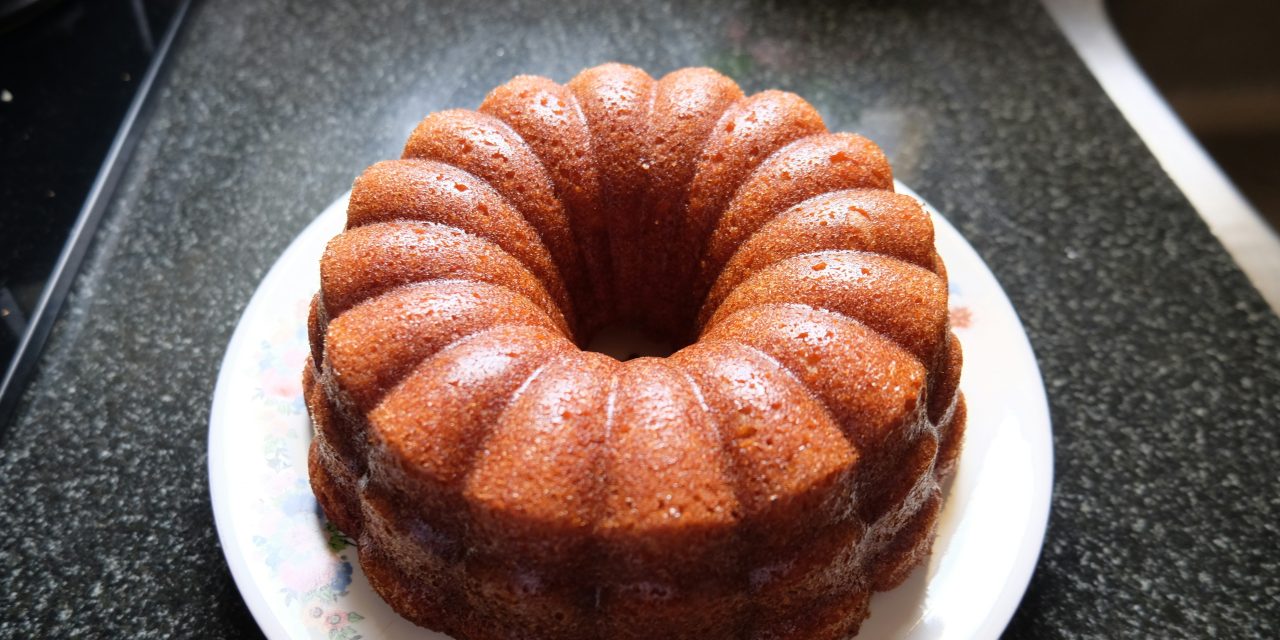
Classic vanilla pound cake is a timeless dessert that has graced tables for generations. Its rich, buttery flavor and dense yet tender crumb make it a favorite among cake enthusiasts. Traditionally, the recipe calls for equal weights of flour, butter, sugar, and eggs, which is where the name “pound cake” originates. This simple yet elegant cake serves as a versatile base for various toppings and accompaniments, making it suitable for any occasion, from casual family gatherings to formal celebrations.
The allure of vanilla pound cake lies not only in its flavor but also in its texture. The cake’s dense structure allows it to hold up well against frostings, glazes, or fresh fruits. Additionally, the simplicity of the ingredients means that it can be easily customized with various flavorings or add-ins, such as chocolate chips or citrus zest. As we delve deeper into the art of creating the perfect vanilla pound cake, we will explore essential ingredients, preparation techniques, and tips for achieving that coveted moist texture.
If you’re looking to perfect your baking skills, a classic vanilla pound cake is a delightful recipe to try. For additional tips on creating the perfect dessert, you might find it helpful to read this article on essential care tips for your furry friends, which can also inspire you to bake treats for them. Check it out here: Top 10 Teddy Bear Puppy Care Tips Every Owner Should Know.
Essential Ingredients for the Perfect Pound Cake
To create a classic vanilla pound cake, one must gather a few essential ingredients that contribute to its signature flavor and texture. The primary components include:
1. **Unsalted Butter**: The foundation of any pound cake, butter provides richness and moisture. Using unsalted butter allows for better control over the cake’s saltiness.
2. **Granulated Sugar**: Sugar not only sweetens the cake but also aids in creating a tender crumb by inhibiting gluten formation during mixing.
3. **All-Purpose Flour**: This ingredient forms the structure of the cake. The protein content in all-purpose flour strikes a balance between tenderness and strength.
4. **Eggs**: Eggs serve multiple purposes in baking; they provide moisture, act as a binding agent, and contribute to the cake’s leavening.
5. **Vanilla Extract**: A key flavoring agent, high-quality vanilla extract enhances the overall taste profile of the cake.
6. **Baking Powder**: While traditional pound cakes do not always include leavening agents, a small amount of baking powder can help achieve a lighter texture without compromising the cake’s density.
Each ingredient plays a crucial role in the final product, and using high-quality components will yield superior results. For instance, opting for organic eggs or premium vanilla extract can elevate the flavor profile significantly.
Choosing the Right Vanilla Extract

Selecting the right vanilla extract is paramount in achieving an authentic flavor in your pound cake. There are two primary types of vanilla extract available on the market: pure vanilla extract and imitation vanilla extract.
1. **Pure Vanilla Extract**: Made from real vanilla beans soaked in alcohol, pure vanilla extract offers a complex flavor profile that enhances baked goods beautifully. It is often more expensive but worth the investment for serious bakers.
2. **Imitation Vanilla Extract**: This synthetic alternative is made from vanillin derived from sources such as lignin or guaiacol. While it is more affordable, it lacks the depth of flavor found in pure extracts.
When choosing vanilla extract, look for products labeled as “pure” and check for the absence of artificial additives. Additionally, consider experimenting with different varieties of vanilla beans, such as Madagascar or Tahitian, to discover unique flavor nuances that can elevate your pound cake.
Preparing Your Baking Equipment

Before embarking on your baking journey, it is essential to prepare your equipment properly to ensure a smooth process. Start by gathering all necessary tools:
1. **Mixing Bowls**: Use large mixing bowls to accommodate the batter without spilling.
2. **Measuring Cups and Spoons**: Accurate measurements are crucial in baking; invest in a set of dry and liquid measuring tools.
3. **Electric Mixer**: A stand mixer or hand mixer will make creaming butter and sugar much easier and more efficient.
4. **Rubber Spatula**: This tool is invaluable for scraping down the sides of bowls and folding ingredients together gently.
5. **Loaf Pan**: A standard 9×5-inch loaf pan is ideal for baking pound cakes. Ensure it is greased and floured to prevent sticking.
6. **Cooling Rack**: Once baked, transferring the cake to a cooling rack allows for even cooling and prevents sogginess.
Having all your equipment ready will streamline the baking process and help you focus on creating a delicious vanilla pound cake without unnecessary interruptions.
If you’re looking to elevate your baking skills, you might find it helpful to explore a related article that offers insightful tips on how to make a classic vanilla pound cake. This guide not only covers the essential ingredients and techniques but also provides variations to suit your taste. For more information on baking and other culinary tips, check out this helpful resource that can enhance your overall kitchen experience.
Step-by-Step Mixing Instructions
The mixing process is critical in developing the right texture for your pound cake. Follow these step-by-step instructions for optimal results:
1. **Creaming Butter and Sugar**: Begin by placing softened unsalted butter in your mixing bowl. Add granulated sugar and beat on medium speed until the mixture becomes light and fluffy—this typically takes about 4-5 minutes.
2. **Incorporating Eggs**: Gradually add eggs one at a time, ensuring each egg is fully incorporated before adding the next. This step helps emulsify the mixture and contributes to a uniform batter.
3. **Adding Vanilla Extract**: Pour in your chosen vanilla extract during this stage to infuse the batter with flavor.
4. **Combining Dry Ingredients**: In a separate bowl, whisk together all-purpose flour and baking powder (if using). Gradually add this dry mixture to the wet ingredients while mixing on low speed to prevent flour from flying everywhere.
5. **Final Mixing**: Once combined, use a rubber spatula to scrape down the sides of the bowl and ensure no dry ingredients remain visible. Be careful not to overmix, as this can lead to a dense cake.
Following these steps will create a well-blended batter ready for baking while maintaining the desired texture.
If you’re looking to elevate your baking skills, mastering a classic vanilla pound cake is a delightful starting point. This rich and buttery cake is perfect for any occasion, and its simplicity allows for endless variations. For those interested in exploring more culinary techniques, you might find it helpful to read about how to groom a guinea pig and prevent matted fur, as the precision required in both baking and grooming can lead to satisfying results. You can check out the article here for some interesting insights that might inspire your next baking adventure.
Tips for Achieving a Moist Texture
Achieving a moist texture in your vanilla pound cake requires attention to detail during both mixing and baking processes. Here are some tips to ensure your cake remains tender and flavorful:
1. **Use Room Temperature Ingredients**: Allow butter, eggs, and any dairy products to reach room temperature before mixing. This promotes better emulsification and results in a smoother batter.
2. **Do Not Overmix**: Overmixing can lead to excessive gluten development, resulting in a tough cake. Mix just until combined for optimal tenderness.
3. **Incorporate Sour Cream or Yogurt**: Adding sour cream or yogurt can enhance moisture levels due to their fat content while also contributing to a slight tanginess that balances sweetness.
4. **Monitor Baking Time**: Baking too long can dry out your cake; keep an eye on it as it approaches doneness to prevent overbaking.
By implementing these strategies, you can create a moist vanilla pound cake that delights with every bite.
Baking Time and Temperature Guidelines
Baking temperature plays a crucial role in achieving an evenly baked pound cake with a golden crust and tender interior. Preheat your oven to 325°F (163°C), which is ideal for this type of dense cake.
The typical baking time for a standard 9×5-inch loaf pan ranges from 60 to 75 minutes; however, this can vary based on your oven’s calibration and altitude. It is advisable to rotate your pan halfway through baking to ensure even heat distribution.
Using an oven thermometer can help verify that your oven maintains the correct temperature throughout the baking process, preventing undercooked or overcooked results.
How to Test for Doneness
Determining when your vanilla pound cake is fully baked is essential for achieving optimal texture and flavor. Here are several methods to test for doneness:
1. **Toothpick Test**: Insert a toothpick into the center of the cake; if it comes out clean or with just a few moist crumbs attached, your cake is done.
2. **Touch Test**: Gently press down on the top of the cake; if it springs back without leaving an indentation, it indicates that it has finished baking.
3. **Temperature Check**: For precision, use an instant-read thermometer; the internal temperature should reach approximately 200°F (93°C) when fully baked.
Employing these techniques will help ensure that your vanilla pound cake achieves perfect doneness every time.
Cooling and Removing the Cake from the Pan
Once your pound cake has finished baking, allowing it to cool properly is crucial for maintaining its structure and preventing sogginess:
1. **Cooling in Pan**: Let the cake cool in its pan for about 10-15 minutes after removing it from the oven. This allows it to set slightly before transferring it.
2. **Removing from Pan**: Carefully run a knife around the edges of the pan to loosen any stuck areas before inverting it onto a cooling rack.
3. **Complete Cooling**: Allow the cake to cool completely on the rack before slicing or serving; this helps maintain its moisture content while preventing crumbling.
Following these steps will ensure that your vanilla pound cake retains its shape and texture during cooling.
Serving Suggestions and Pairings
Classic vanilla pound cake is incredibly versatile when it comes to serving options and pairings:
1. **Fresh Fruits**: Serve slices with fresh berries or sliced peaches for a refreshing contrast against the rich cake.
2. **Whipped Cream**: A dollop of freshly whipped cream adds lightness and complements the dense texture beautifully.
3. **Glazes or Frostings**: Consider drizzling with a simple glaze made from powdered sugar and milk or topping with cream cheese frosting for added sweetness.
4. **Ice Cream**: Pairing warm slices with vanilla or chocolate ice cream creates an indulgent dessert experience that is hard to resist.
These serving suggestions allow you to customize your vanilla pound cake experience based on personal preferences or seasonal ingredients.
Storing and Preserving Your Pound Cake
To maintain freshness and flavor after baking, proper storage techniques are essential:
1. **Room Temperature Storage**: If consumed within a few days, store your pound cake at room temperature in an airtight container or wrapped tightly in plastic wrap to prevent drying out.
2. **Refrigeration**: For longer storage (up to one week), refrigerate your pound cake wrapped in plastic wrap or aluminum foil; however, this may slightly alter its texture.
3. **Freezing**: For extended preservation (up to three months), slice your cooled pound cake and wrap individual pieces tightly in plastic wrap before placing them in an airtight freezer bag or container.
When ready to enjoy frozen slices, thaw them at room temperature or gently warm them in an oven for optimal taste and texture restoration.
In summary, classic vanilla pound cake is an enduring dessert that combines simplicity with versatility. By understanding essential ingredients, preparation techniques, and storage methods, you can create this delightful treat with ease while ensuring its rich flavor and moist texture remain intact over time. Whether served plain or adorned with toppings, this beloved dessert continues to bring joy to gatherings and celebrations alike.
FAQs
What ingredients are needed to make a classic vanilla pound cake?
To make a classic vanilla pound cake, you will need the following ingredients: unsalted butter, granulated sugar, eggs, all-purpose flour, baking powder, salt, and pure vanilla extract. Some recipes may also include milk or cream for added moisture.
What is the traditional ratio of ingredients in a pound cake?
The traditional ratio for a pound cake is one pound each of butter, sugar, eggs, and flour. This ratio creates a dense and rich cake, which is characteristic of classic pound cakes.
How long should I bake a vanilla pound cake?
A classic vanilla pound cake typically bakes for about 60 to 75 minutes at 350°F (175°C). However, baking times may vary depending on your oven and the size of the cake, so it’s important to check for doneness by inserting a toothpick into the center; it should come out clean when the cake is fully baked.
Can I add variations to a classic vanilla pound cake recipe?
Yes, you can add variations to a classic vanilla pound cake recipe. Common additions include citrus zest (like lemon or orange), chocolate chips, nuts, or dried fruits. You can also experiment with different extracts, such as almond or coconut, to create unique flavors.
How should I store a vanilla pound cake to keep it fresh?
To keep a vanilla pound cake fresh, store it in an airtight container at room temperature for up to 3 days. For longer storage, you can wrap the cake tightly in plastic wrap and freeze it for up to 3 months. Thaw it at room temperature before serving.