Dog grooming is an essential aspect of pet care that not only enhances the aesthetic appeal of your canine companion but also contributes significantly to their overall health and well-being. Grooming tools play a pivotal role in this process, ensuring that your dog remains clean, comfortable, and free from potential health issues. Among the myriad of grooming tools available, clippers and scissors stand out as two of the most commonly used implements. Understanding the nuances of these tools can empower pet owners to make informed decisions regarding their grooming practices.
The right grooming tools can make a world of difference in the grooming experience for both the dog and the groomer. High-quality clippers and scissors can facilitate efficient grooming, reduce stress for the animal, and yield professional-looking results. This article delves into the specifics of dog grooming clippers and scissors, exploring their benefits, ideal usage scenarios, safety considerations, and maintenance tips to ensure longevity and effectiveness.
Overview of Dog Grooming Clippers
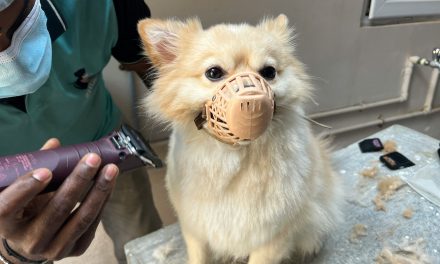
Dog grooming clippers are electric or battery-operated devices designed to trim and cut a dog’s fur with precision and ease. These tools come equipped with various blade sizes and types, allowing for versatility in grooming styles. The motorized nature of clippers enables them to handle thick, matted fur that would be challenging to manage with scissors alone. Additionally, clippers can significantly reduce grooming time, making them an invaluable asset for professional groomers and pet owners alike.
When selecting clippers, it is crucial to consider factors such as motor power, blade quality, and ergonomics. High-quality clippers often feature adjustable blades that can accommodate different coat lengths and types. For instance, a clipper with a powerful motor can easily cut through dense fur without overheating or causing discomfort to the dog. Furthermore, ergonomic designs ensure that groomers can maintain a comfortable grip during extended grooming sessions, minimizing fatigue.
Overview of Dog Grooming Scissors

Dog grooming scissors are specialized cutting tools designed for precise trimming and shaping of a dog’s coat. Unlike clippers, which are primarily used for bulk cutting, scissors allow for detailed work around sensitive areas such as the face, paws, and tail. Grooming scissors come in various shapes and sizes, including straight scissors for general trimming and thinning shears for reducing bulk without sacrificing length.
The craftsmanship of grooming scissors is paramount; high-quality stainless steel blades provide durability and sharpness, ensuring clean cuts that do not damage the hair shaft. Additionally, many grooming scissors feature ergonomic handles designed to reduce strain on the groomer’s hands during prolonged use. The versatility of scissors makes them an essential tool for achieving a polished look while allowing for creative styling options.
Benefits of Using Clippers for Dog Grooming

Clippers offer numerous advantages that make them a preferred choice for many groomers. One of the primary benefits is efficiency; clippers can quickly remove large amounts of fur in a fraction of the time it would take with scissors. This efficiency is particularly beneficial for dogs with thick or long coats that require extensive grooming. Moreover, clippers can help prevent matting by keeping the coat well-maintained between grooming sessions.
Another significant advantage is the reduced risk of injury. When used correctly, clippers minimize the chances of accidental cuts or nicks that can occur with scissors, especially in sensitive areas. Additionally, many modern clippers are designed with safety features such as blade guards and quiet motors to reduce anxiety in dogs during grooming sessions. This combination of speed and safety makes clippers an excellent choice for both novice and experienced groomers.
Advantages of Using Scissors in Grooming
While clippers excel in efficiency, scissors provide unique advantages that are equally important in dog grooming. One of the primary benefits of using scissors is precision; they allow groomers to shape and detail a dog’s coat with meticulous care. This level of control is particularly advantageous when working on intricate styles or when addressing specific areas that require finesse.
Scissors also offer versatility in styling options. With various types of scissors available—such as thinning shears and curved scissors—groomers can achieve a wide range of looks tailored to individual breeds or owner preferences. Furthermore, scissors are ideal for touch-ups between clipper sessions, allowing for maintenance without the need for a full grooming appointment. This flexibility makes scissors an indispensable tool in any groomer’s arsenal.
When to Use Clippers: Ideal Situations
Clippers are particularly advantageous in several scenarios during dog grooming. For instance, when dealing with dogs that have thick or long coats prone to matting, clippers can efficiently remove tangles and knots without causing discomfort to the animal. Additionally, clippers are ideal for full-body trims or when preparing a dog for shows where uniformity is essential.
Another situation where clippers shine is during seasonal grooming changes. As dogs shed their winter coats in preparation for warmer months, clippers can help manage this transition by removing excess fur quickly and effectively. Moreover, clippers are beneficial for breeds that require regular maintenance to keep their coats healthy and manageable, ensuring that owners can maintain their dog’s appearance with minimal effort.
When to Use Scissors: Best Scenarios
Scissors are best utilized in specific scenarios where precision and detail are paramount. For example, when grooming around sensitive areas such as the face, ears, and paws, scissors allow groomers to achieve clean lines without risking injury to the dog. This level of control is crucial when working on breeds with unique coat characteristics or those requiring intricate styling.
Additionally, scissors are ideal for finishing touches after using clippers. Once the bulk of the coat has been trimmed with clippers, scissors can be employed to refine edges and create a polished look. This technique is particularly useful for breeds with long hair or those requiring specific styles that demand attention to detail. By incorporating scissors into the grooming process, groomers can elevate their work from basic trimming to artistic styling.
When it comes to precision in dog grooming, both clippers and scissors have their strengths and weaknesses. Clippers excel in speed and efficiency but may lack the fine control needed for detailed work. While they can provide a uniform cut across larger areas, they may not be suitable for intricate styling or touch-ups around sensitive regions.
Conversely, scissors offer unparalleled precision but require more time and skill to use effectively. Groomers must possess a steady hand and an eye for detail to achieve desired results with scissors alone. Ultimately, the choice between clippers and scissors depends on the specific grooming task at hand; many professional groomers utilize both tools in tandem to achieve optimal results.
Safety Considerations for Clippers and Scissors
Safety is paramount when using any grooming tool on dogs. For clippers, it is essential to ensure that blades are sharp and well-maintained to prevent pulling on the dog’s fur or causing discomfort during use. Additionally, groomers should be mindful of the dog’s temperament; some dogs may be anxious around loud noises associated with clippers. Using quiet models or introducing the tool gradually can help alleviate anxiety.
When using scissors, groomers must exercise caution around sensitive areas to avoid accidental cuts or injuries. It is advisable to use blunt-tipped scissors when working near delicate regions such as the face or paws to minimize risk. Furthermore, maintaining a calm environment during grooming sessions can help reduce stress for both the dog and the groomer.
Maintaining and Caring for Grooming Tools
Proper maintenance of grooming tools is essential for ensuring their longevity and effectiveness. For clippers, regular cleaning after each use is crucial; removing hair buildup from blades prevents overheating and maintains cutting efficiency. Additionally, lubricating blades according to manufacturer instructions helps prolong their lifespan.
Scissors also require regular care; cleaning blades after each use prevents rusting and maintains sharpness. It is advisable to periodically have scissors professionally sharpened to ensure optimal performance. Storing both clippers and scissors in a dry environment away from direct sunlight will further enhance their durability.
Choosing the Right Tool for Your Dog’s Grooming Needs
In conclusion, selecting the appropriate grooming tool—whether clippers or scissors—depends on various factors including coat type, desired style, and individual dog temperament. Both tools offer unique advantages that cater to different aspects of dog grooming; understanding these nuances allows pet owners to make informed decisions tailored to their dog’s specific needs.
Ultimately, a combination of both clippers and scissors may provide the best results for comprehensive grooming sessions. By investing in high-quality tools and adhering to proper maintenance practices, pet owners can ensure that their dogs remain healthy, happy, and looking their best throughout the year.
### FAQ Section
1. **What type of clipper is best for my dog?**
– The best clipper depends on your dog’s coat type; heavy-duty clippers are ideal for thick coats while lighter models work well for fine hair.
2. **How often should I groom my dog?**
– Grooming frequency varies by breed; long-haired breeds may require weekly grooming while short-haired breeds may only need monthly attention.
3. **Can I use human hair clippers on my dog?**
– It is not recommended as human clippers may not be designed for animal fur density or texture.
4. **What should I do if my dog is afraid of clippers?**
– Gradually introduce your dog to the sound of clippers while rewarding calm behavior; consider using quieter models designed specifically for pets.
5. **How do I know when my scissors need sharpening?**
– If you notice pulling or difficulty cutting through hair smoothly, it may be time to sharpen your scissors.
6. **Are there any specific safety tips I should follow?**
– Always keep your hands steady when using scissors near sensitive areas; ensure your dog is calm before starting any grooming session.
7. **What maintenance do clippers require?**
– Regularly clean blades after each use and lubricate them according to manufacturer guidelines to prevent rusting.
8. **Can I groom my dog myself?**
– Yes! With practice and proper tools, many pet owners successfully groom their dogs at home.
9. **What if my dog has matted fur?**
– Use clippers carefully on matted areas; if mats are severe, consider seeking professional help to avoid hurting your dog.
10. **Is it necessary to bathe my dog before grooming?**
– Bathing before grooming can help remove dirt and loose hair but ensure your dog is completely dry before using clippers or scissors.
In summary, understanding the differences between dog grooming tools such as clippers and scissors allows pet owners to make informed choices tailored to their dog’s needs while ensuring safety and comfort throughout the grooming process.
FAQs
What are the main differences between dog grooming clippers and scissors?
Dog grooming clippers are electric or battery-operated tools designed to quickly and efficiently cut through a dog’s coat, making them ideal for larger areas and thicker fur. Scissors, on the other hand, are manual tools that allow for more precision and control, making them suitable for detailed work, such as trimming around the face, paws, and ears.
When should I use dog grooming clippers?
Dog grooming clippers are best used for overall coat maintenance, especially on breeds with thick or long fur that requires regular trimming. They are also ideal for quickly removing excess hair and achieving an even cut across larger areas of the dog’s body, such as the back and sides.
When is it more appropriate to use scissors for dog grooming?
Scissors are more appropriate for detailed grooming tasks, such as shaping the coat, trimming around sensitive areas like the face, ears, and paws, or for finishing touches after using clippers. They provide greater control and allow for a more refined look, especially for breeds that require specific styling.
Can I use both clippers and scissors during a grooming session?
Yes, using both clippers and scissors during a grooming session is common and often recommended. Clippers can be used for the bulk of the grooming, while scissors can be employed for finishing touches and detailed work, ensuring a well-groomed appearance.
What should I consider when choosing between clippers and scissors for my dog?
When choosing between clippers and scissors, consider your dog’s coat type, the grooming style you want to achieve, and your own comfort level with each tool. For thicker or longer coats, clippers may save time, while scissors are better for precision work. Additionally, consider your dog’s temperament, as some dogs may be more comfortable with one tool over the other.