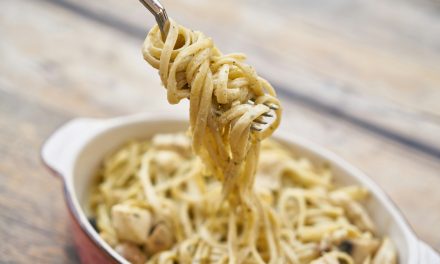
Tuna noodle casserole is a quintessential comfort food that has graced dining tables across America for decades. This dish, characterized by its creamy texture and savory flavor, combines tender noodles, flaky tuna, and a medley of vegetables, all enveloped in a rich sauce. Originating in the mid-20th century, it became a staple in many households due to its simplicity and the convenience of using pantry staples. The casserole not only provides a hearty meal but also evokes nostalgia for many who grew up enjoying this dish.
The beauty of tuna noodle casserole lies in its versatility. It can be easily adapted to suit various dietary preferences and ingredient availability. Whether you are a busy parent looking for a quick weeknight dinner or someone seeking a comforting meal on a chilly evening, this casserole is an excellent choice. With minimal preparation and cooking time, it allows for creativity while ensuring a satisfying dining experience.
Why Choose Pantry Staples for This Recipe
Utilizing pantry staples for tuna noodle casserole is not only practical but also economical. Ingredients such as canned tuna, dried pasta, and frozen vegetables are often readily available in most households, making this dish an accessible option for many. By relying on these staples, you can whip up a delicious meal without the need for extensive grocery shopping or elaborate preparations.
Moreover, pantry staples often have a long shelf life, allowing you to keep them on hand for spontaneous cooking. This aspect is particularly beneficial for those with busy lifestyles or limited access to fresh produce. By incorporating these ingredients into your cooking repertoire, you can create wholesome meals that are both nutritious and satisfying without breaking the bank.
Essential Ingredients for the Casserole

To create a classic tuna noodle casserole, several key ingredients are essential. The foundation of this dish typically includes:
1. **Canned Tuna**: The star of the dish, canned tuna provides protein and flavor. Opt for chunk light or solid white tuna packed in water or oil based on your preference.
2. **Noodles**: Egg noodles are the traditional choice due to their ability to hold sauce well, but other pasta varieties can also be used.
3. **Creamy Sauce**: A combination of cream of mushroom soup and milk forms the base of the sauce, providing richness and moisture.
4. **Vegetables**: Frozen peas or mixed vegetables add color and nutrition, enhancing the overall flavor profile.
5. **Cheese**: Shredded cheddar or mozzarella cheese can be incorporated for added creaminess and flavor.
6. **Seasonings**: Salt, pepper, garlic powder, and onion powder elevate the taste of the casserole.
These ingredients come together to create a harmonious blend of flavors and textures that define this beloved dish.
Step-by-Step Preparation Guide

Preparing tuna noodle casserole is straightforward and can be accomplished in just a few steps. Begin by preheating your oven to 350°F (175°C). While the oven heats up, cook your chosen noodles according to package instructions until al dente. Drain and set aside.
In a large mixing bowl, combine the drained canned tuna, cream of mushroom soup, milk, and any desired seasonings. Stir in the cooked noodles and frozen vegetables until everything is evenly coated with the sauce. Transfer this mixture into a greased baking dish, spreading it out evenly.
Finally, sprinkle shredded cheese on top for that irresistible cheesy crust. Cover the dish with aluminum foil and bake for approximately 25 minutes. Remove the foil and bake for an additional 10-15 minutes until the cheese is bubbly and golden brown. Allow it to cool slightly before serving.
Tips for Using Canned Tuna Effectively
When using canned tuna in your casserole, there are several tips to ensure optimal flavor and texture. First, always choose high-quality tuna; brands that use sustainable fishing practices often yield better taste and texture. Drain the tuna thoroughly to avoid excess moisture in your casserole, which can lead to a soggy consistency.
Consider enhancing the flavor of the tuna by adding a splash of lemon juice or a dash of hot sauce to the mixture before baking. This addition can brighten the overall taste profile of the dish. Additionally, flaking the tuna into smaller pieces allows it to distribute more evenly throughout the casserole, ensuring every bite is flavorful.
Selecting the Best Noodles for the Dish
The choice of noodles plays a crucial role in the overall success of your tuna noodle casserole. While egg noodles are traditional due to their soft texture and ability to absorb sauce, other pasta shapes can also work well. For instance, rotini or penne can add an interesting twist while providing additional surface area for sauce adherence.
When selecting noodles, consider their cooking time; you want them to be slightly undercooked before mixing them into the casserole as they will continue to cook while baking. This technique prevents overcooked pasta that can become mushy in texture. Always opt for whole grain or gluten-free varieties if dietary restrictions are a concern.
How to Make a Creamy Sauce from Pantry Items
Creating a creamy sauce from pantry items is simple and requires minimal effort. The base typically consists of cream of mushroom soup mixed with milk or broth to achieve the desired consistency. For those looking to enhance flavor further, consider adding sautéed onions or garlic to the mixture.
To make your sauce even creamier, you can incorporate sour cream or Greek yogurt into the blend. These ingredients not only add richness but also contribute tanginess that complements the tuna beautifully. For an extra layer of flavor, consider adding grated Parmesan cheese or nutritional yeast for a vegan alternative.
Adding Crunch with Simple Toppings
To elevate your tuna noodle casserole further, consider adding crunchy toppings before baking. Classic options include crushed potato chips or breadcrumbs mixed with melted butter for added richness and texture. These toppings create a delightful contrast against the creamy filling.
For a healthier alternative, consider using crushed nuts such as almonds or walnuts mixed with herbs for added flavor without compromising on crunchiness. Additionally, panko breadcrumbs can provide an airy texture that enhances the overall experience of each bite.
Baking and Serving Suggestions
Baking your tuna noodle casserole requires attention to temperature and timing to achieve optimal results. Preheating your oven ensures even cooking throughout the dish. Covering with foil during the initial baking phase helps retain moisture while allowing the cheese to melt perfectly.
Once baked, allow the casserole to rest for about 10 minutes before serving; this resting period allows flavors to meld together while making it easier to portion out servings. Serve alongside a fresh green salad or steamed vegetables for a balanced meal that satisfies both hunger and nutritional needs.
Variations to Customize Your Tuna Noodle Casserole
One of the most appealing aspects of tuna noodle casserole is its adaptability; numerous variations exist to cater to different tastes and dietary preferences. For instance, you can substitute canned salmon or chicken for tuna if desired. Additionally, incorporating different vegetables such as bell peppers or spinach can enhance both flavor and nutrition.
For those seeking a spicy kick, consider adding diced jalapeños or crushed red pepper flakes into the mix. Alternatively, experimenting with different cheeses such as pepper jack or feta can introduce new flavor dimensions that keep this classic dish exciting.
Storing and Reheating Leftovers
Proper storage of leftover tuna noodle casserole is essential for maintaining its quality and safety. Allow any remaining casserole to cool completely before transferring it into an airtight container; this prevents moisture buildup that could lead to spoilage.
When reheating leftovers, consider using an oven rather than a microwave for best results; this method helps retain texture while ensuring even heating throughout. Cover with foil during reheating to prevent drying out and remove it during the last few minutes to allow any cheese topping to crisp up again.
In summary, tuna noodle casserole is a timeless dish that combines convenience with comfort food appeal. Utilizing pantry staples makes it accessible while allowing room for creativity through various ingredient substitutions and enhancements. With straightforward preparation steps and numerous customization options available, this casserole remains a beloved choice for families seeking hearty meals that evoke nostalgia while satisfying modern tastes.
FAQs
What ingredients are typically used in a tuna noodle casserole?
A typical tuna noodle casserole includes canned tuna, egg noodles, cream of mushroom soup, milk, and various seasonings. Additional ingredients may include peas, cheese, and breadcrumbs for topping, all of which are often pantry staples.
How long does it take to prepare and cook a tuna noodle casserole?
The preparation time for a tuna noodle casserole is usually around 15 minutes, with an additional cooking time of about 25 to 30 minutes in the oven. Overall, you can expect the entire process to take about 45 minutes from start to finish.
Can I make tuna noodle casserole ahead of time?
Yes, you can prepare tuna noodle casserole ahead of time. You can assemble the casserole and store it in the refrigerator for up to 24 hours before baking. Alternatively, you can freeze it before baking for up to 2 months; just be sure to thaw it in the refrigerator before cooking.
Is tuna noodle casserole a healthy meal option?
Tuna noodle casserole can be a healthy meal option, especially if you use whole grain noodles and low-fat soup or milk. Tuna is a good source of protein and omega-3 fatty acids, but the overall healthiness will depend on the specific ingredients and portion sizes used.
What are some variations of tuna noodle casserole?
There are many variations of tuna noodle casserole. Some popular options include adding vegetables like broccoli or bell peppers, using different types of cheese, or substituting the cream of mushroom soup with other soups like cream of chicken. You can also experiment with different pasta shapes or add spices for extra flavor.