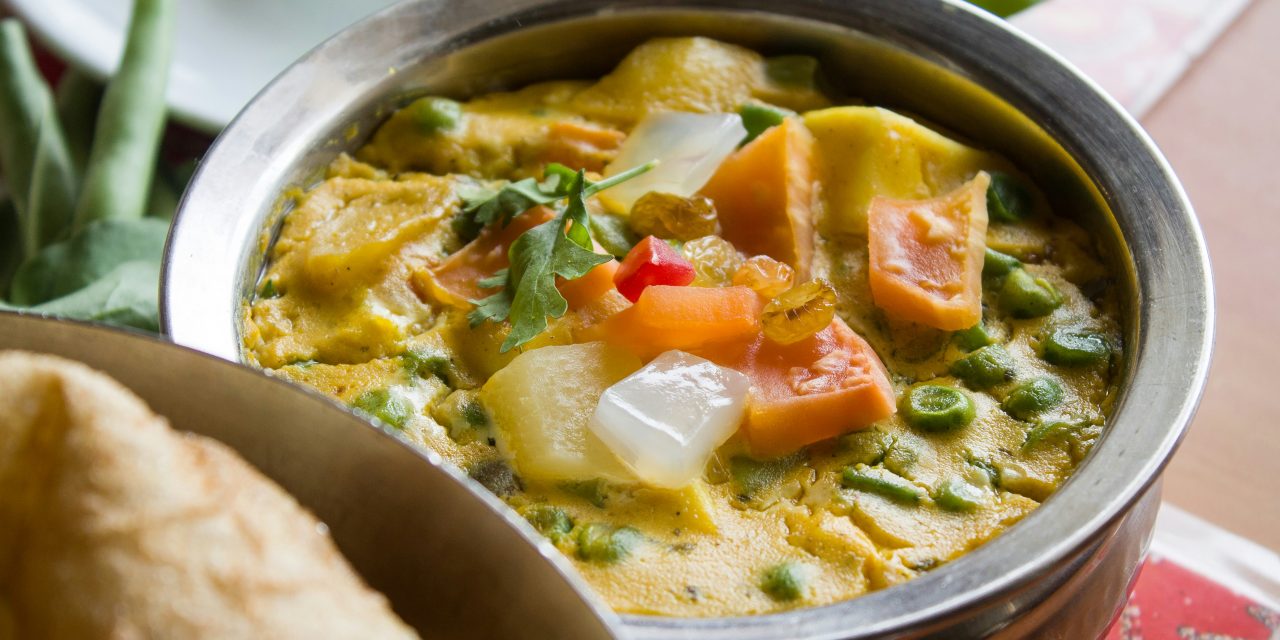
Vegetable curry is a delightful dish that embodies the essence of comfort food while offering a plethora of health benefits. The combination of chickpeas and coconut milk creates a rich, creamy texture that elevates the dish to new culinary heights. This easy vegetable curry is not only simple to prepare but also versatile, allowing for a variety of vegetables and spices to be incorporated based on personal preferences. The harmonious blend of flavors and textures makes it an ideal meal for both casual weeknight dinners and special occasions.
Chickpeas, also known as garbanzo beans, are a staple in many cuisines around the world. Their nutty flavor and firm texture make them an excellent protein source, particularly for those following plant-based diets. Coconut milk, on the other hand, adds a luscious creaminess that complements the spices beautifully. Together, these ingredients create a dish that is not only satisfying but also nourishing. This article will guide you through the process of making an easy vegetable curry with chickpeas and coconut milk, highlighting essential ingredients, preparation tips, cooking instructions, and serving suggestions.
Health Benefits of Chickpeas and Coconut Milk
Chickpeas are a nutritional powerhouse, packed with essential vitamins and minerals. They are an excellent source of plant-based protein, providing approximately 15 grams per cooked cup. This makes them an ideal choice for vegetarians and vegans seeking to meet their protein needs. Additionally, chickpeas are rich in dietary fiber, which aids in digestion and helps maintain healthy cholesterol levels. The presence of folate, iron, and magnesium further enhances their health benefits, supporting overall well-being.
Coconut milk, derived from the flesh of mature coconuts, is not only delicious but also offers several health advantages. It contains medium-chain triglycerides (MCTs), which are known to boost metabolism and promote weight loss. Furthermore, coconut milk is rich in lauric acid, which possesses antimicrobial properties that can help combat infections. While it is higher in calories than other plant-based milk alternatives, its creamy texture and flavor make it a worthy addition to various dishes, including curries.
Essential Ingredients for the Curry

To create a flavorful vegetable curry with chickpeas and coconut milk, several key ingredients are essential. The base typically includes onions, garlic, and ginger, which provide aromatic depth to the dish. Fresh vegetables such as bell peppers, carrots, spinach, and zucchini can be used to add color and nutrition. The star ingredient, chickpeas, can be used canned or cooked from dried beans for added convenience.
Coconut milk serves as the creamy foundation of the curry, while vegetable broth can be added for extra flavor. A variety of spices is crucial for achieving the authentic taste of curry; common choices include cumin, coriander, turmeric, and garam masala. Fresh herbs like cilantro or parsley can be used as a garnish to enhance the presentation and flavor profile.
Preparing the Vegetables: Tips and Tricks

Proper preparation of vegetables is vital for achieving the best results in your curry. Start by washing all vegetables thoroughly to remove any dirt or pesticides. When chopping vegetables, aim for uniform sizes to ensure even cooking. For instance, dice onions finely while cutting bell peppers and carrots into bite-sized pieces.
To enhance the flavors of your vegetables, consider sautéing them in oil before adding them to the curry base. This technique caramelizes their natural sugars and intensifies their taste. Additionally, using seasonal vegetables can elevate the dish’s freshness and nutritional value. For example, incorporating seasonal greens like kale or Swiss chard can provide added vitamins and minerals.
Step-by-Step Cooking Instructions
1. Begin by heating a tablespoon of oil in a large pot over medium heat. Add finely chopped onions and sauté until they become translucent.
2. Incorporate minced garlic and grated ginger into the pot, stirring for about 1-2 minutes until fragrant.
3. Add your choice of chopped vegetables (e.g., bell peppers, carrots) to the pot and cook for an additional 5-7 minutes until they soften slightly.
4. Stir in the spices—cumin, coriander, turmeric, and garam masala—allowing them to toast for about 1 minute to release their essential oils.
5. Pour in the coconut milk and vegetable broth, followed by rinsed chickpeas. Stir well to combine all ingredients.
6. Bring the mixture to a gentle simmer and let it cook for 15-20 minutes until the vegetables are tender.
7. Finally, add fresh spinach or other leafy greens just before serving to retain their vibrant color and nutrients.
Choosing the Right Spices for Flavor
The selection of spices is crucial in crafting a flavorful vegetable curry. Each spice contributes its unique aroma and taste profile to the dish. Cumin seeds provide an earthy flavor that forms the backbone of many curries. Coriander adds a citrusy note that brightens the overall taste. Turmeric not only imparts a beautiful golden hue but also offers anti-inflammatory properties.
Garam masala is a blend of spices that varies by region but typically includes cardamom, cloves, cinnamon, and nutmeg. This spice mix adds warmth and complexity to the curry. For those who enjoy heat, consider adding red chili powder or fresh green chilies according to your spice tolerance. Experimenting with different spice combinations can lead to exciting variations in flavor.
How to Achieve the Perfect Curry Consistency
Achieving the ideal consistency for your vegetable curry is essential for a satisfying dining experience. A well-balanced curry should be creamy yet not overly thick or soupy. To control the consistency, adjust the amount of coconut milk and vegetable broth according to your preference.
If you find your curry too thick, simply add more vegetable broth or water until you reach your desired consistency. Conversely, if it’s too thin, allow it to simmer uncovered for a few additional minutes to reduce excess liquid. Stirring occasionally will help prevent sticking at the bottom of the pot.
Serving Suggestions and Side Dishes
Serving your vegetable curry can be as creative as preparing it. Traditionally, curries are served with steamed basmati rice or fluffy naan bread that complements the rich flavors of the dish. For a healthier option, consider pairing it with quinoa or cauliflower rice for added nutrition.
To enhance your meal further, consider offering side dishes such as cucumber raita—a yogurt-based condiment that cools down spicy flavors—or a fresh salad with citrus dressing for brightness. Garnishing your curry with fresh cilantro or lime wedges adds an appealing touch while enhancing flavor.
Variations and Customizations for Dietary Preferences
One of the most appealing aspects of vegetable curry is its adaptability to various dietary preferences. For those following gluten-free diets, ensure that all ingredients used are certified gluten-free. You can also substitute chickpeas with lentils or tofu for different protein sources.
Vegetarians can enjoy this dish as is; however, vegans should ensure that any additional toppings or sides align with their dietary choices. For those seeking lower-carb options, consider using spiralized zucchini or eggplant instead of traditional starchy vegetables.
Storing and Reheating Leftover Curry
Leftover vegetable curry can be stored in an airtight container in the refrigerator for up to three days or frozen for longer preservation—up to three months without compromising flavor or texture. When reheating refrigerated curry, gently warm it on the stovetop over low heat while stirring occasionally to prevent sticking.
For frozen leftovers, transfer them to the refrigerator overnight to thaw before reheating on low heat until warmed through. Adding a splash of coconut milk or broth during reheating can help restore creaminess if needed.
Why This Curry is a Must-Try Recipe
In conclusion, easy vegetable curry with chickpeas and coconut milk is not only a delicious meal but also a nutritious option that caters to various dietary needs. Its simplicity in preparation combined with its rich flavors makes it an ideal choice for both novice cooks and seasoned chefs alike. The health benefits derived from chickpeas and coconut milk further enhance its appeal as a wholesome dish.
This recipe encourages creativity through variations in vegetables and spices while providing comfort through its creamy texture and satisfying taste. Whether enjoyed on its own or paired with complementary sides, this vegetable curry is sure to become a beloved staple in any kitchen—making it a must-try recipe for anyone seeking flavorful plant-based meals that nourish both body and soul.
FAQs
What ingredients are needed to make Easy Vegetable Curry with Chickpeas and Coconut Milk?
The main ingredients for Easy Vegetable Curry with Chickpeas and Coconut Milk typically include chickpeas, coconut milk, a variety of vegetables (such as bell peppers, carrots, and spinach), onion, garlic, ginger, curry powder, and vegetable broth. Optional ingredients may include fresh herbs like cilantro and spices such as cumin or turmeric for added flavor.
How long does it take to prepare and cook the Easy Vegetable Curry?
The preparation time for Easy Vegetable Curry is usually around 10-15 minutes, while the cooking time can take about 20-30 minutes. Overall, you can expect the entire process to take approximately 30-45 minutes from start to finish.
Can I customize the vegetables used in the curry?
Yes, you can customize the vegetables in the Easy Vegetable Curry according to your preferences or what you have on hand. Common substitutions include zucchini, cauliflower, peas, or any seasonal vegetables. Just ensure that the cooking times are similar for the vegetables you choose.
Is this vegetable curry suitable for vegans and vegetarians?
Yes, Easy Vegetable Curry with Chickpeas and Coconut Milk is suitable for both vegans and vegetarians. It is made entirely from plant-based ingredients, making it a great option for those following a vegan or vegetarian diet.
How can I store leftovers of the vegetable curry?
Leftover Easy Vegetable Curry can be stored in an airtight container in the refrigerator for up to 3-4 days. It can also be frozen for longer storage, typically up to 2-3 months. When reheating, you may need to add a splash of water or coconut milk to restore the desired consistency.