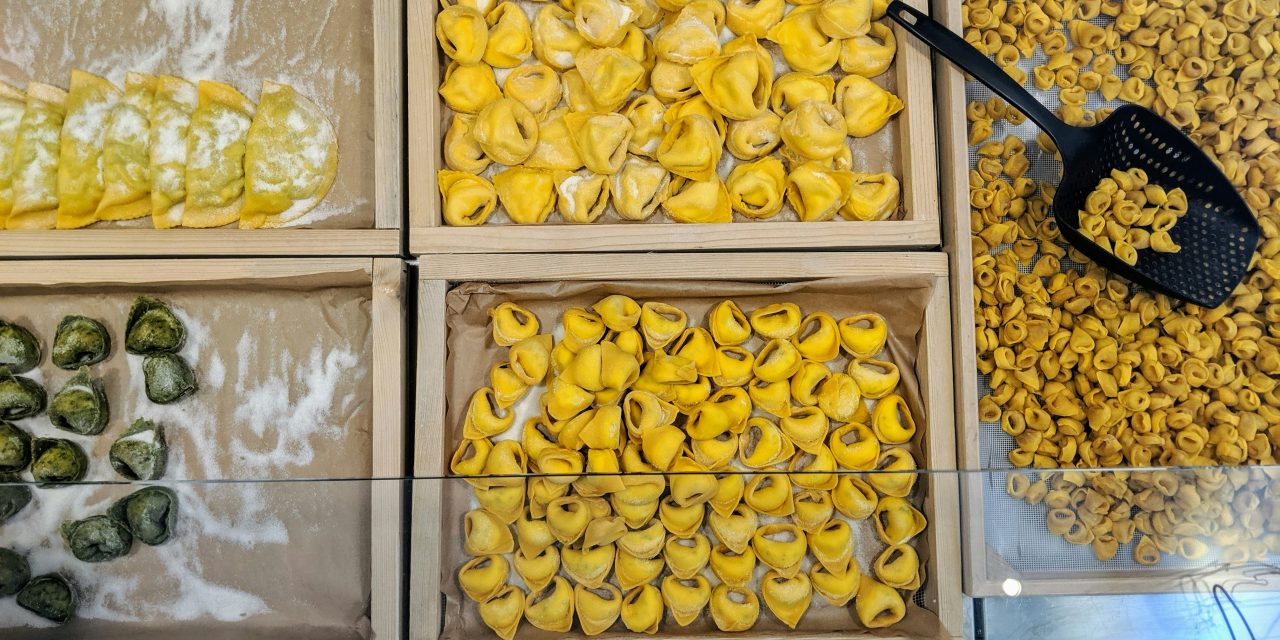
Fresh pasta is a culinary delight that distinguishes itself from its dried counterpart through its unique texture, flavor, and preparation method. Unlike dried pasta, which is typically made from semolina flour and water, fresh pasta is crafted using a combination of flour, eggs, and sometimes water, resulting in a tender and rich product. The use of eggs not only enhances the nutritional profile but also contributes to the pasta’s vibrant yellow hue and silky texture. This artisanal approach allows for a variety of shapes and sizes, from delicate ravioli to robust fettuccine, each offering a distinct mouthfeel and taste experience.
The production of fresh pasta involves a meticulous process that includes mixing, kneading, resting, and rolling the dough. This labor-intensive method allows for the development of gluten, which provides elasticity and structure. Fresh pasta cooks more quickly than dried varieties, typically requiring only 2 to 4 minutes in boiling water. This rapid cooking time preserves the pasta’s inherent flavors and textures, making it an ideal choice for gourmet dishes. Additionally, fresh pasta can be infused with various ingredients such as herbs, vegetables, or spices, further enhancing its culinary versatility.
When considering the shelf life of fresh pasta, it’s essential to understand how it compares to other perishable foods. For instance, cooked ground beef has its own specific storage guidelines that can help inform how long you can keep fresh pasta before it spoils. To learn more about the shelf life of cooked ground beef and its proper storage methods, you can read this informative article here. This knowledge can be beneficial in managing your kitchen inventory and ensuring food safety.
Typical Shelf Life of Fresh Pasta: How Long Does It Last?
The shelf life of fresh pasta is significantly shorter than that of dried pasta due to its higher moisture content and lack of preservatives. Typically, fresh pasta can last anywhere from 2 to 4 days when stored properly in the refrigerator. However, this timeframe can vary based on several factors including the ingredients used, the method of preparation, and storage conditions. For instance, homemade fresh pasta may have a shorter shelf life compared to commercially produced varieties that may contain preservatives.
It is essential to note that while fresh pasta can be consumed within this timeframe, its quality may diminish over time. The texture may become less tender, and flavors may fade. Therefore, it is advisable to consume fresh pasta as soon as possible after preparation for optimal taste and quality. If you find yourself with excess fresh pasta that you cannot use within this period, freezing is an excellent option to extend its shelf life significantly.
Proper Storage Techniques for Fresh Pasta

To maximize the freshness and longevity of fresh pasta, proper storage techniques are crucial. When storing fresh pasta in the refrigerator, it should be placed in an airtight container or wrapped tightly in plastic wrap to prevent exposure to air and moisture. This helps to minimize the risk of spoilage and maintains the pasta’s texture. It is also advisable to store fresh pasta on a flat surface or in a single layer to prevent sticking.
If you have made homemade fresh pasta, allowing it to dry slightly before storage can be beneficial. A brief drying period of about 30 minutes can help form a protective crust on the surface of the pasta, reducing moisture retention during storage. However, avoid drying it completely as this will alter its intended texture. For longer-term storage, consider freezing the pasta as discussed in subsequent sections.
The Role of Refrigeration in Extending Fresh Pasta Freshness

Refrigeration plays a pivotal role in extending the freshness of fresh pasta by slowing down the growth of bacteria and mold that can lead to spoilage. The ideal temperature for storing fresh pasta is between 32°F and 40°F (0°C to 4°C). At these temperatures, enzymatic reactions that contribute to spoilage are significantly slowed down, allowing the pasta to maintain its quality for a longer duration.
When refrigerating fresh pasta, it is essential to ensure that it is stored in a clean environment free from contaminants. Avoid placing fresh pasta near strong-smelling foods as it can absorb odors that may affect its flavor. Additionally, regularly check the temperature of your refrigerator to ensure it remains within the optimal range for food preservation.
When considering the shelf life of fresh pasta, it’s important to understand how it compares to other food items. For instance, canned foods have a significantly longer shelf life, which can be quite useful for meal planning. If you’re curious about how long various canned foods last, you might find this article on the shelf life of canned foods insightful. It provides a comprehensive overview that can help you make informed decisions about your pantry staples. You can read more about it here.
Can You Freeze Fresh Pasta? Tips for Freezing and Thawing
Freezing fresh pasta is an effective method for extending its shelf life beyond the typical refrigeration period. When properly frozen, fresh pasta can last for several months without significant loss of quality. To freeze fresh pasta, begin by arranging it in a single layer on a baking sheet lined with parchment paper. This prevents the pieces from sticking together during the freezing process. Once frozen solid (usually after about 1-2 hours), transfer the pasta into airtight freezer bags or containers.
When it comes to thawing frozen fresh pasta, it is best to do so gradually in the refrigerator overnight before cooking. This method helps maintain the texture and prevents mushiness. Alternatively, you can cook frozen fresh pasta directly without thawing; simply add an additional minute or two to the cooking time. This approach ensures that you can enjoy your favorite dishes without compromising on flavor or texture.
Signs Your Fresh Pasta Has Gone Bad
Recognizing signs of spoilage in fresh pasta is essential for food safety and quality assurance. Common indicators that fresh pasta has gone bad include an off-putting odor, discoloration, or visible mold growth. If you notice any sour or rancid smells emanating from the packaging or the pasta itself, it is best to discard it immediately.
Additionally, if the texture becomes excessively sticky or slimy, this may indicate bacterial growth or spoilage due to moisture retention. Fresh pasta should have a firm yet pliable texture; any significant changes in consistency warrant caution. Always trust your senses—when in doubt about the freshness of your pasta, it is safer to err on the side of caution and dispose of it.
How to Keep Fresh Pasta Tasty: Avoiding Dryness and Stickiness
To maintain the delightful taste and texture of fresh pasta, it is crucial to avoid common pitfalls such as dryness and stickiness during storage and cooking. One effective strategy is to lightly dust the surface of fresh pasta with flour before storing it; this helps absorb excess moisture and prevents clumping. However, be cautious not to over-flour as this can alter the intended flavor profile.
During cooking, ensure that you use plenty of salted water—approximately 4-6 quarts per pound of pasta—to create an optimal environment for even cooking. Stirring gently during the initial cooking phase helps prevent sticking while allowing for proper hydration of each piece. Once cooked al dente, promptly drain the pasta and toss it with a small amount of olive oil or sauce to prevent further sticking.
Using Airtight Containers and Vacuum Sealing for Fresh Pasta
Utilizing airtight containers or vacuum sealing techniques can significantly enhance the preservation of fresh pasta by minimizing exposure to air and moisture. Airtight containers create a sealed environment that prevents oxidation and moisture absorption, which are key factors in spoilage. When using containers, ensure they are clean and dry before placing the pasta inside.
Vacuum sealing offers an even more effective solution by removing air from the packaging entirely. This method not only extends shelf life but also preserves flavor and texture more effectively than traditional storage methods. Vacuum-sealed bags can be easily labeled with dates for better tracking of freshness.
Impact of Ingredients on Fresh Pasta Shelf Life
The ingredients used in making fresh pasta can greatly influence its shelf life and overall quality. For instance, traditional recipes that include eggs tend to have a shorter shelf life compared to egg-free varieties due to increased moisture content and potential for bacterial growth. Additionally, incorporating ingredients such as spinach or beet puree can introduce additional moisture that may affect preservation.
Commercially produced fresh pastas often contain preservatives or stabilizers that extend their shelf life without compromising quality significantly. When making homemade versions, consider using high-quality flour with lower moisture content and ensuring proper kneading techniques to create a firmer dough that may last longer during storage.
Best Practices for Cooking and Serving Fresh Pasta Safely
Cooking fresh pasta safely involves adhering to best practices that ensure both flavor integrity and food safety. Begin by bringing a large pot of salted water to a rolling boil before adding the pasta; this ensures even cooking and prevents clumping. Stir gently during cooking to promote even hydration while monitoring closely for doneness—fresh pasta cooks quickly.
Once cooked al dente, drain promptly using a colander but avoid rinsing as this washes away starches that help sauces adhere better. Serve immediately with your choice of sauce or toppings while ensuring proper food handling practices are followed—keep cooked pasta at safe temperatures above 140°F (60°C) if not served right away.
Summary: Key Tips to Maximize Fresh Pasta Shelf Life and Flavor
In summary, understanding how to properly store and handle fresh pasta is essential for maximizing its shelf life and flavor profile. Key strategies include utilizing airtight containers or vacuum sealing techniques for optimal preservation while refrigerating at appropriate temperatures between 32°F and 40°F (0°C to 4°C). Freezing offers an excellent alternative for extending shelf life beyond refrigeration limits.
Recognizing signs of spoilage such as off odors or discoloration is crucial for food safety while employing best practices during cooking ensures delicious results every time. By following these guidelines, you can enjoy the delightful experience of fresh pasta while minimizing waste and maximizing flavor in your culinary endeavors.
FAQs
What is the typical shelf life of fresh pasta?
Fresh pasta typically has a shelf life of 2 to 3 days when stored in the refrigerator. If properly sealed and stored, it can last up to a week, but it’s best consumed as soon as possible for optimal taste and texture.
Can fresh pasta be frozen for longer storage?
Yes, fresh pasta can be frozen to extend its shelf life. When properly wrapped in plastic wrap or placed in an airtight container, it can last for up to 2 to 3 months in the freezer without significant loss of quality.
How can you tell if fresh pasta has gone bad?
Signs that fresh pasta has gone bad include an off smell, discoloration, or a slimy texture. If you notice any of these signs, it’s best to discard the pasta to avoid foodborne illness.
Does the type of fresh pasta affect its shelf life?
Yes, the type of fresh pasta can affect its shelf life. For example, stuffed pasta like ravioli may have a shorter shelf life compared to plain pasta due to the filling, which can spoil more quickly.
What is the best way to store fresh pasta?
The best way to store fresh pasta is to keep it in an airtight container in the refrigerator. If you plan to freeze it, ensure it is well-wrapped to prevent freezer burn and maintain its quality.