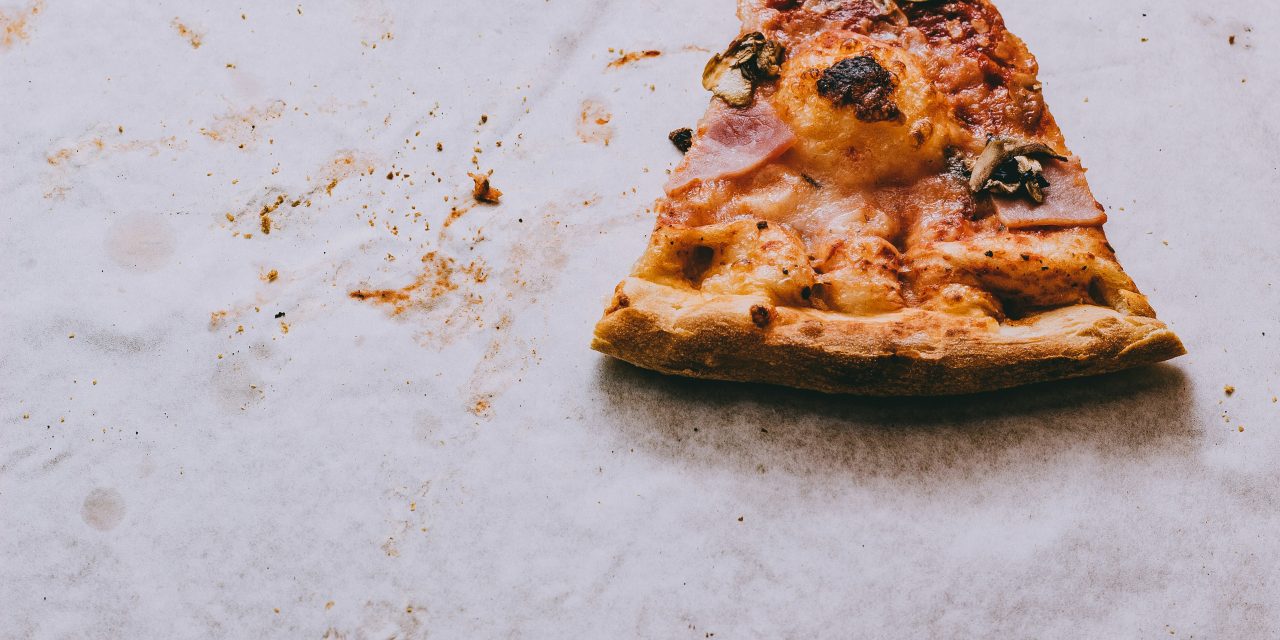
Leftover pizza is a beloved staple in many households, often serving as a convenient meal option for busy individuals and families. However, understanding the shelf life of leftover pizza is crucial for ensuring food safety and maintaining quality. Generally, leftover pizza can be safely consumed within three to four days when stored properly in the refrigerator. Beyond this timeframe, the risk of foodborne illnesses increases significantly due to bacterial growth, which can lead to gastrointestinal distress and other health complications.
The shelf life of leftover pizza is influenced by various factors, including the ingredients used, storage conditions, and the initial preparation method. For instance, pizzas topped with perishable ingredients such as meats and dairy products may spoil faster than those with vegetables or less perishable toppings. Therefore, it is essential to be aware of these factors to make informed decisions about consuming leftover pizza.
Factors Affecting Pizza Longevity in the Fridge
Several factors play a pivotal role in determining how long leftover pizza remains safe to eat. One of the primary considerations is the temperature at which the pizza is stored. Bacteria thrive in temperatures between 40°F and 140°F (4°C and 60°C), commonly referred to as the “danger zone.” Therefore, it is imperative to refrigerate leftover pizza promptly after consumption to minimize bacterial growth.
Another significant factor is the type of crust used. Thin crust pizzas tend to dry out more quickly than their thick crust counterparts, which can affect their overall quality and palatability over time. Additionally, the toppings on the pizza can influence its longevity; for example, pizzas with high-moisture toppings like fresh tomatoes or mushrooms may spoil faster than those with drier toppings such as pepperoni or olives.
Ideal Refrigerator Temperature for Storing Pizza

To maximize the shelf life of leftover pizza, it is essential to maintain an optimal refrigerator temperature. The ideal temperature for storing food in a refrigerator is at or below 40°F (4°C). This temperature inhibits bacterial growth and helps preserve the quality of food items. It is advisable to use a refrigerator thermometer to ensure that your appliance is functioning correctly and maintaining the appropriate temperature.
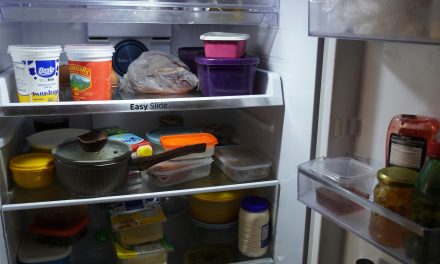
In addition to keeping the refrigerator at the right temperature, it is also important to avoid overcrowding the appliance. Overcrowding can restrict airflow, leading to uneven cooling and potentially allowing certain areas to reach temperatures conducive to bacterial growth. By ensuring proper airflow and maintaining an optimal temperature, you can significantly extend the shelf life of your leftover pizza.
How to Properly Store Leftover Pizza

Proper storage techniques are vital for preserving the quality and safety of leftover pizza. The first step is to allow the pizza to cool down to room temperature before placing it in the refrigerator. This prevents condensation from forming inside the storage container, which can create a moist environment conducive to bacterial growth.
Once cooled, leftover pizza should be wrapped tightly in plastic wrap or aluminum foil or placed in an airtight container. This helps prevent exposure to air, which can lead to freezer burn or drying out of the crust. For those who prefer individual slices, consider using parchment paper between slices before wrapping them together; this allows for easy separation when reheating.
Signs Your Leftover Pizza Has Gone Bad
Identifying signs of spoilage in leftover pizza is crucial for preventing foodborne illnesses. One of the most apparent indicators is a change in appearance; if you notice mold growth or discoloration on the crust or toppings, it is best to discard the pizza immediately. Additionally, an off-putting odor can signal spoilage; if the pizza emits a sour or rancid smell, it should not be consumed.
Texture changes can also indicate that leftover pizza has gone bad. If the crust feels excessively soggy or slimy, this may be a sign of bacterial growth. Furthermore, if you notice any unusual flavors when tasting a small piece, it is advisable to err on the side of caution and dispose of the pizza.
Safe Time Limits for Eating Leftover Pizza
To ensure food safety, it is essential to adhere to recommended time limits for consuming leftover pizza. As previously mentioned, leftover pizza can be safely stored in the refrigerator for three to four days. If you find yourself unable to consume it within this timeframe, consider freezing it for longer storage.
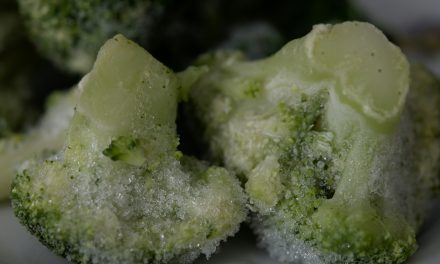
When freezing leftover pizza, it can last up to two months without significant loss of quality. However, it is important to note that while freezing can extend shelf life, it may alter the texture and flavor upon reheating. Always label your frozen pizza with the date it was stored to keep track of its freshness.
The type of crust on your pizza can significantly impact its shelf life. Thin crust pizzas typically have a shorter shelf life compared to thick crust varieties due to their lower moisture content and tendency to dry out more quickly. Thin crusts may become stale within a day or two if not stored properly, while thick crust pizzas can retain their quality for up to four days when refrigerated.
Moreover, thick crust pizzas often contain more dough and toppings, which can provide additional moisture that helps preserve freshness over time. However, regardless of crust type, proper storage techniques remain essential for maximizing shelf life and ensuring food safety.
Impact of Toppings on Pizza Storage Duration
The toppings on your pizza play a crucial role in determining how long it remains safe to eat. Pizzas topped with perishable ingredients such as meats (pepperoni, sausage) and dairy products (mozzarella cheese) tend to spoil faster than those with vegetables (bell peppers, onions) or non-perishable toppings (olives). For instance, a meat-laden pizza may only last three days in the refrigerator before becoming unsafe for consumption.
Conversely, pizzas adorned with vegetables may have a slightly longer shelf life due to their lower moisture content and reduced risk of bacterial growth. It is essential to consider these factors when deciding which types of pizzas are best suited for leftovers and how quickly they should be consumed.
Reheating Tips to Maintain Pizza Quality
Reheating leftover pizza requires careful attention to maintain its quality and flavor. One effective method is using an oven or toaster oven set at 375°F (190°C). Place the pizza slices directly on the oven rack or on a baking sheet lined with parchment paper for about 10-15 minutes until heated through and crispy.
Alternatively, you can use a skillet on medium heat for reheating individual slices. Covering the skillet with a lid helps trap steam and ensures even heating while preventing the crust from becoming overly dry. Avoid using a microwave for reheating as it tends to make the crust chewy rather than crispy.
Can You Freeze Leftover Pizza for Longer Storage?
Freezing leftover pizza is an excellent option for extending its shelf life beyond what refrigeration allows. When properly frozen, leftover pizza can last up to two months without significant degradation in quality. To freeze pizza effectively, wrap each slice tightly in plastic wrap or aluminum foil before placing them in an airtight freezer bag or container.
It is advisable to label each package with the date it was frozen so that you can keep track of its freshness. When ready to enjoy your frozen pizza, allow it to thaw in the refrigerator overnight before reheating using your preferred method.
Food Safety Tips to Avoid Pizza-Related Illnesses
To prevent foodborne illnesses associated with leftover pizza consumption, adhere to several key food safety practices:
1. **Prompt Refrigeration**: Refrigerate leftover pizza within two hours of serving.
2. **Temperature Control**: Ensure your refrigerator maintains a temperature at or below 40°F (4°C).
3. **Proper Storage**: Use airtight containers or wrap slices tightly in plastic wrap or foil.
4. **Visual Inspection**: Check for signs of spoilage such as mold or off odors before consuming.
5. **Reheating**: Reheat leftovers thoroughly until they reach an internal temperature of 165°F (74°C).
By following these guidelines, you can enjoy your leftover pizza safely while minimizing health risks associated with improper storage and handling.
In summary, understanding how long leftover pizza lasts involves considering various factors such as storage conditions, type of crust, and toppings used. Proper refrigeration techniques are essential for maximizing shelf life while recognizing signs of spoilage ensures safe consumption. By adhering to recommended time limits and employing effective reheating methods, you can enjoy delicious leftover pizza without compromising your health.
FAQs
How long can leftover pizza be stored in the fridge?
Leftover pizza can typically be stored in the fridge for 3 to 4 days. It’s important to keep it in an airtight container or tightly wrapped to maintain its freshness and prevent contamination.
What is the best way to store leftover pizza in the fridge?
The best way to store leftover pizza is to place it in an airtight container or wrap it tightly in aluminum foil or plastic wrap. This helps to keep moisture in and prevents the pizza from drying out or absorbing odors from other foods in the fridge.
Can leftover pizza be frozen for longer storage?
Yes, leftover pizza can be frozen for longer storage. When properly wrapped in plastic wrap or aluminum foil and placed in a freezer-safe container, it can last for up to 2 to 3 months in the freezer. Just be sure to label it with the date for reference.
How can you tell if leftover pizza has gone bad?
You can tell if leftover pizza has gone bad by checking for signs such as an off smell, mold growth, or a change in texture. If the pizza looks or smells unusual, it’s best to err on the side of caution and discard it.
Is it safe to reheat leftover pizza?
Yes, it is safe to reheat leftover pizza. Make sure to heat it to an internal temperature of 165°F (74°C) to ensure that any potential bacteria are killed. You can reheat it in the oven, microwave, or on a stovetop for the best results.