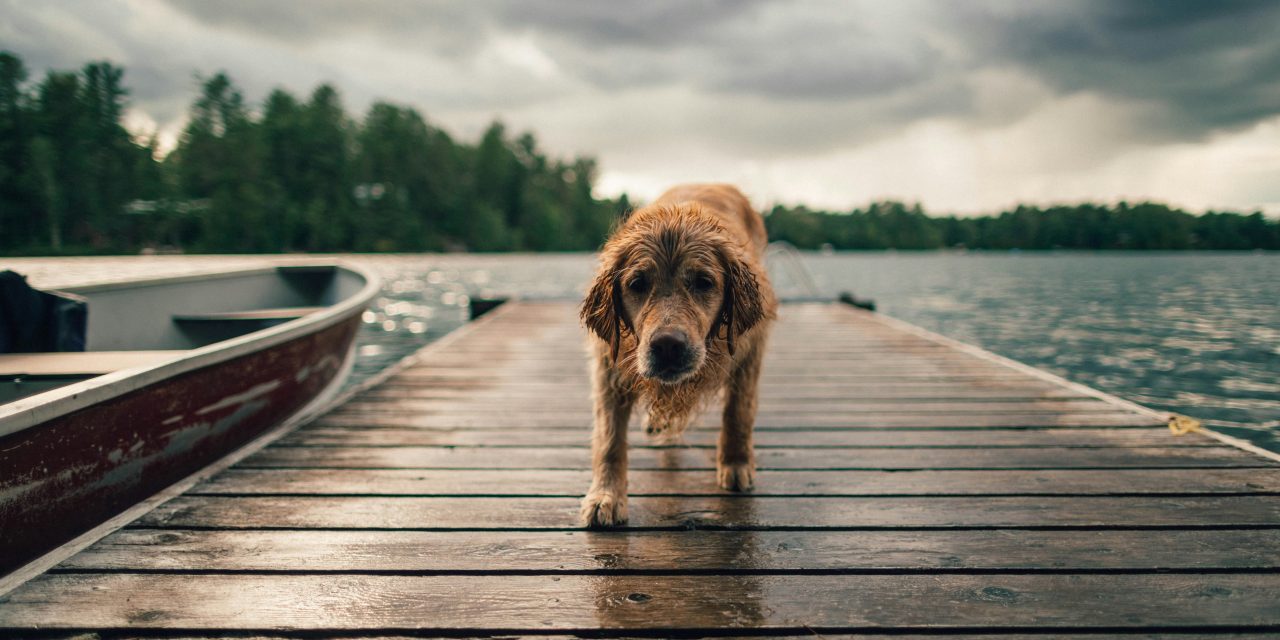
The phenomenon of thunderstorm phobia in dogs is a prevalent issue that affects a significant percentage of canines. Research indicates that approximately 30% to 40% of dogs exhibit signs of anxiety during thunderstorms. This fear can stem from various factors, including genetics, early life experiences, and the dog’s individual temperament. The auditory stimuli associated with thunderstorms, such as thunderclaps and heavy rain, can be distressing for dogs, particularly those with heightened sensitivity to sound. Additionally, the atmospheric changes preceding a storm, including shifts in barometric pressure and static electricity, may contribute to their unease.
Understanding the underlying causes of this fear is crucial for pet owners. Dogs may associate the loud noises and flashes of lightning with negative experiences, leading to anticipatory anxiety. Furthermore, certain breeds are more predisposed to anxiety disorders, making it essential for owners to recognize the signs of distress in their pets. Symptoms can range from mild restlessness to severe panic attacks, including excessive barking, hiding, or destructive behavior. By comprehending the reasons behind this fear, owners can better equip themselves to help their dogs cope during stormy weather.
Creating a Safe and Comfortable Space
Establishing a secure environment for dogs during thunderstorms is paramount in alleviating their anxiety. A designated safe space should be created within the home where the dog feels protected and comfortable. This area can be a quiet room or a cozy corner equipped with familiar items such as blankets, toys, and bedding. The goal is to create an oasis that minimizes external stimuli and provides a sense of security.
In addition to physical comfort, it is essential to ensure that the safe space is free from distractions. Closing windows and curtains can help muffle the sounds of thunder and reduce visual stimuli from lightning flashes. Utilizing soundproofing materials or heavy drapes can further enhance the calming atmosphere. Owners should also consider using pheromone diffusers or sprays designed to promote relaxation in dogs. These products release calming scents that can help soothe anxious pets during tumultuous weather conditions.
Using Calming Aids and Products

A variety of calming aids and products are available on the market specifically designed to assist dogs suffering from thunderstorm anxiety. These products range from natural remedies to more advanced therapeutic options. Herbal supplements containing ingredients such as chamomile, valerian root, or L-theanine can provide a gentle calming effect without the need for prescription medications. These natural alternatives are often well-tolerated by dogs and can be administered before a storm to help mitigate anxiety.
In addition to herbal remedies, there are also commercially available calming treats formulated with specific ingredients aimed at reducing stress in dogs. These treats can be given as a reward during storms or as part of a regular routine leading up to storm season. For more severe cases of anxiety, owners may consider consulting with their veterinarian about prescription medications such as selective serotonin reuptake inhibitors (SSRIs) or benzodiazepines. These medications can help regulate mood and alleviate anxiety symptoms when used appropriately under veterinary guidance.
Playing Soothing Music or White Noise

The auditory environment plays a significant role in a dog’s experience during thunderstorms. To counteract the frightening sounds of thunder, playing soothing music or white noise can be an effective strategy. Research has shown that certain types of music, particularly classical compositions with slow tempos and gentle melodies, can have a calming effect on dogs. This approach not only distracts them from the storm but also creates a serene atmosphere that promotes relaxation.
White noise machines or apps designed for pets can also be beneficial in masking the sounds of thunder. These devices produce consistent background noise that helps drown out sudden loud noises associated with storms. Owners should experiment with different types of music or white noise to determine what resonates best with their dog. Creating a playlist of calming sounds can be an enjoyable way to prepare for stormy weather while providing comfort to anxious pets.
Providing Physical Comfort and Reassurance
Physical comfort and reassurance are vital components in helping dogs cope with thunderstorm anxiety. During storms, many dogs seek closeness with their owners as a source of security. Providing gentle petting, cuddling, or simply sitting close to your dog can significantly reduce their stress levels. The presence of a trusted human companion can create a sense of safety that helps alleviate fear.
In addition to physical closeness, owners should remain calm and composed during storms. Dogs are highly attuned to their owner’s emotions and may pick up on anxiety or stress signals. By maintaining a relaxed demeanor and offering verbal reassurance, owners can help instill confidence in their pets. Simple phrases like “It’s okay” or “You’re safe” can provide comfort and reinforce a sense of security during turbulent weather.
Implementing Desensitization and Counter-Conditioning
Desensitization and counter-conditioning are behavioral modification techniques that can effectively reduce thunderstorm anxiety over time. Desensitization involves gradually exposing the dog to the sounds associated with thunderstorms at a low intensity while providing positive reinforcement for calm behavior. This process allows the dog to become accustomed to the noises without experiencing overwhelming fear.
Counter-conditioning complements desensitization by associating the previously feared stimuli with positive experiences. For example, playing recordings of thunder at a low volume while offering treats or engaging in playtime can help shift the dog’s emotional response from fear to enjoyment. Over time, this technique can help dogs develop a more positive association with thunderstorms, ultimately reducing their anxiety levels.
Utilizing Pressure Wraps and Anxiety Vests
Pressure wraps and anxiety vests have gained popularity as effective tools for managing canine anxiety during thunderstorms. These garments apply gentle pressure to the dog’s body, similar to swaddling an infant, which can have a calming effect on the nervous system. The consistent pressure helps release endorphins and promotes relaxation, making it easier for anxious dogs to cope with stressful situations.
When selecting a pressure wrap or anxiety vest, it is essential to choose one that fits properly and allows for freedom of movement. Many products are adjustable and come in various sizes to accommodate different breeds. Owners should introduce their dogs to the vest gradually, allowing them to associate it with positive experiences before using it during storms.
Avoiding Punishment and Negative Reactions
It is crucial for pet owners to avoid punitive measures when addressing thunderstorm anxiety in dogs. Punishment can exacerbate fear responses and lead to increased anxiety over time. Instead of scolding or reprimanding a dog for fearful behavior during storms, owners should focus on providing support and reassurance.
Negative reactions from owners can inadvertently reinforce anxious behavior in dogs. For instance, if an owner becomes anxious or frustrated during a storm, the dog may interpret this as a signal that there is something to fear. Instead, maintaining a calm demeanor and offering comfort will help create an environment conducive to relaxation.
Consulting Your Veterinarian About Medication
For some dogs, behavioral interventions alone may not suffice in managing thunderstorm anxiety effectively. In such cases, consulting with a veterinarian about medication options is advisable. Veterinarians can assess the severity of the dog’s anxiety and recommend appropriate pharmacological treatments tailored to individual needs.
Common medications prescribed for thunderstorm anxiety include selective serotonin reuptake inhibitors (SSRIs) such as fluoxetine or sertraline, which work by increasing serotonin levels in the brain to improve mood regulation. Benzodiazepines like diazepam may also be prescribed for short-term use during particularly stressful events like thunderstorms. It is essential for pet owners to follow their veterinarian’s guidance regarding dosage and administration while monitoring their dog’s response to medication.
Establishing a Consistent Routine During Storms
Creating a consistent routine during thunderstorms can provide dogs with a sense of predictability that helps alleviate anxiety. Establishing rituals such as designated playtime or quiet time before storms occur can help prepare dogs mentally for impending weather changes. Consistency fosters familiarity and comfort, allowing dogs to feel more secure during turbulent times.
Incorporating calming activities into this routine—such as engaging in interactive play or practicing obedience training—can further distract dogs from their fears while reinforcing positive behaviors. Owners should remain attentive to their dog’s needs during storms and adjust routines accordingly based on their individual responses.
Preparing in Advance for Thunderstorm Season
Preparation is key when it comes to managing thunderstorm anxiety in dogs effectively. As storm season approaches, owners should take proactive steps to ensure their pets are well-equipped to handle potential stressors. This includes creating a safe space, gathering calming aids, and establishing routines well before storms occur.
Additionally, pet owners should familiarize themselves with local weather patterns and forecasts so they can anticipate storms ahead of time. Having an emergency kit ready with essential supplies—such as food, water, medications, and comforting items—can further enhance preparedness during stormy weather.
In summary, understanding why dogs fear thunderstorms is crucial for effective management strategies that promote comfort and security during storms. By creating safe spaces, utilizing calming aids, providing physical reassurance, implementing behavioral modification techniques, consulting veterinarians about medication options, establishing consistent routines, and preparing in advance for storm season, pet owners can significantly reduce their dog’s anxiety levels during thunderstorms while fostering a supportive environment conducive to relaxation and well-being.
FAQs
What are some common signs that a dog is scared during a thunderstorm?
Common signs that a dog is scared during a thunderstorm include panting, pacing, whining, barking, hiding, trembling, and seeking comfort from their owner. Some dogs may also try to escape or show destructive behavior.
How can I create a safe space for my dog during a thunderstorm?
To create a safe space for your dog, choose a quiet area in your home where they feel secure, such as a cozy corner or a crate. Provide their favorite blankets, toys, and some calming music or white noise to help drown out the sound of thunder.
Are there any natural remedies to help calm a dog during thunderstorms?
Yes, natural remedies such as lavender essential oil, chamomile, or valerian root can help calm a dog during thunderstorms. Always consult with your veterinarian before using any new remedies to ensure they are safe for your pet.
Should I comfort my dog when they are scared during a storm?
Yes, comforting your dog can be beneficial. Offering gentle reassurance and staying close can help them feel more secure. However, avoid reinforcing fearful behavior by being overly anxious yourself; instead, remain calm and relaxed.
When should I consider seeking professional help for my dog’s storm anxiety?
If your dog’s anxiety during thunderstorms is severe, persistent, or leads to destructive behavior, it may be time to seek professional help. A veterinarian or a certified animal behaviorist can provide guidance on training techniques and potential medication options.