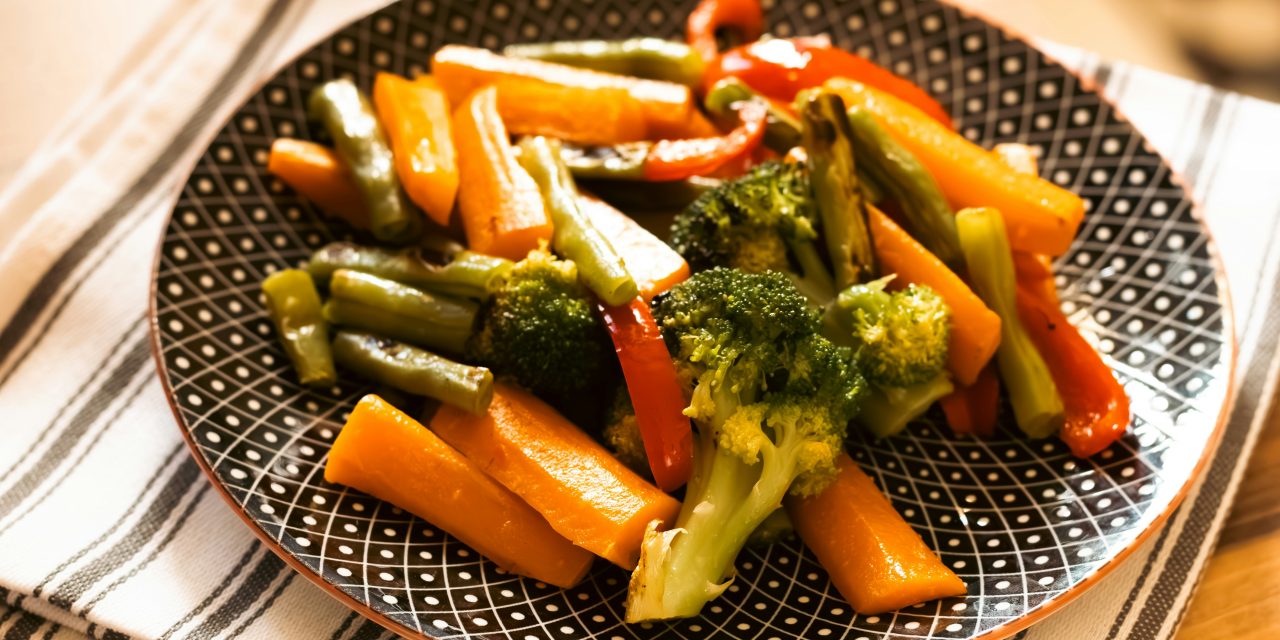
Frozen vegetables offer a plethora of advantages that make them an essential component of a balanced diet. One of the primary benefits is their nutritional value. Vegetables are typically frozen shortly after harvest, which helps to lock in vitamins and minerals. For instance, studies have shown that frozen peas can retain up to 90% of their vitamin C content, while fresh peas may lose significant amounts during transportation and storage. This rapid freezing process preserves not only the nutrients but also the vibrant colors and flavors of the vegetables.
Moreover, frozen vegetables provide convenience and versatility in meal preparation. They are pre-washed, pre-cut, and ready to cook, which significantly reduces preparation time. This is particularly beneficial for busy individuals or families who may struggle to incorporate fresh produce into their meals. Additionally, frozen vegetables have a longer shelf life compared to their fresh counterparts, allowing for less food waste and more flexibility in meal planning. With a variety of options available, from broccoli to bell peppers, frozen vegetables can easily complement any dish.
Choosing the Right Frozen Vegetables for Your Dish
Selecting the appropriate frozen vegetables for your culinary creations is crucial for achieving optimal flavor and texture. When choosing frozen vegetables, consider the dish you intend to prepare. For example, if you are making a stir-fry, opt for a mix that includes bell peppers, snap peas, and carrots, as these vegetables retain their crunch and vibrant colors when cooked quickly over high heat. Conversely, if you are preparing a hearty soup or stew, root vegetables like carrots and potatoes work well due to their ability to soften and absorb flavors during prolonged cooking.
It is also essential to examine the ingredient list on the packaging. Ideally, you should choose frozen vegetables that contain no added sauces or preservatives. Pure frozen vegetables without additives ensure that you maintain control over the flavor profile and nutritional content of your dish. Additionally, consider seasonal availability; while frozen options are available year-round, selecting varieties that are in season can enhance taste and freshness.
Proper Thawing Techniques to Enhance Flavor

Thawing frozen vegetables correctly is vital for preserving their flavor and texture. The most effective method is to transfer them from the freezer to the refrigerator and allow them to thaw overnight. This gradual thawing process helps maintain the integrity of the cell walls, preventing mushiness when cooked. If time is of the essence, you can also use the microwave’s defrost setting; however, be cautious not to overheat them, as this can lead to uneven thawing and loss of quality.
Another technique involves cooking frozen vegetables directly from their frozen state. This method is particularly effective for stir-frying or roasting, as it allows for a quick cooking time while retaining crispness. When using this approach, ensure that your cooking equipment is adequately preheated to achieve optimal results. By employing these thawing techniques, you can enhance the overall flavor profile of your dishes while preserving the nutritional benefits of frozen vegetables.
The Importance of Preheating Your Cooking Equipment

Preheating your cooking equipment is a critical step that should never be overlooked when preparing frozen vegetables. Whether you are using an oven, stovetop, or air fryer, preheating ensures that your cooking surface reaches the desired temperature before introducing your ingredients. This practice promotes even cooking and helps achieve a desirable texture—crisp on the outside while tender on the inside.
For instance, when roasting frozen vegetables in an oven, preheating to a temperature of around 425°F (220°C) allows for caramelization to occur effectively. Caramelization enhances flavor by creating complex sugars that contribute to a rich taste profile. Similarly, when sautéing on the stovetop, preheating your pan ensures that the vegetables sear properly rather than steam, which can lead to a soggy texture. By prioritizing preheating, you set the stage for culinary success.
When it comes to cooking frozen vegetables, various methods yield different results in terms of flavor and texture. Steaming is one of the healthiest options as it preserves nutrients while allowing for even cooking. This method involves placing vegetables in a steamer basket over boiling water for approximately 5-7 minutes until tender yet crisp. Steaming is particularly effective for delicate vegetables like spinach or asparagus.
Sautéing is another popular technique that adds depth of flavor through browning. By using a small amount of oil in a hot pan, you can quickly cook frozen vegetables while enhancing their natural sweetness. This method works well for heartier varieties such as bell peppers and zucchini. Roasting is an excellent choice for achieving caramelization and depth of flavor; simply toss frozen vegetables with olive oil and seasonings before placing them in a preheated oven at 425°F (220°C) for about 20-25 minutes.
Using Seasonings and Herbs to Boost Taste
Enhancing the flavor of frozen vegetables can be easily achieved through the strategic use of seasonings and herbs. Salt and pepper are fundamental staples that can elevate any dish; however, experimenting with various spices can take your culinary creations to new heights. For instance, adding garlic powder or onion powder can impart a savory depth that complements many vegetable varieties.
Fresh herbs such as basil, thyme, or rosemary can also significantly enhance flavor profiles when added towards the end of cooking. Dried herbs can be used during cooking for a more robust infusion of flavor. Additionally, consider incorporating spice blends like Italian seasoning or curry powder to create unique flavor combinations that will delight your palate.
Adding Healthy Fats for Better Texture and Flavor
Incorporating healthy fats into your dishes not only enhances flavor but also improves texture and nutrient absorption. Fats such as olive oil, avocado oil, or coconut oil can be drizzled over frozen vegetables before cooking or added during sautéing or roasting processes. These fats help create a crispy exterior while maintaining moisture within the vegetables.
Moreover, healthy fats play a crucial role in nutrient absorption; certain vitamins such as A, D, E, and K are fat-soluble and require dietary fats for optimal absorption in the body. By including sources of healthy fats in your meals featuring frozen vegetables, you not only enhance taste but also promote better overall health.
Incorporating Aromatics Like Garlic and Onions
Aromatics such as garlic and onions serve as foundational elements in many culinary traditions due to their ability to impart rich flavors and aromas. When preparing frozen vegetables, consider sautéing minced garlic or diced onions in olive oil before adding your vegetables to the pan. This technique allows the aromatics to release their essential oils and flavors into the oil, which then coats the vegetables during cooking.
Garlic adds a pungent yet savory note that complements almost any vegetable dish, while onions provide sweetness and depth. Experimenting with different types of onions—such as red, yellow, or shallots—can yield varying flavor profiles that enhance your dishes further.
Avoiding Overcooking to Preserve Nutrients and Crispness
One common mistake when cooking frozen vegetables is overcooking them, which can lead to nutrient loss and undesirable textures. To preserve both nutrients and crispness, it is essential to monitor cooking times closely. For steaming or sautéing methods, aim for just enough time to achieve tenderness without losing that satisfying crunch.
Using a timer can help prevent overcooking; generally speaking, most frozen vegetables require only 5-10 minutes of cooking time depending on the method used. Additionally, tasting periodically during cooking can help gauge doneness while ensuring that you achieve the desired texture without compromising nutritional value.
Creative Recipes to Elevate Frozen Vegetables
Frozen vegetables can be transformed into delightful dishes with just a bit of creativity. One simple yet delicious recipe involves creating a vegetable stir-fry with frozen broccoli, bell peppers, and snap peas tossed in soy sauce and sesame oil for an Asian-inspired meal served over rice or quinoa.
Another innovative idea is to make a hearty vegetable soup using frozen mixed vegetables combined with vegetable broth, diced tomatoes, and spices such as thyme and bay leaves simmered until flavors meld together beautifully. For those seeking comfort food options, consider preparing a creamy vegetable casserole by mixing frozen cauliflower with cheese sauce topped with breadcrumbs before baking until golden brown.
Tips for Storing Leftover Cooked Frozen Vegetables
Proper storage of leftover cooked frozen vegetables is essential for maintaining quality and safety. Allow cooked vegetables to cool completely before transferring them into airtight containers or resealable bags for refrigeration or freezing. Label containers with dates to ensure freshness; typically, cooked vegetables can be stored in the refrigerator for up to three days or in the freezer for up to three months.
When reheating leftovers, ensure they reach an internal temperature of 165°F (74°C) before consumption to eliminate any potential foodborne pathogens. Reheating methods such as microwaving or sautéing can help restore some texture while ensuring even heating throughout.
In summary, frozen vegetables are not only convenient but also packed with nutrients when prepared correctly. By understanding how to choose the right varieties, thaw them properly, utilize effective cooking methods, incorporate seasonings and healthy fats, avoid overcooking, and creatively repurpose leftovers, you can elevate your culinary experience while enjoying all the health benefits they offer.
FAQs
Can I cook frozen vegetables without thawing them first?
Yes, you can cook frozen vegetables directly without thawing them. In fact, cooking them from frozen can help retain their texture and nutrients. Just adjust the cooking time accordingly, as they may take a few extra minutes to cook through.
What are some effective ways to enhance the flavor of frozen vegetables?
To enhance the flavor of frozen vegetables, consider adding seasonings such as garlic, onion powder, or herbs like thyme and rosemary. You can also sauté them in olive oil or butter, add a splash of soy sauce, or sprinkle with cheese for added taste.
Is it better to steam or sauté frozen vegetables?
Both steaming and sautéing are great methods for cooking frozen vegetables, but they yield different results. Steaming preserves more nutrients and keeps the vegetables tender, while sautéing can add a nice caramelization and depth of flavor. Choose the method based on your desired outcome.
How long should I cook frozen vegetables?
The cooking time for frozen vegetables varies depending on the method used. Generally, steaming takes about 5-7 minutes, while sautéing can take around 8-10 minutes. Always check for doneness and adjust the time based on the specific type of vegetable.
Can I mix different types of frozen vegetables when cooking?
Yes, you can mix different types of frozen vegetables when cooking. Just be mindful of their cooking times, as some vegetables may require longer to cook than others. It’s best to add the ones that take longer first and then add the quicker-cooking varieties later.