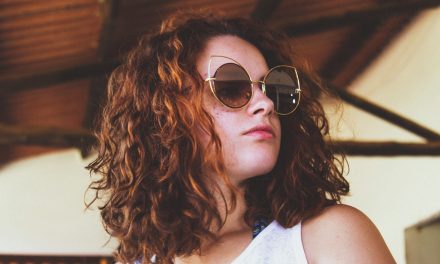
Curtain bangs have emerged as a versatile and stylish choice for individuals seeking to refresh their look without committing to a full fringe. Characterized by their soft, face-framing layers, curtain bangs can complement various face shapes and hair types, making them a popular option among fashion-forward individuals. This hairstyle is reminiscent of the 1970s, drawing inspiration from iconic figures such as Brigitte Bardot and Jane Birkin, who effortlessly sported this chic look. The beauty of curtain bangs lies in their ability to blend seamlessly with longer hair, providing a soft transition that enhances one’s overall appearance.
The allure of curtain bangs is not solely in their aesthetic appeal; they also offer practical benefits. For instance, they can help to soften angular features, draw attention to the eyes, and create an illusion of volume around the crown. Additionally, curtain bangs are relatively low-maintenance compared to traditional blunt bangs, as they can be styled in various ways—worn straight, wavy, or even tucked behind the ears. This adaptability makes them an excellent choice for anyone looking to experiment with their hairstyle while maintaining a sense of ease in their daily routine.
If you’re considering a fresh new look with curtain bangs, you might find it helpful to read a related article that offers tips on achieving the perfect cut at home. For more insights on maintaining your pet’s health, you can check out this article on urinary care cat foods, which emphasizes the importance of a balanced diet for overall well-being. You can find it here: Top 7 Urinary Care Cat Foods for a Healthy Feline Bladder.
Tools You’ll Need for Cutting Curtain Bangs at Home
Before embarking on the journey of cutting your own curtain bangs, it is essential to gather the appropriate tools to ensure a successful outcome. The right equipment can make all the difference in achieving a professional-looking result. Here’s a comprehensive list of tools you will need:
1. **Sharp Hair Cutting Scissors**: Invest in high-quality scissors specifically designed for cutting hair. Dull scissors can lead to uneven cuts and split ends.
2. **Comb**: A fine-toothed comb is crucial for detangling hair and creating precise sections.
3. **Hair Clips**: Use clips to secure sections of hair that you are not currently cutting, allowing for better visibility and control.
4. **Mirror**: A well-lit mirror is essential for ensuring symmetry and precision during the cutting process.
5. **Spray Bottle**: Fill a spray bottle with water to dampen your hair slightly before cutting, as this can help achieve a more accurate cut.
6. **Ruler or Measuring Tape**: For those who prefer precision, a ruler can help measure the desired length of your bangs.
Having these tools on hand will facilitate a smoother cutting experience and contribute to achieving the desired curtain bang effect.
Preparing Your Hair for the Cut

Preparation is key when it comes to cutting curtain bangs at home. Start by washing your hair with a gentle shampoo and conditioner to remove any product buildup and ensure that your strands are clean and manageable. After washing, gently towel-dry your hair to remove excess moisture without causing frizz or damage. It’s advisable to avoid using heat styling tools prior to cutting, as this can alter the natural texture of your hair.
Once your hair is clean and slightly damp, it’s time to detangle. Use a wide-toothed comb or your fingers to gently work through any knots or tangles. This step is crucial, as tangled hair can lead to uneven cuts and frustration during the process. After detangling, allow your hair to air dry for a few minutes until it reaches a damp state—this will provide better control during the cutting process.
How to Section Your Hair Properly

Proper sectioning is vital for achieving well-balanced curtain bangs. Begin by parting your hair down the middle using a fine-toothed comb. This central parting will serve as the foundation for your bangs and help ensure symmetry. Next, create two triangular sections on either side of your parting; these sections should extend from the top of your head down to just above your eyebrows.
Once you have established these triangular sections, secure the remaining hair at the back with clips or hair ties. This will prevent any stray strands from interfering with your cutting process. It’s important to note that the size of your triangular sections can vary based on personal preference; larger sections will yield thicker bangs, while smaller sections will create a more delicate look.
If you’re looking to refresh your hairstyle with some trendy curtain bangs, you might find it helpful to check out a related article that offers tips on achieving the perfect cut at home. Learning how to cut curtain bangs can be a fun DIY project, and you can find useful guidance in this article. For more culinary inspiration, you can also explore how to enhance your meals by making a delicious pan sauce from steak or chicken drippings, which you can read about here.
Determining the Right Length for Your Curtain Bangs
Determining the appropriate length for your curtain bangs is crucial in achieving the desired effect. A general rule of thumb is to aim for bangs that fall between the eyebrows and cheekbones; however, individual preferences may vary based on face shape and personal style. To gauge the right length, consider using a ruler or measuring tape for precision.
Begin by pulling down the triangular sections you created earlier and gently holding them at the desired length. Keep in mind that curtain bangs are meant to be longer than traditional blunt bangs; they should frame your face softly rather than create a harsh line. If you’re uncertain about how short to go, it’s advisable to start with a longer length and gradually trim more if needed—this approach minimizes the risk of cutting too much at once.
The Step-by-Step Cutting Process
With your hair prepared and sectioned, it’s time to begin the cutting process. Follow these steps carefully for optimal results:
1. **Start with Dry Hair**: While damp hair is easier to manage, cutting dry hair allows you to see how it naturally falls and helps prevent over-cutting.
2. **Hold Your Sections**: Grasp the triangular sections of hair between your fingers at the desired length.
3. **Point Cutting Technique**: Instead of making straight cuts across the bottom of your bangs, use a point-cutting technique by angling your scissors vertically into the ends of your hair. This method creates a softer edge and adds texture.
4. **Check for Symmetry**: After making initial cuts on one side, release the other section and compare lengths. Adjust as necessary until both sides are even.
5. **Refine Your Bangs**: Once you’re satisfied with the overall length, revisit each side and make small adjustments as needed for balance and shape.
Tips for Creating the Signature Curtain Bangs Shape
To achieve that signature curtain bang shape, consider incorporating layering into your cut. Layering adds movement and dimension, enhancing the overall look of your bangs. Here are some tips:
1. **Create Soft Layers**: After establishing the base length of your bangs, take small sections of hair from each side and cut them slightly shorter than the main length. This technique creates a soft transition that frames the face beautifully.
2. **Use Thinning Shears**: If you desire a more textured appearance, consider using thinning shears on the ends of your bangs. This will help reduce bulkiness while maintaining volume.
3. **Adjusting Volume**: If you find that your bangs appear too heavy or thick, use point cutting or thinning shears to remove excess weight without sacrificing shape.
How to Texturize and Soften the Bangs
Texturizing is an essential step in achieving soft curtain bangs that blend seamlessly with the rest of your hairstyle. To texturize effectively:
1. **Use Thinning Shears**: Gently run thinning shears through the ends of your bangs to remove bulk while maintaining length.
2. **Point Cutting Technique**: Revisit point cutting by angling your scissors into the ends of your bangs at various angles—this will create a more natural look.
3. **Blending with Longer Hair**: Ensure that your bangs blend well with longer layers by lightly texturizing where they meet; this will create a cohesive appearance throughout your hairstyle.
Styling Your New Curtain Bangs
Once you’ve successfully cut and texturized your curtain bangs, it’s time to style them for maximum impact. Here are some styling techniques:
1. **Blow-Drying**: Use a round brush while blow-drying your bangs to create volume and shape. Aim the dryer downward to minimize frizz.
2. **Curling Iron**: For added texture, use a curling iron on low heat to create soft waves in your bangs—this enhances their natural movement.
3. **Hair Products**: Consider using lightweight styling products such as mousse or texturizing spray to add volume without weighing down your bangs.
4. **Tucking Behind Ears**: For a chic look, tuck one side of your curtain bangs behind your ear; this adds an effortless touch while showcasing facial features.
Common Mistakes to Avoid When Cutting Curtain Bangs
Cutting curtain bangs can be daunting, especially for beginners. To ensure success, avoid these common pitfalls:
1. **Cutting Too Short**: One of the most frequent mistakes is cutting bangs too short initially; always err on the side of caution by starting longer.
2. **Lack of Symmetry**: Failing to check for symmetry can lead to uneven bangs; regularly compare both sides during the cutting process.
3. **Using Dull Scissors**: Dull scissors can cause split ends and uneven cuts; always use sharp hair-cutting scissors for best results.
4. **Ignoring Face Shape**: Not considering face shape when determining bang length can lead to an unflattering appearance; tailor your cut based on individual features.
Aftercare and Maintenance for Curtain Bangs
Maintaining curtain bangs requires regular upkeep to keep them looking fresh and stylish. Here are some aftercare tips:
1. **Regular Trims**: Schedule trims every 4-6 weeks to maintain shape and prevent split ends from developing.
2. **Hydration**: Use hydrating shampoos and conditioners specifically formulated for your hair type; this will keep strands healthy and manageable.
3. **Styling Products**: Invest in quality styling products that suit your hair type; avoid heavy products that may weigh down your bangs.
4. **Heat Protection**: Always apply heat protectant spray before using heat styling tools; this will safeguard against damage caused by high temperatures.
In summary, curtain bangs offer an elegant way to refresh one’s hairstyle while providing versatility in styling options. By following proper techniques for cutting, texturizing, and maintaining these bangs, individuals can achieve a chic look that enhances their natural beauty without excessive commitment or upkeep.
FAQs
What tools do I need to cut curtain bangs at home?
To cut curtain bangs at home, you will need sharp hair scissors, a fine-tooth comb, hair clips to section your hair, and a mirror. Optionally, you can use a spray bottle with water to dampen your hair for easier cutting.
How do I determine the right length for my curtain bangs?
To determine the right length for your curtain bangs, consider your face shape and personal style. A good rule of thumb is to start with a length that falls between your eyebrows and your cheekbones. You can always trim more if needed, but it’s harder to add length back once cut.
What technique should I use to cut curtain bangs?
The best technique for cutting curtain bangs is the point-cutting method. Start by sectioning your hair and pulling the bangs forward. Cut at an angle with the scissors pointed vertically into the ends of the hair to create a soft, textured look. Avoid cutting straight across to prevent a blunt appearance.
How can I style my curtain bangs after cutting them?
After cutting your curtain bangs, you can style them by blow-drying with a round brush for volume or using a flat iron for a sleek look. You can also use a texturizing spray or mousse to enhance the natural wave and movement of the bangs.
How often should I trim my curtain bangs?
Curtain bangs typically require trimming every 4 to 6 weeks to maintain their shape and length. Regular trims will help keep them looking fresh and prevent them from becoming too long or unruly.