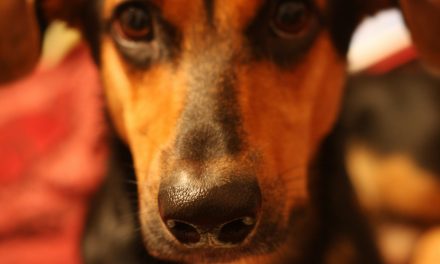
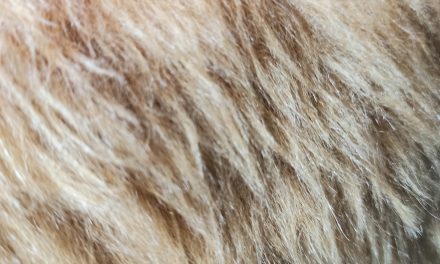
The German Shepherd is renowned for its striking appearance, characterized by a dense double coat that serves both aesthetic and functional purposes. This breed typically possesses a thick outer layer of guard hairs, which are coarse and water-resistant, coupled with a soft undercoat that provides insulation against varying temperatures. The coat can come in various colors, including black and tan, sable, and solid black, among others. Understanding the structure of this coat is crucial for effective grooming and maintenance.
The double coat of a German Shepherd plays a vital role in regulating body temperature and protecting the skin from environmental elements. The outer coat repels moisture and dirt, while the undercoat traps warmth during colder months. However, this unique coat structure also requires diligent care to prevent matting and skin issues. Regular grooming not only enhances the dog’s appearance but also promotes skin health by distributing natural oils throughout the fur.
Essential Grooming Tools for German Shepherds
To maintain the health and appearance of a German Shepherd’s coat, specific grooming tools are indispensable. A slicker brush is essential for removing loose hair and detangling mats, while an undercoat rake is designed to penetrate the dense undercoat effectively. Additionally, a high-quality comb can help in addressing any remaining tangles and ensuring a smooth finish.
Other tools that should be included in your grooming arsenal are nail clippers or grinders for maintaining paw health, as well as ear cleaning solutions to prevent infections. A good pair of scissors may also be useful for trimming any unruly fur around sensitive areas. Investing in these tools not only simplifies the grooming process but also enhances the overall well-being of your German Shepherd.
Establishing a Regular Brushing Routine

Creating a consistent brushing routine is paramount for the health of a German Shepherd’s coat. Ideally, brushing should occur at least once a week, although more frequent sessions are recommended during shedding seasons. Establishing this routine not only helps to manage shedding but also allows for early detection of skin issues or parasites.
When introducing your German Shepherd to brushing, it is essential to make the experience positive. Start with short sessions, gradually increasing the duration as your dog becomes accustomed to the process. Use treats and praise to reinforce good behavior during grooming sessions. This approach fosters a trusting relationship between you and your pet, making future grooming endeavors more manageable.
Techniques for Effective Brushing and Dematting

Effective brushing techniques are crucial for maintaining a healthy coat and preventing matting in German Shepherds. Begin by using a slicker brush to remove loose hair from the topcoat, working in sections to ensure thorough coverage. Pay special attention to areas prone to tangling, such as behind the ears and under the legs.
In cases of matting, it is essential to approach the situation with care. Use an undercoat rake to gently tease apart mats without pulling on the skin. If mats are particularly stubborn, consider using a dematting spray to ease the process. Always brush in the direction of hair growth to minimize discomfort for your dog and ensure a smooth finish.
Bathing Your German Shepherd: When and How
Bathing is an integral part of grooming that should be approached with caution. German Shepherds do not require frequent baths; typically, every three months is sufficient unless they become particularly dirty or develop an odor. Over-bathing can strip natural oils from their coat, leading to dryness and irritation.
When preparing for a bath, gather all necessary supplies, including dog shampoo formulated for sensitive skin, towels, and a non-slip mat for safety. Use lukewarm water to wet your dog thoroughly before applying shampoo. Massage it into the coat, ensuring you reach the undercoat while avoiding sensitive areas such as the eyes and ears. Rinse thoroughly to remove all shampoo residue, as leftover product can lead to skin irritation.
Drying and Post-Bath Care Tips
After bathing your German Shepherd, proper drying techniques are essential to prevent skin issues associated with moisture retention. Begin by gently towel-drying your dog to remove excess water. If your dog tolerates it, consider using a pet-safe blow dryer on a low setting to expedite the drying process. Ensure that you maintain a safe distance from the skin to avoid burns.
Post-bath care should include inspecting your dog’s coat for any signs of irritation or parasites that may have gone unnoticed prior to bathing. Additionally, this is an excellent opportunity to check your dog’s ears for wax buildup or signs of infection. Regularly cleaning ears after baths can help prevent ear infections common in breeds with floppy ears.
Managing Shedding Season: What to Expect
German Shepherds are known for their significant shedding, particularly during seasonal changes in spring and fall. During these periods, it is common for dogs to lose their undercoat as they prepare for temperature fluctuations. Owners should anticipate increased shedding and adjust their grooming routines accordingly.
To manage shedding effectively, increase brushing frequency during these seasons to remove loose hair before it spreads throughout your home. Consider using specialized shedding tools designed to capture loose fur efficiently. Additionally, maintaining a clean living environment by vacuuming regularly can help manage hair accumulation.
Dietary Considerations to Reduce Shedding
Diet plays a crucial role in maintaining a healthy coat and minimizing shedding in German Shepherds. A balanced diet rich in omega-3 fatty acids can promote skin health and reduce excessive shedding. Foods containing fish oil or flaxseed oil are excellent sources of these beneficial fatty acids.
Consulting with a veterinarian about dietary supplements may also be beneficial if shedding becomes problematic. High-quality dog food that meets AAFCO standards ensures that your German Shepherd receives essential nutrients necessary for optimal coat health. Hydration is equally important; ensure your dog has access to fresh water at all times.
Handling Skin Issues and Allergies
Skin issues and allergies can significantly impact the quality of life for German Shepherds if left unaddressed. Common symptoms include excessive scratching, redness, or inflammation of the skin. Identifying potential allergens—such as certain foods, environmental factors like pollen or dust mites—is crucial in managing these conditions.
Veterinary intervention may be necessary if skin issues persist despite home care efforts. Treatments may include antihistamines or corticosteroids prescribed by a veterinarian to alleviate symptoms. Regularly bathing with hypoallergenic shampoos can also help soothe irritated skin while removing allergens from the coat.
Nail Trimming and Ear Cleaning Essentials
Nail trimming is an often-overlooked aspect of grooming that is essential for maintaining your German Shepherd’s overall health. Long nails can lead to discomfort or injury while walking or running. Aim to trim nails every 3-4 weeks or as needed based on growth rates.
Ear cleaning is equally important in preventing infections that can arise from moisture buildup or wax accumulation. Use a veterinarian-recommended ear cleaner and cotton balls to gently wipe the outer ear canal without inserting anything deep into the ear.
Creating a Grooming Schedule for Long-Term Coat Health
Establishing a comprehensive grooming schedule is vital for ensuring long-term coat health in German Shepherds. A well-structured plan should include regular brushing sessions, bathing intervals, nail trimming appointments, and ear cleaning routines tailored to your dog’s specific needs.
Consider creating a calendar that outlines each grooming task along with reminders for veterinary check-ups related to skin health or allergies. Consistency in grooming not only enhances your dog’s appearance but also fosters a strong bond between you and your pet through shared experiences.
In summary, maintaining the coat of a German Shepherd requires understanding its unique structure and implementing effective grooming practices. By utilizing appropriate tools, establishing routines, managing shedding seasons, addressing dietary needs, and handling potential skin issues proactively, owners can ensure their dogs remain healthy and vibrant throughout their lives. Regular grooming not only enhances physical appearance but also contributes significantly to overall well-being and happiness in these remarkable dogs.
FAQs
What tools are essential for grooming a German Shepherd?
Essential grooming tools for a German Shepherd include a slicker brush, a de-shedding tool, a comb, nail clippers, and dog shampoo. The slicker brush helps remove loose fur and debris, while the de-shedding tool is effective for managing heavy shedding. A comb can help detangle any mats, and nail clippers are necessary for maintaining paw health.
How often should I groom my German Shepherd?
German Shepherds should be groomed at least once a week, but during shedding seasons (spring and fall), more frequent grooming—up to several times a week—may be necessary to manage the increased amount of loose fur. Regular grooming helps keep their coat healthy and reduces shedding around the home.
What is the best way to manage shedding in German Shepherds?
To manage shedding in German Shepherds, regular grooming is key. Using a de-shedding tool can significantly reduce loose fur. Additionally, maintaining a healthy diet rich in omega fatty acids can improve coat health and reduce excessive shedding. Regular baths with appropriate dog shampoo can also help remove dead hair and skin.
Are there specific grooming techniques for German Shepherds?
Yes, specific grooming techniques for German Shepherds include brushing in the direction of hair growth and using a slicker brush to remove tangles and loose fur. It’s important to pay attention to areas prone to matting, such as behind the ears and under the legs. Bathing should be done as needed, typically every few months, to avoid stripping natural oils from their coat.
When should I take my German Shepherd to a professional groomer?
You should consider taking your German Shepherd to a professional groomer if you are unsure about grooming techniques, if your dog has severe matting, or if you need assistance with nail trimming. Professional groomers can also provide services like deep cleaning and specialized coat treatments that may be beneficial for your dog’s coat health.