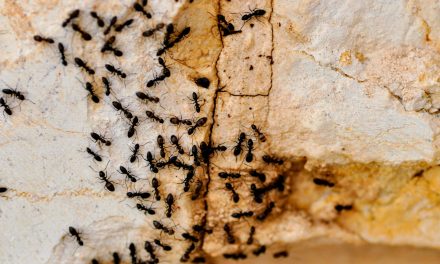
Bed bugs (Cimex lectularius) have become a significant concern for travelers worldwide, primarily due to their ability to hitchhike on luggage, clothing, and personal belongings. These nocturnal parasites thrive in environments where humans sleep, making hotels, hostels, and even public transportation prime locations for infestation. The resurgence of bed bugs can be attributed to increased international travel, urbanization, and the resistance of these pests to common insecticides. According to the National Pest Management Association (NPMA), 97% of pest control professionals have encountered bed bugs in the past year, highlighting the urgency of understanding their risks.
Travelers often unknowingly bring these pests home, leading to infestations that can be challenging to eradicate. Bed bugs can survive for months without feeding, making them particularly resilient. Their small size allows them to hide in crevices and seams of luggage, making detection difficult. Furthermore, the stigma associated with bed bug infestations can lead to delayed reporting and treatment, exacerbating the problem. Understanding the risk factors associated with bed bugs is crucial for anyone who travels frequently.
Inspecting Your Luggage Before Returning Home
Before returning home from a trip, it is essential to conduct a thorough inspection of your luggage. This proactive measure can significantly reduce the likelihood of introducing bed bugs into your living space. Begin by examining the exterior of your suitcase for any signs of infestation, such as small dark spots (fecal matter) or shed exoskeletons. Pay close attention to seams, zippers, and pockets where bed bugs may hide.
Additionally, consider unpacking your luggage in a designated area away from your home, such as a garage or laundry room. This strategy minimizes the risk of spreading any potential pests throughout your living space. If you notice any signs of bed bugs during your inspection, it is advisable to take immediate action by treating your luggage before bringing it indoors.
Choosing the Right Travel Gear to Minimize Bed Bug Exposure

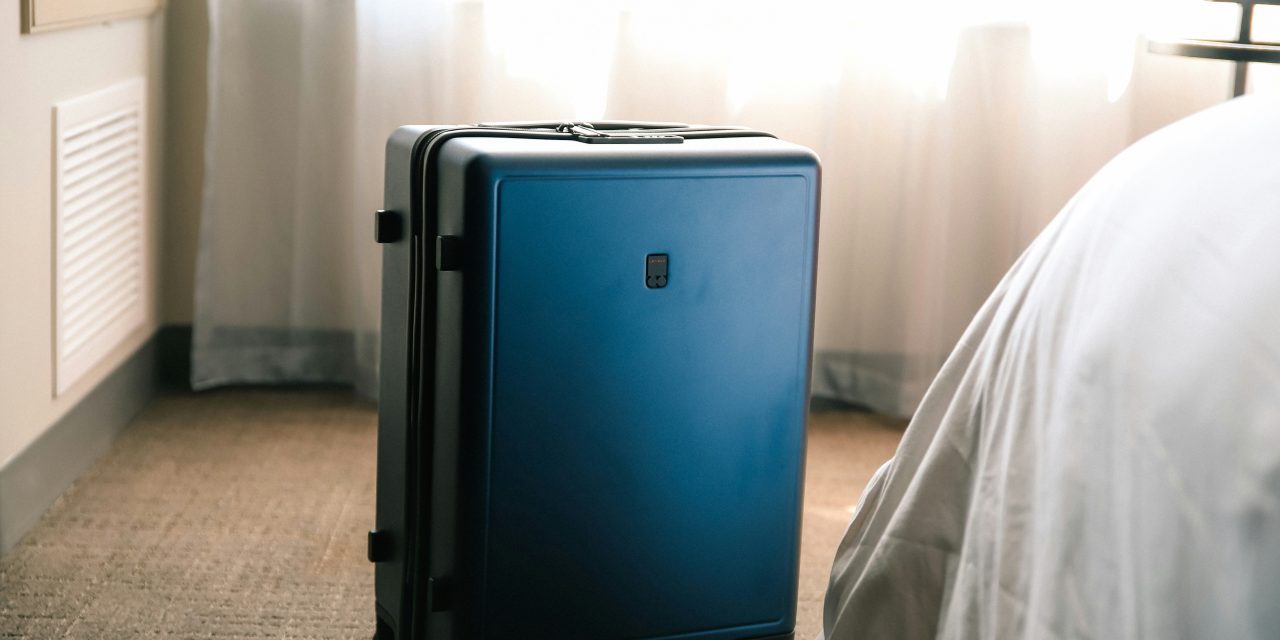
Selecting appropriate travel gear can significantly reduce your exposure to bed bugs while on the go. Opt for hard-shell suitcases instead of fabric ones, as they are less likely to harbor pests due to their smooth surfaces and lack of seams. Additionally, consider using packing cubes or zippered bags to compartmentalize your belongings, making it easier to inspect and treat items if necessary.
When choosing accommodations, prioritize hotels with positive reviews regarding cleanliness and pest control measures. Researching establishments that have implemented rigorous pest management protocols can provide peace of mind during your travels. Furthermore, consider using bed bug-proof mattress encasements and pillow covers in hotel rooms to create an additional barrier against potential infestations.
Unpacking Strategies to Avoid Bringing Bed Bugs Inside

Once you return home, implementing effective unpacking strategies is crucial in preventing bed bugs from infiltrating your living space. Begin by placing your suitcase in a designated area away from bedrooms and living areas. Unpack your belongings directly into a washing machine or dryer set on high heat for at least 30 minutes to kill any hidden pests.
For items that cannot be laundered, such as shoes or electronics, consider using a portable heat treatment device designed specifically for killing bed bugs. These devices can effectively raise the temperature of items to levels lethal for bed bugs while remaining safe for most belongings. By adopting these unpacking strategies, you can significantly reduce the risk of introducing bed bugs into your home.
Laundering Clothes Immediately After Travel
One of the most effective methods for eliminating potential bed bugs from your clothing is immediate laundering upon returning from a trip. Wash all clothing items in hot water (at least 120°F or 49°C) and dry them on high heat for at least 30 minutes. This process not only removes any visible dirt but also kills any bed bugs or eggs that may have hitched a ride during your travels.
For items that cannot be washed, such as delicate fabrics or dry-clean-only garments, consider placing them in a dryer on high heat for 30 minutes as well. This method is effective in eradicating any hidden pests without damaging the fabric. By prioritizing laundry immediately after travel, you can significantly mitigate the risk of an infestation.
Using Heat Treatment to Kill Hidden Bed Bugs
Heat treatment is one of the most effective methods for eliminating bed bugs and their eggs from infested items. Bed bugs are sensitive to temperature changes; exposure to temperatures above 120°F (49°C) for an extended period will kill them instantly. Portable heat treatment devices are available for consumer use and can be employed on various items such as luggage, shoes, and bedding.
When using heat treatment devices, ensure that you follow the manufacturer’s instructions carefully to achieve optimal results. It is essential to monitor the temperature throughout the process to ensure that it reaches lethal levels for bed bugs. This method not only provides a chemical-free solution but also minimizes the risk of chemical resistance that can occur with traditional insecticides.
Vacuuming and Cleaning Your Suitcase Thoroughly
Thoroughly vacuuming and cleaning your suitcase after returning from travel is an essential step in preventing bed bug infestations. Use a vacuum cleaner equipped with a HEPA filter to capture any potential pests hiding within the seams and crevices of your luggage. Pay special attention to areas such as zippers, pockets, and lining where bed bugs may be concealed.
After vacuuming, dispose of the vacuum bag or empty the canister outside your home immediately to prevent any potential escapees from re-entering your living space. Additionally, consider wiping down the exterior of your suitcase with a damp cloth and mild detergent to remove any residual debris or contaminants that may harbor pests.
Storing Travel Items Safely Post-Trip
Proper storage of travel items post-trip is crucial in preventing future infestations. Store luggage in a designated area away from bedrooms and living spaces, preferably in a sealed plastic container or bag that is resistant to pests. This method creates an additional barrier against potential infestations while keeping your belongings organized.
Consider implementing a “travel kit” that includes essential items such as insect repellent sprays specifically designed for bed bugs and portable heat treatment devices. Having these tools readily available will allow you to address any potential issues promptly before they escalate into larger problems.
Monitoring Your Home for Early Signs of Bed Bugs
Regular monitoring of your home for early signs of bed bugs is essential in preventing infestations from becoming established. Inspect sleeping areas regularly for signs such as small blood stains on sheets or mattresses, dark fecal spots on bedding or walls, and shed exoskeletons near sleeping areas. Early detection is key in managing potential infestations effectively.
Consider using bed bug monitors or traps placed strategically around your home to catch any wandering pests before they establish themselves. These devices can provide valuable insights into potential infestations and allow for timely intervention if necessary.
When to Contact a Professional Exterminator
If you suspect a bed bug infestation despite taking preventive measures, it may be time to contact a professional exterminator specializing in pest control services. Professionals possess the expertise and tools necessary to conduct thorough inspections and implement effective treatment plans tailored to your specific situation.
When selecting an exterminator, ensure they are licensed and experienced in dealing with bed bug infestations. Inquire about their treatment methods, including whether they utilize heat treatments or chemical solutions, as well as their follow-up protocols to ensure complete eradication.
Preventative Measures for Future Travels
To minimize the risk of encountering bed bugs during future travels, consider implementing several preventative measures. Research accommodations thoroughly before booking by reading reviews and checking for pest control certifications. Opt for hotels that prioritize cleanliness and have established pest management protocols.
Additionally, remain vigilant during your travels by inspecting hotel rooms upon arrival. Check mattress seams and headboards for signs of infestation before settling in. By adopting these preventative measures and maintaining awareness during travels, you can significantly reduce the likelihood of encountering bed bugs.
In summary, understanding the risks associated with bed bugs after traveling is crucial for prevention and management. By inspecting luggage before returning home, choosing appropriate travel gear, employing effective unpacking strategies, laundering clothes immediately after travel, utilizing heat treatment methods, vacuuming suitcases thoroughly, storing items safely post-trip, monitoring homes for early signs of infestation, contacting professionals when necessary, and implementing preventative measures for future travels, individuals can significantly reduce their risk of encountering these resilient pests.
FAQs
What are bed bugs and how do they spread?
Bed bugs are small, reddish-brown insects that feed on the blood of humans and animals. They spread primarily through travel, as they can easily hitch a ride on luggage, clothing, and other personal items. Once they find a suitable environment, such as a hotel room or a home, they can quickly reproduce and infest the area.
How can I inspect my hotel room for bed bugs?
To inspect your hotel room for bed bugs, start by placing your luggage in the bathroom or on a hard surface away from the bed. Check the seams and folds of the mattress and box spring, as well as the headboard and bed frame for any signs of bed bugs, such as dark spots (fecal matter) or shed skins. Additionally, inspect furniture, carpets, and any crevices in the room.
What precautions should I take when traveling to avoid bringing bed bugs home?
To avoid bringing bed bugs home, keep your luggage off the floor and bed, preferably on a luggage rack. Use protective covers for your luggage and clothing, and avoid unpacking your belongings on hotel furniture. When you return home, wash all clothing in hot water and dry them on high heat, and vacuum your luggage thoroughly before storing it.
How can I treat my home if I suspect a bed bug infestation?
If you suspect a bed bug infestation, it is important to act quickly. Start by thoroughly cleaning and vacuuming your home, focusing on areas where bed bugs are likely to hide. Consider using bed bug-specific insecticides or contacting a professional pest control service for effective treatment options. Additionally, encase mattresses and box springs in bed bug-proof covers to prevent further infestations.
Are there any natural remedies to prevent bed bugs?
While there are no guaranteed natural remedies to prevent bed bugs, some people use essential oils like tea tree oil or lavender oil as a deterrent. Spraying diluted solutions of these oils on luggage and bedding may help repel bed bugs. However, it is essential to combine these methods with proper preventive measures for the best results.