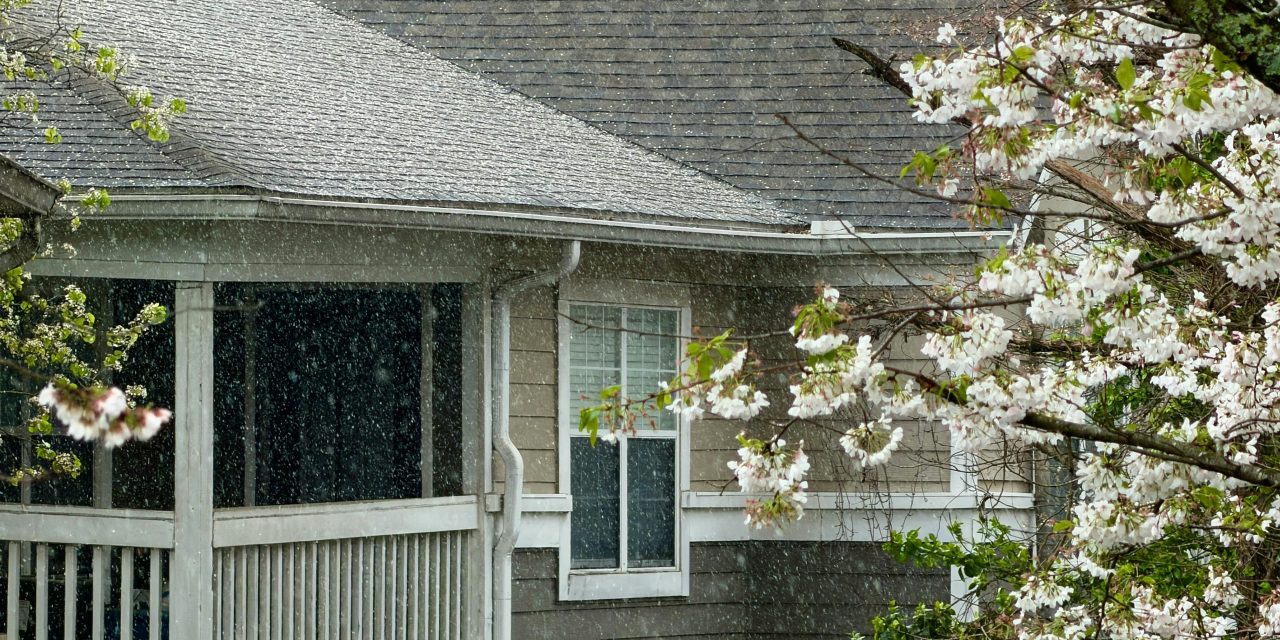
Maintaining the integrity of your home begins with a thorough inspection and cleaning of gutters and downspouts. These essential components are designed to channel rainwater away from the foundation, preventing water damage and erosion. Over time, debris such as leaves, twigs, and dirt can accumulate, obstructing the flow of water. This blockage can lead to overflowing gutters, which may cause water to seep into the roof or foundation, resulting in costly repairs. Regular inspections should be conducted at least twice a year, ideally in the spring and fall, to ensure that these systems are functioning optimally.
To clean gutters effectively, one should use a sturdy ladder and wear protective gloves. Begin by removing large debris by hand, followed by using a garden trowel or scoop for finer materials. After clearing the gutters, it is crucial to flush them with water using a hose to ensure that downspouts are clear. If water does not flow freely through the downspouts, a plumber’s snake or a high-pressure nozzle can be employed to dislodge stubborn clogs. Additionally, consider installing gutter guards to minimize future debris accumulation and reduce maintenance frequency.
Check Roof for Damage and Leaks
The roof serves as the first line of defense against environmental elements, making its inspection vital for home maintenance. A thorough examination should include checking for missing or damaged shingles, signs of wear around chimneys and vents, and any visible sagging or discoloration. These indicators may suggest underlying issues such as leaks or structural damage that could compromise the roof’s integrity. It is advisable to conduct this inspection at least once a year, particularly after severe weather events.
If any damage is detected, prompt repairs are essential to prevent further deterioration. Minor issues such as loose shingles can often be fixed with roofing cement or adhesive, while more significant problems may require professional intervention. In cases where leaks are suspected but not visible, a moisture meter can be utilized to detect hidden water intrusion. Regular maintenance, including cleaning debris from the roof surface and ensuring proper drainage, can extend the lifespan of your roofing system significantly.
Service Your HVAC System

The heating, ventilation, and air conditioning (HVAC) system is crucial for maintaining indoor air quality and comfort throughout the year. Regular servicing is essential to ensure optimal performance and energy efficiency. A comprehensive HVAC service should include changing filters every 1-3 months, inspecting ductwork for leaks, and cleaning coils and blower components. Neglecting these tasks can lead to reduced airflow, increased energy consumption, and potential system failures.
In addition to routine maintenance, consider scheduling a professional inspection annually. Technicians can assess refrigerant levels, check electrical connections, and evaluate overall system performance. If your HVAC system is over ten years old, it may be worth considering an upgrade to a more energy-efficient model. Modern systems often come equipped with advanced technology that can significantly reduce energy costs while providing superior comfort.
Test Smoke and Carbon Monoxide Detectors

Smoke and carbon monoxide detectors are critical safety devices that protect against fire hazards and toxic gas exposure. Regular testing of these detectors is essential to ensure they function correctly when needed most. It is recommended to test smoke detectors monthly by pressing the test button until an audible alarm sounds. For carbon monoxide detectors, follow the manufacturer’s guidelines for testing frequency.
In addition to testing, it is crucial to replace batteries at least once a year and replace the entire unit every 5-10 years, depending on the model. Installing detectors in key areas such as bedrooms, hallways, and near fuel-burning appliances enhances safety measures within the home. Educating all household members about emergency procedures in case of an alarm can further improve preparedness for potential hazards.
Clean and Repair Windows and Screens
Windows play a significant role in energy efficiency and aesthetics within a home. Regular cleaning not only enhances visibility but also prolongs the lifespan of window materials. Begin by removing dust and grime from both the interior and exterior surfaces using a mixture of water and mild detergent. For stubborn stains or hard-to-reach areas, consider using a squeegee or professional window-cleaning tools.
In addition to cleaning, inspect windows for signs of damage such as cracks or gaps in seals that could lead to air leaks. Repairing these issues promptly can improve energy efficiency by reducing heating and cooling costs. Screens should also be examined for tears or holes; repairing or replacing damaged screens will help keep insects out while allowing fresh air to circulate throughout your home.
Inspect and Maintain Exterior Paint and Siding
The exterior paint and siding of your home serve as protective barriers against weather elements while contributing to curb appeal. Regular inspections should focus on identifying peeling paint, cracks in siding materials, or signs of mold growth. Addressing these issues promptly can prevent moisture intrusion that may lead to rot or structural damage.
When repainting or repairing siding, choose high-quality materials designed for durability against environmental factors. Proper surface preparation is essential; this includes scraping off old paint, sanding rough areas, and applying primer where necessary. Additionally, consider using weather-resistant paint that offers UV protection to extend the life of your exterior finishes.
Examine and Repair Fences and Gates
Fences and gates provide security while enhancing privacy in residential properties. Regular inspections should focus on identifying loose boards, rusted hinges, or damaged posts that could compromise structural integrity. Addressing these issues promptly will not only maintain aesthetics but also ensure safety around children and pets.
For wooden fences, applying a protective sealant every few years can prevent rot caused by moisture exposure. Metal fences may require rust treatment followed by repainting with weather-resistant paint to prolong their lifespan. Gates should be checked for proper alignment; misaligned gates can lead to operational difficulties and potential security risks.
Prepare Your Lawn and Garden for Spring
As winter fades away, preparing your lawn and garden for spring is essential for promoting healthy growth. Begin by clearing debris such as fallen branches or leaves that may have accumulated over the winter months. Aerating the soil allows for better nutrient absorption while promoting root growth; this process involves perforating the soil with holes to improve airflow.
Additionally, consider applying a balanced fertilizer tailored to your specific soil type to encourage robust growth in grass and plants alike. Pruning dead branches from trees and shrubs will stimulate new growth while enhancing overall aesthetics. Finally, planting seasonal flowers or vegetables can add vibrancy to your garden while providing fresh produce throughout the growing season.
Inspect Plumbing for Leaks and Drips
Plumbing systems are integral to daily living; therefore, regular inspections are crucial for identifying leaks or drips that could lead to significant water waste or damage over time. Begin by checking visible pipes under sinks, around toilets, and in basements for signs of moisture accumulation or corrosion. Pay attention to water pressure; sudden drops may indicate hidden leaks within walls or underground.
If leaks are detected, prompt repairs are essential to prevent further damage. Minor leaks can often be fixed with plumber’s tape or sealant; however, more significant issues may require professional assistance. Regularly flushing water heaters can also prevent sediment buildup that could lead to inefficiencies or leaks over time.
Clean and Organize Garage and Storage Areas
Garages often become cluttered spaces filled with tools, equipment, and seasonal items that require regular organization for optimal functionality. Begin by removing all items from the garage; this allows for a thorough cleaning of surfaces including floors and shelves. Discard any items that are no longer needed or usable.
Once cleaned, categorize items into designated zones based on usage frequency; this will streamline access when needed. Consider investing in shelving units or storage bins to maximize vertical space while keeping items organized. Regularly reassessing storage areas will help maintain orderliness while ensuring that essential tools remain easily accessible.
Check and Maintain Outdoor Lighting and Electrical Systems
Outdoor lighting enhances safety while adding aesthetic appeal to residential properties; therefore, regular inspections are necessary to ensure functionality. Begin by checking all fixtures for burnt-out bulbs or damaged wiring; replacing bulbs promptly will maintain visibility during nighttime hours.
Additionally, inspect electrical connections for signs of wear or corrosion that could pose safety hazards. If outdoor lighting systems are connected to timers or smart technology, ensure that these devices are functioning correctly for optimal performance. Regular maintenance not only enhances safety but also contributes to energy efficiency by ensuring that lights operate only when needed.
In summary, maintaining a home requires diligent attention across various aspects including gutters, roofs, HVAC systems, safety devices, windows, siding, fences, gardens, plumbing systems, garages, and outdoor lighting. By conducting regular inspections and addressing issues promptly through repairs or upgrades when necessary, homeowners can enhance safety while preserving property value over time. Implementing preventive measures such as routine cleaning schedules will further contribute to long-term maintenance success.
FAQ Section:
1. How often should I clean my gutters?
– It is recommended to clean gutters at least twice a year—once in spring and once in fall—more frequently if you have overhanging trees.
2. What are signs of roof damage?
– Look for missing shingles, sagging areas, discoloration on ceilings indoors, or granules from shingles accumulating in gutters.
3. How do I know if my HVAC system needs servicing?
– Signs include unusual noises during operation, inconsistent temperatures throughout your home, or increased energy bills without changes in usage patterns.
4. When should I replace smoke detectors?
– Smoke detectors should be replaced every 10 years; however, batteries should be changed at least once a year.
5. How can I improve my lawn’s health?
– Regular aeration, fertilization tailored to soil type, proper watering schedules based on seasonal needs will enhance lawn health significantly.
6. What should I do if I find a leak in my plumbing?
– Minor leaks can often be fixed with tape or sealant; however, significant leaks should be addressed by a licensed plumber immediately.
7. How often should I inspect my outdoor lighting?
– Inspect outdoor lighting fixtures at least once every season to ensure they are functioning properly.
8. What is the best way to organize my garage?
– Categorize items based on usage frequency; utilize shelving units or bins for efficient storage solutions.
9. How do I know if my fence needs repairs?
– Look for loose boards or posts; check for rust on metal fences; any signs of instability indicate repairs are necessary.
10. What preventative measures can I take for my HVAC system?
– Regular filter changes every 1-3 months along with annual professional inspections will help maintain efficiency.
By adhering to these guidelines across various aspects of home maintenance while addressing issues promptly through repairs or upgrades when necessary will enhance safety while preserving property value over time.
FAQs
What are the key tasks included in a spring home maintenance checklist?
A spring home maintenance checklist typically includes tasks such as inspecting the roof for damage, cleaning gutters and downspouts, checking and replacing air filters, servicing the HVAC system, inspecting windows and doors for leaks, and testing smoke and carbon monoxide detectors. Other tasks may involve checking outdoor plumbing, cleaning the deck or patio, and preparing the garden for planting.
Why is it important to perform spring home maintenance?
Performing spring home maintenance is crucial for several reasons. It helps identify and address potential issues before they become major problems, ensures that your home systems are functioning efficiently, and can improve energy efficiency. Regular maintenance also helps maintain the value of your property and can prevent costly repairs in the future.
How often should I perform home maintenance tasks?
Home maintenance tasks should be performed regularly, with some tasks needing attention seasonally, such as spring and fall. Other tasks, like changing air filters or checking smoke detectors, should be done monthly or quarterly. It’s essential to create a maintenance schedule that fits your home’s specific needs and local climate conditions.
Can I do spring home maintenance tasks myself, or should I hire a professional?
Many spring home maintenance tasks can be done by homeowners themselves, especially those that require basic tools and skills, such as cleaning gutters or changing air filters. However, for more complex tasks, such as roof inspections or HVAC servicing, it may be wise to hire a professional to ensure the work is done safely and correctly.
What tools or supplies do I need for spring home maintenance?
The tools and supplies needed for spring home maintenance can vary depending on the tasks you plan to undertake. Common items include a ladder, garden hose, cleaning supplies, basic hand tools (like screwdrivers and wrenches), a vacuum for air filters, and safety gear such as gloves and goggles. Additionally, you may need specific supplies for gardening or outdoor maintenance, such as mulch, fertilizer, or paint for touch-ups.