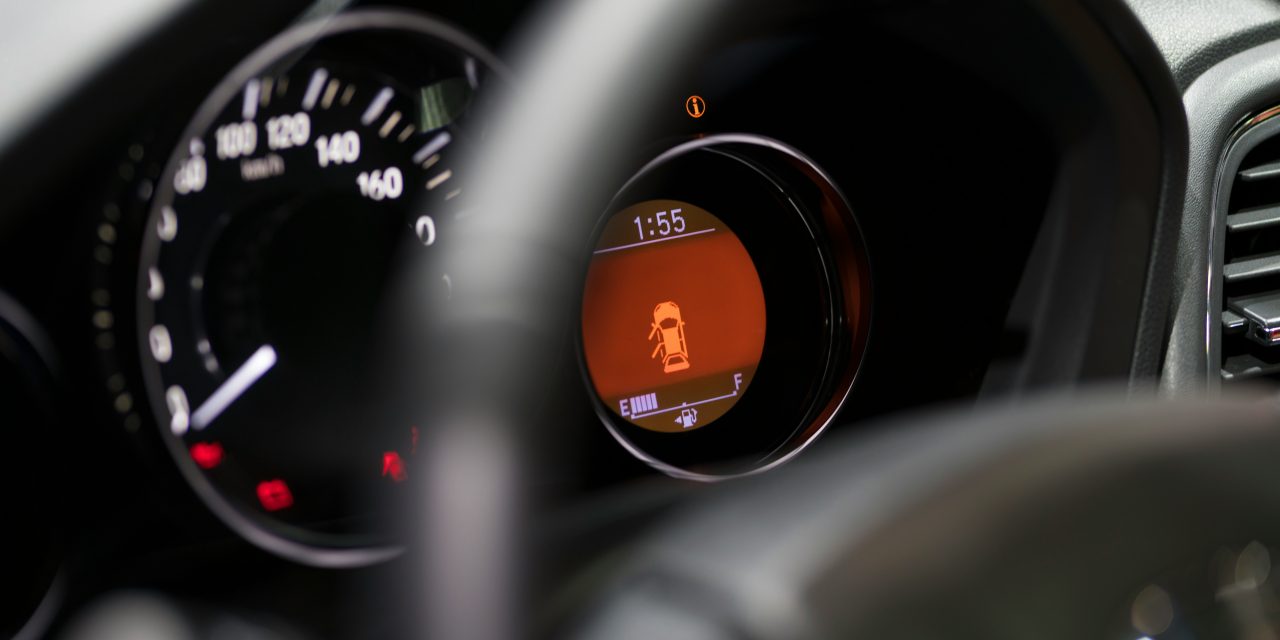
The tire pressure warning light is an essential feature in modern vehicles, designed to alert drivers when tire pressure falls below the manufacturer’s recommended levels. This warning system is part of the Tire Pressure Monitoring System (TPMS), which utilizes sensors located within each tire to monitor air pressure continuously. When the pressure drops significantly, the TPMS triggers the warning light on the dashboard, prompting immediate attention. Understanding this warning light is crucial for maintaining vehicle safety and performance.
The TPMS operates through two primary types: direct and indirect systems. Direct TPMS uses sensors to measure the actual tire pressure, while indirect systems estimate pressure based on wheel speed and other factors. Regardless of the type, the activation of the tire pressure warning light signifies that corrective action is necessary. Ignoring this warning can lead to compromised vehicle handling, increased tire wear, and even potential blowouts.
Understanding the tire pressure warning light is crucial for maintaining vehicle safety and performance. For those interested in ensuring their vehicle is in top shape, you might also find it helpful to read about maintaining a clean and organized environment at home. Check out this related article on top residential cleaners near you for a spotless home in 2024 at this link.
Common Causes of the Tire Pressure Warning Light Activation
Several factors can lead to the activation of the tire pressure warning light. One of the most prevalent causes is a drop in temperature, which can cause air within the tires to contract, resulting in lower pressure readings. For instance, a decrease of 10°F can reduce tire pressure by approximately 1 PSI (pound per square inch). This phenomenon is particularly common during winter months when temperatures fluctuate significantly.
Another common cause is a slow leak due to punctures or damage to the tire. Small objects such as nails or glass can penetrate the tire tread, leading to gradual air loss. Additionally, improper tire installation or valve stem issues can also trigger the warning light. Regular inspections and maintenance are vital in identifying these problems early on to prevent further complications.
Why Maintaining Proper Tire Pressure is Crucial

Maintaining proper tire pressure is critical for several reasons, primarily concerning safety and efficiency. Under-inflated tires can lead to decreased traction, longer stopping distances, and increased risk of hydroplaning during wet conditions. Conversely, over-inflated tires can result in a harsher ride and reduced contact with the road surface, leading to uneven wear patterns and potential blowouts.
Moreover, proper tire pressure contributes significantly to fuel efficiency. According to the U.S. Department of Energy, maintaining tires at their recommended pressure can improve fuel economy by up to 3%. This translates into substantial savings over time, especially for those who drive frequently or cover long distances. Additionally, well-maintained tires enhance overall vehicle performance and longevity.
How to Check Your Tire Pressure Correctly

Checking tire pressure is a straightforward process that requires minimal tools but yields significant benefits. To begin, gather a reliable tire pressure gauge, which can be digital or analog. It’s advisable to check tire pressure when tires are cold, as driving heats them up and can give inaccurate readings.
Start by removing the valve cap from one tire and firmly pressing the gauge onto the valve stem. A hissing sound may occur as air escapes; this is normal. Read the gauge immediately to determine the PSI level. Compare this reading with the manufacturer’s recommended pressure, typically found on a sticker inside the driver’s door or in the owner’s manual. Repeat this process for all tires, including the spare if applicable.
Understanding what the tire pressure warning light means is crucial for maintaining your vehicle’s safety and performance. When this light illuminates on your dashboard, it typically indicates that one or more of your tires are under-inflated, which can lead to poor handling and increased wear. For further insights on maintaining your vehicle and ensuring it stays in top shape, you might find this article on how to remove yellow sunscreen stains from white clothes particularly interesting, as it highlights the importance of caring for your belongings. You can read it here: how to get yellow sunscreen stains out of white clothes.
Top Fix #1: Reinflate Tires to Recommended Pressure
One of the most effective solutions when faced with a tire pressure warning light is to reinflate tires to their recommended levels. This process involves using an air compressor or visiting a gas station equipped with an air pump. Before inflating, ensure that you have accurately measured the current tire pressure using a gauge.
When inflating tires, it’s essential to add air gradually and check frequently to avoid over-inflation. Once you reach the desired PSI, replace the valve cap securely to prevent air loss. Regularly monitoring and adjusting tire pressure can prevent future warning light activations and enhance overall vehicle safety.
Top Fix #2: Inspect Tires for Leaks and Damage
If reinflating tires does not resolve the warning light issue, a thorough inspection for leaks and damage is necessary. Begin by visually examining each tire for any visible punctures, cracks, or bulges that may indicate structural damage. Pay close attention to areas where foreign objects may have penetrated the tread.
Additionally, perform a soapy water test by applying a mixture of soap and water to suspected areas. If bubbles form, this indicates a leak that requires immediate attention. Addressing leaks promptly can prevent further air loss and ensure optimal tire performance.
Top Fix #3: Resetting the Tire Pressure Monitoring System (TPMS)
In some cases, resetting the TPMS may be necessary after addressing tire pressure issues. This process varies by vehicle make and model but generally involves locating the reset button within the vehicle—often found beneath the steering wheel or in the glove compartment.
To reset the TPMS, turn on the ignition without starting the engine and press the reset button until you see the warning light blink three times. After releasing the button, drive for a short distance (typically around 10 minutes) to allow the system to recalibrate. If successful, the warning light should turn off; if not, further investigation may be required.
Top Fix #4: Replacing Faulty TPMS Sensors
If resetting does not resolve the issue, it may indicate faulty TPMS sensors that require replacement. These sensors can wear out over time due to exposure to harsh environmental conditions or battery depletion within the sensor itself. Replacing these sensors typically involves removing each tire from its rim to access and replace the sensor.
It’s advisable to consult with a professional mechanic for this task, as they possess specialized tools and expertise necessary for proper installation. New sensors should be programmed to communicate with your vehicle’s onboard computer system to ensure accurate readings moving forward.
Top Fix #5: Visiting a Professional Mechanic for Advanced Issues
When all else fails, seeking assistance from a professional mechanic is crucial for diagnosing advanced issues related to tire pressure warnings. Mechanics have access to specialized diagnostic equipment that can identify underlying problems not visible during a standard inspection.
Common advanced issues may include problems with the vehicle’s onboard computer system or wiring faults affecting sensor communication. A professional mechanic can provide comprehensive solutions tailored to your vehicle’s specific needs, ensuring safety and reliability on the road.
When to Ignore the Tire Pressure Warning Light
While it is generally inadvisable to ignore any warning lights on your dashboard, there are rare instances where temporary activation may not indicate an immediate problem. For example, if you have just driven through a significant temperature change or have recently inflated your tires but have not yet reset the TPMS, it may activate briefly before stabilizing.
However, if the warning light remains illuminated after addressing potential causes or if it blinks intermittently while driving, it is essential to take action promptly. Ignoring persistent warnings can lead to severe safety hazards and costly repairs down the line.
Preventative Tips to Avoid Future Tire Pressure Problems
Preventative measures are key in avoiding future tire pressure issues and ensuring optimal vehicle performance. Regularly checking tire pressure—ideally once a month—can help catch problems early before they escalate into more significant concerns. Additionally, maintaining proper alignment and rotation schedules can promote even wear across all tires.
Investing in high-quality tires designed for your specific driving conditions can also enhance durability and performance. Furthermore, consider using nitrogen instead of regular air for inflation; nitrogen molecules are larger and less prone to escaping through tire walls, leading to more stable pressure over time.
In conclusion, understanding and addressing tire pressure warning lights is vital for maintaining vehicle safety and performance. By recognizing common causes and implementing effective solutions such as reinflating tires, inspecting for damage, resetting TPMS systems, replacing faulty sensors, or consulting professionals when necessary, drivers can ensure their vehicles remain safe on the road. Regular maintenance practices will further enhance longevity and efficiency while minimizing risks associated with improper tire pressure management.
FAQs
What does the tire pressure warning light indicate?
The tire pressure warning light indicates that one or more of your vehicle’s tires may be under-inflated or over-inflated. It serves as a reminder to check the tire pressure and ensure it is within the manufacturer’s recommended range for optimal safety and performance.
How can I check my tire pressure?
You can check your tire pressure using a tire pressure gauge. First, remove the valve cap from the tire, press the gauge onto the valve stem, and read the measurement displayed. Compare this reading to the recommended tire pressure, which can usually be found on a sticker inside the driver’s door or in the owner’s manual.
What should I do if the tire pressure warning light comes on?
If the tire pressure warning light comes on, you should stop your vehicle as soon as it is safe to do so and check the tire pressures. Inflate any under-inflated tires to the recommended pressure. If the light remains on after adjusting the tire pressures, there may be a malfunction in the tire pressure monitoring system (TPMS), and you should consult a mechanic.
Can I drive with the tire pressure warning light on?
While it is possible to drive with the tire pressure warning light on, it is not advisable. Driving on under-inflated tires can lead to poor handling, reduced fuel efficiency, and increased tire wear. It can also pose a safety risk, so it is best to address the issue as soon as possible.
What causes the tire pressure warning light to turn on?
The tire pressure warning light can turn on due to several reasons, including a significant drop in tire pressure due to temperature changes, a slow leak in a tire, or a puncture. Additionally, it may activate if a tire is over-inflated or if there is a malfunction in the tire pressure monitoring system itself.