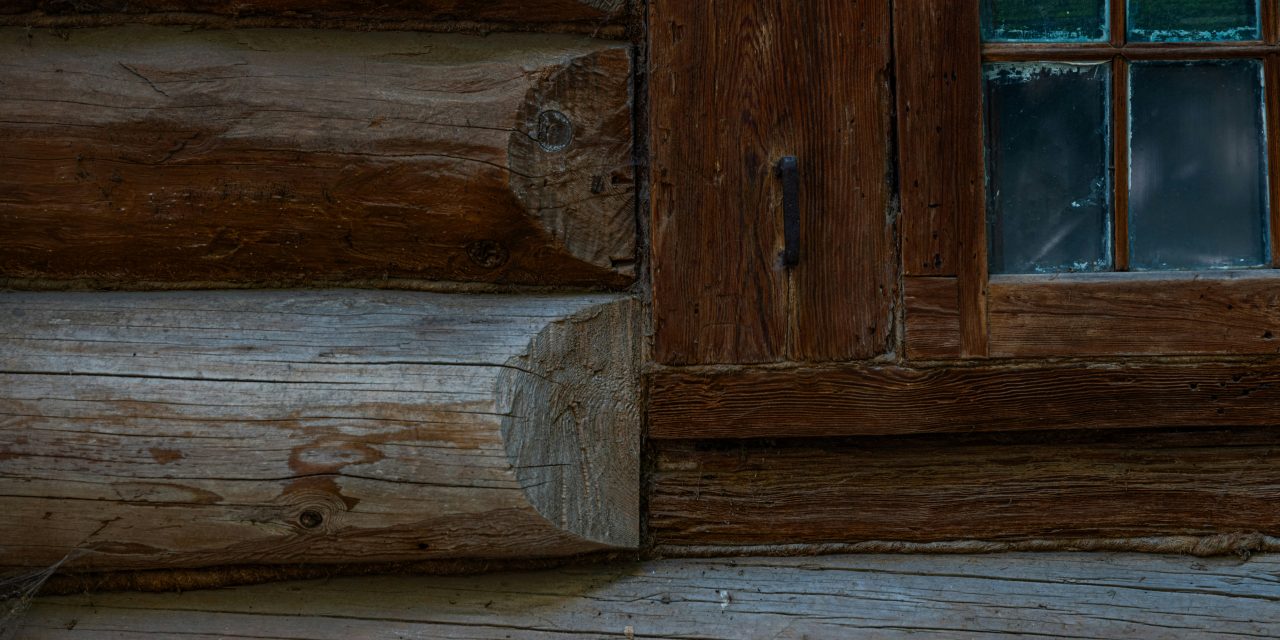
Regular inspection and sealing of cracks in log homes are paramount for maintaining structural integrity and aesthetic appeal. Over time, environmental factors such as temperature fluctuations, moisture, and natural settling can lead to the formation of fissures in the logs. These cracks not only compromise the insulation properties of the wood but also create entry points for pests and moisture, which can exacerbate deterioration. Homeowners should conduct thorough inspections at least twice a year, ideally during the spring and fall, to identify any emerging cracks or signs of wear.
When sealing cracks, it is essential to use high-quality materials specifically designed for log homes. Products such as log cabin chinking or caulking compounds formulated for wood structures provide superior adhesion and flexibility. The sealing process involves cleaning the crack thoroughly to remove any debris or old sealant, followed by applying the new material evenly. This proactive approach not only enhances the longevity of the logs but also contributes to energy efficiency by minimizing air leaks.
When it comes to log home maintenance, understanding the importance of regular upkeep is crucial for preserving the beauty and integrity of your home. For more insights on home care, you might find this article helpful: 10 Easy Steps to Cook Perfect Ground Beef for Tasty Tacos. While it may seem unrelated, the principles of careful preparation and attention to detail can be applied to both cooking and maintaining your log home.
Clean Your Logs with Gentle Solutions
Maintaining the cleanliness of log exteriors is crucial for preserving their natural beauty and preventing decay. Over time, logs can accumulate dirt, mold, and mildew, which can lead to discoloration and structural damage if left untreated. It is advisable to use gentle cleaning solutions that are specifically formulated for wood surfaces. Harsh chemicals can strip away protective finishes and damage the wood fibers, leading to further deterioration.
A mixture of warm water and mild soap can effectively remove surface grime without harming the logs. For more stubborn stains or mold growth, a solution containing oxygen bleach is recommended, as it is both effective and environmentally friendly. Homeowners should utilize soft-bristle brushes or cloths to gently scrub the surfaces, ensuring that they do not scratch or gouge the wood. After cleaning, it is essential to rinse thoroughly with clean water and allow the logs to dry completely before applying any protective coatings.
Apply High-Quality Stain and Sealant

The application of high-quality stain and sealant is vital for protecting log homes from environmental damage. Stains not only enhance the aesthetic appeal of the wood but also provide a barrier against moisture, UV rays, and pests. When selecting a stain, homeowners should opt for products that contain fungicides and UV inhibitors to ensure long-lasting protection. Oil-based stains are often preferred due to their deep penetration into the wood fibers, providing superior durability compared to water-based alternatives.
Before applying stain, it is crucial to prepare the surface adequately. This involves cleaning the logs thoroughly and allowing them to dry completely. Once prepared, homeowners should apply the stain using a brush or sprayer, ensuring even coverage across all surfaces. After staining, a high-quality sealant should be applied to further enhance protection against moisture intrusion and UV degradation. Regular maintenance of these coatings is essential; reapplication every three to five years is typically recommended based on exposure conditions.
Maintain Proper Drainage Around the Foundation

Proper drainage around the foundation of a log home is essential for preventing water accumulation that can lead to significant structural issues. Poor drainage can result in water pooling near the foundation, increasing the risk of rot and mold growth in the logs. Homeowners should ensure that gutters and downspouts direct water away from the foundation, ideally at least six feet away from the base of the home.
Additionally, grading the landscape around the home can facilitate proper drainage. The ground should slope away from the foundation to encourage water runoff rather than pooling. Installing drainage systems such as French drains or swales can further enhance water management around the property. Regular inspections of drainage systems are necessary to ensure they remain clear of debris and functioning effectively.
Maintaining a log home requires attention to detail and a commitment to preserving its natural beauty. One essential aspect of this maintenance is ensuring that the wood remains protected from the elements and pests. For those looking for practical tips on how to care for their log homes, a great resource can be found in this article about log home upkeep. By following the advice provided, homeowners can enhance the longevity and appearance of their beloved log structures.
Trim Trees and Vegetation Near the Home
Overgrown trees and vegetation can pose significant risks to log homes if not managed properly. Branches that come into contact with the logs can cause abrasions, leading to moisture retention and potential decay. Additionally, dense vegetation can trap moisture against the home’s exterior, creating an ideal environment for mold growth and insect infestations.
Homeowners should regularly trim trees and shrubs within proximity to their log homes. Maintaining a clearance of at least three feet between vegetation and logs is advisable to minimize contact and promote airflow around the structure. Furthermore, selecting appropriate landscaping plants that require minimal water can help reduce moisture levels near the foundation.
When it comes to maintaining a log home, understanding the unique needs of wood is essential for longevity and beauty. Regular upkeep can prevent issues such as rot and insect infestations, ensuring that your home remains a cozy retreat for years to come. For more insights on home care, you might find this article on log home maintenance particularly useful, as it offers practical tips and best practices to keep your log home in top condition.
Check and Repair Roof and Gutters
The roof plays a critical role in protecting log homes from water intrusion and other environmental elements. Regular inspections of roofing materials are essential to identify any signs of wear or damage that could compromise its integrity. Homeowners should check for missing shingles, leaks, or sagging areas that may indicate structural issues.
Gutters must also be maintained diligently to ensure they effectively channel rainwater away from the home. Clogged gutters can lead to overflow, causing water to cascade down the sides of the logs and potentially leading to rot. Cleaning gutters at least twice a year, particularly in spring and fall when leaves are most likely to accumulate, is crucial for maintaining proper drainage.
Control Insects and Pests Proactively
Insects such as termites, carpenter ants, and wood-boring beetles pose significant threats to log homes due to their propensity for consuming wood materials. Proactive pest control measures are essential for safeguarding against infestations that can lead to extensive damage over time. Homeowners should conduct regular inspections for signs of insect activity, including frass (wood shavings), hollow-sounding wood, or visible tunnels.
Implementing preventive measures such as treating logs with insecticides specifically designed for wood protection can deter pests from establishing colonies within the structure. Additionally, maintaining proper ventilation in crawl spaces and attics can reduce humidity levels that attract pests. If an infestation is detected, it is advisable to consult with a pest control professional who specializes in treating wood-destroying insects.
Monitor and Manage Moisture Levels
Moisture management is critical in preserving the integrity of log homes. Excessive moisture can lead to rot, mold growth, and structural weakening over time. Homeowners should monitor humidity levels within their homes using hygrometers, aiming for an indoor humidity range of 30-50%. Dehumidifiers can be employed in areas prone to high humidity levels, such as basements or crawl spaces.
Outside factors also contribute significantly to moisture levels; therefore, ensuring proper ventilation around logs is essential. Installing vents in attics and crawl spaces allows for adequate airflow, reducing moisture buildup. Additionally, using vapor barriers in crawl spaces can prevent ground moisture from seeping into living areas.
Re-Caulk Windows and Doors Annually
Windows and doors are common areas where air leaks occur in log homes, leading to energy inefficiency and increased heating or cooling costs. Regularly re-caulking these openings is essential for maintaining an airtight seal that prevents drafts and moisture intrusion. Homeowners should inspect caulking annually for signs of cracking or deterioration.
When re-caulking, it is important to choose high-quality caulk specifically designed for exterior use on wood surfaces. The application process involves removing old caulk carefully using a utility knife or scraper before applying a new bead of caulk evenly along seams. This simple maintenance task can significantly enhance energy efficiency while protecting against water damage.
Protect Logs from UV Damage
Ultraviolet (UV) radiation from sunlight can cause significant damage to log exteriors over time, leading to fading colors and degradation of wood fibers. To protect logs from UV damage, homeowners should apply protective coatings that contain UV inhibitors as part of their regular maintenance routine. These coatings not only preserve color but also enhance water resistance.
In addition to applying protective finishes, homeowners can consider installing awnings or overhangs that provide shade over windows and doors. This architectural feature reduces direct sunlight exposure on logs while adding aesthetic value to the home’s exterior.
Schedule Professional Inspections Periodically
While homeowners can perform many maintenance tasks themselves, scheduling periodic professional inspections is invaluable for comprehensive assessments of log homes’ condition. Trained professionals possess specialized knowledge regarding potential issues that may not be immediately apparent to untrained eyes.
During these inspections, professionals will evaluate structural integrity, check for signs of pest infestations or moisture damage, assess roofing conditions, and recommend necessary repairs or maintenance strategies tailored specifically for log homes. Regular professional evaluations—ideally every three years—can help identify problems early on before they escalate into costly repairs.
In summary, maintaining a log home requires diligent attention across various aspects including crack sealing, cleaning practices, protective coatings application, drainage management, vegetation control, roof inspections, pest management strategies, moisture monitoring techniques, window caulking routines, UV protection measures, and professional evaluations. By implementing these strategies consistently over time, homeowners can ensure their log homes remain structurally sound while preserving their natural beauty for generations to come.
### FAQ Section
1. **How often should I inspect my log home?**
– It is recommended to inspect your log home at least twice a year—once in spring and once in fall—to identify any potential issues early on.
2. **What type of stain is best for log homes?**
– Oil-based stains are generally preferred due to their deep penetration into wood fibers; however, look for products containing UV inhibitors and fungicides for optimal protection.
3. **How do I know if my logs need sealing?**
– Signs that your logs may need sealing include visible cracks or gaps between logs, peeling stain or sealant, or increased drafts inside your home.
4. **What should I do if I find insect damage?**
– If you suspect insect damage in your logs, consult with a pest control professional who specializes in treating wood-destroying insects immediately.
5. **Can I clean my logs with bleach?**
– It is not advisable to use bleach on logs as it can strip protective finishes; instead opt for oxygen bleach or mild soap solutions.
6. **How do I maintain proper drainage around my foundation?**
– Ensure gutters are clear of debris and direct water away from your foundation; consider grading your landscape so it slopes away from your home.
7. **What are some signs of moisture damage?**
– Signs include discoloration on walls or ceilings, musty odors, visible mold growth on surfaces, or soft spots in wooden structures.
8. **How often should I reapply stain and sealant?**
– Typically every three to five years depending on exposure conditions; however, inspect annually for signs of wear.
9. **What type of caulk should I use for windows?**
– Use high-quality exterior caulk specifically designed for wood surfaces; silicone-based caulks offer excellent flexibility and durability.
10. **How can I protect my logs from UV rays?**
– Apply protective coatings containing UV inhibitors regularly; consider architectural features like awnings that provide shade over exposed areas.
In conclusion, diligent maintenance practices are essential for preserving log homes’ beauty and structural integrity over time while preventing costly repairs down the line.
FAQs
What are the key maintenance tasks for log homes?
Key maintenance tasks for log homes include regular inspections for signs of rot or insect damage, cleaning the exterior logs to remove dirt and mildew, applying protective finishes or sealants, checking and maintaining the roof and gutters, and ensuring proper drainage around the foundation.
How often should I inspect my log home?
It is recommended to inspect your log home at least twice a year, ideally in the spring and fall. This allows you to catch any potential issues early, such as water damage or pest infestations, before they become more serious problems.
What type of finish should I use on my log home?
When choosing a finish for your log home, look for products specifically designed for log homes, such as water-based stains or sealants that provide UV protection and moisture resistance. It’s important to select a finish that allows the wood to breathe while protecting it from the elements.
How can I prevent insect damage in my log home?
To prevent insect damage, regularly inspect your logs for signs of infestation, maintain proper ventilation to reduce moisture, and apply insecticides or treatments specifically designed for wood protection. Additionally, keeping wood piles and vegetation away from the home can help deter pests.
What should I do if I find rot in my log home?
If you discover rot in your log home, it is crucial to address it immediately. Remove the affected wood, treat the area with a wood preservative, and replace the damaged logs if necessary. Consulting a professional experienced in log home repairs may also be advisable to ensure proper restoration.