Grooming is an essential aspect of pet care that goes beyond mere aesthetics; it plays a crucial role in maintaining your pet’s overall health and well-being. Different breeds have varying grooming requirements based on their coat type, skin sensitivity, and lifestyle. For instance, long-haired breeds such as the Afghan Hound or the Shih Tzu require more frequent grooming to prevent matting and tangles, while short-haired breeds like the Beagle may need less attention but still benefit from regular brushing to remove loose fur and dander.
Understanding your pet’s specific grooming needs involves recognizing their unique characteristics. Factors such as age, activity level, and health status can influence grooming frequency and techniques. For example, older pets may require gentler handling and more frequent checks for skin irritations or parasites. Additionally, pets with underlying health conditions may need specialized grooming to accommodate their sensitivities. By tailoring your grooming routine to your pet’s individual needs, you can enhance their comfort and promote a healthier lifestyle.
Choosing the Right Grooming Tools
Selecting appropriate grooming tools is paramount for effective grooming. The right tools not only make the process easier but also ensure that your pet remains comfortable throughout. Essential grooming tools include brushes, combs, clippers, and nail trimmers, each designed for specific coat types and grooming tasks. For instance, slicker brushes are ideal for detangling long fur, while bristle brushes work well for short-haired breeds.
When choosing grooming tools, consider the material and design. Stainless steel combs are durable and effective for removing debris and loose hair, while ergonomic handles can reduce strain on your hands during prolonged grooming sessions. Additionally, investing in high-quality clippers can make a significant difference in achieving a clean cut without causing discomfort to your pet. Always ensure that tools are clean and well-maintained to prevent infections or irritations.
Establishing a Regular Grooming Schedule

Creating a consistent grooming schedule is vital for maintaining your pet’s hygiene and comfort. Regular grooming helps to prevent matting, reduces shedding, and allows for early detection of skin issues or parasites. The frequency of grooming sessions will depend on your pet’s breed, coat type, and lifestyle. For example, dogs with long or curly coats may require grooming every 4 to 6 weeks, while short-haired breeds might only need attention every few months.
To establish a routine, consider incorporating grooming into your pet’s weekly schedule. This could involve setting aside specific days for brushing, bathing, or nail trimming. Consistency not only helps your pet become accustomed to the process but also strengthens the bond between you and your furry companion. Additionally, keeping a grooming log can help track your pet’s grooming history and identify any changes in their coat or skin condition over time.
Brushing Techniques for Different Coat Types

Brushing techniques vary significantly based on coat types, and employing the correct method is essential for effective grooming. For pets with long hair, such as the Yorkshire Terrier or the Maltese, start by using a wide-toothed comb to gently detangle any knots before moving on to a slicker brush for a smooth finish. Always brush in the direction of hair growth to minimize discomfort and avoid pulling on the skin.
Short-haired breeds like the Boxer or the Dachshund benefit from a different approach. A rubber curry brush can effectively remove loose hair while stimulating the skin’s natural oils for a healthy shine. For double-coated breeds such as the Siberian Husky or the Golden Retriever, using an undercoat rake can help remove dead undercoat fur without damaging the topcoat. Understanding these techniques ensures that each grooming session is efficient and enjoyable for both you and your pet.
Bathing Your Pet Safely and Effectively
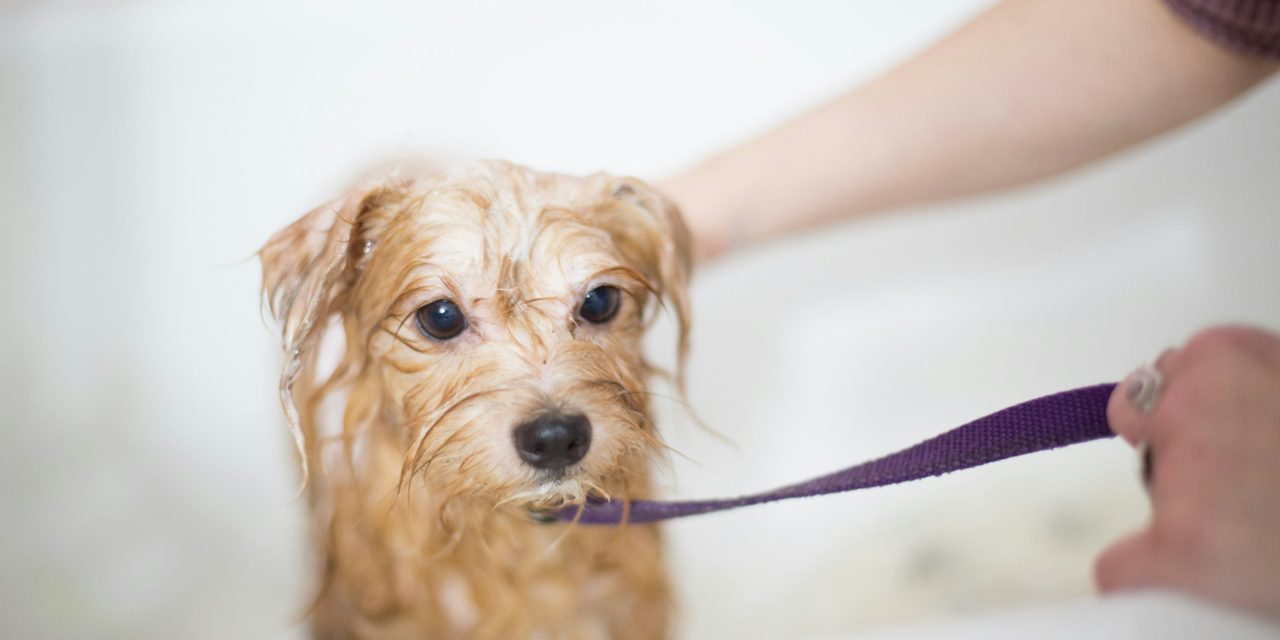
Bathing is an integral part of grooming that helps maintain your pet’s hygiene and skin health. However, it is essential to approach this task with care to avoid causing stress or discomfort. Begin by selecting a suitable shampoo formulated specifically for pets; human shampoos can disrupt the natural pH balance of their skin. Look for hypoallergenic options if your pet has sensitive skin or allergies.
Before bathing, ensure that you have all necessary supplies within reach—towels, brushes, and treats for positive reinforcement. Use lukewarm water to avoid shocking your pet with extreme temperatures. When applying shampoo, focus on massaging it into the coat rather than scrubbing vigorously; this helps distribute the product evenly while providing a soothing experience. Rinse thoroughly to prevent residue buildup, which can lead to skin irritation.
Trimming Nails Without Stress
Nail trimming is often one of the most challenging aspects of grooming for both pets and their owners. However, it is crucial for preventing painful overgrowth that can lead to mobility issues or injuries. To make this process less stressful, start by familiarizing your pet with the clippers before attempting to trim their nails. Allow them to sniff the clippers and reward them with treats for calm behavior.
When trimming nails, use specialized pet nail clippers designed to minimize discomfort. Identify the quick—the pink area within the nail that contains blood vessels—and avoid cutting into it to prevent bleeding and pain. If your pet is anxious during nail trimming, consider breaking it into smaller sessions or using a nail grinder as an alternative method. Always reward your pet after each successful trim to reinforce positive associations with the process.
Cleaning Ears and Preventing Infections
Ear cleaning is an often-overlooked aspect of grooming that is vital for preventing infections and maintaining overall ear health. Regularly inspecting your pet’s ears allows you to identify any signs of wax buildup or irritation early on. Use a veterinarian-recommended ear cleaner specifically formulated for pets; avoid using cotton swabs as they can push debris further into the ear canal.
To clean your pet’s ears effectively, apply a few drops of ear cleaner into the ear canal and gently massage the base of the ear to distribute the solution. Allow your pet to shake their head to dislodge any debris before wiping away excess cleaner with a soft cloth or cotton ball. Establishing a routine ear cleaning schedule—typically every 2-4 weeks—can significantly reduce the risk of infections caused by moisture or wax buildup.
Dental Care Tips for a Healthy Smile
Dental health is often neglected in pets but is crucial for their overall well-being. Poor dental hygiene can lead to periodontal disease, which may result in pain, tooth loss, and systemic health issues affecting organs such as the heart and kidneys. To promote good dental hygiene, consider incorporating daily brushing into your pet’s routine using toothpaste specifically formulated for pets.
In addition to brushing, dental chews and toys can help reduce plaque buildup while providing entertainment for your furry friend. Regular veterinary dental check-ups are also essential; professional cleanings may be necessary depending on your pet’s dental health status. By prioritizing dental care, you can help ensure that your pet maintains a healthy smile throughout their life.
Recognizing Signs of Skin Problems
Being vigilant about your pet’s skin health is crucial for early detection of potential issues such as allergies, infections, or parasites. Common signs of skin problems include excessive scratching, redness, swelling, or unusual odors emanating from the skin or coat. If you notice any of these symptoms, it is essential to consult with a veterinarian promptly.
Regular grooming sessions provide an excellent opportunity to inspect your pet’s skin closely. Look for any lumps, bumps, or changes in pigmentation that may indicate underlying health concerns. Additionally, be aware of seasonal changes that could trigger allergies in pets; common allergens include pollen, dust mites, and certain food ingredients. By recognizing these signs early on, you can take proactive measures to address any issues before they escalate.
Creating a Calm Grooming Environment
A calm environment is essential for successful grooming sessions; it helps reduce anxiety for both you and your pet. Begin by selecting a quiet space free from distractions where you can focus solely on grooming tasks. Consider using non-slip mats or surfaces to provide stability during brushing or bathing.
Incorporating positive reinforcement techniques can also create a more relaxed atmosphere during grooming sessions. Use treats or praise to reward your pet for calm behavior throughout the process. Additionally, playing soothing music or using pheromone diffusers designed for pets can help create a tranquil environment conducive to stress-free grooming experiences.
When to Seek Professional Grooming Help
While many grooming tasks can be performed at home, there are instances when seeking professional help is advisable. If you find yourself overwhelmed by your pet’s grooming needs—especially in cases of severe matting or behavioral issues—it may be beneficial to consult with a professional groomer who has experience handling various breeds and temperaments.
Professional groomers possess specialized training and tools that allow them to perform tasks efficiently while ensuring your pet’s safety and comfort. They can also provide valuable insights into maintaining your pet’s coat between visits and recommend products tailored to their specific needs. Regular visits to a professional groomer can complement your at-home efforts and contribute significantly to your pet’s overall health.
In summary, understanding your pet’s grooming needs is essential for maintaining their health and happiness. By choosing appropriate tools, establishing a regular schedule, employing effective techniques for brushing and bathing, trimming nails safely, cleaning ears diligently, prioritizing dental care, recognizing skin problems early on, creating a calm environment, and knowing when to seek professional help, you can ensure that your furry friend remains well-groomed and healthy throughout their life.
FAQs
What are the basic grooming needs for pets?
Basic grooming needs for pets typically include regular brushing to remove loose fur and prevent matting, bathing to keep their coat clean, nail trimming to prevent overgrowth, and ear cleaning to avoid infections. The frequency of these grooming tasks can vary based on the pet’s breed, coat type, and lifestyle.
How often should I groom my pet?
The frequency of grooming depends on the type of pet and its coat. For example, long-haired breeds may require grooming several times a week, while short-haired breeds may only need grooming once a month. Regular grooming is essential for all pets to maintain their health and hygiene.
What tools are necessary for pet grooming?
Essential grooming tools include a brush or comb suitable for your pet’s coat type, nail clippers or a nail grinder, pet shampoo, and a towel for drying. Additional tools may include ear cleaning solutions and grooming scissors for trimming fur around sensitive areas.
Can I groom my pet at home, or should I hire a professional?
Many pet owners can successfully groom their pets at home with the right tools and techniques. However, for pets with specific grooming needs, such as those requiring specialized cuts or for pets that are anxious or difficult to handle, hiring a professional groomer may be beneficial.
What are the benefits of regular grooming for pets?
Regular grooming provides numerous benefits for pets, including improved hygiene, reduced shedding, prevention of matting, and early detection of skin issues or parasites. Additionally, grooming can strengthen the bond between the pet and owner and contribute to the pet’s overall well-being.