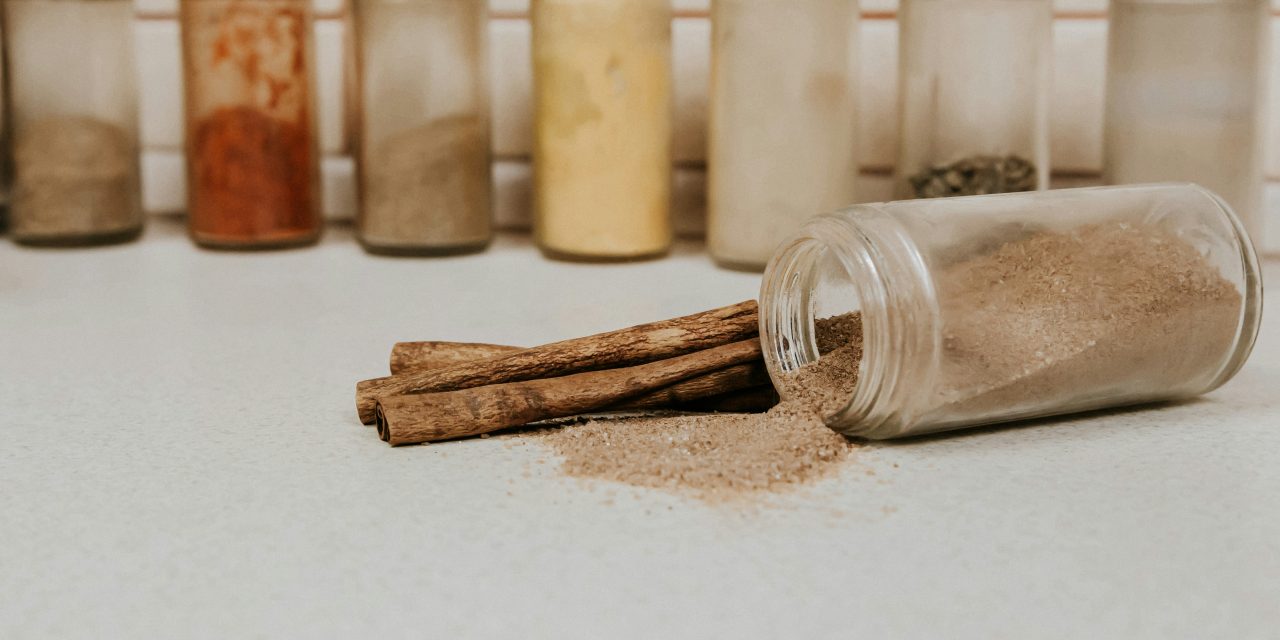
The first step in organizing your spice collection is to conduct a thorough assessment. Begin by gathering all your spices from various locations in your kitchen, including cabinets, drawers, and pantry shelves. This comprehensive collection will allow you to see the full extent of your inventory. Take note of the types of spices you possess, such as dried herbs, ground spices, and whole spices. This evaluation not only helps in understanding what you have but also aids in identifying duplicates or items that may no longer be necessary.
During this assessment, it is crucial to check the expiration dates on each spice container. Spices can lose their potency over time, and using expired spices can lead to bland dishes. Freshness is key in culinary applications, as the flavor profile of spices diminishes significantly after their peak. By cataloging your spices, you can make informed decisions about which ones to keep and which ones to discard, ensuring that your collection remains vibrant and flavorful.
Declutter and Discard Expired Spices
Once you have assessed your spice collection, the next logical step is to declutter by discarding expired or stale spices. Spices typically have a shelf life ranging from six months to several years, depending on the type. Ground spices tend to lose their flavor more quickly than whole spices, which can last longer due to their intact oils. As you sift through your collection, be vigilant about checking for any signs of spoilage, such as discoloration or an off-putting odor.
To streamline this process, consider creating a disposal system. For example, designate a specific area in your kitchen for expired spices and label it clearly. This will not only help you keep track of what needs to be thrown away but also prevent confusion in the future. Additionally, consider composting any organic spices that have gone bad, as this can contribute positively to your garden or local community composting efforts.
Choose the Right Storage Containers

Selecting appropriate storage containers is essential for maintaining the integrity of your spices. Opt for airtight containers made from glass or high-quality plastic that can effectively seal out moisture and air. Glass containers are particularly advantageous as they do not absorb odors and allow for easy visibility of contents. Furthermore, consider choosing containers with wide openings for easy access when measuring out spices during cooking.
When selecting containers, also think about the size and shape that will best fit your storage space. Uniform containers can create a visually appealing arrangement while maximizing space efficiency. Additionally, consider investing in containers with built-in measuring spoons or shaker tops for added convenience during cooking. This thoughtful approach to storage will not only enhance the longevity of your spices but also streamline your cooking process.
Utilize Vertical Space with Wall-Mounted Racks

Maximizing vertical space in your kitchen can significantly enhance your spice organization efforts. Wall-mounted racks are an excellent solution for displaying and storing spices while keeping them easily accessible. These racks come in various designs, from simple shelves to more elaborate tiered systems that allow for optimal visibility of each spice jar.
When installing wall-mounted racks, consider placing them at eye level for easy access while cooking. This not only saves counter space but also adds an aesthetic element to your kitchen decor. Additionally, ensure that the racks are securely mounted to prevent any accidents or spills. By utilizing vertical space effectively, you can create a functional and visually appealing spice storage solution.
Opt for Magnetic Spice Jars on the Refrigerator
Another innovative approach to spice organization is using magnetic spice jars on your refrigerator. These jars are designed with magnetic backs that allow them to adhere securely to metal surfaces, freeing up valuable counter and cabinet space. Magnetic jars come in various sizes and styles, making it easy to find options that suit your kitchen’s aesthetic.
When using magnetic spice jars, consider grouping similar spices together for easy identification. For instance, you might place all baking spices on one side of the refrigerator and savory spices on the other. This method not only keeps your spices organized but also adds a unique decorative touch to your kitchen. Additionally, ensure that the jars are clearly labeled to facilitate quick access while cooking.
Label Jars Clearly for Easy Identification
Labeling spice jars is a crucial step in maintaining an organized collection. Clear labels help prevent confusion and save time when searching for specific spices during meal preparation. Consider using a label maker or pre-printed labels that are easy to read and adhere securely to the containers.
When labeling jars, include both the name of the spice and its expiration date if possible. This practice allows you to quickly identify which spices need to be replaced or discarded during future assessments. Additionally, consider using color-coded labels for different categories of spices, such as herbs, seeds, and blends. This visual cue can further streamline your cooking process by allowing you to locate ingredients quickly.
Use Tiered Spice Racks Inside Cabinets
Tiered spice racks are an excellent solution for maximizing cabinet space while keeping spices organized and accessible. These racks come in various configurations, allowing you to store multiple rows of spice jars without sacrificing visibility or accessibility. By utilizing tiered racks, you can easily see all your spices at a glance without having to dig through cluttered cabinets.
When selecting tiered racks, consider the height of your cabinets and the size of your spice jars to ensure a proper fit. Additionally, opt for racks with non-slip surfaces to prevent jars from sliding around when opening or closing cabinet doors. By incorporating tiered spice racks into your cabinets, you can create a functional storage solution that enhances both organization and accessibility.
Store Frequently Used Spices Within Arm’s Reach
To streamline your cooking process further, it is essential to store frequently used spices within arm’s reach. This practice minimizes the time spent searching for essential ingredients while preparing meals. Consider designating a specific area on your countertop or in a drawer for these commonly used spices.
When organizing frequently used spices, think about grouping them by type or cuisine for added efficiency. For example, if you often cook Italian dishes, keep basil, oregano, and garlic powder together for quick access. This thoughtful arrangement not only saves time but also enhances your overall cooking experience by making essential ingredients readily available.
Create a Portable Spice Caddy for Convenience
A portable spice caddy is an excellent solution for those who enjoy cooking outdoors or frequently move between different areas of the kitchen. This caddy allows you to transport essential spices easily without having to carry multiple jars individually. Consider using a small basket or container with compartments to keep spices organized during transport.
When assembling your portable spice caddy, include only the most commonly used spices based on your cooking habits. This curated selection ensures that you have everything you need at hand without unnecessary clutter. Additionally, consider adding small measuring spoons or shakers within the caddy for added convenience while cooking on the go.
Organize Spices Alphabetically or by Cuisine
Organizing spices alphabetically or by cuisine can significantly enhance efficiency in the kitchen. Alphabetical organization allows for quick identification of specific spices without having to sift through various jars. Alternatively, grouping spices by cuisine can streamline meal preparation by keeping related flavors together.
When organizing alphabetically, ensure that labels are clear and consistent across all jars for easy navigation. If opting for cuisine-based organization, consider creating sections within your spice storage area dedicated to different culinary traditions—such as Italian, Mexican, or Asian—making it easier to find what you need when preparing specific dishes.
Maintain Your Spice Organization Regularly
Maintaining an organized spice collection requires regular attention and upkeep. Schedule periodic assessments—perhaps every six months—to evaluate the freshness of your spices and ensure that everything remains in order. During these assessments, take the opportunity to clean containers and refresh labels as needed.
Additionally, encourage family members or housemates to participate in maintaining the organization system you’ve established. By fostering a shared responsibility for spice organization, you can ensure that everyone knows where things belong and contribute to keeping the kitchen tidy.
In summary, organizing your spice collection involves assessing what you have, discarding expired items, choosing appropriate storage solutions, and maintaining order through regular upkeep. By implementing these strategies—such as utilizing vertical space with wall-mounted racks or opting for magnetic jars—you can create an efficient and aesthetically pleasing spice organization system that enhances your culinary experience.
FAQs
What are some effective ways to store spices in a small kitchen?
In a small kitchen, consider using magnetic spice jars on the refrigerator or a magnetic strip on the wall. You can also use tiered spice racks or drawer organizers to maximize vertical space. Hanging spice racks or utilizing the inside of cabinet doors can also help save space while keeping spices accessible.
How can I categorize my spices for easier access?
Categorizing spices can be done by grouping them based on their use, such as baking spices, savory spices, or international cuisine spices. You can also organize them alphabetically or by frequency of use. Labeling jars or containers clearly will further enhance accessibility and organization.
What types of containers are best for storing spices?
Glass jars with airtight lids are ideal for preserving the freshness of spices. Alternatively, plastic containers can be lightweight and durable. Ensure that the containers are opaque to protect spices from light, which can degrade their quality over time. Consider using uniform containers for a more organized look.
How can I maximize space when organizing spices?
To maximize space, utilize vertical storage solutions like wall-mounted racks or tiered shelves. Consider using drawer dividers to keep spices organized within drawers. Additionally, using stackable containers can help save space while keeping your spices neatly arranged.
What should I do with expired spices?
Expired spices should be discarded as they lose potency and flavor over time. Check the expiration dates regularly and replace any spices that are past their prime. You can also consider composting spices that are no longer usable, as they can contribute to soil health.