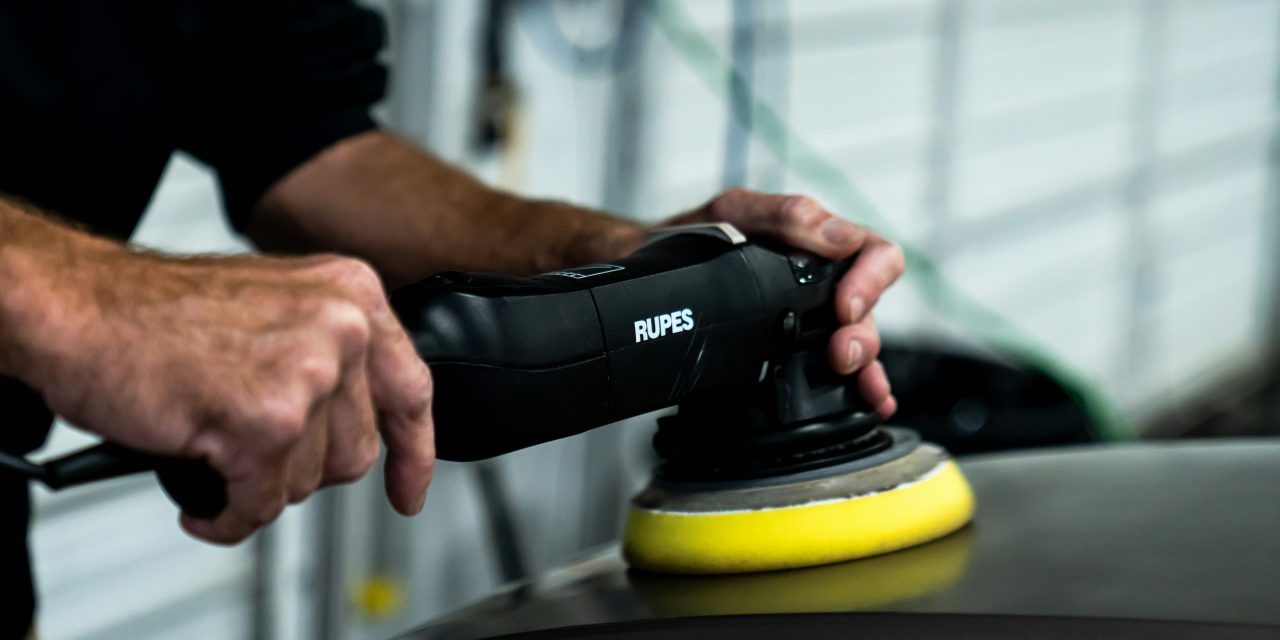
Machine polishing is an essential technique in automotive detailing that enhances the appearance of a vehicle’s paintwork. This process involves using a mechanical device equipped with a rotating or oscillating pad to apply polishing compounds to the car’s surface. The primary goal is to eliminate imperfections such as swirl marks, scratches, and oxidation, resulting in a glossy, mirror-like finish. Understanding the fundamentals of machine polishing is crucial for both novice and experienced detailers, as it lays the groundwork for achieving optimal results.
The science behind machine polishing revolves around the interaction between the polishing pad, compound, and the vehicle’s paint. Polishing compounds contain abrasives that work to remove a thin layer of clear coat, effectively leveling the surface and restoring clarity. The choice of machine polisher—whether rotary or dual-action—also plays a significant role in the outcome. Rotary polishers operate at high speeds and are ideal for heavy correction, while dual-action polishers provide a gentler approach, making them suitable for beginners and delicate finishes.
If you’re looking to enhance the shine of your vehicle, using a machine polisher can be an effective method. For a comprehensive guide on how to buff a car with a machine polisher, you might find this article helpful. Additionally, if you’re interested in exploring the benefits of quality care for your furry friends, check out this related article on the top 10 benefits of lucky dog daycare for your furry friend.
Choosing the Right Machine Polisher for Your Car
Selecting the appropriate machine polisher is paramount to achieving desired results without damaging the vehicle’s paint. There are two primary types of polishers: rotary and dual-action (DA). Rotary polishers are powerful tools that rotate in a circular motion, making them effective for removing deep scratches and heavy oxidation. However, they require a skilled hand to avoid burning through the paint or creating holograms.
On the other hand, dual-action polishers combine rotary motion with an oscillating action, providing a safer option for those less experienced in detailing. They are versatile and can be used for both polishing and waxing, making them an excellent choice for general maintenance. When choosing a polisher, consider factors such as power, weight, and ergonomics to ensure comfort during extended use. Additionally, look for models with variable speed settings to tailor the polishing process to specific needs.
Selecting the Appropriate Buffing Pads and Compounds

The effectiveness of machine polishing largely depends on the selection of buffing pads and compounds. Buffing pads come in various materials and densities, each designed for specific tasks. For instance, foam pads are commonly used for polishing due to their ability to conform to the surface while providing a smooth finish. Wool pads, on the other hand, are more aggressive and suitable for heavy cutting tasks.
When it comes to polishing compounds, they are categorized based on their abrasiveness levels. Light-cutting compounds are ideal for minor imperfections and enhancing gloss, while medium to heavy-cutting compounds are necessary for deeper scratches and oxidation removal. It is essential to match the pad and compound combination to the condition of the vehicle’s paint to achieve optimal results without causing damage.
Preparing Your Car Surface Before Polishing

Before embarking on the polishing process, thorough preparation of the car’s surface is crucial. Begin by washing the vehicle with a pH-balanced car shampoo to remove dirt, grime, and contaminants. Following this, it is advisable to decontaminate the paint using a clay bar or a chemical decontaminant to eliminate embedded particles that could hinder the polishing process.
Once the surface is clean and free from contaminants, inspect it under adequate lighting to identify imperfections that require attention. This step allows you to determine the appropriate level of correction needed and select the right combination of pads and compounds. Proper preparation not only enhances the effectiveness of machine polishing but also minimizes the risk of introducing new scratches during the process.
If you’re looking to achieve a professional finish when buffing your car with a machine polisher, it’s essential to understand the techniques and tools involved. For a comprehensive guide on enhancing your skills in the kitchen, you might find it helpful to explore this article on seasoning food, as the precision and attention to detail required in cooking can parallel the meticulous approach needed for car detailing. By mastering both crafts, you can elevate your home and automotive care to new heights.
Mastering Proper Machine Polisher Techniques
Mastering machine polishing techniques is essential for achieving professional-quality results. Begin by familiarizing yourself with the polisher’s controls and settings before starting on your vehicle. Always start with a test spot on an inconspicuous area to gauge how the paint responds to your chosen pad and compound combination.
When applying polish, use a crosshatch pattern—moving horizontally and vertically—to ensure even coverage across the surface. It is crucial to maintain a consistent speed and pressure throughout the process; too much pressure can lead to overheating and potential damage, while too little may result in ineffective polishing. Additionally, keep the polisher flat against the surface to avoid creating uneven spots or holograms.
If you’re looking to achieve a high-gloss finish on your vehicle, learning how to buff a car with a machine polisher can make a significant difference in the overall appearance. For a comprehensive guide that covers the essential steps and techniques, you might find this article on buffing techniques particularly helpful. It provides insights into selecting the right products and tools, ensuring that your car looks its best while protecting the paintwork.
Working in Small Sections for Optimal Results
To achieve optimal results during machine polishing, it is advisable to work in small sections rather than attempting to polish large areas at once. This approach allows for better control over the polisher and ensures that each section receives adequate attention. Typically, working in 2×2-foot sections is recommended, as this size allows for thorough coverage without risking product drying out before it can be worked into the paint.
As you progress through each section, periodically wipe away residue with a microfiber towel to assess your progress. This practice not only helps you gauge how much correction has been achieved but also prevents buildup that could lead to marring or scratching during subsequent passes.
Maintaining Consistent Pressure and Speed
Maintaining consistent pressure and speed during machine polishing is vital for achieving uniform results across the vehicle’s surface. The ideal speed setting will depend on various factors, including the type of polisher being used and the condition of the paint. Generally, lower speeds (around 3-4) are suitable for initial passes with heavier compounds, while higher speeds (5-6) can be employed for finishing passes with lighter compounds.
Pressure should be applied evenly across the pad without excessive force. A good rule of thumb is to apply enough pressure to compress the pad slightly while still allowing it to rotate freely. This balance ensures effective cutting without risking damage to the clear coat or underlying paint layers.
Avoiding Common Polishing Mistakes
Even seasoned detailers can fall victim to common polishing mistakes that can compromise results or damage paintwork. One prevalent error is neglecting proper pad maintenance; using dirty or worn pads can introduce scratches instead of removing them. Regularly inspect pads for wear and replace them as necessary.
Another mistake is failing to adjust techniques based on paint type; softer paints require gentler approaches compared to harder finishes. Additionally, rushing through sections can lead to uneven results or missed imperfections. Taking time to assess each area thoroughly will yield superior outcomes.
Protecting Your Car’s Finish After Buffing
After completing the polishing process, protecting your car’s finish is essential for maintaining that freshly polished look. Applying a high-quality wax or sealant creates a barrier against environmental contaminants such as UV rays, dirt, and moisture that can degrade paint over time. Wax provides a warm glow while sealants offer longer-lasting protection.
Consider using ceramic coatings for enhanced durability; these advanced products bond with the paint surface, providing superior resistance against scratches and chemical etching. Regular maintenance washes using pH-neutral products will help preserve both the shine and protective layer applied after polishing.
Cleaning and Caring for Your Polishing Equipment
Proper cleaning and maintenance of polishing equipment are crucial for ensuring longevity and optimal performance. After each use, thoroughly clean buffing pads by removing any residue or product buildup; this can be done using a pad cleaning solution or by washing them with warm water and mild detergent.
Store your machine polisher in a cool, dry place away from direct sunlight to prevent damage to electrical components or plastic parts. Regularly inspect cords and connections for wear or fraying; replacing damaged components promptly will prevent accidents during use.
Tips for Achieving a Professional-Quality Shine Every Time
Achieving a professional-quality shine consistently requires attention to detail and adherence to best practices throughout the polishing process. Always invest in high-quality products—both compounds and pads—as they significantly impact results. Additionally, consider environmental factors such as temperature and humidity; working in cooler conditions can prevent products from drying too quickly.
Utilizing proper lighting during polishing allows you to identify imperfections more easily and assess your progress accurately. Finally, practice makes perfect; honing your skills over time will lead to improved techniques and ultimately better results.
In summary, machine polishing is an intricate process that requires knowledge of equipment selection, technique mastery, and proper maintenance practices. By understanding these fundamentals and avoiding common pitfalls, anyone can achieve a stunning finish on their vehicle while preserving its integrity over time.
FAQs
What is a machine polisher?
A machine polisher is a power tool designed to polish and buff the surface of a car’s paint. It typically uses a rotating or oscillating pad to apply polishing compounds, helping to remove imperfections, swirl marks, and oxidation from the paint surface.
What are the different types of machine polishers?
There are primarily two types of machine polishers: rotary polishers and dual-action (DA) polishers. Rotary polishers rotate in a circular motion and are more aggressive, making them suitable for heavy correction. Dual-action polishers oscillate while rotating, providing a safer option for beginners and reducing the risk of burning the paint.
What supplies do I need to buff a car with a machine polisher?
To buff a car with a machine polisher, you will need a machine polisher, polishing pads (foam or microfiber), polishing compounds or waxes, a microfiber towel for wiping off residue, and possibly a clay bar for surface preparation. Additionally, it’s advisable to have a spray bottle with water or detail spray for lubrication during the process.
How do I prepare my car for machine polishing?
Before machine polishing, thoroughly wash and dry your car to remove dirt and debris. It’s also recommended to use a clay bar to eliminate embedded contaminants on the paint surface. Inspect the paint for scratches or imperfections and determine the appropriate polishing compound and pad to use based on the condition of the paint.
Can I damage my car’s paint while using a machine polisher?
Yes, it is possible to damage your car’s paint if the machine polisher is used incorrectly. Common mistakes include using too much pressure, using the wrong pad or compound, or polishing for too long in one area. To minimize the risk of damage, start with a less aggressive approach, keep the polisher moving, and follow the manufacturer’s instructions for the tools and products you are using.