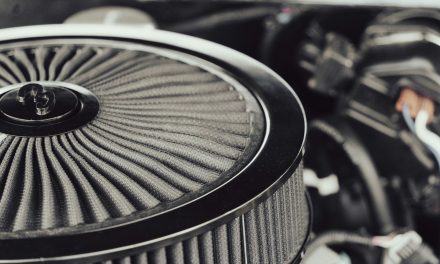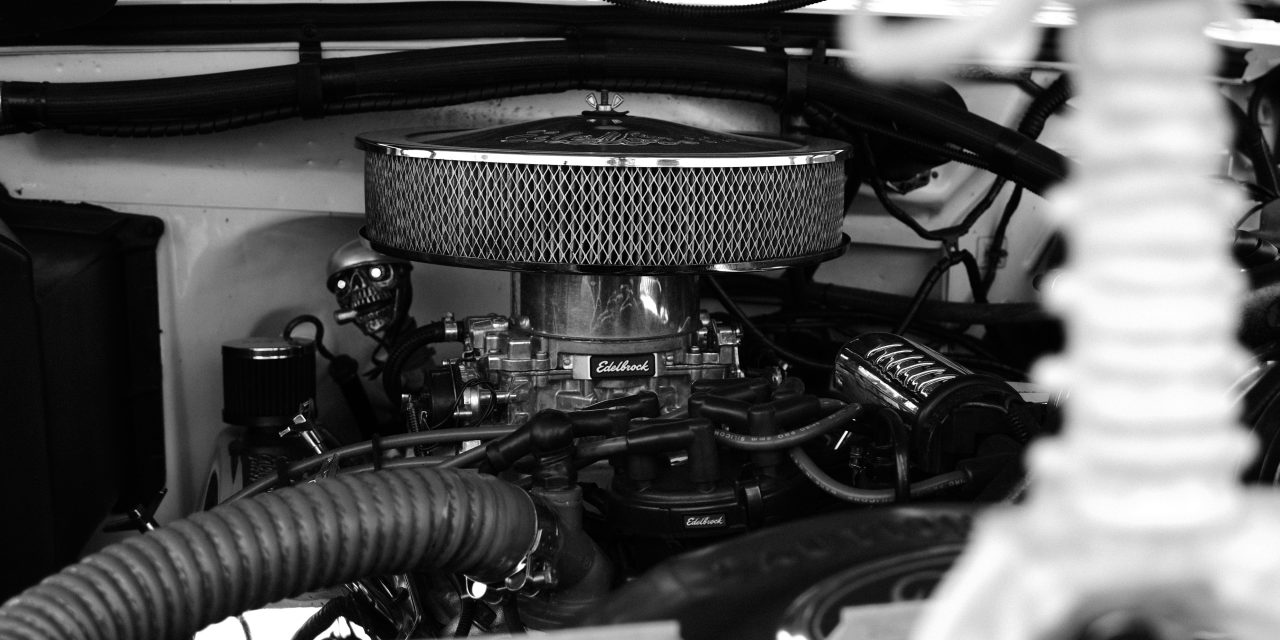
The engine air filter plays a pivotal role in maintaining optimal engine performance and longevity. It serves as a barrier, preventing dirt, dust, and other contaminants from entering the engine’s combustion chamber. A clean air filter ensures that the engine receives an adequate supply of clean air, which is essential for efficient combustion. When the air filter is clogged or dirty, it can lead to a myriad of issues, including reduced fuel efficiency, increased emissions, and diminished engine power.
Moreover, a clean engine air filter contributes to better overall vehicle performance. It allows the engine to breathe freely, which is crucial for maintaining the correct air-fuel ratio. This balance is vital for achieving maximum power output and minimizing harmful emissions. Regularly replacing the air filter can also extend the life of the engine by preventing abrasive particles from causing wear and tear on internal components.
If you’re looking to improve your vehicle’s performance and fuel efficiency, changing the engine air filter is a crucial maintenance task. For a comprehensive guide on how to change an engine air filter, you might find this article helpful. Additionally, if you’re interested in exploring more about enhancing your lifestyle, you can check out this article on delicious beef tips recipes to savor tonight at 10 Delicious Beef Tips Recipes to Savor Tonight.
Identifying When It’s Time to Change Your Air Filter
Recognizing the signs that indicate it’s time to replace your engine air filter is essential for maintaining vehicle performance. One of the most common indicators is a noticeable decrease in acceleration or power. If your vehicle struggles to gain speed or feels sluggish during operation, it may be due to a clogged air filter restricting airflow.
Another telltale sign is a decrease in fuel efficiency. A dirty air filter can cause the engine to work harder to draw in air, leading to increased fuel consumption. Additionally, if you notice unusual engine noises or a rough idle, these symptoms may also suggest that the air filter requires replacement. Regular inspections, ideally every 12,000 to 15,000 miles or as recommended by your vehicle manufacturer, can help you stay ahead of potential issues.
Gathering the Necessary Tools and Materials

Before embarking on the task of replacing your engine air filter, it is crucial to gather all necessary tools and materials to ensure a smooth process. The primary items you will need include a new engine air filter compatible with your vehicle model, a socket wrench set or screwdriver (depending on your vehicle’s design), and a clean cloth or vacuum for debris removal.
Additionally, having safety gloves and goggles on hand is advisable to protect yourself from any dust or debris that may be present in the air filter housing. A flashlight can also be beneficial for illuminating hard-to-see areas during inspection and installation. By preparing these tools in advance, you can streamline the replacement process and minimize any potential delays.
Locating the Air Filter Housing in Your Vehicle

Locating the air filter housing is a critical step in the replacement process. In most vehicles, the air filter housing is situated near the front of the engine bay, typically on one side of the engine compartment. It is often housed within a plastic or metal casing that may be secured with clips or screws.
To identify the housing accurately, consult your vehicle’s owner manual for specific diagrams and instructions. If you are unable to locate it visually, you can trace the intake duct from the front grille to find where it connects to the engine. This duct leads directly to the air filter housing. Familiarizing yourself with this component will facilitate easier access during replacement.
Changing an engine air filter is an essential part of vehicle maintenance that can significantly improve your car’s performance and fuel efficiency. If you’re looking for a comprehensive guide on this topic, you might find it helpful to check out a related article that offers step-by-step instructions and tips. For more information on how to properly maintain your vehicle, you can read this insightful piece on quick and easy recipes, which emphasizes the importance of taking care of your essentials, just like you would with your car. Visit this link to explore more.
Safely Removing the Old Engine Air Filter
Once you have located the air filter housing, it is time to safely remove the old engine air filter. Begin by ensuring that your vehicle is turned off and parked on a level surface. If necessary, disconnect any electrical connectors or hoses that may obstruct access to the housing.
Using your socket wrench or screwdriver, carefully remove any screws or clips securing the housing cover. Gently lift off the cover to expose the old air filter. Take care not to damage any surrounding components during this process. Once exposed, grasp the old filter and pull it out of its housing, being cautious of any debris that may fall into the intake manifold.
Inspecting the Air Filter Housing for Debris
After removing the old engine air filter, it is essential to inspect the air filter housing for any accumulated debris or contaminants. Use a clean cloth or vacuum to remove any dirt, dust, or particles that may have settled inside the housing. This step is crucial as leftover debris can compromise the effectiveness of your new air filter.
Examine the housing for any signs of wear or damage as well. Cracks or broken seals can allow unfiltered air to enter the engine, negating the benefits of a new filter. If you notice any significant issues with the housing itself, consider consulting a professional mechanic for further evaluation and repair.
Choosing the Right Replacement Air Filter
Selecting an appropriate replacement air filter is vital for ensuring optimal engine performance. When choosing a new filter, always refer to your vehicle’s owner manual for specifications regarding size and type. Filters come in various designs, including paper, foam, and cotton gauze; each has its advantages and disadvantages.
Paper filters are commonly used due to their affordability and effectiveness in trapping contaminants. However, they may require more frequent replacements compared to reusable options like cotton gauze filters. If you opt for a reusable filter, ensure it is washable and compatible with your vehicle’s specifications. Investing in high-quality filters from reputable manufacturers can enhance filtration efficiency and prolong engine life.
Installing the New Engine Air Filter Correctly
With your new engine air filter in hand, it’s time to install it correctly into the housing. Begin by ensuring that the housing is clean and free from debris before placing the new filter inside. Align it properly within its designated slot; improper installation can lead to gaps that allow unfiltered air into the engine.
Once positioned correctly, replace the housing cover securely using screws or clips as necessary. Ensure that all fasteners are tightened adequately but avoid overtightening, which could damage plastic components. Double-check that all electrical connectors or hoses are reattached if they were disconnected during removal.
Securing the Air Filter Housing Properly
Securing the air filter housing properly is crucial for maintaining an airtight seal that prevents contaminants from entering the engine. After installing the new filter and replacing the cover, inspect all clips and screws to ensure they are fastened tightly.
If your vehicle features rubber gaskets or seals around the housing, verify their condition as well. Worn or damaged seals should be replaced to maintain optimal performance and prevent leaks. A well-secured housing not only protects your engine but also contributes to improved fuel efficiency and reduced emissions.
Testing Your Vehicle After the Air Filter Change
After completing the installation of your new engine air filter, it’s essential to test your vehicle to ensure everything is functioning correctly. Start your engine and allow it to idle for a few minutes while observing any unusual noises or vibrations that may indicate improper installation.
Take your vehicle for a short drive to assess its performance post-replacement. Pay attention to acceleration response and overall power delivery; you should notice an improvement in both areas if everything has been installed correctly. If you experience any issues during this test drive, recheck your installation steps or consult a professional mechanic for assistance.
Tips for Maintaining Your Engine Air Filter Regularly
Regular maintenance of your engine air filter is key to ensuring long-term vehicle performance and efficiency. Establishing a routine inspection schedule—ideally every 12,000 miles or as recommended by your manufacturer—can help you stay ahead of potential issues related to airflow restriction.
In addition to regular inspections, consider driving conditions when determining how often to replace your air filter. Vehicles frequently driven in dusty environments may require more frequent changes compared to those driven primarily on highways or in urban settings. Keeping an eye on fuel efficiency can also serve as an indicator; if you notice a sudden drop in mileage, it may be time to check your air filter.
Furthermore, consider investing in high-quality filters that offer superior filtration capabilities and longevity. Some filters are designed with advanced materials that enhance airflow while effectively trapping contaminants—these options may provide better long-term value despite a higher initial cost.
In summary, maintaining a clean engine air filter is essential for optimal vehicle performance and longevity. By understanding when to change your filter, gathering necessary tools, and following proper installation procedures, you can ensure your engine operates efficiently while minimizing harmful emissions. Regular inspections and maintenance will further enhance performance and fuel efficiency over time.
### FAQ Section
1. **How often should I change my engine air filter?**
– It is generally recommended to replace your engine air filter every 12,000 to 15,000 miles; however, consult your vehicle’s owner manual for specific guidelines.
2. **What are signs that my air filter needs changing?**
– Decreased acceleration, reduced fuel efficiency, unusual engine noises, or rough idling are common indicators that your air filter may need replacement.
3. **Can I clean my air filter instead of replacing it?**
– Some reusable filters can be cleaned; however, disposable paper filters should be replaced once they become dirty.
4. **What happens if I don’t change my air filter?**
– Failing to change a clogged air filter can lead to reduced engine performance, increased fuel consumption, and higher emissions levels.
5. **Are there different types of air filters?**
– Yes, common types include paper filters (disposable), foam filters (washable), and cotton gauze filters (reusable).
6. **Can I install an aftermarket air filter?**
– Yes, aftermarket filters can be installed as long as they meet OEM specifications; however, ensure they are compatible with your vehicle model.
7. **Is it necessary to consult a mechanic for air filter replacement?**
– While many individuals can perform this task themselves with basic tools and knowledge, consulting a mechanic is advisable if you are unsure about any steps involved.
8. **How does a dirty air filter affect fuel economy?**
– A dirty air filter restricts airflow into the engine, causing it to work harder and consume more fuel than necessary.
9. **What tools do I need for changing my air filter?**
– Basic tools include a socket wrench set or screwdriver (depending on your vehicle), safety gloves/goggles, a clean cloth/vacuum for debris removal.
10. **Can I drive my car with a dirty air filter?**
– While it may still run temporarily with a dirty air filter, doing so can lead to long-term damage and decreased performance over time.
In conclusion, maintaining a clean engine air filter is vital for ensuring optimal vehicle performance and longevity while minimizing harmful emissions. By understanding when to change your filter and following proper installation procedures, you can enhance both efficiency and reliability in your vehicle’s operation.
FAQs
What is an engine air filter and why is it important?
An engine air filter is a component that prevents dirt, debris, and contaminants from entering the engine’s intake system. It is crucial for maintaining optimal engine performance, fuel efficiency, and longevity, as a clean air filter ensures that the engine receives the right amount of clean air for combustion.
How often should I change my engine air filter?
It is generally recommended to change the engine air filter every 12,000 to 15,000 miles, but this can vary based on driving conditions. If you frequently drive in dusty or polluted environments, you may need to replace it more often. Always refer to your vehicle’s owner manual for specific recommendations.
What tools do I need to change an engine air filter?
To change an engine air filter, you typically need a flathead screwdriver or a socket wrench, depending on your vehicle’s design. Additionally, having a clean cloth or vacuum can help remove any debris from the air filter housing before installing the new filter.
Can I change the engine air filter myself?
Yes, changing the engine air filter is a relatively simple task that many car owners can do themselves. With basic tools and a little guidance, you can locate the air filter housing, remove the old filter, and install a new one without needing professional assistance.
What are the signs that my engine air filter needs to be replaced?
Signs that your engine air filter may need replacement include decreased engine performance, reduced fuel efficiency, unusual engine sounds, or the check engine light illuminating. If you notice any of these symptoms, it may be time to inspect and potentially replace the air filter.