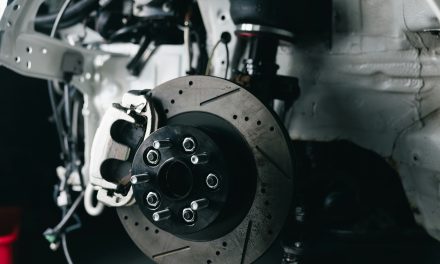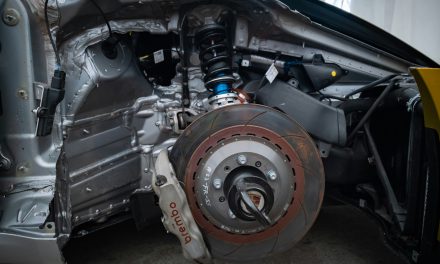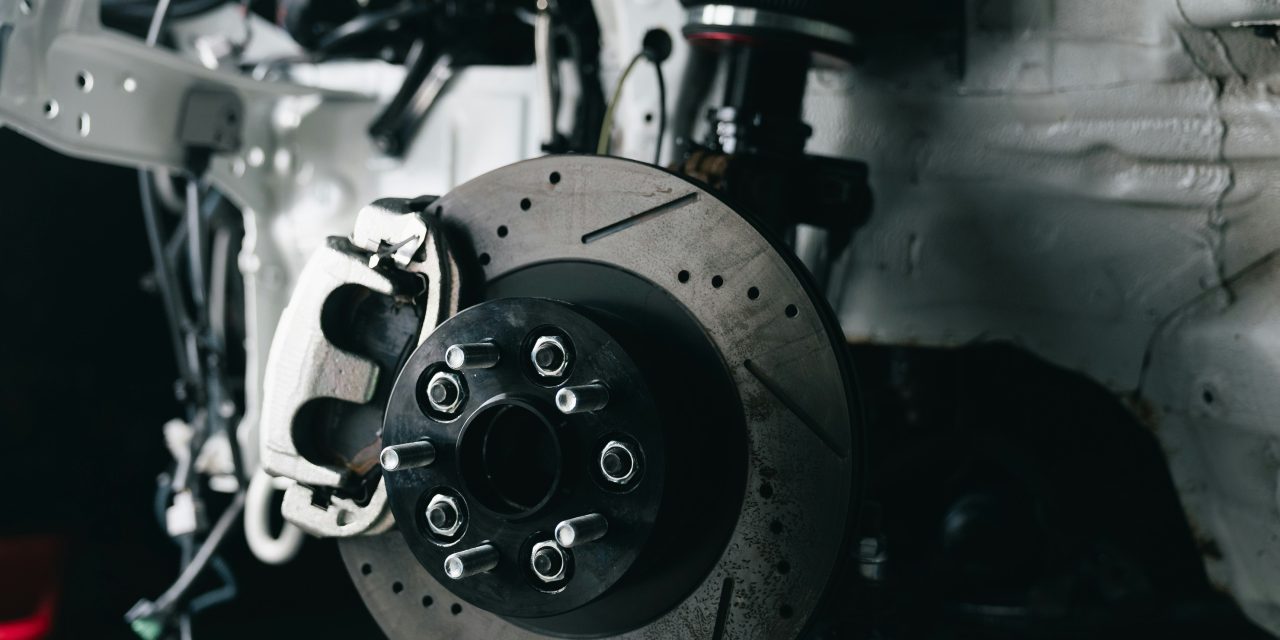
Brake rotor warping is a prevalent issue that affects the performance and safety of a vehicle’s braking system. This phenomenon occurs when the brake rotors, which are crucial components that facilitate the friction necessary for slowing down or stopping a vehicle, become unevenly shaped or distorted. Warping can lead to a range of problems, including vibrations during braking, reduced stopping power, and increased wear on brake pads. The underlying causes of rotor warping can be multifaceted, often stemming from excessive heat, improper installation, or the use of substandard materials.
The symptoms of warped rotors are typically noticeable during braking. Drivers may experience a pulsating sensation in the brake pedal or steering wheel, indicating that the rotors are not making uniform contact with the brake pads. This condition not only compromises vehicle safety but can also lead to more severe mechanical issues if left unaddressed. Understanding the factors contributing to brake rotor warping is essential for maintaining optimal vehicle performance and ensuring driver safety.
Understanding what causes brake rotors to warp is essential for maintaining vehicle safety and performance. Factors such as excessive heat from prolonged braking, uneven wear, and poor installation can contribute to this issue. For more insights into how to identify different types of insects, which can sometimes be a nuisance while driving, you can read this related article on flying ants and termite swarmers: Flying Ants vs. Termite Swarmers: How to Identify Them.
The Role of Excessive Heat in Rotor Warping
Excessive heat is one of the primary culprits behind brake rotor warping. When brakes are applied, kinetic energy is converted into thermal energy due to friction between the brake pads and rotors. If this heat is not dissipated effectively, it can cause the rotors to expand unevenly, leading to warping. High-performance driving conditions, such as frequent hard braking or driving downhill, can exacerbate this issue by generating significant amounts of heat in a short period.
To mitigate the effects of excessive heat, it is crucial to understand the thermal dynamics involved in braking. Brake rotors are typically made from cast iron or carbon composite materials, both of which have specific thermal properties. When subjected to extreme temperatures, these materials can lose their structural integrity, resulting in warping. Implementing proper cooling techniques and selecting high-quality rotors designed to withstand high thermal loads can significantly reduce the risk of warping.
Impact of Hard Braking and Aggressive Driving

Hard braking and aggressive driving habits can significantly contribute to brake rotor warping. Frequent and abrupt stops generate excessive heat, which can lead to thermal stress on the rotors. Drivers who engage in rapid acceleration and sudden deceleration are particularly susceptible to this issue. The repeated application of brakes under such conditions can create hotspots on the rotor surface, causing uneven wear and eventual warping.
To combat the adverse effects of aggressive driving, it is advisable for drivers to adopt smoother driving techniques. Gradual acceleration and deceleration not only enhance fuel efficiency but also reduce the strain on braking components. Additionally, understanding the vehicle’s braking capabilities and limitations can help drivers make informed decisions about when to apply brakes, ultimately prolonging the lifespan of brake rotors.
Consequences of Improper Brake Pad Installation

Improper installation of brake pads can lead to a myriad of issues, including rotor warping. When brake pads are not aligned correctly or are installed with inadequate torque specifications, they may not make uniform contact with the rotor surface. This misalignment can create uneven wear patterns on both the pads and rotors, leading to vibrations and reduced braking efficiency.
To ensure proper installation, it is essential to follow manufacturer guidelines meticulously. Utilizing appropriate tools and techniques during installation can prevent misalignment and ensure that brake pads are seated correctly against the rotors. Regular inspections following installation can also help identify any potential issues early on, allowing for timely corrections before they escalate into more significant problems.
One common issue that drivers face is the warping of brake rotors, which can lead to decreased braking performance and safety concerns. Factors such as excessive heat, improper installation, and uneven wear can contribute to this problem. For a deeper understanding of how mechanical components can fail and affect overall performance, you might find it interesting to read about the common causes of dishwasher issues in this related article. Both topics highlight the importance of regular maintenance and awareness of how different systems operate.
Effects of Using Low-Quality Brake Components
The use of low-quality brake components can have detrimental effects on the overall braking system, including rotor warping. Inferior materials may not withstand the thermal stresses associated with braking, leading to premature wear and deformation. Additionally, low-quality brake pads may contain abrasive materials that can accelerate rotor wear and contribute to uneven surfaces.
Investing in high-quality brake components is crucial for maintaining optimal braking performance. Premium brake pads and rotors are engineered to provide superior heat dissipation and durability, reducing the likelihood of warping over time. Furthermore, reputable manufacturers often conduct rigorous testing to ensure their products meet safety standards, providing peace of mind for drivers concerned about their vehicle’s braking capabilities.
Influence of Uneven Torque on Wheel Lug Nuts
Uneven torque applied to wheel lug nuts can also play a significant role in brake rotor warping. When lug nuts are tightened inconsistently, it can create uneven pressure on the rotor assembly, leading to distortion over time. This issue is particularly prevalent during tire rotations or replacements when lug nuts are removed and reinstalled.
To prevent uneven torque issues, it is essential to use a calibrated torque wrench when tightening lug nuts. Following the manufacturer’s recommended torque specifications ensures that each nut is tightened uniformly, distributing pressure evenly across the rotor assembly. Regular checks on lug nut torque after installation can further mitigate the risk of warping due to uneven forces acting on the rotors.
Problems Caused by Inadequate Rotor Bedding
Rotor bedding is a critical process that involves establishing an even layer of friction material on the rotor surface through controlled braking. Inadequate bedding can lead to uneven contact between the brake pads and rotors, resulting in hot spots and eventual warping. Proper bedding allows for optimal performance by ensuring that the brake pads conform to the rotor surface.
To achieve effective bedding, drivers should follow specific procedures outlined by manufacturers. This typically involves a series of gradual stops from moderate speeds to allow for even material transfer between pads and rotors. Failing to adhere to bedding protocols can compromise braking efficiency and increase the likelihood of rotor warping over time.
How Rust and Corrosion Contribute to Warping
Rust and corrosion are significant contributors to brake rotor warping, particularly in regions with high humidity or where road salt is commonly used during winter months. When moisture accumulates on the rotor surface, it can lead to oxidation, resulting in pitting and uneven surfaces that compromise braking performance. Over time, these imperfections can exacerbate wear patterns and contribute to warping.
To combat rust and corrosion, regular maintenance is essential. Drivers should inspect their brake components periodically for signs of deterioration and address any issues promptly. Additionally, applying protective coatings or using rotors made from corrosion-resistant materials can help mitigate these effects and prolong rotor lifespan.
The Importance of Regular Brake System Maintenance
Regular maintenance of the brake system is paramount for preventing issues such as rotor warping. Routine inspections allow for early detection of wear patterns or damage that could lead to more significant problems down the line. Brake fluid should also be checked regularly for contamination or moisture accumulation, as these factors can adversely affect braking performance.
Incorporating a comprehensive maintenance schedule that includes checking brake pads, rotors, calipers, and fluid levels can significantly enhance vehicle safety and performance. Engaging a qualified technician for routine inspections ensures that any potential issues are addressed promptly, reducing the risk of costly repairs associated with neglected brake systems.
Tips for Proper Brake Cooling and Heat Dissipation
Effective cooling and heat dissipation are crucial for preventing brake rotor warping due to excessive heat buildup. Drivers can implement several strategies to enhance cooling during operation. For instance, avoiding prolonged braking during downhill descents allows airflow around the rotors to cool them effectively.
Additionally, upgrading to ventilated or slotted rotors can improve heat dissipation by increasing surface area exposure to airflow. These designs facilitate better cooling compared to traditional solid rotors, reducing the likelihood of thermal stress-induced warping. Furthermore, utilizing high-performance brake pads designed for enhanced heat resistance can also contribute to improved cooling efficiency.
Best Practices to Prevent Warped Brake Rotors
Preventing warped brake rotors requires a proactive approach that encompasses various best practices. First and foremost, investing in high-quality components is essential for ensuring durability under demanding conditions. Regular inspections should be conducted to identify any signs of wear or damage early on.
Adopting smooth driving habits can significantly reduce stress on braking components while enhancing overall vehicle safety. Proper installation techniques should be employed during pad replacements or tire rotations to ensure even pressure distribution across rotors. Lastly, maintaining a consistent maintenance schedule will help keep all components in optimal condition, minimizing the risk of warping over time.
In summary, understanding brake rotor warping involves recognizing its causes and implementing preventive measures effectively. Excessive heat, aggressive driving habits, improper installations, low-quality components, uneven torque application, inadequate bedding processes, rust accumulation, and neglecting maintenance all contribute to this issue. By adopting best practices such as regular inspections and investing in quality parts while promoting smooth driving techniques, drivers can significantly reduce their risk of experiencing warped brake rotors and ensure safer driving conditions overall.
FAQs
What are the primary causes of brake rotor warping?
Brake rotor warping is primarily caused by excessive heat generated during braking, which can lead to uneven wear and distortion. Other contributing factors include improper installation, using low-quality rotors, and driving habits such as frequent hard braking.
How does heat affect brake rotors?
Heat affects brake rotors by causing them to expand and contract. When the rotors become too hot, they can warp due to thermal stress. This is often exacerbated by repeated heavy braking, which can lead to localized overheating and uneven surface wear.
Can driving habits contribute to brake rotor warping?
Yes, driving habits can significantly contribute to brake rotor warping. Frequent hard braking, riding the brakes, or aggressive driving can generate excessive heat and stress on the rotors, increasing the likelihood of warping over time.
Is it possible to prevent brake rotor warping?
Preventing brake rotor warping can be achieved through regular maintenance, using high-quality brake components, and adopting smoother driving habits. Additionally, ensuring proper installation and alignment of brake components can help minimize the risk of warping.
What are the signs of warped brake rotors?
Signs of warped brake rotors include a pulsating or vibrating sensation when braking, uneven brake pad wear, and increased stopping distances. Drivers may also notice a squeaking or grinding noise when the brakes are applied, indicating potential rotor issues.