Hydration is a cornerstone of effective skincare, playing a pivotal role in maintaining skin health and appearance. The skin, being the body’s largest organ, requires adequate moisture to function optimally. When skin is well-hydrated, it appears plump, radiant, and youthful. Conversely, dehydration can lead to a myriad of issues, including dryness, flakiness, and premature aging. The stratum corneum, the outermost layer of the skin, acts as a barrier that retains moisture; however, environmental factors such as pollution, UV exposure, and harsh weather can compromise this barrier, leading to transepidermal water loss (TEWL).
Moreover, hydration is not merely about topical application; it also involves internal factors such as water intake and nutrition. The skin’s hydration levels can be influenced by dietary choices, including the consumption of hydrating foods rich in vitamins and antioxidants. Therefore, a holistic approach that combines both external hydration through skincare products and internal hydration through diet is essential for achieving optimal skin health.
If you’re looking to enhance your skincare routine, understanding how to effectively layer hydrating serums and moisturizers can make a significant difference in achieving that coveted glow. For a deeper dive into skincare techniques, you might find this article helpful: 10 Easy Steps to Create Your Vegetable Garden Planting Calendar. While it primarily focuses on gardening, the principles of layering and nurturing can be applied to your skincare regimen as well, ensuring that each product works harmoniously for optimal results.
Choosing the Right Hydrating Serums for Your Skin Type
Selecting the appropriate hydrating serum is crucial for addressing specific skin concerns effectively. Different skin types—oily, dry, combination, and sensitive—require tailored formulations to achieve maximum hydration without exacerbating existing issues. For instance, individuals with oily skin may benefit from lightweight serums containing hyaluronic acid or glycerin, which provide moisture without clogging pores. These ingredients attract water molecules to the skin’s surface, ensuring hydration without adding excess oil.
On the other hand, those with dry or dehydrated skin should opt for serums enriched with emollients and occlusives such as squalane or ceramides. These ingredients not only hydrate but also create a protective barrier that locks in moisture. Sensitive skin types may require serums formulated with soothing agents like aloe vera or chamomile to prevent irritation while still delivering hydration. Understanding your skin type and its unique needs is paramount in selecting the right serum for optimal results.
The Science Behind Layering Serums and Moisturizers

Layering serums and moisturizers is an art that hinges on understanding the science of skin absorption and product formulation. Serums are typically more concentrated than moisturizers and contain active ingredients designed to penetrate deeper into the skin. This allows them to address specific concerns such as fine lines, pigmentation, or dehydration effectively. Moisturizers, on the other hand, primarily serve to hydrate the outer layer of the skin while providing a protective barrier against environmental aggressors.
The efficacy of layering lies in the principle of “thinnest to thickest.” Applying products in this order ensures that lighter formulations can penetrate the skin effectively before being sealed in by heavier creams. This method not only maximizes hydration but also enhances the overall effectiveness of active ingredients present in serums. Understanding this layering technique is essential for anyone looking to optimize their skincare routine.
Step-by-Step Guide to Applying Hydrating Serums

Applying hydrating serums correctly can significantly enhance their effectiveness. Begin by cleansing your face with a gentle cleanser suited to your skin type to remove impurities and prepare your skin for product absorption. After cleansing, pat your face dry with a clean towel—this step is crucial as damp skin can enhance serum absorption.
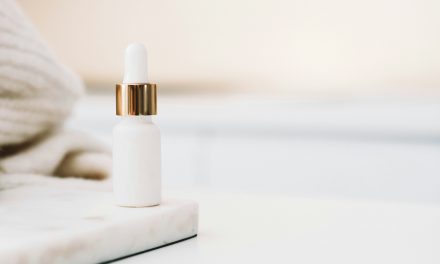
Next, dispense a few drops of your chosen serum onto your fingertips or directly onto your face. Gently massage the serum into your skin using upward motions to promote circulation and ensure even distribution. Allow the serum to absorb fully before proceeding to the next step in your routine. This typically takes about one to two minutes. Following serum application, apply a moisturizer to lock in hydration and create a protective barrier against moisture loss.
When it comes to achieving a radiant and hydrated complexion, understanding how to layer hydrating serums and moisturizers is essential. For a deeper dive into skincare techniques, you might find this article on spotting fleas during your pet’s grooming routine particularly interesting, as it highlights the importance of maintaining a healthy environment for both your skin and your furry friends. By mastering the art of layering, you can ensure that your skin receives the maximum benefits from each product, leading to a more luminous and well-nourished appearance.
How to Properly Layer Moisturizer Over Serums
Layering moisturizer over serums is an essential step in any skincare regimen aimed at achieving optimal hydration. After allowing your serum to absorb completely, take an appropriate amount of moisturizer—typically a pea-sized amount—and warm it between your palms before applying it to your face. This warming action helps activate the ingredients within the moisturizer.
Using gentle upward strokes, apply the moisturizer evenly across your face and neck. Pay special attention to areas prone to dryness or flakiness, ensuring that every part of your skin receives adequate hydration. It’s important not to rub too vigorously; instead, use light pressure to avoid irritation. Allow the moisturizer to settle into your skin for a few minutes before applying any additional products such as sunscreen or makeup.
Timing and Texture: What to Know Before Layering
Timing and texture play critical roles in the effectiveness of layering skincare products. The general rule of thumb is to apply products based on their texture—from thinnest to thickest. This means starting with water-based serums followed by oil-based products and finishing with creams or balms. This order ensures that each product can penetrate effectively without being hindered by thicker formulations.
Timing also matters; applying products too quickly can lead to ineffective absorption. Allow each layer sufficient time—typically one to two minutes—to absorb fully before applying the next product. Additionally, consider environmental factors such as humidity and temperature when layering products; these can affect how quickly products absorb into the skin.
Combining Active Ingredients for Maximum Hydration
Combining active ingredients can significantly enhance hydration levels in the skin when done correctly. Ingredients such as hyaluronic acid are excellent for attracting moisture, while niacinamide can help strengthen the skin barrier and improve overall texture. When layering serums containing these ingredients, it’s essential to consider their compatibility; some actives may counteract each other’s benefits if not used properly.
For instance, pairing hyaluronic acid with vitamin C can provide both hydration and antioxidant protection against environmental stressors. However, avoid combining potent actives like retinol with exfoliating acids in the same routine as this may lead to irritation or compromised skin barrier function. Always conduct patch tests when introducing new ingredients into your regimen to ensure compatibility with your skin.
Avoiding Common Mistakes When Layering Products
Mistakes in layering skincare products can undermine even the most carefully curated routines. One common error is applying too much product; using excessive amounts can lead to pilling or ineffective absorption. Instead, focus on using small amounts of each product—typically a few drops of serum and a pea-sized amount of moisturizer—to achieve optimal results.
Another frequent mistake is neglecting to allow adequate time for each layer to absorb before applying the next product. Rushing through this process can hinder absorption and reduce overall effectiveness. Additionally, failing to consider ingredient compatibility can lead to irritation or diminished results; always research active ingredients before combining them in your routine.
Tips for Enhancing Serum Absorption
Enhancing serum absorption is key to maximizing hydration benefits. One effective method is applying serums on slightly damp skin; this can help draw moisture into the deeper layers of the epidermis. Additionally, using a facial mist before serum application can further enhance hydration levels.
Incorporating facial massage techniques during serum application can also promote circulation and improve absorption rates. Using tools such as jade rollers or gua sha stones can facilitate this process while providing additional benefits such as lymphatic drainage and relaxation.
Seasonal Adjustments for Your Hydration Routine
Seasonal changes can significantly impact your skin’s hydration needs; therefore, adjusting your routine accordingly is essential for maintaining optimal moisture levels year-round. During colder months, when humidity levels drop, consider incorporating richer creams or oils into your regimen to combat dryness and prevent transepidermal water loss.
Conversely, during warmer months, lightweight gel-based serums may be more suitable as they provide hydration without feeling heavy on the skin. Additionally, incorporating hydrating ingredients such as aloe vera or cucumber extract can help soothe sun-exposed skin during summer months.
Maintaining Consistency for Long-Lasting Glowing Skin
Consistency is paramount when it comes to achieving long-lasting glowing skin through hydration practices. Establishing a daily routine that incorporates cleansing, hydrating serums, and moisturizers will yield cumulative benefits over time. Regularly reassessing your skincare needs based on changes in climate or lifestyle will ensure that your routine remains effective.
Moreover, maintaining proper hydration levels internally by drinking adequate water throughout the day will complement your topical efforts and contribute significantly to overall skin health. By committing to a consistent skincare regimen that prioritizes hydration, you will cultivate radiant and resilient skin that stands the test of time.
In summary, understanding hydration’s role in skincare is essential for achieving healthy skin. Choosing appropriate hydrating serums tailored to individual skin types enhances effectiveness while layering techniques maximize absorption and efficacy of active ingredients. Avoiding common mistakes and adjusting routines seasonally ensures long-lasting results that promote glowing skin year-round. Consistency remains key in maintaining optimal hydration levels both externally through skincare products and internally through proper hydration practices.
FAQs
What is the purpose of layering hydrating serums and moisturizer?
Layering hydrating serums and moisturizer helps to enhance skin hydration by combining different formulations that target various skin concerns. Serums typically contain concentrated active ingredients that penetrate deeper into the skin, while moisturizers provide a protective barrier that locks in moisture and keeps the skin hydrated throughout the day.
How do I choose the right hydrating serum for my skin type?
To choose the right hydrating serum, consider your skin type and specific concerns. For dry skin, look for serums with hyaluronic acid or glycerin. For oily or acne-prone skin, opt for lightweight, oil-free formulas. If you have sensitive skin, choose serums with soothing ingredients like aloe vera or chamomile.
Should I apply hydrating serums before or after moisturizer?
Hydrating serums should be applied before moisturizer. This allows the serum to penetrate the skin effectively and deliver its active ingredients. After the serum has absorbed, applying moisturizer on top helps to seal in the hydration and create a protective barrier.
Can I layer multiple hydrating serums?
Yes, you can layer multiple hydrating serums, but it’s important to apply them in order of their consistency, starting with the thinnest to the thickest. Allow each serum to absorb fully before applying the next one. This can help target different skin concerns more effectively.
How often should I use hydrating serums and moisturizer?
Hydrating serums and moisturizer can typically be used daily, both in the morning and evening. However, it’s essential to listen to your skin and adjust the frequency based on how your skin responds. If you experience irritation or excessive oiliness, consider reducing the frequency or switching to lighter formulations.