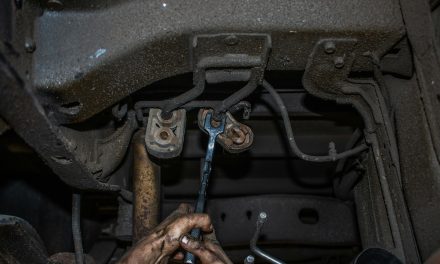
Regular oil changes are paramount for maintaining optimal engine performance and longevity. Engine oil serves as a lubricant, reducing friction between moving parts, thereby preventing wear and tear. Over time, oil degrades due to heat, contaminants, and the breakdown of its chemical properties. This degradation can lead to increased engine wear, reduced fuel efficiency, and ultimately, catastrophic engine failure. The American Automobile Association (AAA) recommends changing the oil every 3,000 to 5,000 miles, depending on the vehicle’s make and model, as well as the type of oil used.
In addition to mileage, factors such as driving conditions and habits can influence oil change frequency. For instance, frequent short trips, stop-and-go traffic, or extreme temperatures can accelerate oil degradation. Utilizing high-quality synthetic oils can extend intervals between changes due to their superior resistance to breakdown. Regularly checking the oil level and condition can also provide insights into the engine’s health, allowing for timely interventions before minor issues escalate into major repairs.
Maintaining a high mileage car can be a challenging task, but with the right strategies, you can ensure its longevity and performance. Regular maintenance, such as oil changes, tire rotations, and brake inspections, is crucial. Additionally, keeping an eye on fluid levels and addressing any minor issues before they escalate can save you from costly repairs down the line. For those who also care for aging pets, understanding how to provide the best care for them can be equally important. You might find useful tips in this article on 10 Essential Senior Cat Care Tips for a Happy, Healthy Life, which emphasizes the importance of regular check-ups and proper maintenance for your furry friends.
Monitor and Replace Fluids Consistently
Beyond engine oil, a vehicle relies on various fluids to function correctly. Transmission fluid, brake fluid, coolant, power steering fluid, and windshield washer fluid all play critical roles in ensuring safety and performance. Each fluid has specific properties and functions; for example, transmission fluid lubricates gears and facilitates smooth shifting, while brake fluid is essential for effective braking performance. Neglecting these fluids can lead to severe mechanical failures or safety hazards.
Routine checks should include assessing fluid levels and conditions. For instance, transmission fluid should be a bright red color and free of burnt odors; if it appears dark or smells burnt, it may require replacement. Coolant should be checked for proper concentration to prevent overheating or freezing. Regularly replacing these fluids according to the manufacturer’s recommendations can prevent costly repairs and enhance vehicle reliability.
Keep an Eye on Tire Condition and Pressure

Tires are the only contact point between a vehicle and the road; thus, their condition is crucial for safety and performance. Regularly inspecting tire tread depth is essential; tires with insufficient tread can lead to hydroplaning or reduced traction in adverse weather conditions. The penny test is a simple method to check tread depth: insert a penny into the tread with Lincoln’s head facing down; if you can see all of Lincoln’s head, it’s time for new tires.
Maintaining proper tire pressure is equally important. Under-inflated tires can lead to increased rolling resistance, reduced fuel efficiency, and accelerated tire wear. Conversely, over-inflated tires can compromise handling and increase the risk of blowouts. The recommended tire pressure can usually be found on a sticker inside the driver’s door or in the owner’s manual. Regularly checking tire pressure—ideally once a month—can enhance safety and prolong tire life.
Maintain the Cooling System to Prevent Overheating

The cooling system plays a vital role in regulating engine temperature and preventing overheating. It comprises components such as the radiator, water pump, thermostat, and coolant. Over time, coolant can become contaminated or lose its effectiveness due to corrosion or scale buildup. Regularly flushing the cooling system and replacing coolant according to the manufacturer’s schedule is essential for maintaining optimal performance.
Signs of cooling system issues include fluctuating temperature gauges, coolant leaks, or steam emanating from under the hood. Addressing these symptoms promptly can prevent severe engine damage. Additionally, inspecting hoses for cracks or leaks and ensuring that the radiator is free from debris can enhance cooling efficiency. A well-maintained cooling system not only prevents overheating but also contributes to overall engine longevity.
Maintaining a high mileage car can be a challenging task, but with the right strategies, you can keep it running smoothly for years to come. Regular oil changes, tire rotations, and brake inspections are essential to ensure optimal performance. Additionally, staying informed about the best practices for car maintenance can make a significant difference. For more insights on this topic, you might find this article on car care tips particularly helpful, as it offers valuable advice on how to extend the life of your vehicle.
Inspect and Replace Worn Brake Components
Brakes are one of the most critical safety features of any vehicle; thus, regular inspection and maintenance are non-negotiable. Brake pads typically wear down over time due to friction against rotors; if left unchecked, worn pads can lead to rotor damage or complete brake failure. Signs of worn brakes include squeaking or grinding noises, a spongy brake pedal feel, or vibrations during braking.
Routine inspections should include checking brake pads, rotors, calipers, and brake fluid levels. Replacing brake pads every 30,000 to 70,000 miles is generally recommended but may vary based on driving habits and conditions. Using high-quality brake components can enhance performance and safety while reducing the likelihood of premature wear.
If you’re looking to keep your high mileage car running smoothly, it’s essential to stay on top of regular maintenance and care. One helpful resource that offers practical tips is an article on clever toy storage ideas, which emphasizes the importance of organization and efficiency in your daily life. By applying similar principles to your vehicle maintenance routine, you can ensure that everything from oil changes to tire rotations is handled promptly. For more insights on maintaining an organized space, check out this article that can inspire you to streamline your car care process.
Change Air and Fuel Filters on Schedule
Air and fuel filters are essential for maintaining engine efficiency and performance. The air filter prevents dirt and debris from entering the engine’s combustion chamber, while the fuel filter ensures that contaminants do not clog fuel injectors or carburetors. Over time, both filters can become clogged, leading to reduced engine performance, decreased fuel efficiency, and potential engine damage.
Manufacturers typically recommend changing air filters every 15,000 to 30,000 miles and fuel filters every 20,000 to 40,000 miles. However, driving in dusty conditions or heavy traffic may necessitate more frequent replacements. Regularly inspecting these filters can help maintain optimal airflow and fuel delivery to the engine.
Pay Attention to Suspension and Steering Systems
The suspension and steering systems are crucial for vehicle handling and ride comfort. Worn components such as shocks, struts, tie rods, or bushings can lead to poor handling characteristics, uneven tire wear, or a rough ride. Regular inspections should include checking for signs of wear or damage in these components.
Symptoms of suspension issues may include excessive bouncing after hitting bumps or difficulty steering straight. Addressing these problems promptly can enhance safety and improve overall driving experience. Routine alignment checks are also essential; misalignment can lead to uneven tire wear and compromised handling.
Use Quality Parts and Fluids for Repairs and Maintenance
When it comes to vehicle maintenance and repairs, using high-quality parts and fluids is paramount. OEM (Original Equipment Manufacturer) parts are designed specifically for your vehicle’s make and model, ensuring compatibility and reliability. While aftermarket parts may be less expensive, they may not always meet the same quality standards.
Similarly, using high-quality fluids—such as synthetic oils or premium coolant—can enhance performance and longevity. Investing in quality components may result in higher upfront costs but can save money in the long run by reducing the frequency of repairs and enhancing vehicle reliability.
Address Warning Lights and Unusual Noises Promptly
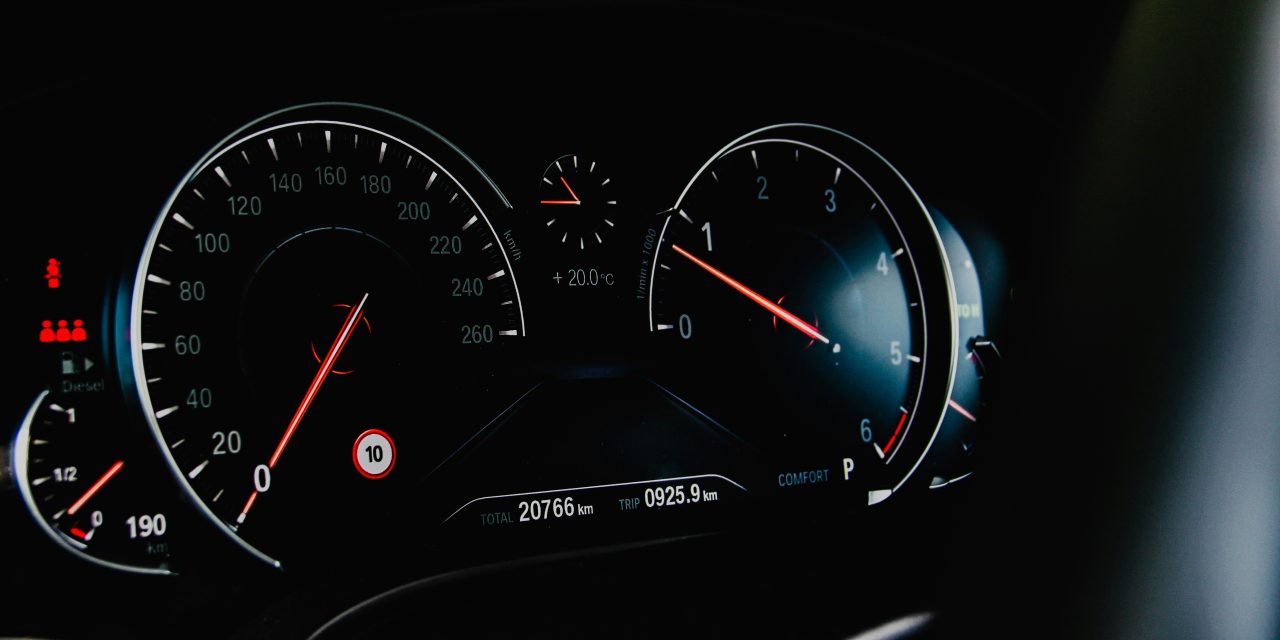
Modern vehicles are equipped with sophisticated diagnostic systems that alert drivers to potential issues through warning lights on the dashboard. Ignoring these alerts can lead to severe mechanical failures or safety hazards. Common warning lights include those for oil pressure, battery charge, brake system issues, or engine malfunctions.
Unusual noises—such as grinding brakes or clunking sounds from the suspension—should also be addressed immediately. These symptoms often indicate underlying problems that require professional attention. Promptly addressing warning lights and noises can prevent minor issues from escalating into costly repairs.
Keep the Exterior and Undercarriage Clean to Prevent Rust
Maintaining a clean exterior and undercarriage is essential for preventing rust and corrosion. Road salt, dirt, grime, and moisture can accumulate on a vehicle’s surface and undercarriage over time, leading to rust formation that compromises structural integrity. Regular washing—especially during winter months when road salt is prevalent—can help mitigate these risks.
Additionally, applying wax or sealants can provide an extra layer of protection against environmental elements. Inspecting the undercarriage for signs of rust or damage should be part of routine maintenance; addressing these issues early can prevent costly repairs down the line.
Schedule Routine Professional Inspections for Early Problem Detection
While regular DIY maintenance is crucial for vehicle health, scheduling routine professional inspections is equally important for early problem detection. Trained technicians have the expertise to identify potential issues that may go unnoticed during casual inspections. These inspections often include comprehensive checks of all major systems—engine performance, brakes, suspension, electrical systems—and provide valuable insights into your vehicle’s overall condition.
Many manufacturers recommend annual inspections or inspections every 12,000 miles as part of routine maintenance schedules. Investing in professional inspections not only enhances safety but also prolongs vehicle lifespan by addressing minor issues before they escalate into significant problems.
In summary, maintaining a vehicle requires diligence across various aspects—from regular oil changes to monitoring fluid levels and inspecting critical components like brakes and tires. By adhering to a comprehensive maintenance schedule that includes professional inspections and using quality parts and fluids, vehicle owners can ensure optimal performance while minimizing repair costs over time. Prioritizing these practices will ultimately lead to a safer driving experience and extend the life of your vehicle significantly.
FAQs
What are the key maintenance tasks for high mileage cars?
Key maintenance tasks for high mileage cars include regular oil changes, checking and replacing air filters, inspecting and replacing spark plugs, monitoring tire pressure and tread, and ensuring the cooling system is functioning properly. Additionally, it’s important to check the brakes, transmission fluid, and battery regularly.
How often should I change the oil in a high mileage car?
For high mileage cars, it’s generally recommended to change the oil every 3,000 to 5,000 miles, depending on the type of oil used and the manufacturer’s recommendations. Some synthetic oils may allow for longer intervals, but regular checks are essential to ensure optimal engine performance.
Are there specific products designed for high mileage vehicles?
Yes, there are specific products designed for high mileage vehicles, including high mileage motor oils that contain additives to help reduce engine wear and improve performance. Additionally, there are fuel additives and oil additives that can help maintain engine health and efficiency in older vehicles.
What signs indicate that a high mileage car needs maintenance?
Signs that a high mileage car needs maintenance include unusual noises from the engine, decreased fuel efficiency, warning lights on the dashboard, difficulty starting, and visible leaks under the vehicle. Regularly monitoring these signs can help prevent more serious issues.
How can I improve the longevity of my high mileage car?
To improve the longevity of your high mileage car, maintain a consistent service schedule, use high-quality parts and fluids, drive gently to avoid excessive wear, and keep the car clean to prevent rust and corrosion. Additionally, addressing minor issues promptly can prevent them from becoming major problems.