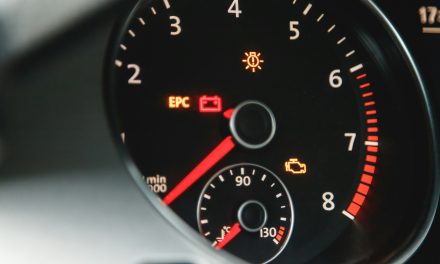
The battery light indicator is a crucial component of a vehicle’s dashboard, serving as an alert system for the driver regarding the health of the electrical system. When illuminated, this warning light signifies that the vehicle’s battery is not receiving adequate charge or that there is a malfunction within the charging system. Typically represented by a battery symbol, this light can vary in color from yellow to red, indicating different levels of urgency. A yellow light may suggest a minor issue, while a red light often indicates a more serious problem requiring immediate attention.
Understanding the implications of the battery light is essential for vehicle maintenance. The electrical system in modern vehicles is complex, relying on various components to function optimally. When the battery light activates, it can indicate issues ranging from a simple battery drain to more severe complications involving the alternator or wiring. Ignoring this warning can lead to further complications, including complete electrical failure, which could leave the driver stranded or cause significant damage to the vehicle’s systems.
If you’ve ever wondered why your battery light comes on when accelerating, it could be related to issues with your vehicle’s charging system or battery health. Understanding these factors is crucial for maintaining your car’s performance. For more insights on vehicle care and emergency situations, you might find this article on veterinary hospitals helpful, as it emphasizes the importance of being prepared for unexpected events: Top 5 24-Hour Veterinary Hospitals Near Me for Emergency Care.
How Acceleration Affects Your Vehicle’s Electrical System
Acceleration plays a pivotal role in how a vehicle’s electrical system operates. When a driver accelerates, the demand for power increases significantly. This surge in power requirement places additional strain on the alternator, which is responsible for charging the battery and powering electrical components while the engine runs. If the alternator is functioning correctly, it should be able to meet these increased demands without issue. However, if there are underlying problems within the electrical system, acceleration can exacerbate these issues.
During acceleration, various electrical components such as headlights, infotainment systems, and climate control systems draw power from the battery. If the alternator fails to supply sufficient voltage during this time, it can lead to a drop in performance and may trigger the battery light indicator. This scenario highlights the importance of maintaining a healthy electrical system and understanding how acceleration impacts its functionality.
Cause 1: Faulty Alternator

A faulty alternator is one of the primary culprits behind an illuminated battery light during acceleration. The alternator’s primary function is to convert mechanical energy from the engine into electrical energy, which charges the battery and powers the vehicle’s electrical systems. If the alternator begins to fail, it may not produce enough voltage to keep up with the demands placed on it during acceleration.
Symptoms of a failing alternator include dimming headlights, unusual noises such as grinding or whining, and flickering dashboard lights. In some cases, drivers may also notice that their vehicle struggles to start or experiences stalling. To diagnose a faulty alternator, mechanics typically perform a voltage test using specialized equipment to measure output levels. If found defective, replacement of the alternator is necessary to restore proper functionality.
Cause 2: Loose or Damaged Battery Connections

Loose or damaged battery connections can significantly impact the performance of a vehicle’s electrical system. The battery terminals must maintain a secure connection to ensure optimal power transfer between the battery and the alternator. Over time, corrosion can build up on battery terminals, leading to poor conductivity and intermittent power supply.
When connections are loose or corroded, they can cause fluctuations in voltage during acceleration, triggering the battery light indicator. Drivers may notice symptoms such as difficulty starting the engine or electrical components malfunctioning intermittently. Regular inspection and cleaning of battery terminals can prevent these issues. If corrosion is present, it should be cleaned with a mixture of baking soda and water, followed by thorough drying and re-tightening of connections.
If you’ve ever wondered why your battery light comes on when accelerating, it could be due to a variety of issues related to your vehicle’s electrical system. One possible reason is that the alternator is not generating enough power to keep up with the increased demand when you accelerate. This can lead to a drop in voltage, triggering the battery light. For more insights on how to maintain your vehicle’s performance and avoid such issues, you might find this article on freezing food safely interesting, as it highlights the importance of proper care and maintenance in various aspects of life.
Cause 3: Worn Serpentine Belt
The serpentine belt plays an integral role in driving multiple components within an engine, including the alternator. If this belt becomes worn or damaged, it may slip or break, preventing the alternator from functioning effectively. This situation can lead to insufficient charging of the battery and ultimately trigger the battery light indicator.
Signs of a worn serpentine belt include squeaking noises from the engine compartment and visible cracks or fraying on the belt itself. Regular inspection of the serpentine belt is essential for maintaining overall vehicle health. If wear is detected, timely replacement is crucial to avoid further complications that could arise from an underperforming alternator.
If you’ve ever wondered why your battery light comes on when accelerating, you might find it helpful to explore related topics that delve into vehicle electrical systems. A common reason for this issue could be a failing alternator or a loose battery connection. For more insights on how various components of your car interact, check out this informative article on a delicious recipe that might just inspire you to take a break from car troubles and enjoy some cooking: easy creamy marry me chicken recipe. Understanding your vehicle’s electrical system can help you troubleshoot issues effectively.
Cause 4: Malfunctioning Voltage Regulator
The voltage regulator is another critical component within the charging system that ensures consistent voltage output from the alternator. If this regulator malfunctions, it can lead to overcharging or undercharging of the battery, both of which can illuminate the battery light during acceleration. An overcharged battery may swell or leak, while an undercharged battery will struggle to start the vehicle.
Symptoms of a malfunctioning voltage regulator include fluctuating dashboard lights and erratic behavior of electrical components. Diagnosing this issue typically involves testing voltage output at various engine speeds to determine if it remains within acceptable limits. If found defective, replacing the voltage regulator is necessary to restore proper charging functionality.
Cause 5: Battery Issues and Age
As batteries age, their ability to hold a charge diminishes significantly. A typical automotive battery has a lifespan of approximately three to five years, depending on usage and environmental conditions. As batteries age, they may develop internal resistance or sulfation, leading to reduced performance and eventual failure.
Drivers may notice symptoms such as slow engine cranking or difficulty starting their vehicles when the battery begins to fail. Regular testing of battery health using specialized equipment can help identify potential issues before they escalate into more significant problems. If a battery is found to be weak or nearing the end of its lifespan, replacement is often necessary to ensure reliable vehicle operation.
Diagnosing the Battery Light During Acceleration
Diagnosing why the battery light illuminates during acceleration requires a systematic approach involving both visual inspections and diagnostic testing. Mechanics typically begin by checking for any visible signs of wear or damage in key components such as the alternator, serpentine belt, and battery connections. Following this visual inspection, they may utilize diagnostic tools to measure voltage output from both the alternator and battery under various conditions.
Additionally, conducting a load test on the battery can provide insight into its health and ability to hold a charge under stress. By systematically evaluating each component involved in the charging system, mechanics can pinpoint the root cause of the issue and recommend appropriate solutions.
Potential Risks of Ignoring the Battery Light
Ignoring an illuminated battery light poses significant risks not only to vehicle performance but also to driver safety. A malfunctioning electrical system can lead to complete failure while driving, resulting in loss of power steering and braking assistance—critical functions that could endanger both occupants and other road users.
Furthermore, prolonged neglect of electrical issues can lead to costly repairs down the line as components become damaged due to inadequate power supply or overcharging conditions. Therefore, addressing any warning lights promptly is essential for maintaining vehicle reliability and ensuring safe operation on the road.
When to Seek Professional Automotive Help
While some minor issues related to battery lights can be addressed by vehicle owners through routine maintenance checks, there are instances when professional automotive help is necessary. If drivers experience persistent illumination of the battery light despite checking connections and replacing worn components, it is advisable to consult with an experienced mechanic.
Additionally, if symptoms such as unusual noises from under the hood or erratic behavior of electrical systems accompany the warning light, seeking professional assistance becomes imperative. Mechanics possess specialized knowledge and tools required for accurate diagnosis and repair of complex electrical issues that may not be easily identifiable by laypersons.
Preventative Maintenance Tips to Avoid Battery Light Issues
Preventative maintenance plays a vital role in avoiding issues related to an illuminated battery light indicator. Regularly inspecting and cleaning battery terminals can prevent corrosion buildup that impairs connectivity. Additionally, scheduling routine checks for both the alternator and serpentine belt ensures that these components remain in optimal condition.
Drivers should also consider having their batteries tested annually—especially if they are approaching three years of age—to assess their health and replace them proactively if necessary. Keeping an eye on dashboard warning lights and addressing them promptly can save drivers from more significant problems down the road.
In summary, understanding how various factors contribute to an illuminated battery light during acceleration is crucial for maintaining vehicle health and safety. By recognizing potential causes such as faulty alternators, loose connections, worn serpentine belts, malfunctioning voltage regulators, and aging batteries, drivers can take proactive measures to address these issues effectively. Regular diagnostics and preventative maintenance are essential strategies for ensuring reliable vehicle operation while minimizing risks associated with electrical failures on the road.
FAQs
What does it mean when the battery light comes on while accelerating?
When the battery light illuminates while accelerating, it typically indicates that the vehicle’s charging system is not functioning properly. This could be due to a failing alternator, a loose or damaged battery connection, or a weak battery that cannot hold a charge effectively.
Can a faulty alternator cause the battery light to come on during acceleration?
Yes, a faulty alternator can cause the battery light to come on during acceleration. The alternator is responsible for charging the battery and powering the electrical systems in the vehicle. If it is not generating enough power, especially under load (like during acceleration), the battery light may activate.
Is it safe to drive if the battery light comes on while accelerating?
It is not advisable to continue driving if the battery light comes on while accelerating. This could indicate a serious issue with the charging system, which may lead to a complete loss of electrical power and could leave you stranded or cause further damage to the vehicle.
What should I do if my battery light comes on while accelerating?
If your battery light comes on while accelerating, you should pull over safely and turn off the engine. Check for any obvious issues, such as loose battery connections or damaged cables. If everything appears normal, it is best to have the vehicle inspected by a professional mechanic to diagnose and resolve the underlying issue.
Can other issues cause the battery light to come on besides the battery and alternator?
Yes, other issues can cause the battery light to come on, including a malfunctioning voltage regulator, a blown fuse in the charging system, or problems with the vehicle’s electrical wiring. It’s important to have a thorough diagnostic performed to identify the exact cause.