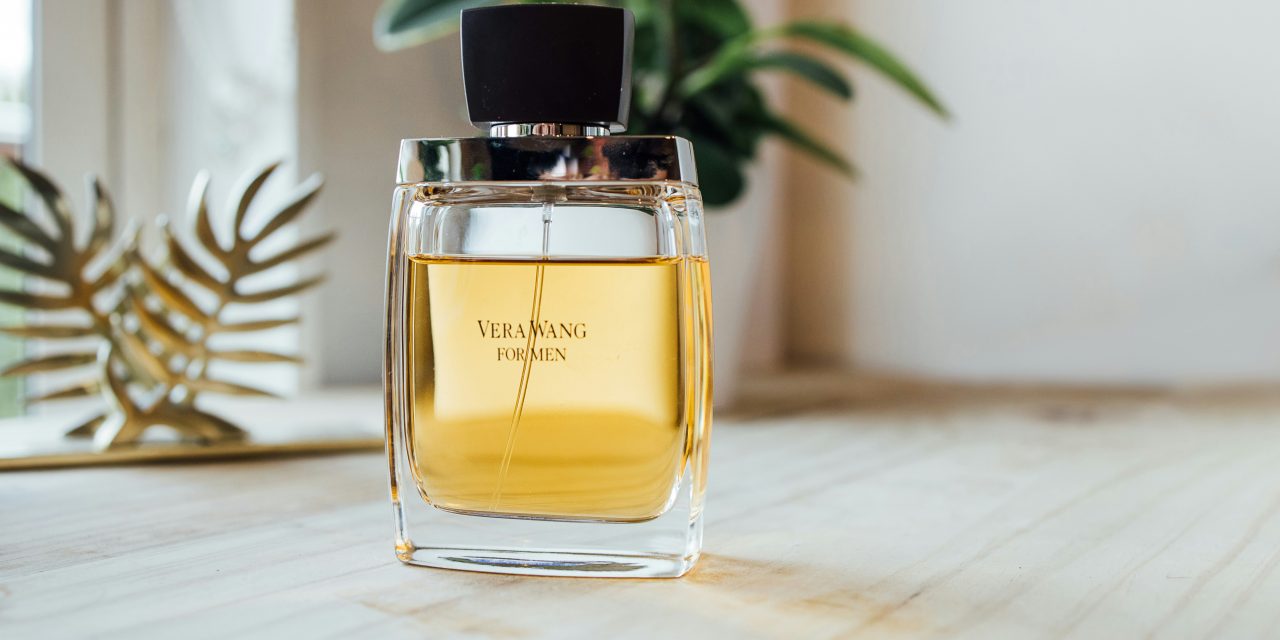
Perfumes are intricate compositions that evoke emotions, memories, and personal identity. Among the myriad of components that contribute to a fragrance’s character, alcohol plays a pivotal role. The scent of alcohol in perfumes can be polarizing; while some individuals appreciate its crispness, others find it overwhelming. Understanding the nuances of alcohol in fragrance formulations is essential for both consumers and perfumers alike. This article delves into the multifaceted role of alcohol in perfumes, exploring its functions, implications, and the factors that influence its scent profile.
Alcohol serves as a solvent in perfume formulations, facilitating the blending of various aromatic compounds. However, its presence can lead to an initial sharpness that may overshadow the more delicate notes of a fragrance. This article aims to dissect the reasons behind the alcohol scent in perfumes, its impact on fragrance longevity and sillage, and how various factors—including ingredient quality, storage conditions, and individual body chemistry—can influence the perception of this often-dominant note.
If you’ve ever wondered why your perfume smells like alcohol, you might find it interesting to explore the chemistry behind fragrance composition and how certain ingredients can influence the scent profile. For a deeper understanding of how different elements interact in various products, you can check out this related article on the science of freezing berries without them sticking together, which highlights the importance of preparation and composition in achieving the desired outcome. You can read more about it here: How to Freeze Berries Without Them Sticking Together.
The Role of Alcohol as a Solvent in Perfume Formulation
In the realm of perfumery, alcohol is primarily utilized as a solvent due to its ability to dissolve both volatile and non-volatile aromatic compounds. Ethanol, the most common type of alcohol used in perfumes, possesses a low molecular weight and high volatility, making it an ideal medium for carrying fragrance oils. This characteristic allows for a more uniform distribution of scent molecules when applied to the skin or clothing.
Moreover, alcohol acts as a preservative, extending the shelf life of perfumes by inhibiting microbial growth. Its antiseptic properties ensure that the fragrance remains stable over time, preventing degradation that could alter the scent profile. The concentration of alcohol in a perfume can vary significantly, influencing not only the fragrance’s longevity but also its overall character. Typically, higher concentrations of alcohol are found in eau de toilettes and colognes, while parfum formulations contain lower levels.
Why Perfumes Contain High Concentrations of Alcohol

The high concentration of alcohol in many perfumes serves multiple purposes. Firstly, it enhances the volatility of fragrance notes, allowing them to evaporate quickly upon application. This rapid evaporation is crucial for creating an immediate olfactory impression, often referred to as the “top notes.” These initial scents are typically fresh and vibrant, designed to captivate the wearer and those nearby.
Additionally, alcohol acts as a carrier for essential oils and aroma compounds, ensuring that they are evenly dispersed when sprayed. This uniformity is vital for achieving a balanced scent profile that evolves harmoniously over time. Furthermore, the presence of alcohol contributes to the overall sensory experience; it can create a refreshing sensation upon application, which many consumers find appealing. However, this high concentration can also lead to an overpowering initial scent that may deter some individuals from fully appreciating the fragrance’s complexity.
How Alcohol Helps in the Evaporation and Sillage of Fragrances

The evaporation process is integral to how fragrances are perceived. Alcohol’s volatility allows it to evaporate quickly, releasing aromatic compounds into the air. This phenomenon is essential for achieving sillage—the trail of scent left behind as one moves. A well-formulated perfume will have a balanced evaporation rate that allows for a gradual unfolding of notes over time.
Sillage is influenced by several factors, including the concentration of alcohol and the specific blend of fragrance oils used. A higher alcohol content typically results in a more pronounced sillage, as it facilitates quicker diffusion into the surrounding environment. Conversely, lower concentrations may yield a more intimate scent experience, where the fragrance remains closer to the skin. Understanding these dynamics can help consumers select perfumes that align with their preferences for projection and longevity.
If you’ve ever noticed that your perfume smells like alcohol, it might be due to the high concentration of alcohol used in many fragrances as a solvent. This is a common characteristic, especially in cheaper or lower-quality perfumes, where the alcohol can dominate the scent profile. For a deeper understanding of how to choose the right fragrance and what to look for in quality perfumes, you might find this article on spotting fleas during your pet’s grooming routine interesting, as it discusses the importance of quality in different contexts. You can read more about it here.
The Initial Alcohol Scent: Why It Fades Over Time
Upon application, many perfumes exhibit a distinct alcohol scent that can be quite pronounced. This initial aroma is primarily due to the rapid evaporation of ethanol as it interacts with skin temperature and air exposure. However, this sharpness is transient; as the alcohol dissipates, it gives way to the heart notes and base notes that define the fragrance’s character.
The fading of the alcohol scent is a crucial aspect of perfume evolution. As the top notes evaporate, they reveal deeper layers of complexity that may include floral, woody, or spicy elements. This transition is what makes wearing perfume an engaging experience; it allows individuals to discover different facets of a fragrance throughout the day. Understanding this progression can enhance appreciation for a perfume’s artistry and craftsmanship.
The Impact of Low-Quality Ingredients on Alcohol Smell
The quality of ingredients used in perfume formulation significantly influences the overall scent profile, including the perception of alcohol. Low-quality or synthetic ingredients may not blend harmoniously with alcohol, resulting in an unpleasant or overly sharp alcohol smell. Such fragrances can lack depth and complexity, leading to an unbalanced olfactory experience.
Additionally, inferior ingredients may not evaporate at the same rate as high-quality essential oils, causing an extended presence of alcohol on the skin. This imbalance can detract from the intended fragrance experience and may leave wearers dissatisfied. Therefore, investing in perfumes crafted from high-quality materials is essential for those seeking a refined olfactory journey.
How Improper Storage Can Enhance Alcohol Odor in Perfumes
The storage conditions of perfumes play a critical role in maintaining their integrity and scent profile. Exposure to heat, light, and humidity can accelerate chemical reactions within the fragrance, leading to alterations in scent composition. Improper storage can exacerbate the perception of alcohol odor by causing volatile compounds to degrade or evaporate prematurely.
For optimal preservation, perfumes should be stored in cool, dark places away from direct sunlight and temperature fluctuations. Utilizing original packaging can also help shield fragrances from environmental factors that may compromise their quality. By adhering to proper storage practices, consumers can mitigate unwanted alcohol scents and prolong their perfume’s lifespan.
The Effect of Body Chemistry on Perceived Alcohol Scent
Individual body chemistry plays a significant role in how fragrances are perceived upon application. Factors such as skin type, pH levels, diet, and hormonal fluctuations can all influence how a perfume interacts with one’s skin. For instance, individuals with oily skin may experience a more pronounced sillage due to increased absorption and diffusion of fragrance oils.
Moreover, body temperature can affect evaporation rates; warmer skin tends to enhance volatility, potentially amplifying the initial alcohol scent. Conversely, cooler skin may result in a more subdued opening phase. Understanding these nuances can empower consumers to select fragrances that harmonize with their unique body chemistry for an optimal olfactory experience.
Identifying Fake or Diluted Perfumes by Their Alcohol Smell
The prevalence of counterfeit perfumes poses challenges for consumers seeking authentic fragrances. One telltale sign of fake or diluted perfumes is an overpowering or unpleasant alcohol smell that lacks depth or complexity. Authentic fragrances typically exhibit a well-balanced scent profile where alcohol serves as a solvent rather than a dominant note.
Additionally, counterfeit products may contain lower-quality ingredients that do not evaporate harmoniously with alcohol, resulting in an unrefined olfactory experience. To avoid purchasing fake perfumes, consumers should buy from reputable retailers and familiarize themselves with authentic packaging details and scent characteristics.
Tips to Minimize Alcohol Scent When Wearing Perfume
For those who find the initial alcohol scent off-putting, several strategies can help minimize its prominence while still enjoying their favorite fragrances:
1. **Layering**: Apply unscented moisturizers or lotions before spraying perfume to create a barrier that softens the initial alcohol scent.
2. **Application Technique**: Instead of spraying directly onto pulse points where heat amplifies evaporation rates, consider applying perfume on clothing or hair for a subtler effect.
3. **Fragrance-Free Environment**: Ensure that your surroundings are free from strong odors that may clash with your perfume’s composition.
4. **Test Before Purchase**: Always sample fragrances on your skin before committing to a purchase; this allows you to assess how your body chemistry interacts with the perfume.
5. **Storage Practices**: Store perfumes properly to maintain their integrity and minimize unwanted alterations in scent profile.
When to Be Concerned About Alcohol Smell in Your Perfume
While an initial alcohol scent is typical in many fragrances due to its role as a solvent and carrier for aromatic compounds, there are instances when this odor may warrant concern. If the alcohol smell persists excessively or becomes unpleasant over time—especially if accompanied by changes in color or consistency—it may indicate degradation or contamination.
Consumers should remain vigilant about their perfume’s quality and storage conditions while being mindful of their individual body chemistry’s impact on scent perception. By understanding these factors and employing best practices for application and storage, individuals can enjoy their fragrances without being overwhelmed by unwanted alcohol scents.
In summary, while alcohol plays an essential role in perfume formulation—acting as both a solvent and preservative—its initial scent can be influenced by various factors including ingredient quality, storage conditions, and individual body chemistry. By recognizing these dynamics and implementing strategies to mitigate unwanted odors, consumers can enhance their overall fragrance experience while appreciating the artistry behind each carefully crafted bottle.
FAQs
Why does my perfume smell like alcohol when I first apply it?
When you first apply perfume, the alcohol base evaporates quickly, which can create a strong alcohol scent. This is a normal part of the fragrance’s development, as the alcohol helps to disperse the fragrance oils and allows the scent to evolve over time.
Is it normal for perfume to smell like alcohol?
Yes, it is normal for many perfumes to have an initial alcohol scent due to the alcohol content used as a solvent. However, a well-balanced fragrance will quickly transition from the alcohol smell to the intended scent notes as it dries down on the skin.
How can I reduce the alcohol smell in my perfume?
To minimize the alcohol scent, try applying the perfume to pulse points on your body, such as wrists or neck, rather than spraying it directly into the air. Additionally, allowing the perfume to settle for a few moments before smelling it can help you experience the true fragrance without the initial alcohol note.
Does the alcohol content affect the longevity of the perfume?
Yes, the alcohol content can influence the longevity of a perfume. Higher alcohol concentrations can lead to quicker evaporation of the fragrance, which may result in a shorter wear time. However, the overall formulation, including the concentration of fragrance oils, also plays a significant role in how long a scent lasts.
Can a perfume smell like alcohol due to poor quality?
While some perfumes may have a stronger alcohol scent due to lower quality ingredients or improper formulation, it is not always an indicator of poor quality. Many high-quality fragrances also contain alcohol, but they are designed to balance the scent effectively, minimizing the alcohol smell as the fragrance develops.