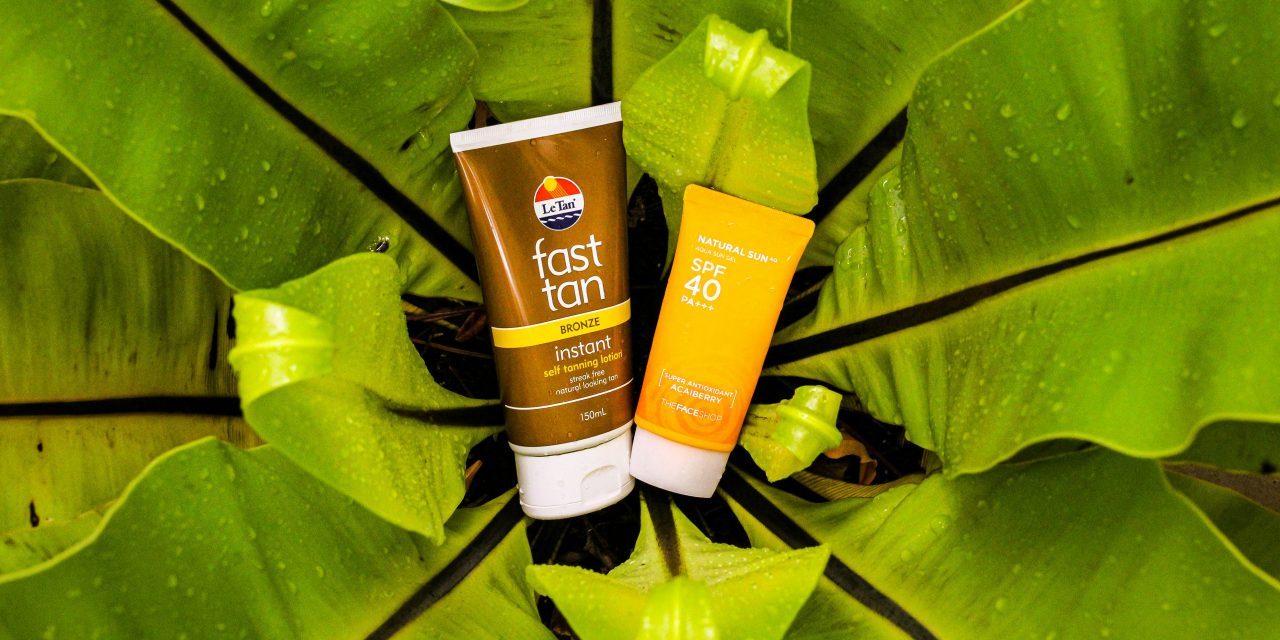
Sunscreen pilling is a common phenomenon that occurs when sunscreen products clump together on the skin’s surface, forming small, unsightly balls or flakes. This issue can be particularly frustrating for individuals who rely on sunscreen as a crucial part of their daily skincare routine. Pilling can detract from the aesthetic appeal of makeup application and may lead to concerns about the efficacy of sun protection. Understanding the mechanics behind sunscreen pilling is essential for anyone looking to maintain a flawless complexion while safeguarding their skin from harmful UV rays.
The pilling effect typically arises when the formulation of the sunscreen interacts unfavorably with other skincare products or the skin itself. Factors such as product compatibility, skin texture, and environmental conditions can all contribute to this issue. By gaining insight into the underlying causes of sunscreen pilling, individuals can take proactive measures to ensure a smooth application and optimal sun protection.
If you’ve ever wondered why sunscreen pills on your face, you might find it helpful to explore related articles that discuss the science behind skincare products. One such article delves into the common reasons for sunscreen pilling, including the formulation of the product and how it interacts with other skincare layers. Understanding these factors can help you choose the right sunscreen for your skin type. For more insights, check out this article on sunscreen application tips.
Common Causes of Sunscreen Pilling on the Face
Several factors can lead to sunscreen pilling, with product formulation being one of the primary culprits. Sunscreens that contain certain ingredients, such as silicones or heavy oils, may not blend well with other products applied beforehand. Additionally, if a sunscreen is too thick or has a high viscosity, it may not spread evenly across the skin, resulting in clumping.
Another significant factor contributing to pilling is the layering of multiple skincare products. When serums, moisturizers, or primers are applied beneath sunscreen without adequate absorption time, they can interfere with the sunscreen’s ability to adhere properly to the skin. This interaction can create an unstable surface that leads to pilling. Furthermore, environmental conditions such as humidity and temperature can exacerbate this issue, causing products to break down more quickly and form unsightly flakes.
How Skin Type Influences Sunscreen Application

Skin type plays a pivotal role in how sunscreen is absorbed and how it interacts with other products. Individuals with oily skin may find that certain formulations lead to increased pilling due to excess sebum production, which can disrupt the even application of sunscreen. Conversely, those with dry skin may struggle with pilling if they do not adequately hydrate their skin before applying sunscreen, leading to uneven texture and adherence.
Combination skin types may experience unique challenges as well, as different areas of the face may react differently to various products. For instance, the T-zone may produce more oil, while the cheeks may require additional moisture. Understanding one’s skin type is crucial for selecting appropriate formulations and application techniques that minimize the risk of pilling.
The Role of Moisturizers in Sunscreen Pilling

Moisturizers serve as a foundational element in any skincare routine, providing hydration and creating a barrier that enhances skin health. However, the choice of moisturizer can significantly impact whether sunscreen will pill upon application. Heavy creams or those containing occlusive agents may create a barrier that prevents sunscreen from adhering effectively to the skin.
To mitigate pilling, it is advisable to opt for lightweight, non-comedogenic moisturizers that absorb quickly into the skin. Gel-based formulations or those containing hyaluronic acid can provide hydration without leaving a greasy residue. Additionally, allowing sufficient time for moisturizers to fully absorb before applying sunscreen can further reduce the likelihood of pilling.
If you’ve ever wondered why sunscreen tends to pill on your face, you’re not alone, as this common issue can be quite frustrating. Factors such as the formulation of the sunscreen, the application technique, and the products used underneath can all contribute to this phenomenon. To explore more about skincare and how to achieve a flawless application, you might find this article on the benefits of puppy daycare surprisingly insightful, as it emphasizes the importance of routine and care in nurturing growth. You can read it here: benefits of puppy daycare.
Choosing the Right Sunscreen Formula for Your Skin
Selecting an appropriate sunscreen formula is paramount in preventing pilling and ensuring effective sun protection. Broad-spectrum sunscreens with an SPF of 30 or higher are recommended for daily use. However, individuals should consider their specific skin concerns when choosing a formulation.
For oily or acne-prone skin, gel-based or oil-free sunscreens are ideal as they provide sun protection without exacerbating breakouts. Conversely, those with dry or sensitive skin may benefit from cream-based formulations enriched with hydrating ingredients like glycerin or aloe vera. Mineral sunscreens containing zinc oxide or titanium dioxide are often gentler on sensitive skin and less likely to cause irritation or pilling.
If you’ve ever wondered why sunscreen tends to pill on your face, you might find it helpful to explore the factors that contribute to this issue. One common reason is the interaction between the sunscreen and other skincare products, which can lead to a buildup that causes pilling. Additionally, the formulation of the sunscreen itself can play a significant role in how it adheres to the skin. For a deeper understanding of how product interactions can affect your skincare routine, check out this informative article on related topics.
Proper Application Techniques to Avoid Pilling
Effective application techniques are essential for achieving a smooth finish when using sunscreen. One key strategy is to apply products in thin layers rather than slathering on thick amounts at once. This approach allows each layer to absorb properly before adding additional products.
Using gentle tapping motions rather than rubbing can also help distribute the product evenly without disturbing previously applied layers. Additionally, employing a “pat and press” technique can enhance absorption and minimize friction on the skin’s surface. Finally, it is advisable to use clean hands or a makeup sponge for application to avoid introducing bacteria that could lead to irritation or breakouts.
The Impact of Layering Skincare Products Under Sunscreen
Layering multiple skincare products beneath sunscreen can significantly influence its performance and potential for pilling. Each product applied creates an additional layer that must be absorbed before sunscreen can adhere effectively. If these products do not interact well with one another, they can lead to an unstable surface that promotes pilling.
To optimize layering, it is crucial to allow adequate time between each product application. A general rule of thumb is to wait at least five minutes after applying serums or moisturizers before applying sunscreen. This waiting period allows each product to penetrate the skin fully and reduces the likelihood of interactions that could lead to pilling.
Why Waiting Time Between Products Matters
The importance of waiting time between skincare products cannot be overstated when it comes to preventing sunscreen pilling. Each layer requires time to absorb properly into the skin; otherwise, they may remain on the surface and interfere with subsequent applications.
For instance, applying sunscreen too soon after a moisturizer can trap moisture on the surface rather than allowing it to penetrate deeply into the skin. This trapped moisture can create an unstable environment for sunscreen application, leading to clumping and pilling. By adhering to recommended waiting times between products, individuals can ensure that each layer functions optimally and contributes to a smooth finish.
Tips for Removing Excess Product Without Irritating Skin
When faced with excess product buildup that leads to pilling, it is essential to remove it gently without causing irritation or compromising the skin barrier. One effective method is to use a damp microfiber cloth or cotton pad to gently wipe away any visible flakes or clumps without scrubbing aggressively.
Alternatively, incorporating a gentle exfoliating cleanser into your routine once or twice a week can help remove dead skin cells and product buildup that contribute to pilling. However, it is crucial to avoid over-exfoliating, as this can lead to increased sensitivity and irritation. Following up with a soothing toner or hydrating serum can help restore balance after exfoliation.
When to Consider Switching Sunscreens
If persistent pilling occurs despite implementing proper application techniques and selecting suitable products, it may be time to consider switching sunscreens. Factors such as formulation changes, ingredient sensitivities, or even seasonal variations in skin needs can necessitate a change in sun protection products.
When evaluating new sunscreens, look for formulations specifically designed for your skin type and concerns. Testing samples before committing to full-sized products can also help identify potential issues before making a purchase.
Final Thoughts: Maintaining Smooth, Pilled-Free Sunscreen Coverage
Achieving smooth, pilled-free sunscreen coverage requires a combination of understanding product formulations, mastering application techniques, and being mindful of individual skin needs. By selecting appropriate moisturizers and sunscreens tailored to specific skin types and concerns, individuals can significantly reduce the likelihood of pilling.
Incorporating proper layering techniques and allowing adequate waiting times between products further enhances the effectiveness of sun protection while maintaining a flawless appearance. Ultimately, prioritizing sun safety through diligent skincare practices will not only protect against harmful UV rays but also promote overall skin health.
In summary, understanding sunscreen pilling involves recognizing its causes and implementing strategies for prevention and treatment. By choosing suitable products based on individual skin types and employing effective application techniques, individuals can enjoy smooth and effective sun protection without compromising their skincare routine.
### FAQ Section
1. **What is sunscreen pilling?**
Sunscreen pilling occurs when sunscreen forms small clumps or flakes on the skin’s surface due to improper application or product incompatibility.
2. **What causes sunscreen to pill?**
Common causes include heavy formulations, layering incompatible products, insufficient absorption time between applications, and environmental factors like humidity.
3. **How does my skin type affect sunscreen application?**
Oily skin may exacerbate pilling due to excess sebum production, while dry skin may require adequate hydration before applying sunscreen for optimal adherence.
4. **What role do moisturizers play in preventing pilling?**
Lightweight moisturizers that absorb quickly are less likely to interfere with sunscreen application compared to heavy creams that create barriers on the skin.
5. **How should I apply sunscreen to avoid pilling?**
Apply in thin layers using gentle tapping motions rather than rubbing; allow each layer sufficient time to absorb before adding additional products.
6. **Why is waiting time between products important?**
Waiting allows each product to penetrate effectively into the skin; applying too soon can lead to trapped moisture that promotes pilling.
7. **What should I do if I experience excess product buildup?**
Use a damp microfiber cloth or gentle exfoliating cleanser; avoid aggressive scrubbing that could irritate the skin.
8. **When should I consider switching sunscreens?**
If persistent pilling occurs despite proper techniques or if your skin type changes seasonally, it may be time to explore new formulations.
9. **Are mineral sunscreens less likely to pill?**
Mineral sunscreens containing zinc oxide or titanium dioxide are often gentler on sensitive skin and may have a lower likelihood of causing irritation or pilling.
10. **Can I use makeup over sunscreen without causing pilling?**
Yes, but ensure that your sunscreen has fully absorbed before applying makeup; consider using makeup products designed for layering over sunscreen.
By understanding these aspects of sunscreen application and addressing potential issues proactively, individuals can enjoy effective sun protection while maintaining healthy and beautiful skin.
FAQs
What causes sunscreen to pill on my face?
Sunscreen can pill on your face due to a combination of factors, including the formulation of the product, the application technique, and the interaction with other skincare products. Ingredients like silicones or certain polymers can lead to pilling when they don’t properly adhere to the skin or when they mix with other products that haven’t fully absorbed.
How can I prevent sunscreen from pilling?
To prevent sunscreen from pilling, ensure that your skin is clean and dry before application. Use a lightweight, compatible moisturizer and allow each layer of skincare to fully absorb before applying sunscreen. Additionally, applying sunscreen in thin layers and using gentle patting motions can help minimize pilling.
Does the type of sunscreen affect pilling?
Yes, the type of sunscreen can significantly affect pilling. Chemical sunscreens, which absorb UV rays, may pill less than physical (mineral) sunscreens that contain zinc oxide or titanium dioxide. The formulation and texture of the sunscreen also play a role; thicker creams may be more prone to pilling compared to lighter lotions or gels.
Can environmental factors contribute to sunscreen pilling?
Yes, environmental factors such as humidity, temperature, and sweat can contribute to sunscreen pilling. High humidity can cause products to not adhere properly, while sweating can disrupt the sunscreen layer, leading to pilling. It’s important to consider these factors when applying sunscreen, especially in hot or humid conditions.
Is it safe to use sunscreen that has pilled on my face?
While it is not harmful to use sunscreen that has pilled, it is not effective either. Pilling indicates that the product is not adhering properly to the skin, which can reduce its protective capabilities against UV rays. It is advisable to remove the pilled sunscreen and reapply a fresh layer to ensure adequate sun protection.