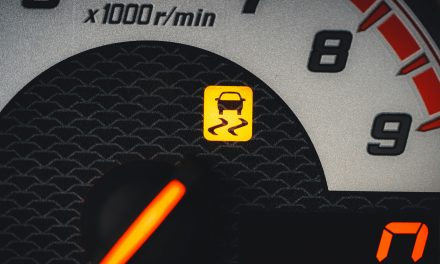
The tire pressure light is an essential indicator on your vehicle’s dashboard, designed to alert drivers to potential issues with tire inflation. This warning system is part of the Tire Pressure Monitoring System (TPMS), which continuously monitors the air pressure within each tire. When the pressure drops below a predetermined threshold, the TPMS activates the warning light, signaling that immediate attention is required. Ignoring this light can lead to severe consequences, including compromised vehicle handling, increased tire wear, and even tire blowouts.
Understanding the implications of the tire pressure light is crucial for maintaining vehicle safety and performance. A properly inflated tire ensures optimal contact with the road, enhancing traction and fuel efficiency. Conversely, under-inflated tires can lead to decreased fuel economy and increased stopping distances. Therefore, recognizing the significance of this warning light is vital for every driver.
If you’re wondering why your tire pressure light is blinking, it’s essential to understand the potential issues that could be causing this warning. A related article that provides helpful insights on vehicle maintenance is available at this link: How to Dice an Onion Quickly and Safely. While the article focuses on culinary skills, it emphasizes the importance of attention to detail, which is equally crucial when monitoring your vehicle’s tire pressure. Proper tire maintenance can enhance safety and improve fuel efficiency, making it vital to address any warning lights promptly.
Reason 1: Sudden Drop in Tire Pressure
One of the most common reasons for the tire pressure light to illuminate is a sudden drop in tire pressure. This can occur due to various factors, including punctures, leaks, or even manufacturing defects. A puncture can result from sharp objects on the road, such as nails or glass, which can create a breach in the tire’s integrity. Additionally, tires may develop slow leaks over time due to wear and tear or damage to the valve stem.
When a tire loses air rapidly, it can lead to significant handling issues and increase the risk of accidents. Drivers should be vigilant about monitoring their tire pressure regularly and addressing any sudden changes immediately. If you notice a significant drop in pressure, it is advisable to inspect the tire for visible damage or consult a professional for further evaluation.
Reason 2: Faulty Tire Pressure Monitoring System (TPMS) Sensor

Another potential cause for the tire pressure light activation is a malfunctioning TPMS sensor. These sensors are responsible for relaying real-time pressure data from each tire to the vehicle’s onboard computer system. If a sensor becomes faulty due to electrical issues, corrosion, or physical damage, it may provide inaccurate readings or fail to communicate altogether.
A malfunctioning TPMS sensor can lead to unnecessary alerts or, conversely, fail to alert drivers when there is an actual issue with tire pressure. Regular maintenance checks can help identify sensor problems early on. If you suspect that your TPMS sensor is not functioning correctly, it is essential to have it diagnosed and repaired by a qualified technician.
Reason 3: Extreme Temperature Changes Affecting Pressure

Tire pressure is significantly influenced by temperature fluctuations. As temperatures drop, the air inside tires contracts, leading to decreased pressure. Conversely, warmer temperatures cause air to expand, increasing tire pressure. A general rule of thumb is that tire pressure decreases by approximately 1 PSI (pound per square inch) for every 10°F drop in temperature.
Drivers should be particularly cautious during seasonal transitions when temperature changes are more pronounced. Regularly checking tire pressure during these times can help prevent issues related to under-inflation or over-inflation. Maintaining proper tire pressure not only enhances safety but also contributes to better fuel efficiency and prolonged tire life.
If you’ve ever wondered why your tire pressure light is blinking, it’s essential to understand that this warning could indicate a variety of issues, from low tire pressure to a malfunctioning sensor. To gain further insights into vehicle maintenance, you might find it helpful to read an informative article on how to repair scratches in hardwood floors, which emphasizes the importance of addressing problems promptly to prevent further damage. You can check out the article here for more tips on maintenance that can apply to various aspects of home and vehicle care.
Reason 4: Recent Tire Replacement or Rotation Issues
Recent tire replacement or rotation can also trigger the tire pressure light. When new tires are installed, they may not be inflated to the correct pressure initially, leading to discrepancies that activate the TPMS warning light. Additionally, during rotation, sensors may become misaligned or inadvertently damaged, resulting in erroneous readings.
To mitigate these issues, it is crucial to ensure that tires are inflated to the manufacturer’s recommended specifications immediately after installation or rotation. Regular checks following these services can help identify any discrepancies early on and ensure that your vehicle operates safely and efficiently.
If you’ve ever wondered why your tire pressure light is blinking, it could indicate a variety of issues, from under-inflated tires to a malfunctioning sensor. It’s essential to address this warning promptly to ensure your safety on the road. For more insights into vehicle maintenance and safety, you might find this article on top cat boarding facilities interesting, as it highlights the importance of keeping your car in good condition while you take care of your furry friends.
Reason 5: Electrical or Wiring Problems in the TPMS
Electrical or wiring issues within the TPMS can also contribute to false alerts from the tire pressure light. The system relies on a network of wires and connections to transmit data from the sensors to the vehicle’s computer system. If there are breaks in wiring or poor connections due to corrosion or wear, it may lead to inaccurate readings or failure of the system altogether.
Diagnosing electrical problems within the TPMS often requires specialized equipment and expertise. If you suspect that wiring issues are affecting your TPMS functionality, it is advisable to seek professional assistance for thorough diagnostics and repairs.
How to Check Your Tire Pressure Correctly
Checking your tire pressure is a straightforward process that can be performed with minimal tools. Begin by acquiring a reliable tire pressure gauge, which can be digital or analog. Ensure that you check your tires when they are cold, as driving heats up the tires and can give inaccurate readings.
1. Remove the valve cap from one tire.
2. Press the gauge onto the valve stem firmly until you hear a hissing sound.
3. Read the measurement displayed on the gauge.
4. Compare this reading with the recommended PSI listed in your vehicle’s owner manual or on the driver’s side door jamb.
5. If necessary, inflate or deflate the tire accordingly before replacing the valve cap.
Regularly checking your tire pressure can help maintain optimal performance and safety while driving.
When to Reset the Tire Pressure Light
Resetting the tire pressure light should only be done after addressing any underlying issues that caused it to illuminate initially. Once you have ensured that all tires are inflated correctly and any repairs have been made, you can proceed with resetting the light.
Most vehicles have a reset button located beneath the steering wheel or within the glove compartment. Consult your owner’s manual for specific instructions on how to reset your TPMS light accurately. In some cases, driving for a short distance may automatically reset the light once normal pressure levels are detected by the system.
Potential Risks of Ignoring a Blinking Tire Pressure Light
Ignoring a blinking tire pressure light poses significant risks not only to vehicle performance but also to driver safety. Under-inflated tires can lead to increased rolling resistance, resulting in decreased fuel efficiency and higher emissions. Furthermore, low tire pressure compromises traction and handling capabilities, increasing the likelihood of accidents.
In extreme cases, neglecting this warning can lead to catastrophic tire failure, resulting in loss of control while driving at high speeds. Regularly monitoring and addressing tire pressure issues is essential for ensuring safe driving conditions and prolonging tire lifespan.
While some minor issues related to tire pressure can be addressed through DIY fixes—such as inflating tires or replacing valve caps—more complex problems often require professional assistance. If you suspect that your TPMS sensors are malfunctioning or if you encounter persistent issues with your tire pressure light, consulting a qualified technician is advisable.
Professional mechanics have access to specialized diagnostic tools that can accurately identify problems within the TPMS and provide appropriate solutions. Attempting to resolve complex electrical or sensor-related issues without proper knowledge may lead to further complications and safety risks.
Preventative Tips to Avoid Future Tire Pressure Light Issues
To minimize future occurrences of tire pressure light activation, consider implementing these preventative measures:
1. **Regular Inspections**: Conduct routine checks of your tires at least once a month and before long trips.
2. **Temperature Awareness**: Be mindful of seasonal temperature changes and adjust tire pressure accordingly.
3. **Proper Maintenance**: Ensure that your TPMS sensors are functioning correctly during routine vehicle maintenance.
4. **Tire Rotation**: Follow manufacturer recommendations for regular tire rotation to promote even wear.
5. **Professional Assistance**: Seek professional help for any persistent issues related to your TPMS or tire performance.
By adhering to these guidelines, drivers can enhance their vehicle’s safety and performance while reducing the likelihood of encountering issues with their tire pressure monitoring system.
In summary, understanding the intricacies of your vehicle’s tire pressure monitoring system is crucial for maintaining safety on the road. The activation of the tire pressure light can stem from various causes ranging from sudden drops in air pressure to faulty sensors and extreme temperature changes. Regular checks and maintenance are essential for preventing issues and ensuring optimal performance while driving. By being proactive about monitoring tire health and addressing any concerns promptly, drivers can significantly reduce risks associated with under-inflated tires and enhance overall vehicle safety.
FAQs
What does a blinking tire pressure light indicate?
A blinking tire pressure light typically indicates that there is a problem with the tire pressure monitoring system (TPMS) itself, rather than just low tire pressure. This could mean that the system needs to be reset or that there is a malfunction in one of the sensors.
How can I check my tire pressure?
You can check your tire pressure using a tire pressure gauge. Remove the valve cap from the tire, press the gauge onto the valve stem, and read the pressure displayed. Compare this reading to the recommended tire pressure found in your vehicle’s owner manual or on the sticker inside the driver’s door.
What should I do if my tire pressure light is blinking?
If your tire pressure light is blinking, first check the tire pressures of all your tires to ensure they are at the recommended levels. If the pressures are correct and the light continues to blink, it is advisable to take your vehicle to a mechanic or tire specialist to diagnose and fix any issues with the TPMS.
Can I drive my car with a blinking tire pressure light?
While it may be safe to drive for a short distance, it is not recommended to ignore a blinking tire pressure light. Continuing to drive without addressing the issue could lead to further damage to the TPMS or potentially unsafe driving conditions if tire pressures are indeed low.
What causes the tire pressure monitoring system to malfunction?
Several factors can cause the tire pressure monitoring system to malfunction, including dead batteries in the tire sensors, damaged sensors, or issues with the vehicle’s onboard computer. Environmental factors, such as extreme temperatures, can also affect the accuracy of the system.