Selecting the appropriate cut of beef is paramount when utilizing a pressure cooker, as it directly influences the final texture and flavor of the dish. Cuts that are rich in connective tissue, such as chuck roast, brisket, and short ribs, are ideal for pressure cooking. These cuts benefit from the high-pressure environment, which breaks down collagen and transforms tough fibers into tender morsels. For instance, a chuck roast, often marbled with fat, becomes succulent and flavorful when subjected to the intense heat and moisture of a pressure cooker.
Conversely, lean cuts like sirloin or tenderloin may not yield the same results. While they cook quickly and can be delicious when prepared correctly, they lack the necessary fat and connective tissue to withstand prolonged cooking times without becoming dry. Therefore, understanding the anatomy of beef and its various cuts is essential for achieving optimal results in pressure cooking. The right choice not only enhances flavor but also ensures a satisfying mouthfeel that elevates the entire dining experience.
If you’re looking to enhance your culinary skills, you might find it interesting to explore how to prepare beef tips in a pressure cooker. This method not only saves time but also results in incredibly tender and flavorful meat. For additional tips on maintaining your wardrobe while cooking, check out this related article on removing deodorant stains from black and dark clothes. It’s always a good idea to keep your cooking attire looking sharp while you whip up delicious meals!
Preparing Your Beef: Trimming and Marinating Tips
Before embarking on the cooking process, proper preparation of the beef is crucial. Trimming excess fat is an essential step, as it prevents the dish from becoming overly greasy while allowing the meat’s natural flavors to shine through. When trimming, aim to leave a thin layer of fat intact, as this will render during cooking and contribute to the overall richness of the dish. Additionally, removing any silverskin or tough connective tissue will enhance tenderness and improve the final texture.
Marinating beef prior to pressure cooking can significantly enhance its flavor profile. A well-balanced marinade typically consists of an acid (such as vinegar or citrus juice), oil, and various seasonings. The acid helps to tenderize the meat while infusing it with flavor. For optimal results, allow the beef to marinate for at least 30 minutes, although longer marination times—up to 24 hours—can yield even more pronounced flavors. Consider incorporating ingredients like garlic, herbs, and spices to create a complex flavor base that will permeate the meat during cooking.
Searing Beef to Lock in Flavor Before Pressure Cooking

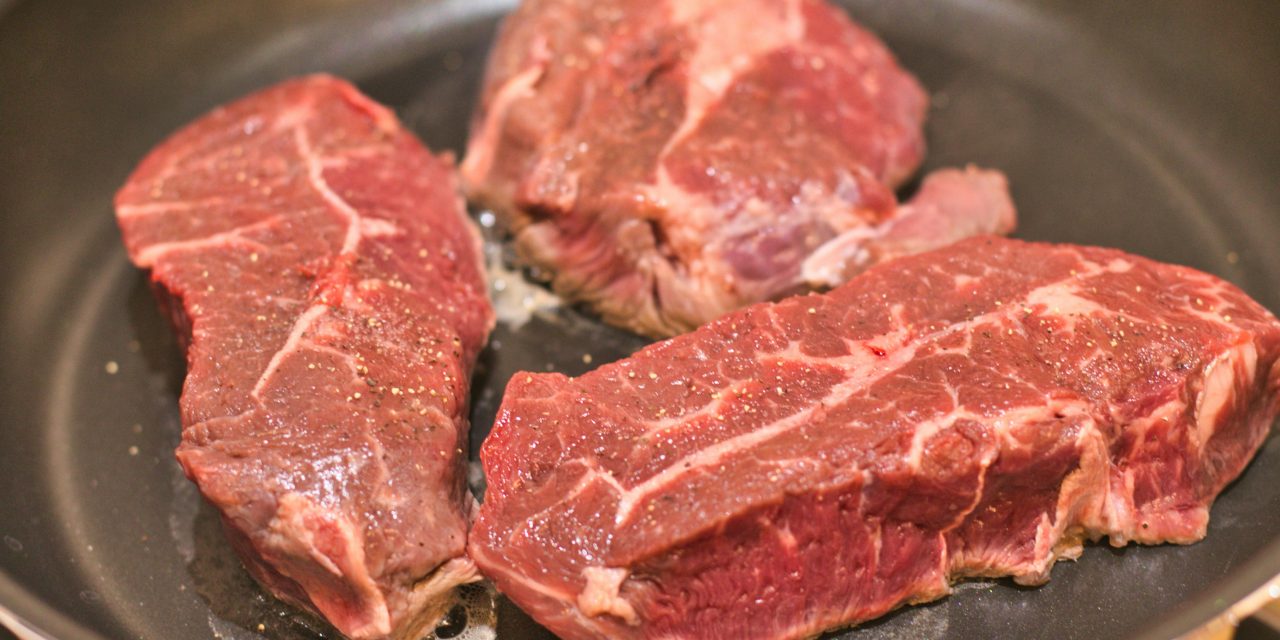
Searing beef before placing it in the pressure cooker is a technique that should not be overlooked. This process involves browning the meat in a hot skillet or directly in the pressure cooker using the sauté function. The Maillard reaction occurs during searing, creating a rich crust that enhances both flavor and aroma. This initial step not only adds depth to the dish but also contributes to a more visually appealing presentation.
To achieve a perfect sear, ensure that the cooking surface is adequately preheated and that the beef is patted dry to promote browning rather than steaming. Avoid overcrowding the pan; instead, sear in batches if necessary. Once seared, deglaze the pan with a splash of broth or wine to capture any flavorful bits stuck to the bottom. This liquid can then be incorporated into the pressure cooker, enriching the overall taste of the final dish.
The Importance of Browning for Richer Taste

Browning is a critical step in developing complex flavors in pressure-cooked dishes. The process not only enhances taste but also contributes to a more robust aroma that tantalizes the senses. When meat is browned, it undergoes chemical reactions that create new flavor compounds, resulting in a savory depth that cannot be achieved through boiling or steaming alone.
Incorporating browning into your cooking routine can elevate even simple recipes into gourmet experiences. For instance, when preparing beef stew, browning the meat before adding vegetables and broth creates layers of flavor that permeate throughout the dish. This technique is particularly effective when combined with aromatics such as onions and garlic, which caramelize during the browning process, further enriching the overall taste profile.
If you’re looking to elevate your cooking game, consider trying out beef tips in a pressure cooker for a quick and delicious meal. This method not only saves time but also locks in flavors, making your dish incredibly tender and juicy. For those interested in keeping their pets healthy while enjoying their culinary adventures, you might find it helpful to read about how to spot fleas during your pet’s grooming routine. You can check out the article here for some useful tips.
Using the Correct Liquid Amount for Perfect Texture
The amount of liquid used in pressure cooking is crucial for achieving the desired texture and consistency of your beef dish. Generally, a minimum of one cup of liquid is required to generate steam and build pressure within the cooker. However, this does not mean that more liquid always equates to better results; too much liquid can lead to a diluted flavor profile.
When determining how much liquid to use, consider both the cut of beef and any additional ingredients being added. For example, tougher cuts may require more liquid to ensure thorough cooking and tenderness, while leaner cuts may need less to prevent overcooking. Additionally, incorporating flavorful liquids such as broth or wine can enhance taste while maintaining moisture levels.
Optimal Cooking Times for Different Beef Cuts
Understanding optimal cooking times for various cuts of beef is essential for achieving perfect results in a pressure cooker. Each cut has unique characteristics that dictate how long it should be cooked under pressure. For instance, tougher cuts like chuck roast typically require 60-70 minutes at high pressure to become tender, while more delicate cuts like sirloin may only need 15-20 minutes.
It is also important to consider factors such as thickness and size when determining cooking times. A larger piece of meat will require additional time compared to smaller chunks. Utilizing a reliable pressure cooking chart can serve as an invaluable resource for ensuring that each cut is cooked to perfection without becoming overdone or dry.
The method used to release pressure after cooking can significantly impact the final texture of your beef dish. There are two primary methods: natural release and quick release. Natural release involves allowing the pressure to decrease gradually on its own, which can take anywhere from 10-30 minutes depending on the recipe. This method is ideal for tougher cuts of beef as it allows for continued cooking and tenderization even after the heat has been turned off.
On the other hand, quick release involves manually releasing steam by turning the valve on the pressure cooker. This method is best suited for lean cuts or dishes where you want to halt cooking immediately to prevent overcooking. Understanding when to use each method can help you achieve optimal results while ensuring that your beef remains juicy and flavorful.
Layering Ingredients for Even Cooking and Flavor Infusion
Layering ingredients strategically within the pressure cooker can enhance both cooking efficiency and flavor infusion. Begin by placing denser ingredients such as root vegetables at the bottom of the pot, as they require longer cooking times compared to meat or delicate vegetables. Next, add your seasoned beef on top of these ingredients, allowing juices from the meat to drip down and flavor everything below.
Incorporating herbs and spices throughout different layers can also contribute to a more harmonious flavor profile. For example, placing fresh herbs beneath the meat allows their essential oils to permeate during cooking while preventing them from becoming overly wilted or bitter. This thoughtful layering technique ensures that every bite is infused with rich flavors.
Incorporating Aromatics and Spices for Enhanced Flavor
Aromatics such as onions, garlic, ginger, and herbs play a pivotal role in elevating the flavor profile of pressure-cooked beef dishes. These ingredients release their essential oils during cooking, creating a fragrant base that enhances overall taste. When preparing your dish, consider sautéing aromatics before adding other ingredients; this step allows their flavors to bloom fully.
Spices also contribute significantly to flavor enhancement. Experimenting with various spice blends can introduce exciting new dimensions to your dishes. For instance, using smoked paprika or cumin can impart warmth and depth, while fresh herbs like thyme or rosemary add brightness and freshness. The key is to balance flavors thoughtfully so that no single ingredient overwhelms others.
Tips for Thickening Sauces and Gravies Post-Cooking
After pressure cooking beef dishes, you may find that sauces or gravies require thickening for optimal consistency. One effective method involves creating a slurry by mixing cornstarch or flour with cold water before adding it to the hot liquid in your pressure cooker. Stirring continuously while bringing it back to a simmer will help achieve a velvety texture.
Alternatively, you can reduce sauces by simmering them uncovered on sauté mode until they reach your desired thickness. This method intensifies flavors while concentrating liquids for a richer sauce. Additionally, incorporating ingredients like cream or butter at this stage can add richness and depth to your final dish.
Storing and Reheating Pressure Cooker Beef Meals Safely
Proper storage and reheating techniques are essential for maintaining food safety and quality after preparing pressure cooker beef meals. Allow cooked dishes to cool completely before transferring them into airtight containers for refrigeration or freezing. When refrigerating leftovers, consume them within three to four days; if freezing, aim for consumption within three months for optimal flavor retention.
When reheating beef dishes, ensure they reach an internal temperature of 165°F (74°C) before serving again. Utilizing methods such as stovetop reheating or microwave heating with added moisture can help prevent dryness while preserving flavor integrity.
In summary, mastering pressure cooking techniques requires attention to detail at every stage—from selecting cuts of beef and preparing them properly to understanding cooking times and release methods. By incorporating these strategies into your culinary repertoire, you can create deliciously tender beef dishes that are bursting with flavor while ensuring food safety through proper storage practices.
FAQs
What are beef tips?
Beef tips are small, tender pieces of beef that are typically cut from various parts of the cow, such as the sirloin or tenderloin. They are often used in recipes that require quick cooking methods, making them ideal for pressure cooking.
How long does it take to cook beef tips in a pressure cooker?
Cooking beef tips in a pressure cooker usually takes about 15 to 20 minutes under high pressure. The exact time may vary depending on the size of the beef pieces and the specific pressure cooker model being used.
What ingredients are commonly used with beef tips in a pressure cooker?
Common ingredients used with beef tips in a pressure cooker include broth or stock, onions, garlic, mushrooms, and various seasonings such as salt, pepper, and herbs. Vegetables like carrots and potatoes can also be added for a complete meal.
Can you use frozen beef tips in a pressure cooker?
Yes, you can use frozen beef tips in a pressure cooker. However, you will need to increase the cooking time by about 5 to 10 minutes to ensure they are fully cooked and tender.
What are the benefits of cooking beef tips in a pressure cooker?
Cooking beef tips in a pressure cooker offers several benefits, including reduced cooking time, enhanced flavor retention, and increased tenderness. The high-pressure environment helps to break down tough fibers in the meat, resulting in a juicy and flavorful dish.