Mosquitoes are not merely a nuisance; they are vectors for numerous diseases that pose significant health risks to humans and animals alike. These small, flying insects are responsible for transmitting pathogens that cause illnesses such as malaria, dengue fever, Zika virus, West Nile virus, and chikungunya. According to the World Health Organization (WHO), mosquito-borne diseases account for millions of cases and hundreds of thousands of deaths annually. The urgency of prevention cannot be overstated, as effective strategies can significantly reduce the incidence of these diseases.
Understanding the biology and behavior of mosquitoes is crucial for effective prevention. Female mosquitoes require blood meals to develop their eggs, which makes them particularly aggressive in seeking out hosts. They are most active during dawn and dusk, making these times critical for implementing protective measures. By recognizing the patterns of mosquito activity and their breeding habits, individuals can take proactive steps to mitigate their presence and reduce the risk of disease transmission.
For effective backyard mosquito prevention, it’s essential to consider various strategies that can help create a more enjoyable outdoor space. One useful resource is an article that discusses the importance of keeping your kitchen organized and fresh, which can indirectly contribute to a pest-free environment. By maintaining cleanliness in your home, you can reduce the likelihood of attracting mosquitoes. To learn more about organizing your kitchen, check out this article: Top 10 Airtight Food Containers to Keep Your Kitchen Fresh & Organized.
Tip 1: Eliminate Standing Water to Disrupt Breeding
One of the most effective strategies for mosquito control is the elimination of standing water, which serves as a breeding ground for these pests. Female mosquitoes lay their eggs in stagnant water sources, where they can develop into larvae and eventually emerge as adults. Common sources of standing water include bird baths, clogged gutters, flower pots, and discarded tires. By regularly inspecting your property and removing any stagnant water, you can significantly disrupt the mosquito life cycle.
To further enhance your efforts, consider employing preventive measures such as installing drainage systems or using larvicides in larger bodies of water that cannot be drained. Larvicides are chemical agents that target mosquito larvae, preventing them from maturing into adults. This dual approach—removing standing water while treating existing sources—can lead to a substantial decrease in mosquito populations in your vicinity.
Tip 2: Use Mosquito-Repellent Plants in Your Garden

Incorporating mosquito-repellent plants into your garden can serve as a natural deterrent against these pests. Certain plants possess properties that repel mosquitoes due to their strong scents or chemical compounds. Examples include citronella grass, lavender, marigolds, and basil. Planting these species around your home not only enhances your garden’s aesthetic appeal but also creates a barrier against mosquitoes.
In addition to planting repellent species, consider using essential oils derived from these plants in your outdoor spaces. For instance, citronella oil is widely recognized for its effectiveness in repelling mosquitoes when burned in candles or used in diffusers. By combining horticultural strategies with aromatherapy, you can create a more inviting outdoor environment while minimizing mosquito encounters.
Tip 3: Install Outdoor Fans to Keep Mosquitoes at Bay

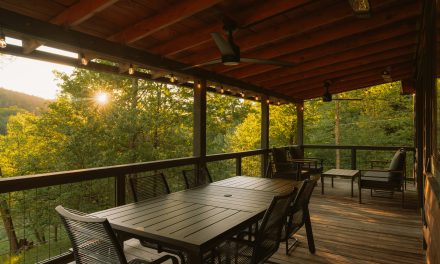
Utilizing outdoor fans is an innovative approach to mosquito control that leverages airflow to deter these insects. Mosquitoes are weak fliers; thus, the introduction of a breeze can significantly hinder their ability to navigate toward potential hosts. Installing fans on patios or decks creates an inhospitable environment for mosquitoes while enhancing comfort for outdoor gatherings.
Moreover, outdoor fans can be strategically placed near areas where people congregate, such as dining tables or lounging areas. This not only provides relief from heat but also serves as an effective barrier against mosquito intrusion. By integrating this simple yet effective solution into your outdoor spaces, you can enjoy a more pleasant experience without the constant annoyance of buzzing insects.
For effective backyard mosquito prevention, it’s important to explore various strategies that can help create a more enjoyable outdoor space. One useful resource is an article that discusses easy recipes for outdoor gatherings, which can be a great way to keep your guests entertained while also implementing mosquito control measures. You can check out the article on easy Greek yogurt chicken salad with extra protein here for some delicious ideas that pair well with your mosquito prevention efforts.
Tip 4: Apply Natural or Chemical Mosquito Repellents Safely
The application of mosquito repellents is a cornerstone of personal protection against bites. Both natural and chemical options are available, each with its own set of advantages and considerations. Natural repellents often contain essential oils such as eucalyptus, citronella, or peppermint, which can provide varying degrees of effectiveness without harsh chemicals.
On the other hand, chemical repellents containing DEET (N,N-diethyl-meta-toluamide), picaridin, or IR3535 have been extensively studied and proven to offer longer-lasting protection against mosquito bites. When using chemical repellents, it is essential to follow label instructions carefully to ensure safe application. Avoid applying these products on broken skin or near the eyes and mouth. For children, opt for formulations specifically designed for their age group to minimize any potential adverse effects.
Tip 5: Maintain Your Lawn and Trim Overgrown Vegetation
Regular lawn maintenance plays a pivotal role in reducing mosquito habitats around your property. Overgrown grass and dense vegetation provide ideal resting spots for adult mosquitoes during the day. By keeping your lawn well-trimmed and removing excess foliage, you can diminish the likelihood of mosquitoes taking refuge in your yard.
Additionally, consider implementing landscaping techniques that promote airflow and sunlight penetration throughout your garden. This not only discourages mosquito habitation but also enhances the overall health of your plants. A well-maintained yard is less inviting to mosquitoes and contributes to a more enjoyable outdoor experience.
Tip 6: Use Mosquito Traps and Larvicides Effectively
Mosquito traps are an effective tool for capturing adult mosquitoes and reducing their populations in targeted areas. These devices utilize various attractants—such as carbon dioxide or heat—to lure mosquitoes into a trap where they cannot escape. When strategically placed around your property, traps can significantly decrease local mosquito numbers.
In conjunction with traps, the application of larvicides can further enhance control efforts by targeting immature stages of mosquitoes in standing water sources. These products disrupt the development of larvae into adults, effectively breaking the breeding cycle. It is crucial to select larvicides that are environmentally friendly and safe for non-target organisms while ensuring compliance with local regulations regarding their use.
Tip 7: Create Mosquito-Free Zones with Screens and Nets
Establishing mosquito-free zones within your home and outdoor spaces is an effective strategy for minimizing exposure to bites. Installing screens on windows and doors prevents mosquitoes from entering living areas while allowing fresh air circulation. Ensure that screens are free from holes or tears to maintain their efficacy.
For outdoor activities such as camping or picnicking, consider using mosquito nets around sleeping areas or dining setups. These nets create a physical barrier that keeps mosquitoes at bay while allowing you to enjoy the outdoors comfortably. By implementing these protective measures, you can create safe havens free from mosquito intrusion.
Additional Precautions: Protecting Yourself During Peak Mosquito Hours
Understanding peak mosquito activity hours is essential for effective personal protection. Mosquitoes are most active during dawn and dusk when temperatures are cooler and humidity levels rise. During these times, it is advisable to wear long-sleeved clothing and use repellents liberally on exposed skin.
Additionally, consider planning outdoor activities during times when mosquito activity is lower—typically mid-morning or late afternoon. If you must be outside during peak hours, seek shaded areas or utilize fans to create airflow that deters mosquitoes from approaching you.
Benefits of Combining Multiple Prevention Methods
The integration of multiple prevention strategies yields synergistic effects that enhance overall effectiveness against mosquitoes. By combining approaches such as eliminating standing water, using repellents, maintaining landscaping, and employing traps, individuals can create a comprehensive defense system against these pests.
This multifaceted approach not only reduces mosquito populations but also minimizes the risk of disease transmission significantly. Furthermore, employing various methods allows for adaptability based on changing environmental conditions or personal preferences, ensuring ongoing protection throughout the mosquito season.
Enjoying a Bite-Free Summer: Final Tips and Best Practices
To fully enjoy a bite-free summer, it is essential to remain vigilant and proactive in implementing preventive measures against mosquitoes. Regularly inspect your property for potential breeding sites and maintain landscaping practices that discourage habitation. Utilize repellents effectively while being mindful of safety guidelines.
Consider engaging with community initiatives focused on mosquito control efforts to amplify your impact on local populations. By working together with neighbors and local authorities, you can foster a healthier environment free from the threats posed by mosquitoes.
In summary, understanding the biology of mosquitoes and employing a combination of prevention strategies—such as eliminating standing water, utilizing repellent plants, maintaining landscaping, applying repellents safely, and creating physical barriers—can significantly reduce mosquito populations and minimize health risks associated with bites. By remaining proactive throughout the summer months and adapting strategies based on personal circumstances, individuals can enjoy outdoor activities without the constant threat of mosquito intrusion.
### FAQ Section
1. **What diseases do mosquitoes transmit?**
– Mosquitoes are known vectors for diseases such as malaria, dengue fever, Zika virus, West Nile virus, chikungunya, yellow fever, and lymphatic filariasis.
2. **How can I identify potential breeding sites around my home?**
– Look for standing water in containers like bird baths, flower pots, clogged gutters, old tires, or any other items that can collect rainwater.
3. **Are natural repellents effective?**
– Natural repellents can provide varying degrees of effectiveness; however, they may require more frequent application compared to chemical options like DEET or picaridin.
4. **How often should I apply mosquito repellent?**
– Follow product instructions; generally, reapplication is recommended every few hours or after swimming or sweating.
5. **Can I use larvicides in my garden?**
– Yes! Larvicides can be used in standing water sources that cannot be drained; however, ensure they are safe for non-target organisms.
6. **What should I do if I get bitten by a mosquito?**
– Clean the bite area with soap and water; apply anti-itch cream or take antihistamines if necessary to alleviate discomfort.
7. **Are there any community programs focused on mosquito control?**
– Many local health departments offer programs aimed at educating residents about mosquito control; check with your local authorities for resources.
8. **How do I know if my repellent is safe for children?**
– Always read labels carefully; choose formulations specifically designed for children’s use to ensure safety.
9. **What time of day should I avoid being outdoors?**
– Mosquitoes are most active during dawn and dusk; plan outdoor activities accordingly to minimize exposure.
10. **Can I use fans indoors to deter mosquitoes?**
– Yes! Indoor fans can help create airflow that makes it difficult for mosquitoes to fly effectively within enclosed spaces.
In conclusion, by understanding the behaviors of mosquitoes and implementing a variety of preventive measures—from eliminating breeding sites to using repellents—you can significantly reduce your risk of bites and enjoy a healthier outdoor experience throughout the summer months.
FAQs
What are some effective methods for preventing mosquitoes in my backyard?
Effective methods for preventing mosquitoes include eliminating standing water, using mosquito repellents, installing screens on windows and doors, planting mosquito-repelling plants like citronella and lavender, and using outdoor fans to create airflow that makes it difficult for mosquitoes to fly.
How can I eliminate standing water in my backyard?
To eliminate standing water, regularly check and empty items that can collect water, such as bird baths, flower pots, and gutters. Ensure that any outdoor furniture or equipment is stored properly and that pools are maintained with proper filtration and chemical balance.
Are there natural repellents I can use to deter mosquitoes?
Yes, natural repellents include essential oils such as citronella, eucalyptus, lavender, and tea tree oil. These can be applied to the skin or used in diffusers and candles to help keep mosquitoes at bay.
What time of day are mosquitoes most active?
Mosquitoes are typically most active during dawn and dusk. This is when they are most likely to feed, so it’s advisable to take preventive measures during these times, such as wearing protective clothing or using repellents.
Can I use insecticides to control mosquitoes in my backyard?
Yes, insecticides can be used to control mosquito populations in your backyard. However, it’s important to choose products that are safe for the environment and follow the manufacturer’s instructions carefully. Consider consulting a pest control professional for effective and safe application.