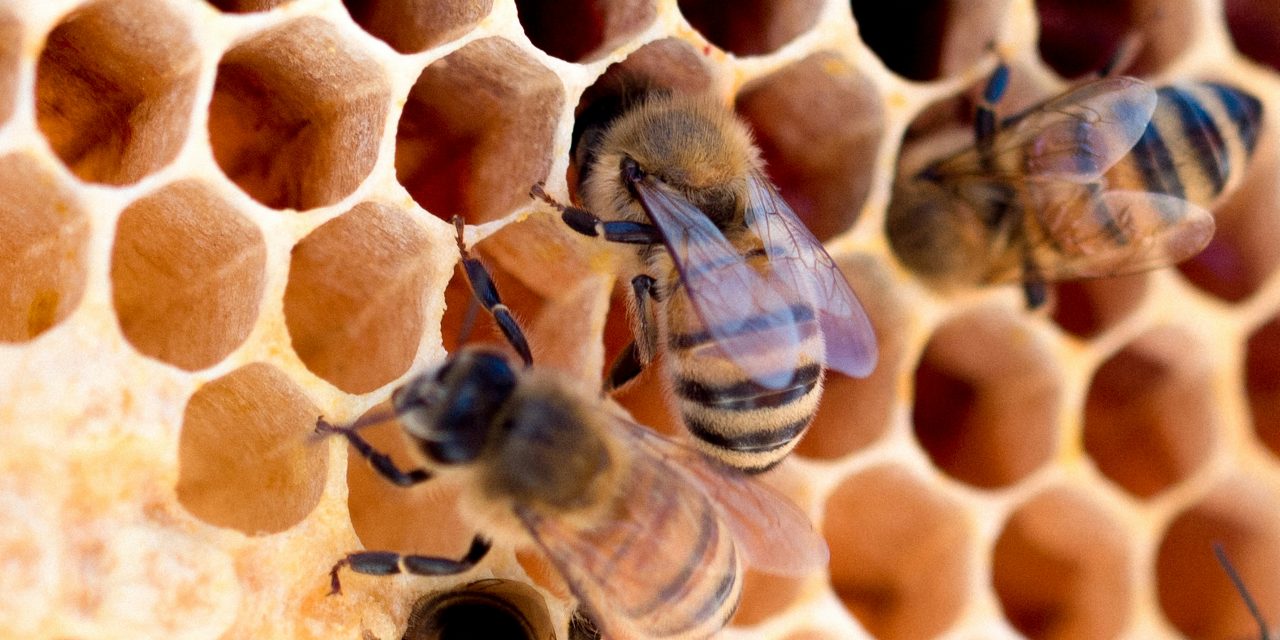
Carpenter bees (Xylocopa spp.) are large, robust insects that belong to the Apidae family, which also includes honeybees and bumblebees. Unlike their more docile counterparts, carpenter bees are notorious for their wood-boring habits, which can lead to significant structural damage if left unchecked. These solitary bees are often mistaken for bumblebees due to their similar size and coloration; however, carpenter bees typically exhibit a shiny, hairless abdomen, while bumblebees possess a more fuzzy appearance.
Understanding the biology and behavior of carpenter bees is crucial for homeowners. These insects are primarily active during the spring and summer months, with females responsible for nesting and laying eggs. They create cylindrical tunnels in untreated wood, which serve as both a nursery for their offspring and a shelter for themselves. The presence of these bees can be alarming, especially when they invade wooden structures such as decks, fences, and eaves. Homeowners must recognize that while carpenter bees are generally non-aggressive, their nesting habits can lead to costly repairs if not managed effectively.
If you’re looking for effective strategies to keep carpenter bees at bay, you might find it helpful to explore related topics on home improvement and maintenance. For instance, check out this article on clever small living room storage ideas that can enhance your living space while also providing tips on maintaining a pest-free environment: 10 Clever Small Living Room Storage Ideas Perfect for Renters.
Identifying Carpenter Bee Activity Around Your Property
Detecting carpenter bee activity early is essential for preventing extensive damage to your property. Homeowners should be vigilant for specific signs that indicate the presence of these wood-boring insects. One of the most prominent indicators is the appearance of perfectly round holes, typically measuring about 1/2 inch in diameter, on wooden surfaces. These holes may be accompanied by sawdust-like frass, which is the result of the bees excavating tunnels within the wood.
In addition to visual cues, homeowners may also observe carpenter bees hovering around their nesting sites or engaging in territorial behavior. Males are particularly aggressive in defending their territory, often buzzing around intruders but lacking the ability to sting. Listening for a distinctive buzzing sound can also help identify their presence. By being proactive and recognizing these signs, homeowners can take appropriate measures to mitigate potential infestations before they escalate.
Sealing Potential Nesting Sites to Deter Carpenter Bees

Preventing carpenter bees from establishing nests on your property begins with sealing potential nesting sites. This proactive approach involves inspecting wooden structures for any existing holes or cracks that could serve as entry points. Once identified, these openings should be filled with a suitable wood filler or caulk to eliminate access. It is essential to ensure that the filler is weather-resistant to withstand outdoor conditions.
In addition to sealing existing holes, homeowners should consider applying protective coatings to untreated wood surfaces. Paint or varnish not only enhances the aesthetic appeal of wooden structures but also acts as a deterrent against carpenter bees. The application of these finishes creates a barrier that makes it more challenging for bees to bore into the wood. Regular maintenance and inspections of wooden structures can significantly reduce the likelihood of carpenter bee infestations.
Using Bee-Repellent Plants in Your Garden

Incorporating bee-repellent plants into your garden can serve as an effective strategy for deterring carpenter bees from your property. Certain plant species emit fragrances or produce compounds that are unappealing to these insects. For instance, plants such as mint, eucalyptus, and citronella are known for their repellent properties. By strategically placing these plants around your home, you can create a natural barrier that discourages carpenter bees from approaching.
Additionally, planting a diverse array of flowering plants can help attract beneficial pollinators while minimizing the presence of carpenter bees. By fostering a balanced ecosystem in your garden, you can reduce the likelihood of infestations while promoting overall biodiversity. Homeowners should research local flora that thrives in their region and consider incorporating bee-repellent plants into their landscaping plans.
If you’re looking for effective strategies to keep carpenter bees away from your home, you might find it helpful to explore related topics such as maintaining your gutters. Proper gutter maintenance can prevent water damage and create a less inviting environment for these pests. For more information on this, check out this article on how to fix a leaking gutter and prevent water damage. By ensuring that your gutters are in good condition, you can help protect your home from various issues, including unwanted insects.
Applying Natural and Chemical Repellents Safely
When dealing with carpenter bee infestations, homeowners may consider using natural or chemical repellents as part of their management strategy. Natural repellents such as essential oils derived from peppermint or tea tree oil can be effective in deterring these insects without posing significant risks to human health or the environment. To use these oils, homeowners can dilute them with water and spray the mixture around potential nesting sites.
For those who prefer chemical options, insecticidal sprays specifically formulated for carpenter bees are available on the market. It is crucial to follow the manufacturer’s instructions carefully when applying these products to ensure safety and efficacy. Homeowners should take precautions to protect beneficial insects and avoid spraying during peak bee activity times, typically early morning or late afternoon when bees are most active.
If you’re looking for effective strategies to keep carpenter bees away from your home, you might find it helpful to read an article that offers practical tips and insights. One such resource discusses various methods to deter these pests while maintaining the beauty of your outdoor space. You can check out the article for more information on how to protect your property from unwanted visitors by following this link.
Maintaining Wooden Structures with Protective Finishes
Regular maintenance of wooden structures is vital in preventing carpenter bee infestations and minimizing damage. Applying protective finishes such as paint, stain, or sealant not only enhances the appearance of wood but also provides a barrier against moisture and pests. Untreated wood is particularly susceptible to carpenter bee activity, making it essential for homeowners to prioritize protective measures.
When selecting finishes, homeowners should opt for high-quality products designed for outdoor use. These finishes should be reapplied periodically based on manufacturer recommendations and environmental conditions. Regular inspections of wooden surfaces will help identify any signs of wear or damage that may require immediate attention. By maintaining wooden structures diligently, homeowners can significantly reduce the risk of carpenter bee infestations.
Installing Physical Barriers to Prevent Bee Entry
Physical barriers can serve as an effective means of preventing carpenter bees from accessing potential nesting sites around your property. Installing mesh screens or wire mesh over vents and openings in wooden structures can deter these insects from entering while still allowing for ventilation. Additionally, homeowners may consider using wooden alternatives that are less appealing to carpenter bees, such as composite materials or pressure-treated wood.
Another option is to install bee-proof barriers around areas where carpenter bees are known to nest. This could include placing wooden structures at an angle or using decorative elements that make it more challenging for bees to access nesting sites. By implementing physical barriers strategically, homeowners can create an environment that discourages carpenter bee activity.
Removing Existing Carpenter Bee Nests Effectively
If carpenter bee nests have already been established on your property, it is crucial to remove them effectively to prevent further damage and infestation. The best time to address existing nests is during late evening or early morning when bees are less active. Homeowners should wear protective clothing and use appropriate tools such as a vacuum with a long hose attachment to remove the nests safely.
After removing the nests, it is essential to seal any holes left behind with wood filler or caulk to prevent re-infestation. Additionally, homeowners should consider treating the area with insecticidal dust specifically designed for wood-boring insects to eliminate any remaining larvae or adult bees. Proper disposal of removed nests is also important; placing them in sealed bags before discarding them will help prevent any potential re-infestation.
Encouraging Natural Predators to Control Bee Populations
Promoting natural predators within your garden can be an effective strategy for controlling carpenter bee populations without resorting to chemical treatments. Birds such as purple martins and tree swallows are known to feed on various insects, including carpenter bees. By installing birdhouses or providing suitable habitats for these birds, homeowners can encourage them to take up residence in their yards.
Additionally, introducing beneficial insects such as parasitic wasps can help manage carpenter bee populations naturally. These wasps lay their eggs inside carpenter bee larvae, effectively reducing their numbers over time. Homeowners should research local ecosystems and consider implementing strategies that promote biodiversity while keeping pest populations in check.
Scheduling Regular Home Inspections for Early Detection
Regular home inspections play a critical role in early detection and prevention of carpenter bee infestations. Homeowners should schedule inspections at least once a year, ideally during spring when carpenter bees become active. During these inspections, trained professionals can assess wooden structures for signs of damage or potential nesting sites.
Early detection allows homeowners to address issues before they escalate into significant problems requiring costly repairs. Inspections should include checking eaves, decks, fences, and other wooden structures for signs of wear or damage caused by carpenter bees. By prioritizing regular inspections, homeowners can maintain the integrity of their properties while minimizing the risk of infestations.
When to Call a Professional Pest Control Service
While many homeowners may attempt DIY methods for managing carpenter bee infestations, there are instances when professional pest control services are necessary. If an infestation is extensive or if homeowners are uncomfortable handling the situation themselves, enlisting the help of trained professionals is advisable. Pest control experts possess specialized knowledge and tools that enable them to address infestations effectively and safely.
Professional services often include thorough inspections, targeted treatments using insecticides specifically designed for wood-boring insects, and recommendations for long-term prevention strategies. Homeowners should seek licensed pest control companies with experience in managing carpenter bee populations to ensure effective results.
In summary, understanding carpenter bees is essential for homeowners looking to protect their properties from potential damage caused by these wood-boring insects. Identifying signs of activity early on allows for proactive measures such as sealing nesting sites and applying repellents effectively. Maintaining wooden structures with protective finishes and installing physical barriers further reduces the risk of infestations. Encouraging natural predators and scheduling regular inspections contribute to long-term management strategies while knowing when to call professionals ensures comprehensive solutions for severe infestations. By implementing these strategies diligently, homeowners can safeguard their properties against carpenter bee damage effectively.
FAQs
What are carpenter bees and how do they differ from bumblebees?
Carpenter bees are large, solitary bees that resemble bumblebees but have a shiny, hairless abdomen. Unlike bumblebees, which are fuzzy and social, carpenter bees are known for their nesting habits, where they bore holes into wood to create their nests. They are typically less aggressive than bumblebees but can still sting if provoked.
What are some effective methods to prevent carpenter bees from nesting in wood?
To prevent carpenter bees from nesting, you can paint or stain wooden surfaces, as they are less likely to drill into treated wood. Additionally, sealing any existing holes with wood filler or caulk can deter them from returning. Regular maintenance of wooden structures, such as decks and eaves, can also help keep carpenter bees at bay.
Are there any natural repellents that can deter carpenter bees?
Yes, natural repellents such as citrus oil, almond oil, or peppermint oil can be effective in deterring carpenter bees. Spraying these oils around areas where carpenter bees are likely to nest can help keep them away. Additionally, planting certain flowers that attract their natural predators can also help reduce their presence.
What should I do if I find carpenter bees nesting in my home?
If you discover carpenter bees nesting in your home, it is advisable to wait until the end of their active season in late summer or early fall to address the issue. At that time, you can seal the holes and apply insecticidal dust if necessary. If the infestation is significant, consider contacting a pest control professional for assistance.
Can carpenter bees cause damage to my property?
Yes, carpenter bees can cause damage to wooden structures over time. Their nesting habits involve boring holes into wood, which can weaken the structural integrity of decks, eaves, and other wooden components. If left untreated, this damage can become extensive, leading to costly repairs.