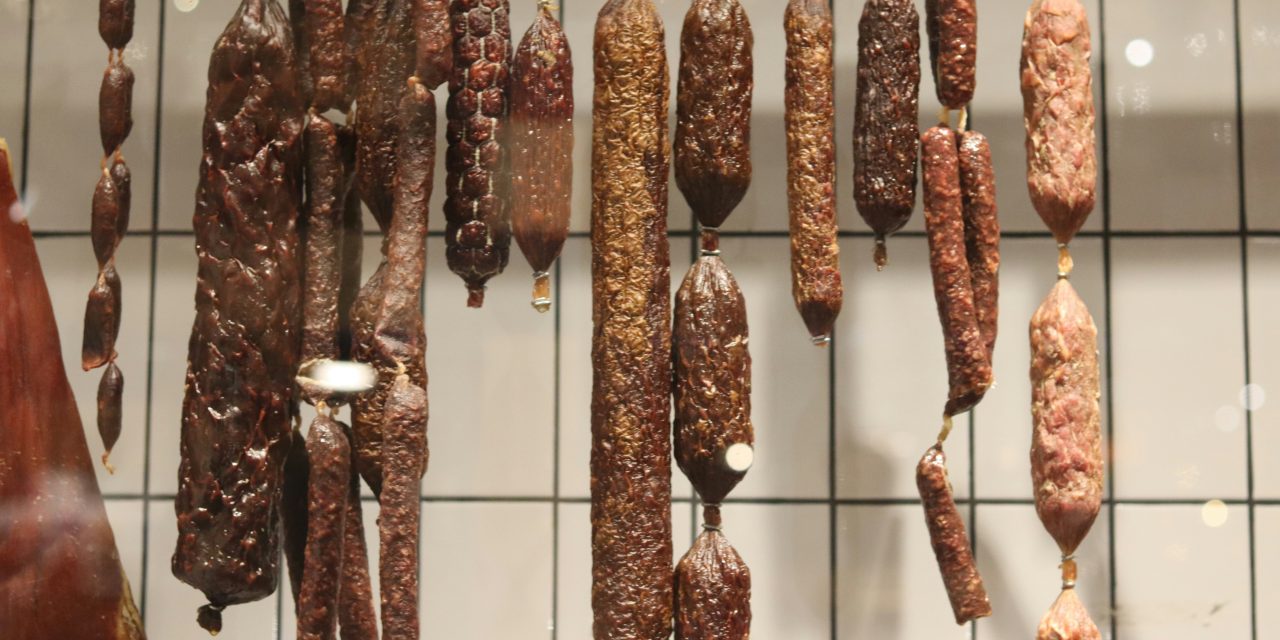
Dehydrated meats have gained significant popularity in recent years, emerging as a favored choice among outdoor enthusiasts, athletes, and health-conscious individuals. This preservation method involves removing moisture from meat, which not only extends its shelf life but also concentrates flavors and nutrients. The process of dehydration can be traced back to ancient civilizations, where it was utilized as a means of food preservation before the advent of refrigeration. Today, dehydrated meats are not only a staple in survival kits but also a gourmet snack option enjoyed by many.
The dehydration process typically involves slicing the meat into thin strips, marinating it for flavor enhancement, and then drying it using various methods such as air drying, sun drying, or using dehydrators and ovens. The result is a lightweight, portable product that retains essential nutrients while offering a rich taste. As consumers become increasingly aware of the benefits of dehydrated meats, the market has expanded to include a variety of options catering to diverse palates and dietary preferences.
When considering the shelf life of dehydrated meat, it’s essential to understand the factors that can affect its longevity and safety. For more information on maintaining cleanliness and preventing spoilage in your food storage areas, you might find this article on removing mold and mildew stains from bathroom grout helpful. It highlights the importance of a clean environment, which can contribute to the overall quality of your food products. You can read the article here: How to Remove Mold and Mildew Stains from Bathroom Grout.
Benefits of Dehydrating Meat
The advantages of dehydrating meat extend beyond mere convenience. One of the primary benefits is the significant increase in shelf life. Dehydrated meats can last for months or even years when stored properly, making them an ideal choice for long-term food storage. This longevity is particularly advantageous for campers, hikers, and those preparing for emergencies, as it ensures access to protein-rich sustenance without the need for refrigeration.
Moreover, dehydrated meats are nutrient-dense. The dehydration process preserves essential vitamins and minerals while concentrating protein content. For instance, beef jerky can contain up to 30 grams of protein per serving, making it an excellent source of energy for active individuals. Additionally, dehydrated meats are often lower in fat compared to their fresh counterparts, as much of the fat can be trimmed away before the dehydration process. This makes them a healthier snack option compared to traditional chips or candy.
Factors Affecting Shelf Life of Dehydrated Meats

Several factors influence the shelf life of dehydrated meats, including moisture content, storage conditions, and packaging methods. The primary determinant is moisture; the lower the moisture content, the longer the shelf life. Ideally, dehydrated meats should have a moisture level below 20% to inhibit bacterial growth and spoilage.
Storage conditions play a crucial role as well. Dehydrated meats should be kept in a cool, dark place away from direct sunlight and humidity. Exposure to heat and light can accelerate degradation and lead to rancidity. Vacuum sealing is an effective method for preserving dehydrated meats, as it removes air that can contribute to oxidation and spoilage. Additionally, using oxygen absorbers in packaging can further extend shelf life by reducing the presence of oxygen that promotes deterioration.
Top 7 Dehydrated Meats You Should Know

1. Beef Jerky
2. Turkey Jerky
3. Venison Jerky
4. Pork Jerky
5. Salmon Jerky
6. Bison Jerky
7. Chicken Jerky
Each type of dehydrated meat offers unique flavors and nutritional profiles, catering to various dietary needs and preferences. Understanding these options can help consumers make informed choices based on taste, health benefits, and culinary versatility.
When considering the shelf life of dehydrated meat, it’s essential to understand how proper cooking techniques can impact its longevity and safety. For instance, knowing the right temperature to cook steak can help ensure that it is not only delicious but also safe for storage. You can learn more about this in a related article that discusses the ideal cooking temperatures for various types of meat, which can be found here. Understanding these factors can significantly enhance your experience with dehydrated meats and their preservation.
Beef Jerky: Characteristics and Shelf Life
Beef jerky is perhaps the most recognized form of dehydrated meat, celebrated for its robust flavor and chewy texture. Typically made from lean cuts such as flank steak or sirloin, beef jerky is marinated in a blend of spices and sauces before being dried. The flavor profile can vary widely depending on the marinade used; popular options include teriyaki, peppered, and spicy varieties.
In terms of shelf life, properly stored beef jerky can last anywhere from 1 to 2 years when vacuum sealed and kept in a cool environment. However, once opened, it is best consumed within a few weeks for optimal freshness. The high protein content makes beef jerky an excellent snack for those seeking energy during outdoor activities or workouts.
When considering the shelf life of dehydrated meat, it’s essential to understand the factors that can affect its longevity and quality. A related article that provides valuable insights on this topic can be found here: garden tools. This resource discusses not only the importance of proper storage techniques but also how environmental conditions can play a significant role in preserving the flavor and nutritional value of dehydrated meats.
Turkey Jerky: Nutritional Value and Storage Tips
Turkey jerky has emerged as a popular alternative to traditional beef jerky due to its lower fat content and lighter flavor profile. Made from turkey breast, this dehydrated meat is often seasoned with herbs and spices that complement its natural taste. Nutritionally, turkey jerky typically contains around 11 grams of protein per ounce while being lower in calories compared to beef jerky.
To maximize its shelf life, turkey jerky should be stored in an airtight container or vacuum-sealed bag in a cool, dry place. When properly stored, it can last up to 1 year without significant loss of quality. Once opened, it is advisable to consume turkey jerky within 1 month to ensure freshness and flavor retention.
Venison Jerky: Unique Qualities and Longevity
Venison jerky stands out due to its distinct flavor profile and lean composition. Made from deer meat, venison jerky is often favored by those seeking a gamey taste that differs from traditional beef or turkey options. It is rich in iron and other essential nutrients while being lower in fat than many other types of jerky.
The shelf life of venison jerky can be comparable to that of beef jerky when stored correctly—up to 2 years if vacuum sealed and kept in optimal conditions. However, due to its unique flavor and texture, venison jerky may appeal more to specific palates. It is recommended to consume it within 2-3 weeks after opening for the best taste experience.
Pork Jerky: Flavor Profile and Preservation
Pork jerky offers a sweet and savory flavor that appeals to many consumers. Made from lean cuts of pork such as loin or tenderloin, this type of jerky is often marinated with sweet sauces like teriyaki or honey-based mixtures before dehydration. The result is a tender yet chewy snack that provides a satisfying taste experience.
When it comes to preservation, pork jerky can last up to 1 year when vacuum sealed and stored in a cool environment. Once opened, it should ideally be consumed within 2-3 weeks for optimal flavor retention. The combination of sweetness and savory notes makes pork jerky an excellent choice for those looking for a unique snacking experience.
Salmon Jerky: Health Benefits and Durability
Salmon jerky is an increasingly popular option among health-conscious consumers due to its rich omega-3 fatty acid content and high protein levels. This dehydrated fish product is often seasoned with spices that enhance its natural flavor while providing numerous health benefits such as improved heart health and reduced inflammation.
In terms of shelf life, salmon jerky can last up to 1 year when vacuum sealed and stored properly. However, due to its moisture content compared to red meats, it may have a slightly shorter shelf life once opened—ideally consumed within 1-2 weeks for maximum freshness. The unique taste profile combined with its health benefits makes salmon jerky an appealing choice for those seeking nutritious snack options.
Bison Jerky: Taste and Shelf Stability
Bison jerky has gained traction as a leaner alternative to beef jerky while offering a rich flavor that many find appealing. Made from bison meat—known for its lower fat content—this type of jerky provides a hearty snack option without compromising on taste or nutrition.
When stored correctly in vacuum-sealed packaging in a cool environment, bison jerky can last up to 1-2 years without significant quality loss. Once opened, it is best consumed within 2-3 weeks for optimal flavor retention. The unique taste combined with its nutritional benefits makes bison jerky an excellent choice for those looking for something different yet satisfying.
Chicken Jerky: Preparation and Expiration Guidelines
Chicken jerky is often overlooked but offers a delightful alternative for those seeking a lighter snack option. Made from chicken breast fillets that are marinated and dehydrated, this type of jerky tends to have a milder flavor compared to other varieties but still packs a protein punch.
In terms of shelf life, chicken jerky can last up to 1 year when vacuum sealed and stored properly in a cool environment. Once opened, it should ideally be consumed within 1 month for the best taste experience. The preparation process typically involves marinating the chicken in flavorful sauces before slicing it into strips for dehydration.
In conclusion, dehydrated meats provide an array of options that cater to diverse tastes while offering numerous health benefits and extended shelf life. From beef jerky’s robust flavor to salmon’s omega-3 richness, each type presents unique characteristics worth exploring for both casual snacking and outdoor adventures alike.
FAQ Section:
1. **What is the primary benefit of dehydrating meat?**
– The main advantage is extending shelf life by removing moisture that promotes spoilage.
2. **How long can dehydrated meats last?**
– Depending on storage conditions and type, they can last from several months up to 2 years.
3. **What storage methods are best for dehydrated meats?**
– Vacuum sealing in airtight containers kept in cool, dark places is ideal for preserving quality.
4. **Are there any health benefits associated with dehydrated meats?**
– Yes! They are often high in protein while being lower in fat compared to fresh meats.
5. **Can I make my own dehydrated meat at home?**
– Absolutely! Using a food dehydrator or an oven allows you to create customized flavors at home.
6. **Is there any risk associated with consuming dehydrated meats?**
– If not stored properly or consumed past their expiration date, there may be risks related to spoilage or foodborne illnesses.
7. **What types of marinades work best for dehydrating meat?**
– Marinades with low sugar content work best as high sugar levels can lead to caramelization during dehydration.
8. **Can I dehydrate cooked meat?**
– Yes! Cooked meat can be dehydrated but should be cooled completely before slicing and drying.
9. **How do I know if my dehydrated meat has gone bad?**
– Signs include off smells, discoloration, or changes in texture; if in doubt, it’s best to discard it.
10. **What are some creative ways to use dehydrated meats?**
– They can be added to soups, salads, trail mixes or enjoyed as standalone snacks.
In summary, dehydrated meats offer an excellent source of nutrition with extended shelf life while providing diverse flavors suitable for various dietary preferences. Understanding their characteristics helps consumers make informed choices about their snacking habits while enjoying the benefits these products provide.
FAQs
What is the typical shelf life of dehydrated meat?
The typical shelf life of dehydrated meat can range from 1 to 2 years when stored properly in a cool, dry place. However, vacuum-sealed packages can extend this shelf life up to 5 years or more.
How should dehydrated meat be stored to maximize its shelf life?
Dehydrated meat should be stored in airtight containers or vacuum-sealed bags to prevent moisture and air exposure. It is best kept in a cool, dark place, away from direct sunlight and heat sources.
Can dehydrated meat go bad, and how can you tell?
Yes, dehydrated meat can go bad. Signs that it has spoiled include an off smell, discoloration, or the presence of mold. If the texture becomes excessively hard or chewy, it may also indicate that it is no longer safe to eat.
Does the type of meat affect the shelf life of dehydrated meat?
Yes, the type of meat can affect its shelf life. For example, beef jerky typically has a longer shelf life compared to chicken or fish jerky due to its lower moisture content and higher fat content in some cases.
Can dehydrated meat be rehydrated, and how?
Yes, dehydrated meat can be rehydrated by soaking it in water or broth for several hours or by cooking it in a liquid. This process helps restore moisture and makes the meat more palatable for consumption.