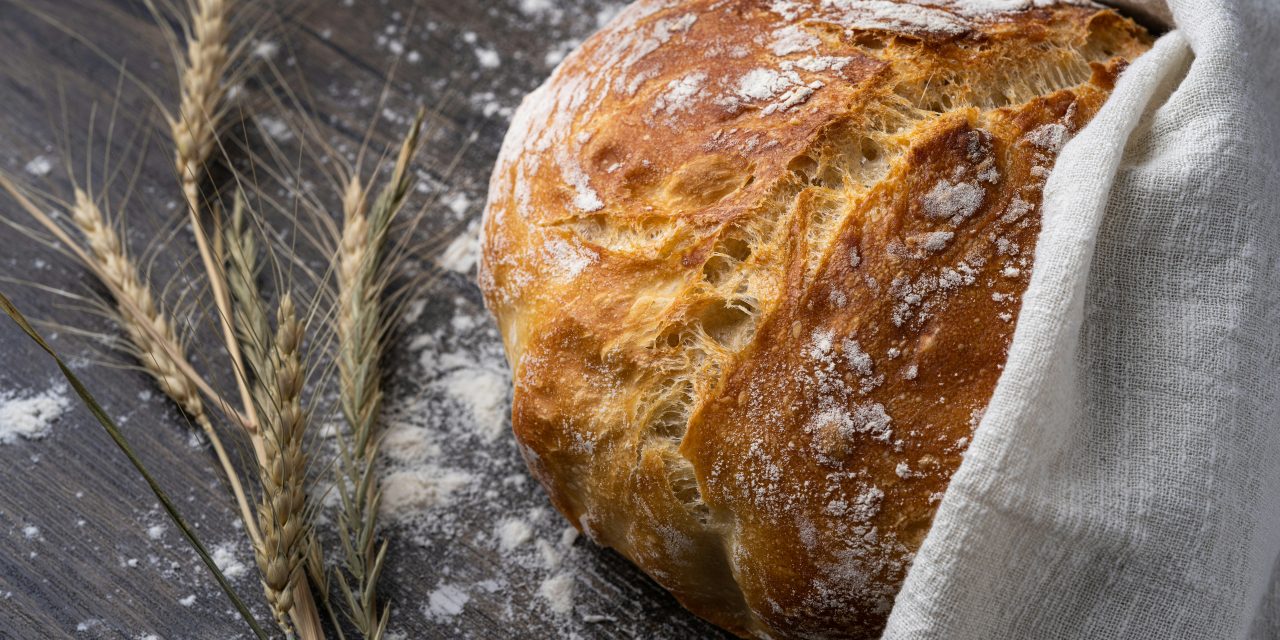
No-knead bread has revolutionized the way home bakers approach the art of bread-making. This innovative technique, popularized by Jim Lahey in 2006, allows individuals to create artisan-quality loaves with minimal effort and time commitment. The beauty of no-knead bread lies in its simplicity; it requires only a few basic ingredients and minimal hands-on work. This method is particularly appealing to novice bakers who may feel intimidated by traditional kneading techniques, as well as seasoned bakers looking for a more relaxed approach to their craft.
The allure of no-knead bread extends beyond its ease of preparation. The long fermentation process, which typically spans 12 to 18 hours, enhances the flavor and texture of the bread, resulting in a crusty exterior and a chewy, airy crumb. This method harnesses the power of time rather than physical manipulation, allowing gluten to develop naturally. As a result, home bakers can achieve impressive results without the need for specialized equipment or extensive baking experience.
If you’re looking to complement your easy no-knead bread with a delicious meal, consider trying out a recipe for hot honey chicken bowls. This dish pairs wonderfully with freshly baked bread, creating a satisfying and hearty dining experience. You can find the recipe for these flavorful bowls at this link: hot honey chicken bowls with rice and avocado. Enjoy the perfect combination of flavors and textures!
Essential Ingredients for No-Knead Bread Recipes
Creating no-knead bread requires only a handful of essential ingredients, making it accessible for anyone interested in baking. The primary components include flour, water, salt, and yeast. Each ingredient plays a crucial role in the overall structure and flavor profile of the bread.
1. **Flour**: The foundation of any bread recipe, flour provides the necessary starches and proteins that form gluten when hydrated. All-purpose flour is commonly used for its versatility, but bread flour can also be employed for a chewier texture due to its higher protein content.
2. **Water**: Hydration is key in no-knead bread recipes. The amount of water used affects the dough’s consistency and ultimately influences the final loaf’s texture. Typically, a hydration level of around 70% is ideal for achieving that characteristic open crumb structure.
3. **Salt**: Salt not only enhances flavor but also strengthens gluten structure and regulates yeast activity. A general guideline is to use about 1.5% to 2% of the total flour weight in salt.
4. **Yeast**: Instant yeast or active dry yeast can be utilized in no-knead recipes. The yeast ferments the sugars present in the flour, producing carbon dioxide that causes the dough to rise. A small amount is sufficient due to the extended fermentation period.
Classic No-Knead Artisan Bread: A Simple Starter

For those new to no-knead bread, starting with a classic artisan loaf is an excellent choice. This recipe embodies the essence of no-knead baking while delivering impressive results that will delight both bakers and tasters alike.
To prepare this loaf, combine 3 cups of all-purpose flour, 1.5 teaspoons of salt, and 0.25 teaspoons of instant yeast in a large mixing bowl. Gradually add 1.5 cups of room-temperature water, stirring until a shaggy dough forms. Cover the bowl with plastic wrap or a clean kitchen towel and let it rest at room temperature for 12 to 18 hours.
After the resting period, the dough will have doubled in size and developed bubbles on the surface. Gently turn it out onto a floured surface and shape it into a round loaf without kneading. Place it on parchment paper and cover it with a towel while preheating your oven to 450°F (232°C). Once heated, transfer the loaf (with parchment) into a Dutch oven and bake for 30 minutes covered, followed by an additional 15 minutes uncovered for a golden crust.
No-Knead Whole Wheat Bread: Healthy and Hearty

Whole wheat bread offers a nutritious alternative to traditional white bread, packed with fiber and essential nutrients. The no-knead method allows bakers to enjoy the health benefits of whole grains without sacrificing flavor or texture.
To create this wholesome loaf, mix 2 cups of whole wheat flour with 1 cup of all-purpose flour, 1.5 teaspoons of salt, and 0.25 teaspoons of instant yeast in a large bowl. Gradually incorporate 1.5 cups of warm water until fully combined. Allow the dough to rest for 12 to 18 hours at room temperature.
Once fermented, turn the dough onto a floured surface and shape it into a round loaf. Transfer it onto parchment paper and let it rise while preheating your oven to 450°F (232°C). Bake as directed for classic no-knead bread, adjusting baking time if necessary due to the denser nature of whole wheat flour.
If you’re looking to enhance your baking skills while enjoying the simplicity of homemade bread, you might find it helpful to explore a related article that discusses the shelf life of various foods. Understanding how long certain ingredients last can help you make the most of your pantry while preparing easy no knead bread at home. For more insights on food preservation, check out this informative piece on shelf life secrets. This knowledge can ensure that your baking experience is both enjoyable and efficient.
Garlic and Herb No-Knead Bread for Flavor Lovers
For those who crave bold flavors, garlic and herb no-knead bread is an enticing option that elevates the basic recipe into something extraordinary. Infusing the dough with aromatic herbs and roasted garlic creates a savory loaf perfect for accompanying soups or enjoying on its own.
Begin by preparing roasted garlic by wrapping whole garlic bulbs in aluminum foil and baking them at 400°F (204°C) for about 30-40 minutes until soft and caramelized. In your mixing bowl, combine 3 cups of all-purpose flour, 1.5 teaspoons of salt, 0.25 teaspoons of instant yeast, and your choice of dried herbs such as rosemary or thyme (about 1 tablespoon). Add the roasted garlic cloves (squeezed from their skins) into the dry mixture before incorporating 1.5 cups of water.
Allow the dough to ferment as usual for 12 to 18 hours before shaping and baking as previously described. The result is a fragrant loaf that fills your kitchen with irresistible aromas.
If you’re looking to enhance your baking skills while keeping things simple, you might find it helpful to explore some easy cleaning hacks that can streamline your kitchen routine. For instance, a related article offers a practical 7-day cleaning schedule designed for busy families, which can help you maintain a tidy space while you experiment with making no knead bread at home. This way, you can focus on enjoying the process of baking without the stress of a messy kitchen.
Cheesy No-Knead Bread: A Savory Delight
Cheese lovers will rejoice at the prospect of cheesy no-knead bread—a delightful twist on traditional recipes that incorporates gooey cheese into every bite. This savory loaf is perfect for snacking or serving alongside pasta dishes.
To create this cheesy delight, start with the classic no-knead recipe base: combine 3 cups of all-purpose flour, 1.5 teaspoons of salt, and 0.25 teaspoons of instant yeast in a bowl. Before adding water, fold in shredded cheese—such as cheddar or mozzarella—(about 1 cup) into the dry ingredients. Gradually mix in 1.5 cups of water until fully combined.
Let the dough rise for 12 to 18 hours before shaping it into a round loaf and baking as directed. The melted cheese will create pockets of flavor throughout the bread, making each slice an indulgent treat.
No-Knead Focaccia: Soft, Fluffy, and Perfect for Dipping
Focaccia is an Italian flatbread known for its soft texture and rich flavor profile, making it an ideal candidate for the no-knead method. This versatile bread can be topped with various ingredients such as olives, tomatoes, or herbs.
To prepare no-knead focaccia, combine 4 cups of all-purpose flour with 2 teaspoons of salt and 0.25 teaspoons of instant yeast in a large bowl. Gradually add approximately 2 cups of warm water until fully incorporated. Allow the dough to rise for about 12 hours at room temperature.
Once fermented, transfer the dough into a generously oiled baking pan (about 9×13 inches). Use your fingers to dimple the surface before drizzling with olive oil and sprinkling with sea salt or fresh herbs like rosemary or thyme. Bake at 425°F (218°C) for approximately 25-30 minutes until golden brown.
No-Knead Cinnamon Swirl Bread: A Sweet Treat
For those with a penchant for sweetness, no-knead cinnamon swirl bread offers an indulgent option that combines rich flavors with minimal effort. This delightful loaf is perfect for breakfast or dessert.
Begin by preparing your basic no-knead dough using 3 cups of all-purpose flour, 1.5 teaspoons of salt, and 0.25 teaspoons of instant yeast mixed with 1.5 cups of warm water. Allow it to rise overnight as usual.
Once fermented, turn out the dough onto a floured surface and gently flatten it into a rectangle about half an inch thick. Spread softened butter over the surface and sprinkle generously with cinnamon sugar (a mixture of sugar and ground cinnamon). Roll tightly into a log shape before placing it seam-side down in a greased loaf pan.
Let it rise again for about an hour before baking at 375°F (190°C) for approximately 30-35 minutes until golden brown on top.
Rustic No-Knead Rye Bread: Earthy and Robust
Rye bread is celebrated for its distinctive flavor profile and dense texture, making it an excellent choice for those seeking something hearty and robust. The no-knead method allows bakers to enjoy this traditional loaf without extensive labor.
To create rustic rye bread, combine 2 cups of rye flour with 1 cup of all-purpose flour, along with 1.5 teaspoons of salt and 0.25 teaspoons of instant yeast in a mixing bowl. Gradually add approximately 1.5 cups of warm water until fully combined.
Allow the dough to ferment overnight before shaping it into a round loaf and letting it rise again while preheating your oven to 450°F (232°C). Bake as directed until crusty on the outside yet soft on the inside.
No-Knead Olive and Rosemary Bread: Mediterranean Flair
Infusing no-knead bread with Mediterranean flavors can transport your taste buds straight to sun-soaked shores. Olive and rosemary no-knead bread combines savory ingredients that complement each other beautifully.
Start by mixing together 3 cups of all-purpose flour, 1.5 teaspoons of salt, and 0.25 teaspoons of instant yeast in a bowl before adding roughly chopped olives (about one cup) and fresh rosemary leaves (approximately two tablespoons). Gradually incorporate around 1.5 cups of warm water until fully combined.
Allow this aromatic dough to rise overnight before shaping it into a round loaf and baking as previously described—resulting in an enticingly fragrant bread perfect for dipping or enjoying alongside cheese platters.
Tips and Tricks for Perfect No-Knead Bread Every Time
Achieving perfect no-knead bread consistently requires attention to detail and some helpful tips:
1. **Temperature Matters**: Ensure your water is at room temperature (around 70°F/21°C) to promote optimal yeast activity during fermentation.
2. **Patience is Key**: Allowing sufficient fermentation time is crucial; longer fermentation enhances flavor development.
3. **Use Parchment Paper**: Baking on parchment paper makes transferring loaves easier while preventing sticking.
4. **Experiment with Hydration**: Adjusting water levels can yield different textures; higher hydration results in airier loaves.
5. **Preheat Your Dutch Oven**: Preheating ensures that steam is trapped during baking—creating that coveted crusty exterior.
6. **Don’t Overwork Dough**: Gently shaping rather than kneading preserves air bubbles formed during fermentation.
7. **Store Properly**: To maintain freshness after baking, store loaves wrapped in cloth or paper rather than plastic.
In summary, no-knead bread offers an accessible yet rewarding approach to home baking that yields delicious results with minimal effort required from bakers at any skill level. With various recipes ranging from classic artisan loaves to flavorful variations like garlic herb or cinnamon swirl breads, there’s something for everyone to enjoy while honing their baking skills!
FAQs
What ingredients do I need to make no knead bread?
To make easy no knead bread, you will need all-purpose flour, water, salt, and active dry yeast. Optional ingredients can include herbs, spices, or other flavorings to enhance the bread.
How long does it take to prepare no knead bread?
The preparation time for no knead bread is minimal, typically around 5 to 10 minutes to mix the ingredients. However, the dough requires a long fermentation time, usually 12 to 18 hours, depending on the recipe and ambient temperature.
Do I need special equipment to make no knead bread?
No special equipment is required to make no knead bread. A large mixing bowl, a wooden spoon or spatula for mixing, and a Dutch oven or heavy pot for baking are sufficient. Parchment paper can also be helpful for transferring the dough.
Can I use whole wheat flour instead of all-purpose flour?
Yes, you can use whole wheat flour instead of all-purpose flour, but it may result in a denser bread. You might consider mixing whole wheat flour with all-purpose flour to achieve a lighter texture while still incorporating the benefits of whole grains.
How do I know when the no knead bread is done baking?
No knead bread is typically done baking when it has a golden-brown crust and sounds hollow when tapped on the bottom. An internal temperature of around 200°F (93°C) is also a good indicator that the bread is fully cooked.