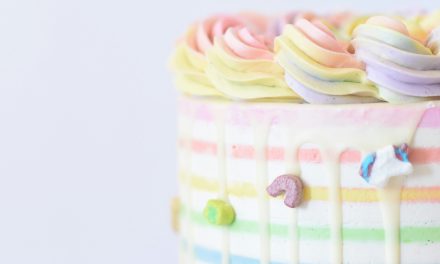
Homemade vanilla buttercream frosting is a quintessential component of countless desserts, elevating cakes, cupcakes, and cookies with its rich, creamy texture and delightful sweetness. This frosting is not only versatile but also incredibly easy to make, allowing bakers of all skill levels to create a professional-quality finish for their baked goods. The allure of vanilla buttercream lies in its simplicity; with just a few basic ingredients, one can achieve a luscious topping that complements a variety of flavors.
The beauty of homemade vanilla buttercream frosting is that it can be tailored to suit individual preferences, whether one desires a lighter, fluffier texture or a denser, more decadent spread. This article will delve into the essential ingredients, provide a step-by-step guide for crafting the perfect buttercream, and offer a plethora of delectable recipes that showcase this delightful frosting.
If you’re looking to elevate your baking skills, mastering homemade vanilla buttercream frosting is a delightful way to enhance your cakes and cupcakes. For those who enjoy a clean kitchen while whipping up sweet treats, you might find it helpful to read about maintaining your appliances. Check out this informative article on how to keep your front-load washer in top shape and prevent musty odors by visiting this link. A tidy kitchen environment can make your baking experience even more enjoyable!
Essential Ingredients for Vanilla Buttercream
To create the perfect vanilla buttercream frosting, several key ingredients are essential. The primary components include unsalted butter, confectioners’ sugar, heavy cream or milk, and pure vanilla extract. Each ingredient plays a crucial role in achieving the desired flavor and texture.
1. **Unsalted Butter**: The foundation of any buttercream, unsalted butter provides richness and creaminess. It is recommended to use room temperature butter for optimal mixing and aeration.
2. **Confectioners’ Sugar**: Also known as powdered sugar, this ingredient sweetens the frosting while contributing to its smooth consistency. The fine texture of confectioners’ sugar allows for easy incorporation into the butter without creating a grainy texture.
3. **Heavy Cream or Milk**: Adding a liquid component helps achieve the desired consistency. Heavy cream yields a richer frosting, while milk offers a lighter alternative.
4. **Pure Vanilla Extract**: This ingredient infuses the frosting with a warm, aromatic flavor that enhances the overall taste profile. Using pure vanilla extract is recommended over imitation vanilla for a more authentic flavor.
Step-by-Step Guide: Making Vanilla Buttercream Frosting

Creating homemade vanilla buttercream frosting is a straightforward process that requires minimal time and effort. Follow these steps to achieve a perfectly whipped frosting:
1. **Preparation**: Begin by gathering all necessary ingredients and tools, including a mixing bowl, electric mixer or whisk, and spatula.
2. **Cream the Butter**: In a mixing bowl, add 1 cup (226 grams) of room temperature unsalted butter. Beat on medium speed until the butter is light and fluffy, approximately 2-3 minutes.
3. **Incorporate Sugar**: Gradually add 4 cups (480 grams) of confectioners’ sugar to the creamed butter. Mix on low speed to prevent sugar from flying out of the bowl. Once incorporated, increase the speed to medium and beat until smooth.
4. **Add Liquid**: Pour in 2-4 tablespoons of heavy cream or milk, along with 1 teaspoon of pure vanilla extract. Beat on medium speed until the frosting reaches your desired consistency—add more liquid for a thinner frosting or more sugar for a thicker texture.
5. **Final Whip**: Once the desired consistency is achieved, whip the frosting on high speed for an additional 1-2 minutes to incorporate air and create a light, fluffy texture.
Tips for Perfectly Smooth Buttercream Every Time

Achieving a perfectly smooth vanilla buttercream frosting requires attention to detail and technique. Here are some tips to ensure success:
1. **Room Temperature Ingredients**: Ensure that both the butter and any liquid components are at room temperature before mixing. Cold ingredients can lead to an uneven texture.
2. **Sifting Sugar**: Sifting confectioners’ sugar before adding it to the butter can help eliminate lumps and create a smoother frosting.
3. **Mixing Technique**: Start mixing on low speed to prevent splattering, then gradually increase to medium speed once the sugar is incorporated.
4. **Avoid Overmixing**: While aeration is important for fluffiness, overmixing can lead to a greasy texture. Stop mixing once the desired consistency is reached.
5. **Use an Offset Spatula**: For spreading or decorating with buttercream, an offset spatula allows for better control and smoother application.
If you’re looking to elevate your baking skills, mastering homemade vanilla buttercream frosting is a delightful way to start. This creamy and sweet frosting pairs perfectly with cakes and cupcakes, making any dessert feel special. For those interested in exploring more about creating a variety of frostings, you might find this article on top cat boarding kennels surprisingly insightful, as it emphasizes the importance of quality ingredients, much like how the right vanilla can transform your buttercream. Enjoy experimenting with flavors and techniques to create the perfect frosting for your treats!
Recipe 1: Classic Vanilla Cupcakes with Buttercream Frosting
Classic vanilla cupcakes are a timeless treat that pairs beautifully with vanilla buttercream frosting. To make these delightful cupcakes:
1. Preheat your oven to 350°F (175°C) and line a muffin tin with cupcake liners.
2. In a bowl, combine 1 ½ cups (190 grams) all-purpose flour, 1 cup (200 grams) granulated sugar, ½ teaspoon baking powder, ½ teaspoon baking soda, and ¼ teaspoon salt.
3. In another bowl, whisk together ½ cup (120 ml) buttermilk, ½ cup (120 ml) vegetable oil, 2 large eggs, and 2 teaspoons pure vanilla extract.
4. Combine wet and dry ingredients until just mixed; do not overmix.
5. Divide batter evenly among cupcake liners and bake for 18-20 minutes or until a toothpick inserted comes out clean.
6. Allow cupcakes to cool completely before frosting with your homemade vanilla buttercream.
Recipe 2: Vanilla Buttercream Frosted Sugar Cookies
Sugar cookies are another delightful canvas for vanilla buttercream frosting. To create these sweet treats:
1. Preheat your oven to 350°F (175°C) and line baking sheets with parchment paper.
2. In a bowl, cream together 1 cup (226 grams) unsalted butter and 1 cup (200 grams) granulated sugar until light and fluffy.
3. Add 1 large egg and 2 teaspoons pure vanilla extract; mix until combined.
4. Gradually incorporate 3 cups (360 grams) all-purpose flour, 1 teaspoon baking powder, and ½ teaspoon salt until dough forms.
5. Roll dough into balls and place them on prepared baking sheets; flatten slightly.
6. Bake for 8-10 minutes until edges are lightly golden.
7. Cool cookies completely before generously frosting with vanilla buttercream.
Recipe 3: Simple Vanilla Buttercream Layer Cake
A layer cake adorned with vanilla buttercream is perfect for celebrations or special occasions:
1. Preheat your oven to 350°F (175°C) and grease two 9-inch round cake pans.
2. In a bowl, combine 2 cups (240 grams) all-purpose flour, 1 ½ cups (300 grams) granulated sugar, ½ cup (115 grams) unsalted butter, and 1 cup (240 ml) milk.
3. Add 3 large eggs and 2 teaspoons pure vanilla extract; mix until smooth.
4. Divide batter between prepared pans and bake for 25-30 minutes or until a toothpick comes out clean.
5. Allow cakes to cool before layering them with vanilla buttercream in between and on top.
Recipe 4: Vanilla Buttercream Frosted Brownies
Brownies topped with vanilla buttercream create an indulgent dessert experience:
1. Preheat your oven to 350°F (175°C) and grease an 8×8-inch baking pan.
2. Melt together ½ cup (115 grams) unsalted butter and 1 cup (200 grams) granulated sugar in a saucepan over low heat.
3. Remove from heat and stir in 2 large eggs and 1 teaspoon pure vanilla extract.
4. Mix in ⅓ cup (40 grams) unsweetened cocoa powder, ½ cup (65 grams) all-purpose flour, and a pinch of salt until combined.
5. Pour batter into prepared pan and bake for 20-25 minutes.
6. Cool brownies completely before frosting with vanilla buttercream.
Recipe 5: Mini Vanilla Buttercream Donuts
Mini donuts topped with vanilla buttercream are perfect for brunch or dessert:
1. Preheat your oven to 350°F (175°C) and grease a mini donut pan.
2. In a bowl, whisk together 1 cup (120 grams) all-purpose flour, ½ cup (100 grams) granulated sugar, and ½ teaspoon baking powder.
3. In another bowl, combine ¼ cup (60 ml) milk, ¼ cup (60 ml) vegetable oil, and 1 large egg; mix well.
4. Combine wet and dry ingredients until just mixed; pipe batter into mini donut pan.
5. Bake for about 10 minutes or until golden brown; cool before frosting with vanilla buttercream.
Recipe 6: Vanilla Buttercream Frosted Banana Bread
Banana bread topped with vanilla buttercream adds an unexpected twist:
1. Preheat your oven to 350°F (175°C) and grease a loaf pan.
2. In a bowl, mash together 3 ripe bananas with ½ cup (115 grams) melted unsalted butter.
3. Stir in ¾ cup (150 grams) granulated sugar, followed by 2 large eggs and 1 teaspoon pure vanilla extract.
4. Mix in 1 teaspoon baking soda and pinch of salt; fold in 1 ½ cups (180 grams) all-purpose flour.
5. Pour batter into prepared pan and bake for about an hour; cool before frosting with vanilla buttercream.
Recipe 7: Vanilla Buttercream Filled Cream Puffs
Cream puffs filled with vanilla buttercream are an elegant dessert option:
1. Preheat your oven to 400°F (200°C).
2. In a saucepan, combine ½ cup (115 grams) unsalted butter with 1 cup (240 ml) water; bring to a boil.
3. Stir in 1 cup (120 grams) all-purpose flour until dough forms; remove from heat.
4. Add in eggs one at a time until smooth; pipe onto baking sheets.
5. Bake for about 20-25 minutes until golden; cool before filling with vanilla buttercream.
Recipe 8: Vanilla Buttercream Swirled Cinnamon Rolls
Cinnamon rolls topped with swirls of vanilla buttercream are irresistible:
1. Prepare dough by combining warm milk with yeast; let sit until frothy.
2. Mix in flour, sugar, salt, eggs, and melted butter; knead until smooth.
3. Roll out dough into a rectangle; spread with softened butter and sprinkle cinnamon-sugar mixture.
4. Roll up tightly; slice into rolls and place in greased pan.
5. Bake at 375°F (190°C) for about 20-25 minutes; frost with vanilla buttercream after cooling.
Recipe 9: Vanilla Buttercream Frosted Carrot Cake
Carrot cake paired with vanilla buttercream creates a delightful flavor combination:
1. Preheat your oven to 350°F (175°C) and grease two round cake pans.
2. In a bowl, mix together grated carrots, crushed pineapple, eggs, sugar, oil, flour, baking powder, cinnamon, and salt until combined.
3. Divide batter between pans; bake for about 30 minutes or until set.
4. Cool completely before layering with vanilla buttercream between cakes.
Recipe 10: Vanilla Buttercream Topped Lemon Bars
Lemon bars topped with vanilla buttercream offer a refreshing dessert option:
1. Preheat your oven to 350°F (175°C).
2. Prepare crust by combining flour, powdered sugar, and melted butter; press into the bottom of a baking dish.
3. Bake crust for about 20 minutes; meanwhile whisk together eggs, lemon juice, sugar, flour, and baking powder for filling.
4. Pour filling over baked crust; return to oven for another 20-25 minutes.
5. Cool completely before topping with vanilla buttercream.
Storing and Customizing Your Vanilla Buttercream
Homemade vanilla buttercream can be stored in an airtight container at room temperature for up to two days or refrigerated for up to one week if properly sealed. For longer storage options, consider freezing the frosting in an airtight container for up to three months—just be sure to allow it to come back to room temperature before re-whipping it for use.
Customization options abound when it comes to flavoring your vanilla buttercream! Consider adding cocoa powder for chocolate variations or incorporating fruit purees for unique flavors like strawberry or raspberry buttercream frostings.
In summary, homemade vanilla buttercream frosting is an essential skill for any baker looking to enhance their desserts’ appeal and flavor profile significantly. With simple ingredients and straightforward techniques outlined above, you can create delicious treats that will impress family and friends alike!
FAQs
What ingredients do I need to make homemade vanilla buttercream frosting?
To make homemade vanilla buttercream frosting, you will need unsalted butter, powdered sugar, vanilla extract, and milk or heavy cream. Typically, the ratio is about 1 cup of butter to 4 cups of powdered sugar, along with 1-2 teaspoons of vanilla extract and a few tablespoons of milk to achieve the desired consistency.
How do I achieve the right consistency for my buttercream frosting?
The right consistency for buttercream frosting can be achieved by adjusting the amount of powdered sugar and milk you use. If the frosting is too thick, add a little milk, one tablespoon at a time, until you reach the desired spreadable consistency. If it’s too thin, gradually add more powdered sugar until it thickens up.
Can I use salted butter instead of unsalted butter?
Yes, you can use salted butter instead of unsalted butter, but it may alter the flavor of your frosting slightly. If you choose to use salted butter, you may want to reduce or omit any additional salt in the recipe to avoid an overly salty taste.
How long can I store homemade vanilla buttercream frosting?
Homemade vanilla buttercream frosting can be stored in an airtight container in the refrigerator for up to one week. If you want to store it for a longer period, you can freeze it for up to three months. Just make sure to let it come to room temperature and re-whip it before using.
Can I flavor my vanilla buttercream frosting with other extracts?
Absolutely! You can flavor your vanilla buttercream frosting with other extracts such as almond, lemon, or peppermint. Just replace a portion of the vanilla extract with your chosen flavor extract, keeping in mind that some extracts are stronger than others, so adjust the quantity accordingly.