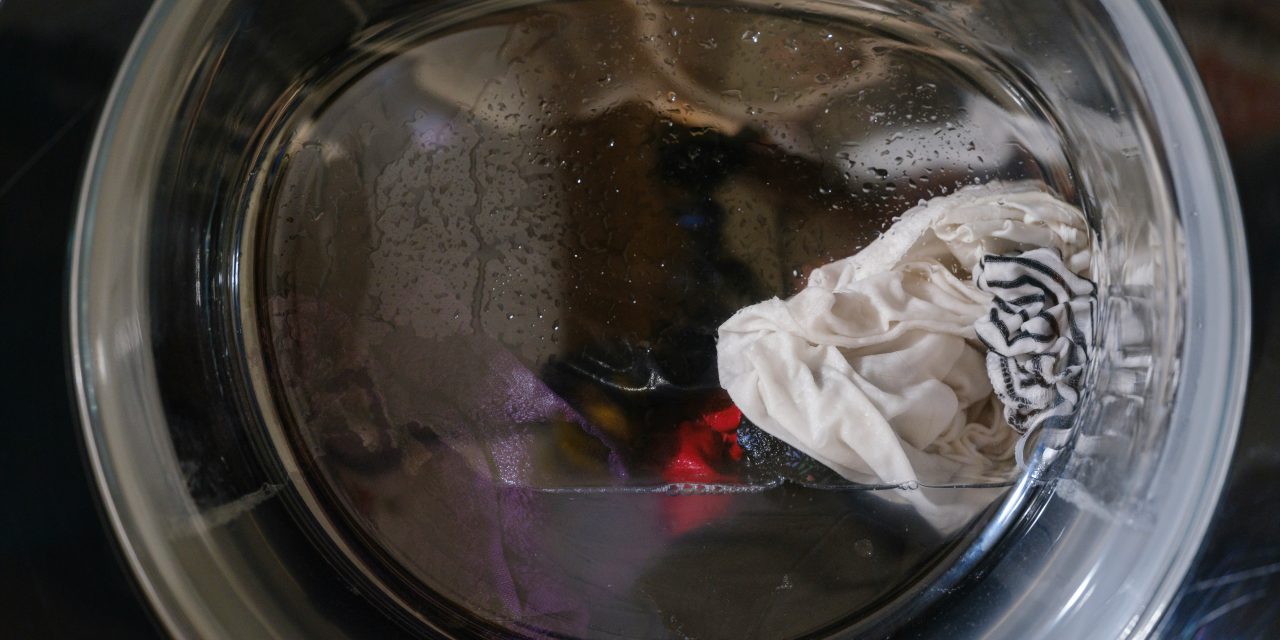
Front-load washers have gained immense popularity due to their energy efficiency and superior cleaning capabilities. However, one critical aspect that often goes unnoticed is the maintenance of the rubber gasket that seals the door. This component plays a pivotal role in preventing water leaks and ensuring optimal performance. Over time, the gasket can accumulate dirt, detergent residue, and moisture, creating an ideal environment for mold and mildew growth. Regular cleaning of this area is essential not only for maintaining the washer’s functionality but also for ensuring a hygienic laundry experience.
Neglecting the gasket can lead to unpleasant odors permeating your laundry, which can transfer to your clothes and linens. Furthermore, a dirty gasket can compromise the washer’s efficiency, leading to potential mechanical issues and costly repairs. By prioritizing the cleaning of your front-load washer gasket, you can enhance the longevity of your appliance while ensuring that your laundry remains fresh and clean.
Common Causes of Musty Odors in Front-Load Washers
Musty odors in front-load washers are primarily attributed to the accumulation of moisture and organic matter within the gasket. Several factors contribute to this issue. First and foremost, the design of front-load washers often retains water in the door seal after a wash cycle, creating a damp environment conducive to mold growth. Additionally, using excessive detergent can lead to residue buildup, which can trap moisture and foster bacterial growth.
Another common cause is infrequent use of the washer. When a machine sits idle for extended periods, stagnant water can develop within the gasket, leading to unpleasant smells. Furthermore, poor ventilation in the laundry area can exacerbate moisture retention, making it even more challenging to maintain a fresh-smelling washer. Understanding these causes is crucial for implementing effective cleaning and maintenance strategies.
Tools and Supplies Needed for Cleaning the Gasket

To effectively clean your front-load washer gasket, you will need a few essential tools and supplies. First, gather a soft cloth or sponge that will not scratch the rubber surface. Microfiber cloths are particularly effective due to their absorbent properties. Additionally, a toothbrush or small scrub brush can help reach crevices where dirt and mold may accumulate.
For cleaning solutions, you will require white vinegar, baking soda, and possibly a commercial mold remover if necessary. White vinegar is an excellent natural disinfectant that can break down grime and eliminate odors. Baking soda serves as a gentle abrasive that can assist in scrubbing away stubborn stains without damaging the gasket. Having these tools on hand will streamline the cleaning process and ensure thorough results.
Step-by-Step Guide to Cleaning the Washer Gasket

Cleaning your front-load washer gasket involves a systematic approach to ensure all areas are addressed effectively. Begin by unplugging the washer for safety and opening the door to access the gasket fully. Inspect the gasket for any visible signs of mold or mildew, as well as debris such as lint or hair.
Next, dampen your cloth or sponge with a mixture of equal parts water and white vinegar. Wipe down the entire surface of the gasket, paying close attention to folds and crevices where dirt tends to accumulate. For stubborn stains or mold spots, sprinkle baking soda directly onto the affected area and scrub gently with your toothbrush. Rinse with clean water and dry thoroughly with a clean cloth.
Once you have completed this initial cleaning, it is advisable to run an empty wash cycle with hot water and vinegar to further sanitize the interior of the machine. This step will help eliminate any lingering odors and ensure that your washer remains fresh.
How to Remove Mold and Mildew Safely
Removing mold and mildew from your front-load washer gasket requires careful attention to safety and effectiveness. When dealing with mold, it is essential to wear protective gloves and a mask to avoid inhaling spores or coming into contact with irritants. Begin by identifying areas with visible mold growth and treating them promptly.
For small patches of mold, a mixture of equal parts water and white vinegar can be effective. Spray or apply this solution directly onto the affected area and allow it to sit for at least 10 minutes before scrubbing with a soft brush. For more extensive mold infestations, consider using a commercial mold remover specifically designed for household use. Always follow the manufacturer’s instructions when using chemical products.
After treating the mold, ensure that you thoroughly rinse the area with clean water to remove any residual cleaning agents. Finally, dry the gasket completely to prevent future mold growth.
Using Vinegar and Baking Soda for Deep Cleaning
Vinegar and baking soda are two powerful natural cleaning agents that can work wonders in maintaining your front-load washer gasket. Vinegar’s acidic properties help dissolve mineral deposits and eliminate odors, while baking soda acts as a gentle abrasive that can scrub away grime without damaging surfaces.
To perform a deep cleaning using these ingredients, start by pouring two cups of white vinegar into the detergent dispenser of your washer. Run a hot water cycle without any laundry inside to allow the vinegar to circulate throughout the machine. This process will help break down any buildup within the drum and hoses.
After completing this cycle, sprinkle half a cup of baking soda directly into the drum and run another hot water cycle. The combination of vinegar and baking soda will create a fizzing reaction that aids in loosening stubborn residues. This dual-action cleaning method not only refreshes your washer but also helps maintain a clean gasket.
Tips for Drying the Gasket to Prevent Mold Growth
Proper drying techniques are crucial in preventing mold growth on your front-load washer gasket. After each wash cycle, take a moment to wipe down the gasket with a dry cloth to remove any residual moisture that may linger in folds or crevices. This simple step can significantly reduce the likelihood of mold development.
Additionally, consider leaving the washer door ajar between uses to promote airflow within the drum and gasket area. This practice allows moisture to evaporate more effectively, minimizing dampness that could lead to odors or mold growth. If possible, ensure that your laundry area is well-ventilated by opening windows or using exhaust fans during washing sessions.
For those living in humid climates, investing in a dehumidifier for your laundry space can further assist in controlling moisture levels and maintaining a fresh environment for your washer.
How Often Should You Clean the Washer Gasket?
The frequency of cleaning your front-load washer gasket depends on several factors, including usage patterns and environmental conditions. As a general guideline, it is advisable to clean the gasket at least once a month to prevent buildup of dirt and mildew. However, if you frequently wash heavily soiled items or live in a humid climate, more frequent cleaning may be necessary.
In addition to monthly cleanings, it is essential to perform regular inspections of the gasket for any signs of wear or damage. If you notice cracks or tears in the rubber seal, it may be time to replace it to maintain optimal performance and prevent leaks.
Additional Maintenance Practices to Keep Your Washer Fresh
In addition to regular gasket cleaning, several maintenance practices can help keep your front-load washer smelling fresh and functioning optimally. One effective strategy is to use high-efficiency (HE) detergent specifically formulated for front-load machines. These detergents produce fewer suds and are less likely to leave residue that can contribute to odors.
Another practice is to run an empty hot water cycle with vinegar every few months as part of your maintenance routine. This helps eliminate any buildup within the drum and hoses while also refreshing the interior surfaces.
Lastly, consider periodically checking and cleaning other components of your washer, such as the detergent dispenser and drain filter. These areas can also harbor residues that contribute to unpleasant odors if left unaddressed.
Preventing Musty Odors with Proper Washer Usage
Preventing musty odors in your front-load washer begins with proper usage habits during laundry cycles. Avoid overloading your machine, as this can restrict airflow and trap moisture within the drum and gasket area. Instead, wash smaller loads more frequently to ensure thorough cleaning and drying.
Additionally, refrain from using excessive amounts of detergent; follow manufacturer recommendations for dosage based on load size and soil level. Using too much detergent can lead to residue buildup that contributes to odors over time.
Finally, always ensure that wet laundry is promptly removed from the washer after each cycle. Leaving damp clothes inside for extended periods creates an environment conducive to mold growth and unpleasant smells.
When to Call a Professional for Washer Maintenance
While regular maintenance can significantly reduce issues related to odors and mold growth in front-load washers, there may be instances when professional assistance is warranted. If you notice persistent odors despite thorough cleaning efforts or if you observe leaks around the gasket area, it may indicate underlying mechanical problems that require expert attention.
Additionally, if you encounter issues such as unusual noises during operation or failure of certain functions (e.g., spinning or draining), it is advisable to consult a qualified technician for diagnosis and repair. Regular professional maintenance checks can also help identify potential problems before they escalate into costly repairs.
In summary, maintaining your front-load washer’s gasket is essential for preventing musty odors and ensuring optimal performance. By understanding common causes of odor issues, utilizing effective cleaning methods such as vinegar and baking soda, implementing proper drying techniques, and adhering to regular maintenance practices, you can keep your washer fresh and functional for years to come.