Red wine stains present a formidable challenge due to their complex chemical composition. The pigments in red wine, known as anthocyanins, are responsible for its deep color and are notoriously difficult to eliminate from fabrics. These pigments can bond with fibers in textiles, making them resistant to conventional cleaning methods. Additionally, the acidity of red wine can alter the pH balance of fabrics, further complicating the stain removal process. The longer a stain remains untreated, the more entrenched it becomes, leading to a higher likelihood of permanent discoloration.
Moreover, the presence of tannins in red wine contributes to its staining potential. Tannins are polyphenolic compounds that can create a strong bond with proteins found in many fabrics. This interaction not only makes red wine stains challenging to remove but also means that certain cleaning agents may be ineffective against them. Understanding these factors is crucial for developing effective strategies for stain removal and prevention.
Immediate Steps: Acting Quickly to Prevent Stain Setting
When faced with a red wine spill, immediate action is paramount. The first step is to remain calm and avoid panicking, as this can lead to hasty decisions that may worsen the situation. Quickly assess the extent of the spill and gather necessary materials for treatment. The primary goal is to prevent the stain from setting into the fabric, which can occur within minutes.
Begin by gently blotting the area with a clean, dry cloth or paper towel. Avoid rubbing, as this can push the wine deeper into the fibers and exacerbate the stain. Blotting should be done from the outside of the stain toward the center to prevent spreading. If available, cold water can be poured over the stained area to dilute the wine and minimize its impact on the fabric. This initial response is critical in mitigating damage and increasing the chances of successful stain removal.
Blotting Techniques: How to Properly Absorb Excess Wine

Effective blotting techniques are essential for managing red wine spills. The key is to use an absorbent material that will draw out as much liquid as possible without damaging the fabric. Start by using a clean white cloth or paper towel, as colored materials may transfer dyes onto the fabric, complicating the stain removal process.
To properly absorb excess wine, gently press the cloth onto the stain without rubbing. This technique allows the absorbent material to soak up the liquid while minimizing friction that could embed the stain further into the fibers. It is advisable to change cloths frequently to ensure that you are not reintroducing wine back onto the fabric. Continue blotting until no more liquid is being absorbed, and then proceed with further treatment options.
Home Remedies: Common Household Solutions for Red Wine Stains

Several effective home remedies can be employed to tackle red wine stains using common household items. One popular solution involves using club soda, which contains carbonation that can help lift stains from fabrics. Pouring club soda directly onto the stain and blotting it with a clean cloth can yield positive results.
Another effective remedy is white vinegar mixed with dish soap. The acetic acid in vinegar helps neutralize the pigments in red wine, while dish soap aids in breaking down any remaining residue. A mixture of one part vinegar and two parts dish soap can be applied to the stain and left for several minutes before blotting with a clean cloth. These home remedies are not only cost-effective but also readily available in most households.
Using White Wine and Salt: Traditional Stain Removal Methods
A traditional method for removing red wine stains involves using white wine and salt. White wine acts as a neutralizer for red wine stains due to its lower acidity and different pigment composition. To utilize this method, pour a small amount of white wine over the stained area and allow it to sit for a few minutes.
Afterward, sprinkle salt generously over the stain. Salt acts as an absorbent agent that can help draw out the pigments from the fabric. Allow the salt to sit on the stain for approximately 10-15 minutes before gently brushing it off and rinsing with cold water. This combination of white wine and salt has been used for generations and remains a reliable option for tackling stubborn stains.
Applying Baking Soda and Hydrogen Peroxide Safely
Baking soda and hydrogen peroxide form a powerful duo when it comes to removing red wine stains from fabrics. Baking soda acts as a gentle abrasive that can lift stains without damaging fibers, while hydrogen peroxide serves as a mild bleaching agent that can help break down pigments.
To create an effective paste, mix three parts baking soda with one part hydrogen peroxide until a thick consistency is achieved. Apply this paste directly onto the stained area and allow it to sit for about 30 minutes. Afterward, gently scrub with a soft brush or cloth before rinsing thoroughly with cold water. It is essential to test this mixture on an inconspicuous area first, especially on delicate fabrics, as hydrogen peroxide may cause discoloration if left on too long.
Specialized Stain Removers: When and How to Use Them
In cases where home remedies fail to yield satisfactory results, specialized stain removers may be necessary. These products are formulated specifically for tackling tough stains like red wine and often contain enzymes or surfactants designed to break down organic compounds effectively.
When selecting a stain remover, look for products labeled as safe for your specific fabric type. Follow the manufacturer’s instructions carefully, applying the product directly onto the stain and allowing it to sit for the recommended duration before rinsing or laundering as directed. It is advisable to perform a patch test on an inconspicuous area before full application to ensure compatibility with your fabric.
Treating Delicate Fabrics: Silk, Wool, and More
Delicate fabrics such as silk and wool require special attention when addressing red wine stains due to their susceptibility to damage from harsh chemicals or aggressive cleaning methods. For silk, it is crucial to act quickly by blotting gently with a clean cloth and using cold water to dilute the stain.
For wool fabrics, consider using a mild detergent specifically formulated for delicate fibers. Apply a small amount of detergent mixed with cold water directly onto the stain and gently dab with a soft cloth until the stain begins to lift. Avoid excessive rubbing or scrubbing, as this can lead to pilling or damage to the fibers.
Washing Instructions: Best Practices for Machine and Hand Washing
Once you have treated a red wine stain, proper washing techniques are essential for ensuring complete removal. For machine washing, always check care labels for specific instructions regarding water temperature and cycle settings. Generally, cold water is recommended for stained fabrics, as hot water can set stains permanently.
If hand washing is preferred, fill a basin with cold water and add a gentle detergent suitable for your fabric type. Submerge the stained area and gently agitate the water without excessive rubbing. Rinse thoroughly under cold running water until all detergent is removed before air drying away from direct sunlight or heat sources.
Drying Tips: Avoiding Heat to Prevent Stain Setting
Drying techniques play a critical role in preventing red wine stains from setting permanently into fabrics. Heat from dryers or direct sunlight can cause any remaining pigments to bond irreversibly with fibers, making future removal nearly impossible.
To avoid this issue, air drying is recommended after washing stained items. Lay garments flat on a clean towel or hang them up in a shaded area where they can dry naturally without exposure to heat sources. If any traces of the stain remain after washing, do not place items in the dryer until you are confident that they have been completely removed.
Professional Cleaning: When to Seek Expert Help for Tough Stains
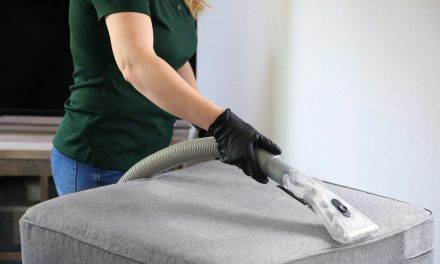
In instances where home remedies and specialized products fail to eliminate stubborn red wine stains, seeking professional cleaning services may be necessary. Professional cleaners possess advanced techniques and equipment designed specifically for tackling difficult stains on various fabric types.
Before proceeding with professional cleaning, communicate clearly about the nature of the stain and any treatments already attempted. This information will help cleaners determine the best approach for your specific situation. While professional cleaning may incur additional costs, it often provides peace of mind knowing that experienced technicians are handling your valuable garments.
In summary, red wine stains pose significant challenges due to their chemical composition and bonding properties with fabrics. Immediate action through proper blotting techniques can prevent further damage while various home remedies offer effective solutions for removal. For delicate fabrics or persistent stains, specialized products or professional cleaning services may be necessary to achieve optimal results. By following best practices in washing and drying techniques, individuals can safeguard their garments against permanent discoloration caused by red wine spills.