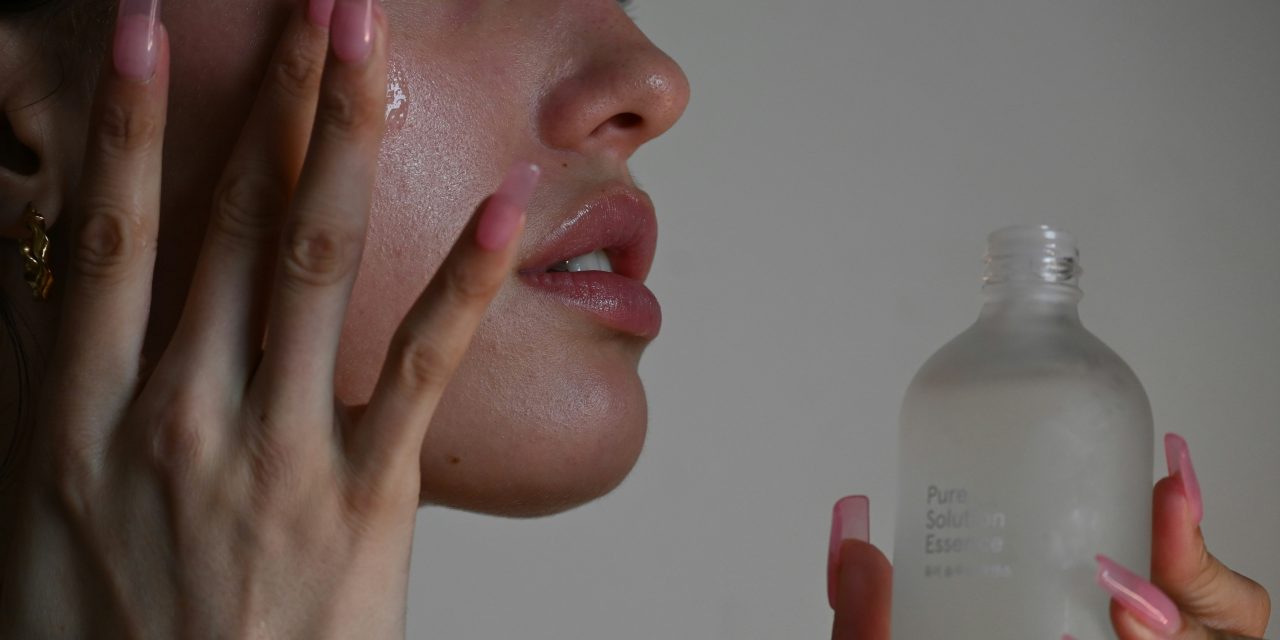
The quest for youthful skin has been a timeless pursuit, with anti-aging skincare emerging as a pivotal aspect of dermatological health. Anti-aging skincare encompasses a variety of products and practices aimed at mitigating the visible signs of aging, such as fine lines, wrinkles, and loss of elasticity. The skin undergoes numerous changes as it ages, including a decrease in collagen production, reduced moisture retention, and slower cell turnover. These physiological alterations necessitate a comprehensive understanding of the underlying mechanisms to effectively combat aging.
At the core of anti-aging skincare is the principle of prevention and repair. Preventative measures focus on protecting the skin from environmental aggressors, such as ultraviolet (UV) radiation and pollution, while reparative strategies aim to restore skin health through targeted treatments. Ingredients such as retinoids, antioxidants, and peptides play crucial roles in stimulating collagen synthesis and enhancing skin texture. By integrating these components into a daily regimen, individuals can significantly improve their skin’s appearance and overall health.
If you’re looking to rejuvenate your skin and start an effective anti-aging skincare routine, it’s essential to understand the factors that contribute to skin aging. For a comprehensive guide on how to begin this journey, you might find this article helpful: How to Start an Anti-Aging Skincare Routine. It offers valuable insights into the best practices and products that can help maintain youthful skin while addressing common concerns.
Assessing Your Skin Type and Concerns
Before embarking on an anti-aging skincare journey, it is essential to accurately assess your skin type and specific concerns. Skin types generally fall into four categories: oily, dry, combination, and sensitive. Each type exhibits distinct characteristics that influence product selection and application techniques. For instance, oily skin may benefit from lightweight, oil-free formulations, while dry skin requires richer, more emollient products to maintain hydration.
In addition to skin type, individual concerns such as hyperpigmentation, uneven texture, or loss of firmness should be evaluated. Conducting a thorough self-assessment can help identify specific issues that need addressing. For example, individuals experiencing significant sun damage may prioritize products containing vitamin C or niacinamide to brighten the complexion and reduce discoloration. Conversely, those focused on improving elasticity might seek out formulations rich in hyaluronic acid or growth factors.
Choosing the Right Cleanser for Gentle Care

Cleansing is a fundamental step in any skincare routine, particularly for those aiming to combat the signs of aging. A suitable cleanser should effectively remove impurities without stripping the skin of its natural oils. Gentle formulations that maintain the skin’s pH balance are ideal for preventing irritation and promoting a healthy barrier function.
Foaming cleansers may be appropriate for oily skin types, as they help eliminate excess sebum and prevent breakouts. Conversely, cream-based or oil-based cleansers are often recommended for dry or sensitive skin types due to their hydrating properties. Ingredients such as glycerin and ceramides can enhance moisture retention during cleansing. Ultimately, selecting a cleanser tailored to your skin type is crucial for establishing a solid foundation for subsequent anti-aging treatments.
Incorporating an Effective Exfoliation Routine

Exfoliation is an essential component of an anti-aging skincare regimen, as it promotes cell turnover and enhances the absorption of active ingredients. There are two primary types of exfoliation: physical and chemical. Physical exfoliants involve the use of granular substances or tools to manually slough off dead skin cells, while chemical exfoliants utilize acids or enzymes to dissolve cellular debris.
Chemical exfoliants, such as alpha hydroxy acids (AHAs) and beta hydroxy acids (BHAs), are particularly effective for aging skin. AHAs like glycolic acid can improve texture and brightness by promoting surface cell turnover, while BHAs like salicylic acid penetrate deeper into pores to address acne and oiliness. It is advisable to incorporate exfoliation into your routine gradually, starting with once a week and increasing frequency as tolerated. Over-exfoliation can lead to irritation and compromise the skin barrier.
If you’re looking to begin an effective anti-aging skincare routine, it’s essential to understand the various products and techniques that can help maintain youthful skin. A great resource to explore is an article that discusses the importance of incorporating antioxidants, moisturizers, and sun protection into your daily regimen. You can find more information on this topic in this insightful piece about how to start an anti-aging skincare routine. Additionally, for those interested in creating a more organized living space, check out this article on stylish drop zones for keys and mail that can help declutter your home while you focus on your skincare.
Selecting Targeted Anti-Aging Serums and Treatments
The market offers a plethora of targeted anti-aging serums and treatments designed to address specific concerns effectively. When selecting these products, it is vital to consider active ingredients known for their efficacy in combating aging signs. Retinoids, derivatives of vitamin A, are renowned for their ability to stimulate collagen production and accelerate cell turnover, making them a cornerstone of anti-aging regimens.
Peptides are another powerful ingredient that can enhance skin elasticity and firmness by signaling cells to produce more collagen. Antioxidants such as vitamin C and E protect against oxidative stress caused by environmental factors while promoting a brighter complexion. When incorporating serums into your routine, layering them correctly is essential; typically, lighter formulations should be applied before heavier creams or oils to maximize absorption.
If you’re looking to rejuvenate your skin and maintain a youthful appearance, starting an anti-aging skincare routine is essential. Incorporating products rich in antioxidants, hyaluronic acid, and retinoids can significantly improve your skin’s texture and elasticity. For more insights on effective skincare practices, you might find this article on how to start an anti-aging skincare routine particularly helpful. Remember, consistency is key, and pairing your routine with a healthy lifestyle can yield the best results.
The Importance of Daily Moisturization
Moisturization is critical in maintaining skin hydration and preventing the visible signs of aging. As we age, the skin’s ability to retain moisture diminishes due to decreased oil production and impaired barrier function. A well-formulated moisturizer can replenish lost hydration while providing essential nutrients that support overall skin health.
When selecting a moisturizer, consider ingredients such as hyaluronic acid, which attracts water molecules to the skin; ceramides that restore the skin barrier; and fatty acids that nourish and protect the epidermis. For daytime use, opt for lightweight formulations that absorb quickly without leaving a greasy residue. In contrast, richer creams may be more suitable for nighttime application when the skin undergoes repair processes.
Applying Sunscreen to Protect Against UV Damage
Sunscreen is arguably one of the most critical components of any anti-aging skincare regimen. Ultraviolet (UV) radiation is a leading cause of premature aging, contributing to wrinkles, fine lines, and hyperpigmentation. Daily application of broad-spectrum sunscreen with an SPF of at least 30 is essential for protecting against both UVA and UVB rays.
In addition to preventing sun damage, regular sunscreen use can also mitigate the risk of skin cancer. It is important to apply sunscreen generously to all exposed areas of the skin and reapply every two hours when outdoors or after swimming or sweating. Incorporating sunscreen into your daily routine can significantly enhance your anti-aging efforts by preserving skin integrity over time.
Adding Eye Cream for Delicate Skin Areas
The delicate skin around the eyes often shows signs of aging earlier than other facial areas due to its thinner structure and lack of oil glands. Incorporating an eye cream specifically formulated for this region can help address concerns such as puffiness, dark circles, and crow’s feet. Look for products containing peptides, caffeine, or hyaluronic acid to hydrate and firm the skin.
When applying eye cream, use your ring finger to gently tap the product around the orbital bone without pulling or tugging at the skin. This technique minimizes trauma to the sensitive area while ensuring even distribution of the product. Consistent use of eye cream can lead to noticeable improvements in texture and appearance over time.
Establishing a Consistent Nighttime Skincare Regimen
A consistent nighttime skincare regimen is vital for optimal skin repair and rejuvenation during sleep when cellular turnover peaks. This routine should include cleansing, exfoliating (if applicable), applying targeted treatments such as serums or retinoids, followed by moisturizing to lock in hydration.
Night creams often contain richer formulations designed to nourish the skin while you sleep. Ingredients like peptides and growth factors can enhance repair processes during this time. Establishing a calming nighttime ritual not only benefits your skin but also promotes relaxation and better sleep quality—factors that contribute significantly to overall skin health.
Lifestyle Habits That Complement Your Skincare Routine
In addition to topical treatments, lifestyle habits play a crucial role in maintaining youthful skin. A balanced diet rich in antioxidants—found in fruits and vegetables—can combat oxidative stress while promoting overall health. Hydration is equally important; drinking adequate water supports skin elasticity and moisture retention.
Regular physical activity enhances circulation and promotes lymphatic drainage, contributing to a healthier complexion. Additionally, managing stress through mindfulness practices or exercise can prevent stress-induced hormonal fluctuations that may exacerbate skin issues like acne or inflammation.
Monitoring Progress and Adjusting Your Routine as Needed
Monitoring your skincare progress is essential for determining the effectiveness of your regimen and making necessary adjustments over time. Keeping a skincare journal can help track changes in your skin’s appearance and identify which products yield positive results or cause irritation.
As your skin evolves due to factors such as age or environmental changes, it may require different products or formulations. Regularly reassessing your routine ensures that you are addressing current concerns effectively while optimizing your anti-aging efforts.
In summary, an effective anti-aging skincare regimen involves understanding your unique skin type and concerns while incorporating targeted treatments that promote cellular health and hydration. By establishing a consistent routine that includes cleansing, exfoliation, moisturization, sun protection, and lifestyle habits conducive to healthy skin, individuals can significantly mitigate visible signs of aging over time. Monitoring progress allows for necessary adjustments that ensure continued efficacy in achieving youthful-looking skin.
FAQs
What are the key components of an anti-aging skincare routine?
An effective anti-aging skincare routine typically includes a gentle cleanser, exfoliator, moisturizer, sunscreen, and targeted treatments such as serums containing retinoids, antioxidants, or peptides. These components work together to hydrate the skin, promote cell turnover, and protect against environmental damage.
At what age should I start an anti-aging skincare routine?
<pIt is generally recommended to start an anti-aging skincare routine in your late 20s to early 30s. This is when the skin begins to lose collagen and elasticity. However, individuals with specific concerns may benefit from starting earlier, focusing on prevention and hydration.
How often should I apply sunscreen in my anti-aging routine?
Sunscreen should be applied daily, regardless of the weather or season. It is recommended to use a broad-spectrum sunscreen with an SPF of at least 30 and to reapply every two hours, or more frequently if swimming or sweating, to effectively protect the skin from UV damage.
Can diet affect my anti-aging skincare routine?
Yes, diet plays a significant role in skin health and aging. Consuming a balanced diet rich in antioxidants, vitamins, and healthy fats can help improve skin elasticity and hydration. Foods such as fruits, vegetables, nuts, and fish can support your anti-aging efforts from the inside out.
Are there any specific ingredients I should look for in anti-aging products?
When selecting anti-aging products, look for ingredients such as retinoids, hyaluronic acid, vitamin C, peptides, and niacinamide. These ingredients have been shown to improve skin texture, reduce fine lines, and promote a more youthful appearance.