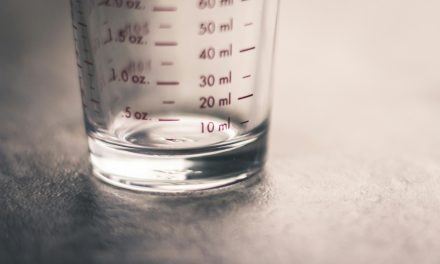
Baking is often regarded as a precise science, where the balance of ingredients can significantly influence the final product. Accurate measurements are paramount in achieving consistent results, as even minor discrepancies can lead to undesirable outcomes such as dense cakes, flat cookies, or overly dry bread. The chemical reactions that occur during baking rely heavily on the correct proportions of ingredients, making precision essential for both amateur and professional bakers alike.
Inaccurate measurements can stem from various factors, including the method of measuring, the type of ingredient, and even environmental conditions. For instance, a cup of flour can weigh differently depending on how it is scooped or packed. Understanding the importance of accurate measurements not only enhances the quality of baked goods but also fosters confidence in the baker’s skills. By mastering measurement techniques, bakers can replicate their successes and explore new recipes with assurance.
When it comes to baking, understanding how to convert cups to grams is essential for achieving accurate measurements and perfect results. For a comprehensive guide on this topic, you can refer to a related article that provides helpful tips and conversions. Additionally, if you’re interested in exploring other gardening topics, you might find this article on growing beautiful sunflowers from seeds quite intriguing. Check it out here: 10 Easy Steps to Grow Beautiful Sunflowers from Seeds at Home.
Why Converting Cups to Grams Matters
The conversion from cups to grams is crucial for several reasons. Firstly, grams provide a more precise measurement than cups, which can vary based on how ingredients are packed or leveled. This precision is particularly important in baking, where the ratio of dry to wet ingredients must be meticulously balanced to achieve the desired texture and flavor profile. For example, a recipe calling for “1 cup of flour” may yield different results depending on whether the flour is sifted or packed tightly.
Secondly, using grams allows for greater consistency across different recipes and baking environments. Many professional bakers and pastry chefs prefer to use weight measurements because they eliminate ambiguity and ensure uniformity in their creations. This practice is especially beneficial when scaling recipes up or down, as converting to grams allows for easier adjustments without compromising the integrity of the dish.
Common Ingredients and Their Cup-to-Gram Equivalents

Understanding the cup-to-gram equivalents for common baking ingredients is essential for accurate conversions. Here are some standard measurements:
– **All-Purpose Flour**: 1 cup = 120 grams
– **Granulated Sugar**: 1 cup = 200 grams
– **Brown Sugar (packed)**: 1 cup = 220 grams
– **Powdered Sugar**: 1 cup = 120 grams
– **Butter**: 1 cup = 227 grams
– **Milk**: 1 cup = 240 grams
– **Honey**: 1 cup = 340 grams
These conversions serve as a foundational reference for bakers aiming to achieve precision in their recipes. It is important to note that variations may exist based on specific brands or types of ingredients, so consulting reliable sources or conversion charts is advisable.
Using a Kitchen Scale for Precise Measurement

A kitchen scale is an invaluable tool for any baker seeking accuracy in their measurements. Digital scales offer precise readings in both grams and ounces, allowing for effortless conversions between different units of measurement. When using a kitchen scale, it is essential to tare the scale before measuring each ingredient to ensure that only the weight of the ingredient itself is recorded.
To use a kitchen scale effectively, place a clean bowl or container on the scale and press the tare button to reset the display to zero. Gradually add your ingredient until you reach the desired weight. This method eliminates the guesswork associated with measuring cups and provides a level of accuracy that is particularly beneficial when working with dry ingredients like flour or sugar.
When it comes to baking, precision is key, and understanding how to convert cups to grams can make a significant difference in your results. For those looking to improve their baking skills, you might find it helpful to explore a related article that discusses various measurement conversions in detail. This resource can provide you with valuable insights and tips to ensure your recipes turn out perfectly every time. You can read more about it here.
How to Convert Flour from Cups to Grams
Converting flour from cups to grams requires an understanding of its density and how it can be affected by various factors such as humidity and packing methods. As previously mentioned, 1 cup of all-purpose flour typically weighs around 120 grams. However, this measurement can vary if the flour is sifted or compacted.
To convert flour accurately, it is advisable to use a scale rather than relying solely on volume measurements. If you must convert using cups, ensure that you are using the spoon-and-level method: spoon flour into a measuring cup without packing it down and then level it off with a straight edge. This technique helps maintain consistency in your measurements and minimizes discrepancies in your baking results.
Converting Sugar Measurements: Granulated, Brown, and Powdered
Sugar is another ingredient that requires careful measurement due to its varying densities based on type and packing method. Granulated sugar typically weighs about 200 grams per cup, while brown sugar, when packed firmly into a measuring cup, weighs approximately 220 grams per cup. Powdered sugar, on the other hand, weighs around 120 grams per cup.
When converting sugar measurements, it is crucial to consider whether you are using granulated, brown, or powdered sugar, as each type has distinct properties that affect baking outcomes. For instance, brown sugar adds moisture and flavor due to its molasses content, while powdered sugar is often used for frostings and glazes due to its fine texture.
Measuring Butter: Cups to Grams Made Simple
Butter is commonly measured in both cups and grams, with 1 cup equating to approximately 227 grams. However, butter can also be found in sticks or blocks that are pre-measured for convenience. Most butter sticks are marked with tablespoon increments, making it easy to cut off the desired amount without needing to convert measurements.
For those who prefer precise measurements, using a kitchen scale is recommended when measuring butter for baking recipes. Simply place the butter on the scale and adjust until you reach the desired weight in grams. This method ensures accuracy and consistency across various recipes.
Tips for Converting Liquids from Cups to Grams
When converting liquid ingredients from cups to grams, it is essential to recognize that different liquids have varying densities. For example, water weighs approximately 240 grams per cup, while milk also weighs around 240 grams per cup due to its similar density. However, oils may weigh slightly less at about 220 grams per cup.
To convert liquids accurately, using a liquid measuring cup with clear markings can help ensure precision. Additionally, utilizing a kitchen scale can provide exact measurements in grams for liquids that may not have straightforward conversions.
Utilizing Conversion Charts for Quick Reference
Conversion charts serve as an excellent resource for bakers looking for quick reference points when converting cups to grams. These charts typically list common ingredients alongside their respective weight equivalents in both cups and grams. Having a printed chart readily available in your kitchen can save time and reduce errors during the baking process.
Many online resources also provide interactive conversion tools that allow users to input specific quantities and receive instant conversions. These digital tools can be particularly helpful when experimenting with new recipes or scaling existing ones.
Digital Tools and Apps to Simplify Cup-to-Gram Conversions
In today’s digital age, numerous apps and online tools are available to simplify the process of converting cups to grams. Many cooking apps feature built-in conversion calculators that allow users to input their measurements and receive instant conversions tailored to specific ingredients.
Some popular apps include “Kitchen Calculator,” “Recipe Converter,” and “Baking Buddy.” These applications not only assist with conversions but often provide additional features such as recipe scaling and ingredient substitutions, making them invaluable resources for both novice and experienced bakers.
Troubleshooting Common Conversion Mistakes for Perfect Results
Even seasoned bakers can encounter common pitfalls when converting measurements from cups to grams. One frequent mistake involves misinterpreting ingredient density; for example, assuming that all types of flour weigh the same can lead to significant discrepancies in baking results. To avoid this issue, always refer to reliable conversion charts or weigh ingredients using a kitchen scale.
Another common error occurs when bakers fail to account for variations in ingredient packing methods. For instance, packing brown sugar too tightly can result in excess weight compared to lightly packed sugar. To mitigate this risk, always follow recommended measuring techniques specific to each ingredient.
In summary, accurate measurements are vital in baking as they directly impact the quality of baked goods. Converting cups to grams enhances precision and consistency across recipes while utilizing tools like kitchen scales simplifies this process significantly. Understanding common ingredient equivalents and employing digital resources can further streamline conversions and improve baking outcomes.
By mastering these techniques and being mindful of potential pitfalls, bakers can elevate their skills and achieve perfect results every time they step into the kitchen.
FAQs
What is the general conversion rate from cups to grams for common baking ingredients?
The conversion rate from cups to grams varies depending on the ingredient. For example, 1 cup of all-purpose flour is approximately 120 grams, while 1 cup of granulated sugar is about 200 grams. It’s important to use specific conversion rates for each ingredient to ensure accuracy in baking.
How can I accurately measure cups when converting to grams?
To accurately measure cups when converting to grams, use a kitchen scale. First, place a bowl on the scale and tare it to zero. Then, add the ingredient until you reach the desired weight in grams. This method eliminates the variability that can occur with measuring cups.
Are there any online tools or calculators available for converting cups to grams?
Yes, there are many online tools and calculators available that can help you convert cups to grams for various ingredients. Websites dedicated to cooking and baking often provide conversion charts and calculators that can simplify the process.
Why is it important to convert cups to grams in baking?
Converting cups to grams is important in baking because it provides a more precise measurement. Baking is a science, and even small variations in ingredient amounts can affect the final product. Using grams ensures consistency and accuracy in recipes.
Can I use a standard conversion chart for all baking ingredients?
No, you cannot use a standard conversion chart for all baking ingredients because different ingredients have different densities. For example, 1 cup of flour weighs significantly less than 1 cup of honey. Always refer to specific conversion charts for each ingredient to ensure accurate measurements.