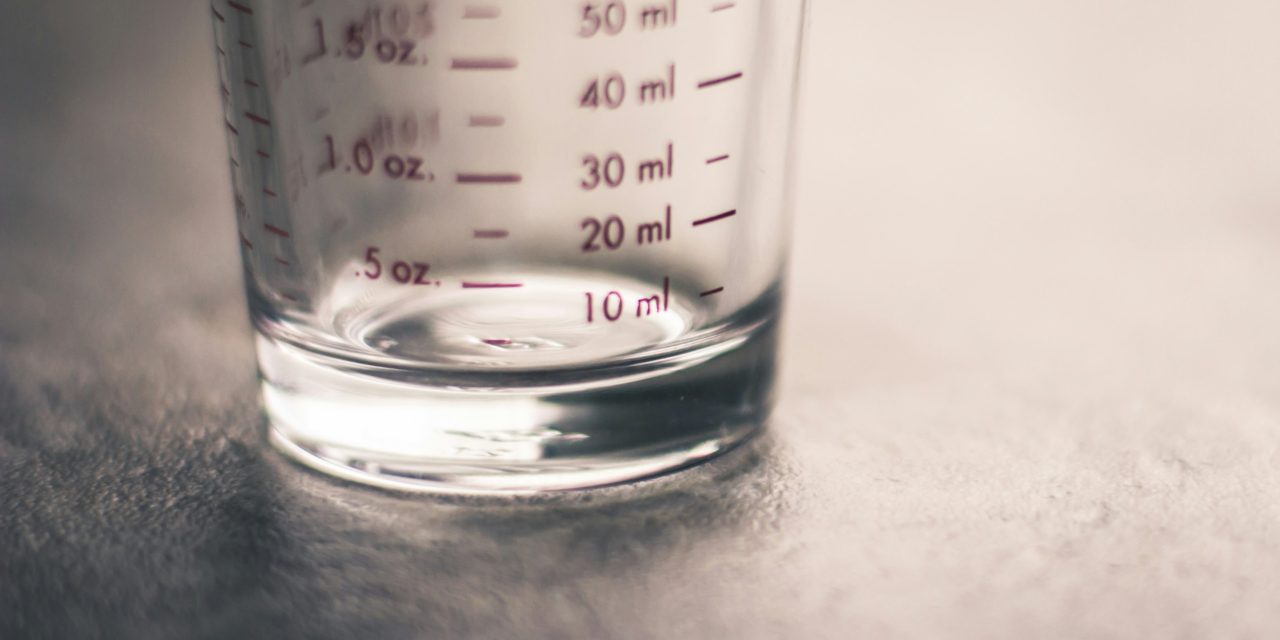
In the realm of measurements, fluid ounces and ounces represent two distinct units that often lead to confusion among individuals, particularly in culinary and scientific contexts. Fluid ounces (fl oz) are primarily utilized to quantify liquid volumes, while ounces (oz) are employed to measure weight. Understanding the nuances between these two units is essential for accurate measurement, especially in cooking, nutrition, and various scientific applications. This article aims to elucidate the differences, applications, and conversion methods between fluid ounces and ounces, providing clarity for both novice cooks and seasoned professionals.
The significance of mastering these measurements cannot be overstated. Inaccurate measurements can lead to disastrous culinary outcomes, nutritional miscalculations, and even scientific errors. Therefore, a comprehensive understanding of fluid ounces and ounces is not merely academic; it is a practical necessity for anyone engaged in cooking, baking, or scientific experimentation. By delving into the definitions, applications, and conversion techniques of these units, readers will gain valuable insights that enhance their measurement accuracy and overall understanding.
When exploring the differences between fluid ounces and ounces, it’s essential to understand the context in which these measurements are used, particularly in cooking and beverage preparation. For a deeper dive into practical applications of measurements, you might find this article on how to keep wasps away from your porch and patio quite interesting, as it discusses various household tips that often require precise measurements for effective solutions. You can read the article here: How to Keep Wasps Away from Your Porch and Patio.
Defining Fluid Ounces: What They Measure
Fluid ounces are a unit of volume measurement specifically designed for liquids. In the United States, one fluid ounce is equivalent to approximately 29.57 milliliters. This measurement is crucial in various contexts, including cooking, beverage serving sizes, and pharmaceutical dosages. The fluid ounce serves as a standard unit that allows for consistency in liquid measurements across recipes and product labels.
In contrast to dry measurements, fluid ounces account for the unique properties of liquids, such as their ability to flow and take the shape of their containers. This characteristic makes fluid ounces particularly useful in culinary applications where precise liquid measurements are essential for achieving desired flavors and textures. For instance, when a recipe calls for 8 fluid ounces of broth, it is imperative to measure the liquid accurately to ensure the dish’s integrity.
Ounces, on the other hand, are a unit of weight measurement commonly used in the United States customary system. One ounce is equivalent to approximately 28.35 grams. Unlike fluid ounces, which measure volume, ounces quantify the mass of solid substances. This distinction is critical because the weight of an ingredient can vary significantly based on its density.
For example, one ounce of flour does not occupy the same volume as one ounce of sugar due to their differing densities. Consequently, using ounces for weight measurements is essential when dealing with dry ingredients in cooking or baking. Accurate weight measurements ensure that recipes yield consistent results, as variations in ingredient density can lead to discrepancies in texture and flavor.
The Role of Density in Fluid Ounces and Ounces

Density plays a pivotal role in understanding the relationship between fluid ounces and ounces. Density is defined as mass per unit volume and varies among different substances. For instance, water has a density of approximately 1 gram per milliliter (g/mL), meaning that 1 fluid ounce of water weighs about 1 ounce. However, this relationship does not hold true for all liquids or solids.
When measuring ingredients with varying densities, it becomes crucial to differentiate between fluid ounces and ounces accurately. For example, a fluid ounce of honey weighs significantly more than a fluid ounce of water due to honey’s higher density. Therefore, when converting between these two units or using them interchangeably, one must consider the specific density of the substance being measured to avoid inaccuracies.
How Fluid Ounces Are Used in Cooking and Recipes

Fluid ounces are integral to culinary practices, particularly in recipe formulation and beverage preparation. Many recipes specify liquid ingredients in fluid ounces to ensure precise measurements that contribute to the overall success of the dish. For instance, a recipe may call for 12 fluid ounces of milk or 6 fluid ounces of olive oil, emphasizing the importance of accurate liquid measurement.
In addition to traditional cooking methods, fluid ounces are also prevalent in mixology and beverage service. Bartenders often use fluid ounces to measure spirits and mixers when crafting cocktails. A standard shot glass typically holds 1.5 fluid ounces of liquor, making it a common reference point for drink recipes. Understanding fluid ounces allows both home cooks and professional chefs to create balanced flavors and achieve desired textures in their culinary endeavors.
When exploring the differences between fluid ounces and ounces, it’s essential to understand how these measurements apply in various contexts, especially in cooking and beverage serving. For a deeper dive into related topics, you might find it interesting to read about the benefits of proper care for your pets, which can also involve precise measurements in their diets. Check out this article on the benefits of happy heeling dog daycare for insights that can enhance your furry friend’s well-being.
When to Use Ounces for Weight Measurements
Ounces are predominantly used for measuring solid ingredients in cooking and baking. When dealing with dry goods such as flour, sugar, or grains, it is essential to utilize ounces as a weight measurement to ensure accuracy. For example, a recipe may require 8 ounces of flour; this specification indicates that the cook should weigh out the flour rather than measuring it by volume.
Using ounces for weight measurements is particularly important in baking, where precision is paramount. Variations in ingredient density can lead to significant differences in the final product’s texture and flavor. For instance, using too much flour can result in dense baked goods, while insufficient flour can lead to overly airy textures. Therefore, employing ounces for weight measurements ensures consistency and reliability in culinary outcomes.
When it comes to understanding measurements in cooking and baking, many people often confuse fluid ounces with ounces. Fluid ounces measure volume, while ounces measure weight, which can lead to inaccuracies in recipes if not understood correctly. For a deeper dive into related topics, you might find this article on dog boarding and training tips interesting, as it also touches on the importance of precise measurements in ensuring the well-being of your pet during their stay.
Common Confusions Between Fluid Ounces and Ounces
The confusion between fluid ounces and ounces often arises from their similar nomenclature and the contexts in which they are used. Many individuals mistakenly interchange these units without considering their distinct meanings—fluid ounces representing volume and ounces representing weight. This misunderstanding can lead to inaccurate measurements that compromise recipe integrity.
For example, if a recipe calls for 8 ounces of liquid but is interpreted as 8 ounces by weight instead of volume, the resulting dish may be overly concentrated or diluted. Such errors can have cascading effects on flavor profiles and overall dish quality. To mitigate these confusions, it is crucial for cooks and bakers to familiarize themselves with the specific requirements of each recipe and adhere strictly to the specified units of measurement.
Converting Fluid Ounces to Ounces: Is It Possible?
Converting fluid ounces to ounces is not straightforward due to the inherent differences between volume and weight measurements. While it is possible to convert between these units under specific conditions—primarily when dealing with substances that have known densities—general conversions are not universally applicable.
For example, as previously mentioned, 1 fluid ounce of water weighs approximately 1 ounce due to its density being close to 1 g/mL. However, this relationship does not hold true for other liquids or solids with different densities. To convert fluid ounces to ounces accurately, one must know the density of the substance being measured and apply the appropriate conversion formula:
Weight (oz) = Volume (fl oz) × Density (g/mL) × Conversion Factor (for grams to ounces).
This formula highlights the importance of understanding density when attempting conversions between these two units.
Various products are commonly measured in either fluid ounces or ounces based on their physical properties. For instance:
– **Fluid Ounces**: Common beverages such as juices (e.g., orange juice), dairy products (e.g., milk), sauces (e.g., soy sauce), and broths are typically measured in fluid ounces due to their liquid nature.
– **Ounces**: Solid ingredients such as grains (e.g., rice), baking ingredients (e.g., flour), meats (e.g., chicken breast), and spices (e.g., salt) are measured in ounces since they represent weight rather than volume.
Understanding these distinctions helps consumers navigate product labels effectively while ensuring accurate measurements during cooking or baking processes.
Practical Tips for Accurate Measurement in Everyday Life
To achieve accurate measurements in everyday life, consider implementing the following practical tips:
1. **Use Appropriate Measuring Tools**: Invest in both liquid measuring cups (for fluid ounces) and kitchen scales (for ounces). This ensures you have the right tools for each type of measurement.
2. **Calibrate Your Equipment**: Regularly check your measuring cups and scales for accuracy by comparing them against known standards or weights.
3. **Read Labels Carefully**: When following recipes or purchasing products, pay close attention to whether measurements are specified in fluid ounces or ounces to avoid confusion.
4. **Know Your Ingredients**: Familiarize yourself with the densities of common ingredients you use frequently; this knowledge will aid you when converting between fluid ounces and ounces.
5. **Practice Consistency**: Always use the same method for measuring ingredients—whether by weight or volume—to maintain consistency across your cooking or baking endeavors.
Why Knowing the Difference Matters
In conclusion, understanding the distinction between fluid ounces and ounces is crucial for anyone engaged in culinary practices or scientific endeavors. Fluid ounces measure liquid volumes while ounces quantify solid weights; this fundamental difference impacts how recipes are executed and how ingredients are utilized effectively.
By grasping these concepts and applying them accurately in everyday life—whether through precise measurements in cooking or careful consideration during product selection—individuals can enhance their culinary skills while avoiding common pitfalls associated with measurement confusion. Ultimately, mastering these units empowers cooks and bakers alike to create delicious dishes with confidence while ensuring consistency and quality in their culinary creations.
FAQs
What is the primary difference between fluid ounces and ounces?
The primary difference between fluid ounces and ounces is that fluid ounces measure volume, while ounces measure weight. Fluid ounces are used for liquids, indicating how much space a liquid occupies, whereas ounces (often referred to as avoirdupois ounces) measure the weight of solid substances.
How many fluid ounces are in a standard ounce?
There are approximately 1.043 fluid ounces in a standard ounce when measuring water. However, this conversion can vary slightly depending on the substance being measured due to differences in density.
In what contexts are fluid ounces typically used?
Fluid ounces are commonly used in cooking and beverage measurements, particularly in recipes and nutritional labels. They help quantify the volume of liquids such as water, milk, and oil.
Are fluid ounces and ounces interchangeable in recipes?
No, fluid ounces and ounces are not interchangeable in recipes. Using fluid ounces for weight measurements can lead to inaccuracies, as the weight of a substance can vary significantly based on its density.
How can I convert fluid ounces to ounces for a specific substance?
To convert fluid ounces to ounces for a specific substance, you need to know the density of that substance. The formula is: weight (in ounces) = volume (in fluid ounces) × density (in ounces per fluid ounce). This allows you to accurately convert between the two measurements based on the substance’s characteristics.