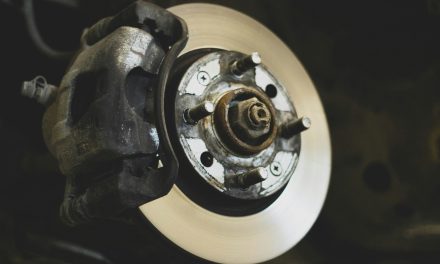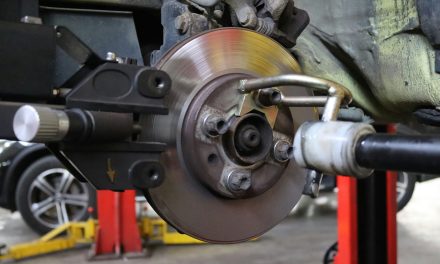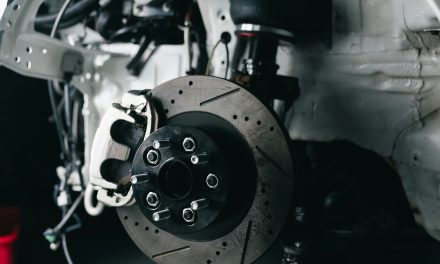
Brake calipers are integral components of a vehicle’s braking system, serving as the mechanism that applies pressure to the brake pads against the brake rotors. This action generates the friction necessary to slow down or stop the vehicle. Typically, calipers are categorized into two types: floating (or sliding) calipers and fixed calipers. Floating calipers move in and out, allowing them to adjust to the wear of the brake pads, while fixed calipers remain stationary and utilize multiple pistons to apply pressure evenly across the pads.
The functionality of brake calipers is crucial for maintaining vehicle safety and performance. When a driver presses the brake pedal, hydraulic fluid is transmitted from the master cylinder to the calipers, causing the pistons within to extend. This extension forces the brake pads against the rotor, creating friction that slows down the wheel’s rotation. Proper maintenance of brake calipers is essential, as any malfunction can lead to compromised braking efficiency, increased stopping distances, and potential accidents.
If you’re looking to understand more about vehicle maintenance, particularly how to identify issues with your brake calipers, you might find this article helpful: How to Bathe a Cat That Hates Water Without Causing Stress. While it may seem unrelated at first glance, the article emphasizes the importance of patience and careful observation, which are also crucial when diagnosing a sticking brake caliper. Recognizing the signs early can prevent further damage and ensure your vehicle remains safe on the road.
What Does It Mean When a Brake Caliper Is Sticking?
A sticking brake caliper occurs when the caliper fails to retract fully after the brake pedal is released. This condition can lead to continuous contact between the brake pads and rotors, resulting in excessive heat generation and premature wear. The underlying causes of a sticking caliper can vary, including corrosion, dirt accumulation, or a malfunctioning piston. In some cases, a damaged brake line or a failing master cylinder may also contribute to this issue.
When a caliper sticks, it can significantly affect vehicle performance and safety. Drivers may experience symptoms such as reduced braking efficiency, increased stopping distances, and unusual noises during braking. If left unaddressed, a sticking caliper can lead to more severe problems, including warped rotors and complete brake failure. Therefore, recognizing the signs of a sticking caliper is vital for timely intervention and repair.
Sign 1: Uneven Brake Pad Wear

One of the most telling indicators of a sticking brake caliper is uneven brake pad wear. When a caliper fails to retract properly, one pad may experience excessive friction while the other remains relatively untouched. This discrepancy can lead to significant differences in pad thickness, resulting in premature replacement of one side while the other may still have substantial life left.
To assess brake pad wear, drivers should visually inspect their pads during routine maintenance checks. If one pad appears significantly thinner than its counterpart, it may indicate that the caliper is not functioning correctly. Additionally, uneven wear can lead to vibrations during braking and decreased overall braking performance. Addressing this issue promptly can prevent further damage to the braking system and ensure optimal vehicle safety.
Sign 2: Vehicle Pulling to One Side While Braking

Another common symptom of a sticking brake caliper is when a vehicle pulls to one side during braking. This phenomenon occurs because one wheel is experiencing more braking force than the other due to a malfunctioning caliper. As a result, the vehicle may veer left or right when pressure is applied to the brake pedal.
This pulling sensation can be particularly dangerous, as it may lead to loss of control during emergency stops or sudden braking situations. Drivers should be vigilant for this sign and seek immediate inspection if they notice their vehicle behaving erratically while braking. A thorough examination of the braking system can help identify whether a sticking caliper is responsible for this issue.
If you’re experiencing unusual noises or a pulling sensation while driving, it may be a sign that your brake caliper is sticking. To help you diagnose this issue, you can refer to a related article that provides insights on identifying brake problems and ensuring your vehicle’s safety. For more detailed information, check out this helpful guide on how to tell if a brake caliper is sticking. Understanding these symptoms can save you time and money on repairs while keeping your vehicle in optimal condition.
Sign 3: Excessive Heat Near the Wheel Area
Excessive heat near the wheel area is another critical sign that may indicate a sticking brake caliper. When a caliper fails to retract properly, it causes continuous friction between the brake pads and rotors, leading to elevated temperatures in that region. Drivers may notice a burning smell or see smoke emanating from the wheel area after prolonged braking.
Monitoring wheel temperature can be an effective way to detect potential issues with brake components. If one wheel feels significantly hotter than others after driving or braking, it may suggest that the corresponding caliper is malfunctioning. Ignoring this symptom can result in severe damage to both the brake pads and rotors, necessitating costly repairs or replacements.
If you’re concerned about your vehicle’s braking performance, it’s crucial to know how to tell if a brake caliper is sticking. A sticking caliper can lead to uneven wear on your brake pads and reduced stopping power, which can be dangerous. For more insights on maintaining your vehicle, you might find this article on essential dog obedience training tips interesting, as it emphasizes the importance of regular practice and attention, much like how you should regularly check your car’s components. You can read it here.
Sign 4: Reduced Fuel Efficiency Due to Dragging Brakes
A less obvious but equally concerning sign of a sticking brake caliper is reduced fuel efficiency. When brakes drag due to improper retraction of the caliper, they create additional resistance against the vehicle’s motion. This resistance forces the engine to work harder, leading to increased fuel consumption.
Drivers may notice that their fuel economy has declined without any apparent reason. If this decline coincides with other symptoms such as uneven wear or pulling during braking, it may be time to investigate potential issues with the brake system. Addressing a sticking caliper not only improves safety but can also restore fuel efficiency and save money at the pump.
Sign 5: Brake Warning Light Illumination
Modern vehicles are equipped with sophisticated onboard diagnostic systems that monitor various components, including brakes. If a sticking brake caliper causes an imbalance in braking force or triggers excessive wear on components, it may activate the brake warning light on the dashboard.
When this warning light illuminates, it serves as an urgent signal for drivers to investigate their braking system immediately. Ignoring this warning can lead to more severe issues down the line, including complete brake failure or costly repairs. A professional inspection should be conducted as soon as possible to determine whether a sticking caliper or another issue is at fault.
Sign 6: Squealing or Grinding Noises When Braking
Squealing or grinding noises during braking are often indicative of worn-out brake pads; however, they can also signal problems with the calipers. If a caliper is sticking, it may cause uneven wear on the pads, leading to metal-on-metal contact that produces grinding sounds. Squealing noises may arise from high-frequency vibrations caused by insufficient pad material due to uneven wear.
Drivers should pay close attention to any unusual sounds when applying brakes. If these noises persist despite recent pad replacements or maintenance checks, it may warrant further investigation into the condition of the calipers and other related components.
Sign 7: Soft or Spongy Brake Pedal Feel
A soft or spongy brake pedal feel can indicate several issues within the braking system, including air in the hydraulic lines or worn-out components. However, if accompanied by other symptoms such as pulling or uneven wear, it could suggest that a sticking brake caliper is preventing proper hydraulic pressure from being applied.
When pressing down on the brake pedal results in an unresponsive or excessively soft feel, it compromises driver confidence and safety. It is crucial for drivers experiencing this sensation to have their braking system inspected promptly by a qualified technician.
How to Perform a Visual Inspection of the Brake Caliper
Performing a visual inspection of the brake caliper is an essential step in identifying potential issues early on. Begin by safely lifting the vehicle using jack stands and removing the wheel for better access to the braking components. Inspect the caliper for signs of corrosion, leaks, or physical damage such as cracks or dents.
Next, examine the brake pads for even wear patterns and sufficient thickness. Look for any signs of fluid leakage around the caliper pistons or seals that could indicate failure. Additionally, check for any debris or dirt accumulation that might hinder proper movement of the caliper. A thorough visual inspection can help pinpoint problems before they escalate into more significant concerns.
Step-by-Step Guide to Testing and Diagnosing a Sticking Brake Caliper
Diagnosing a sticking brake caliper involves several systematic steps:
1. **Visual Inspection**: Begin with a thorough visual examination of all components involved in the braking system.
2. **Wheel Temperature Check**: After driving for a short distance, carefully touch each wheel hub area to assess temperature differences.
3. **Brake Pad Thickness Measurement**: Use a micrometer or similar tool to measure pad thickness on both sides of each wheel.
4. **Brake Pedal Feel Assessment**: Press down on the brake pedal while stationary; note any unusual softness or sponginess.
5. **Test Drive**: Conduct a test drive while paying attention to any pulling sensations or abnormal noises during braking.
6. **Professional Evaluation**: If any symptoms persist after these checks, consult with an automotive technician for further diagnostics and potential repairs.
In conclusion, understanding brake calipers’ role in vehicle safety is paramount for every driver. Recognizing signs of malfunction—such as uneven wear patterns, pulling sensations during braking, excessive heat generation near wheels, reduced fuel efficiency due to dragging brakes, warning light illumination, unusual noises when braking, and soft pedal feel—can help prevent serious accidents and costly repairs. Regular inspections and prompt attention to any symptoms will ensure optimal performance and longevity of your vehicle’s braking system.
FAQs
What are the signs of a sticking brake caliper?
Common signs of a sticking brake caliper include uneven brake wear, a pulling sensation to one side while braking, a burning smell from the brakes, and a noticeable decrease in braking performance. Additionally, you may hear unusual noises such as grinding or squeaking when applying the brakes.
How can I visually inspect a brake caliper for sticking?
To visually inspect a brake caliper, look for signs of rust, corrosion, or fluid leaks around the caliper. Check the brake pads for uneven wear, which can indicate that the caliper is not releasing properly. Additionally, inspect the caliper’s movement; it should slide freely on its mounting bracket.
What tools do I need to check for a sticking brake caliper?
To check for a sticking brake caliper, you will need basic tools such as a jack and jack stands to lift the vehicle, a lug wrench to remove the wheel, and possibly a C-clamp or brake caliper tool to compress the caliper piston. A flashlight can also help you see into tight spaces for a thorough inspection.
Can a sticking brake caliper cause damage to my vehicle?
Yes, a sticking brake caliper can cause significant damage to your vehicle. It can lead to uneven brake pad wear, overheating of the brake components, and potential damage to the rotor. If left unaddressed, it may also affect the overall braking system, leading to costly repairs.
How do I fix a sticking brake caliper?
Fixing a sticking brake caliper typically involves cleaning and lubricating the caliper slides, replacing worn or damaged components, or in some cases, replacing the entire caliper. It is advisable to consult a professional mechanic if you are unsure about performing these repairs yourself.