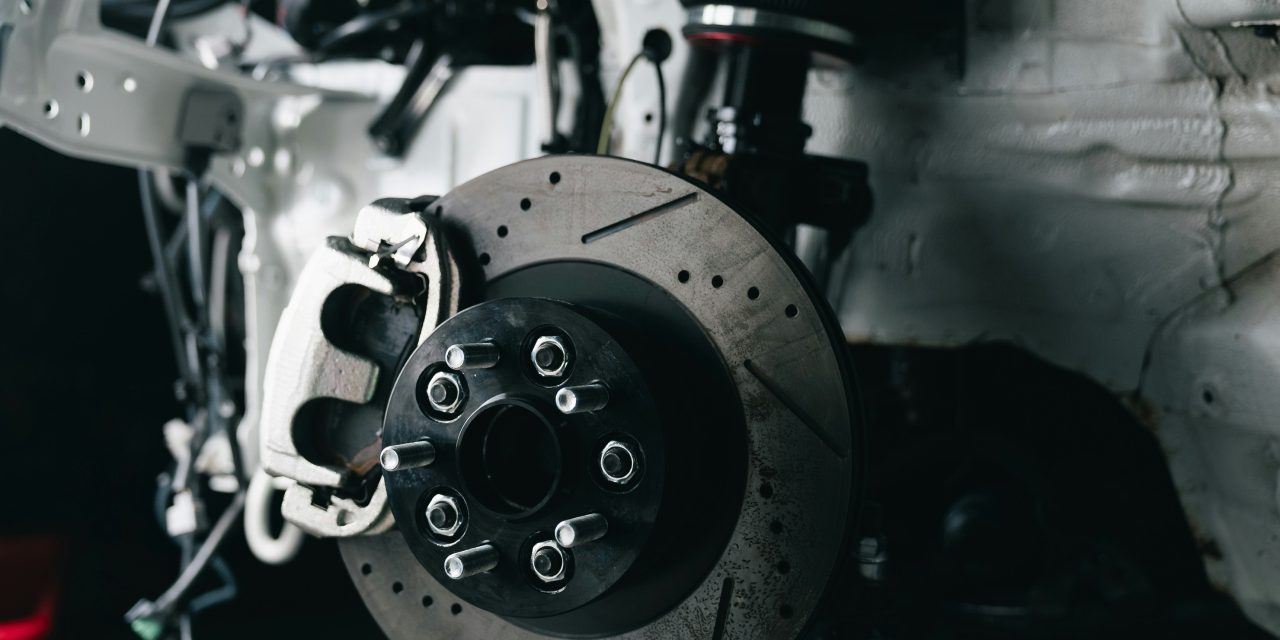
The brake master cylinder is a pivotal component in a vehicle’s braking system, serving as the heart of hydraulic braking. It is responsible for converting the force exerted on the brake pedal into hydraulic pressure, which then activates the brake calipers or wheel cylinders. This process is essential for slowing down or stopping the vehicle effectively. The master cylinder contains a reservoir filled with brake fluid, which is crucial for maintaining hydraulic pressure. When the brake pedal is pressed, the piston within the master cylinder compresses the brake fluid, sending it through the brake lines to the brakes themselves.
In modern vehicles, the brake master cylinder is typically equipped with dual circuits for enhanced safety. This design ensures that if one circuit fails, the other can still function, providing a backup system that can prevent complete brake failure. Understanding this component’s role is vital for vehicle owners, as it directly impacts overall safety and performance. Regular maintenance and timely replacement of the brake master cylinder can prevent more severe issues, such as brake fluid leaks or complete brake failure.
When considering the cost of replacing a brake master cylinder, it’s important to also be aware of other vehicle maintenance expenses that can arise, such as dealing with oil stains on your clothes from working on your car. For tips on how to effectively remove those pesky oil stains, you can check out this helpful article on 10 Easy Ways to Get Oil Stains Out of Clothes Fast and Effectively. Understanding these costs and maintenance tips can help you better manage your automotive care.
Signs You Need to Replace Your Brake Master Cylinder
Identifying when to replace your brake master cylinder is crucial for maintaining vehicle safety. One of the most common indicators is a soft or spongy brake pedal. If you notice that your pedal sinks to the floor without much resistance, it may suggest that the master cylinder is failing to maintain hydraulic pressure. Additionally, if you observe fluid leaks around the master cylinder or along the brake lines, this could indicate a breach in the system that requires immediate attention.
Another sign of a malfunctioning brake master cylinder is an illuminated brake warning light on your dashboard. This warning light often signifies low brake fluid levels or issues within the braking system. Furthermore, if your vehicle pulls to one side when braking, it may indicate uneven pressure distribution caused by a failing master cylinder. Addressing these symptoms promptly can prevent further damage and ensure your vehicle remains safe to operate.
Factors Influencing Brake Master Cylinder Replacement Costs

Several factors influence the cost of replacing a brake master cylinder, including vehicle make and model, labor rates in your area, and whether you choose OEM or aftermarket parts. Luxury vehicles often have higher replacement costs due to specialized components and labor requirements. Additionally, geographic location plays a significant role; urban areas typically have higher labor rates compared to rural regions.
The complexity of the braking system can also affect costs. Vehicles equipped with advanced braking technologies, such as anti-lock braking systems (ABS), may require additional diagnostic work and specialized parts, leading to increased expenses. Furthermore, if other components of the braking system are damaged or worn out, this can add to the overall cost of replacement.
When considering the replacement of a brake master cylinder, it’s essential to understand the cost breakdown between parts and labor. On average, the price of a new brake master cylinder ranges from $100 to $300, depending on whether you opt for OEM or aftermarket parts. OEM parts tend to be more expensive due to their guaranteed compatibility and quality assurance.
Labor costs can vary significantly based on location and shop rates but typically range from $75 to $150 per hour. The entire replacement process usually takes about 1 to 2 hours, leading to total labor costs between $75 and $300. Therefore, when budgeting for this repair, it’s crucial to account for both parts and labor to avoid unexpected expenses.
Top 7 Brake Master Cylinder Replacement Costs by Vehicle Type

1. **Honda Accord**: Approximately $150 – $250
2. **Toyota Camry**: Ranges from $120 – $230
3. **Ford F-150**: Costs between $180 – $300
4. **Chevrolet Silverado**: Estimated at $200 – $350
5. **Nissan Altima**: Typically around $130 – $220
6. **BMW 3 Series**: Can range from $250 – $450
7. **Volkswagen Jetta**: Costs approximately $150 – $280
These estimates reflect average costs and can vary based on specific vehicle conditions and local labor rates. Always consult with a trusted mechanic for precise quotes tailored to your vehicle.
When replacing a brake master cylinder, vehicle owners often face the decision between OEM (Original Equipment Manufacturer) and aftermarket parts. OEM parts are manufactured by the vehicle’s original manufacturer and are designed specifically for that make and model. They typically come with warranties and guarantees regarding quality and compatibility.
On the other hand, aftermarket parts are produced by third-party manufacturers and may offer a more affordable alternative. While some aftermarket options can be of high quality, others may not meet OEM standards, potentially leading to premature failure or compatibility issues. It’s essential to research and choose reputable aftermarket brands if opting for this route.
When considering the expenses associated with vehicle maintenance, one crucial component that often requires attention is the brake master cylinder. Understanding how much it costs to replace this essential part can help you budget effectively for your vehicle’s upkeep. For a deeper insight into managing costs related to automotive repairs, you might find this article on vehicle maintenance particularly useful, as it covers various aspects of car care that can save you money in the long run.
How Vehicle Make and Model Affect Replacement Prices
The make and model of a vehicle significantly influence replacement prices for components like the brake master cylinder. Luxury vehicles often have higher costs due to specialized parts and advanced technology integrated into their braking systems. For instance, brands like Mercedes-Benz or Audi may require unique components that are more expensive than those for standard vehicles like Honda or Toyota.
Additionally, older models may have limited availability of parts, leading to increased costs due to scarcity. Conversely, popular models tend to have more readily available parts at competitive prices. Understanding how your vehicle’s specifications impact replacement costs can help you make informed decisions regarding repairs.
Choosing between DIY replacement and professional service for a brake master cylinder can significantly impact overall costs. A DIY approach may save on labor expenses but requires mechanical knowledge and access to tools. If you are experienced in automotive repairs, you could potentially replace the master cylinder for just the cost of parts, which could range from $100 to $300.
However, if you lack experience or proper tools, attempting a DIY replacement could lead to mistakes that may result in further damage or safety hazards. In such cases, hiring a professional mechanic may be more prudent despite higher upfront costs due to labor charges ranging from $75 to $300.
Additional Repairs That May Increase Your Overall Expense
When replacing a brake master cylinder, it’s essential to consider potential additional repairs that could arise during inspection or replacement. For instance, if there are issues with brake lines or calipers due to corrosion or wear, these components may also need replacement or repair, adding to overall expenses.
Furthermore, if there is contamination in the brake fluid system caused by moisture or debris, flushing and replacing the entire brake fluid system may be necessary. This additional service can range from $50 to $150 depending on your vehicle’s specifications and local labor rates.
Tips to Save Money on Brake Master Cylinder Replacement
To minimize expenses associated with brake master cylinder replacement, consider these practical tips:
1. **Shop Around**: Obtain quotes from multiple mechanics or auto shops to find competitive pricing.
2. **Consider Aftermarket Parts**: Research reputable aftermarket brands that offer quality components at lower prices.
3. **Regular Maintenance**: Keep up with routine inspections and maintenance to catch issues early before they escalate.
4. **DIY When Possible**: If you have mechanical skills, consider tackling simpler repairs yourself.
5. **Look for Promotions**: Many auto shops offer discounts or promotions; take advantage of these opportunities.
When to Prioritize Quality Over Cost in Brake Repairs
While saving money is essential, prioritizing quality over cost in brake repairs is crucial for safety reasons. The braking system is one of the most critical components of any vehicle; therefore, investing in high-quality parts—especially OEM components—can ensure reliability and longevity.
If you notice signs of wear or failure in your braking system, such as unusual noises or decreased responsiveness, it’s vital not to compromise on quality during repairs. Opting for cheaper alternatives may lead to further issues down the line, resulting in higher costs and potential safety hazards.
In summary, understanding the role of the brake master cylinder is essential for maintaining vehicle safety and performance. Recognizing signs of failure can prompt timely replacements while considering various factors influencing costs ensures informed decisions during repairs. Whether opting for DIY replacements or professional services, prioritizing quality over cost is paramount in ensuring reliable braking performance and overall safety on the road.
FAQs
What is the average cost to replace a brake master cylinder?
The average cost to replace a brake master cylinder typically ranges from $300 to $700, including parts and labor. The price can vary based on the make and model of the vehicle, as well as the labor rates in your area.
What factors influence the cost of replacing a brake master cylinder?
Several factors can influence the cost of replacing a brake master cylinder, including the vehicle’s make and model, the type of master cylinder required (OEM vs. aftermarket), labor costs at the repair shop, and any additional repairs that may be needed during the replacement process.
Can I replace the brake master cylinder myself to save money?
Yes, if you have the necessary mechanical skills and tools, you can replace the brake master cylinder yourself to save on labor costs. However, it is important to follow proper procedures and safety precautions, as improper installation can lead to brake failure.
How long does it take to replace a brake master cylinder?
The time it takes to replace a brake master cylinder can vary, but it generally takes about 1 to 3 hours. This includes the time needed to remove the old master cylinder, install the new one, and bleed the brake system to ensure proper function.
What are the signs that my brake master cylinder needs to be replaced?
Signs that your brake master cylinder may need to be replaced include a soft or spongy brake pedal, brake fluid leaks, warning lights on the dashboard, or a decrease in braking performance. If you experience any of these symptoms, it is advisable to have your braking system inspected by a professional.