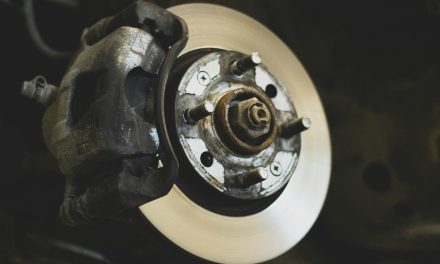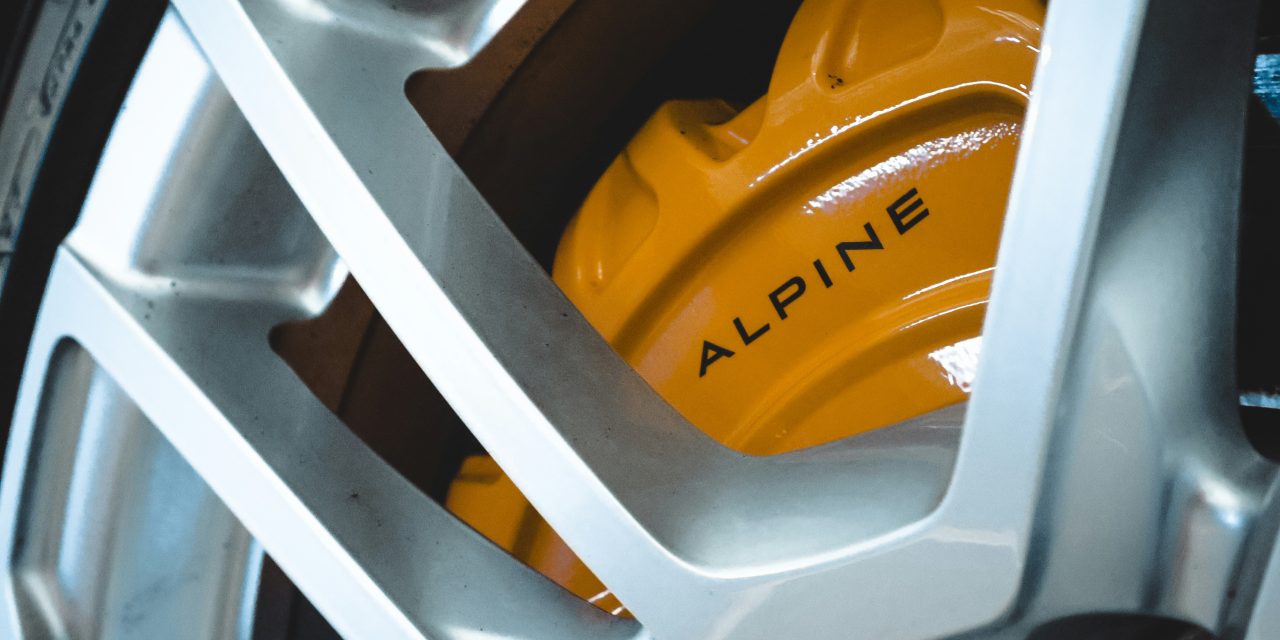
Brake calipers are integral components of a vehicle’s braking system, serving as the mechanism that applies pressure to the brake pads against the brake rotors. This action generates the friction necessary to slow down or stop the vehicle. Typically, calipers are categorized into two types: floating (or sliding) calipers and fixed calipers. Floating calipers move in a single direction, allowing them to adapt to the wear of the brake pads, while fixed calipers remain stationary and utilize multiple pistons to apply pressure evenly across the pads.
The functionality of brake calipers is crucial for maintaining optimal braking performance. They house pistons that are activated by hydraulic pressure generated from the brake fluid when the brake pedal is pressed. This hydraulic system ensures that the force applied by the driver translates effectively into braking power. A well-functioning brake caliper is essential not only for effective stopping but also for ensuring that the vehicle maintains stability during deceleration.
When considering the maintenance of your vehicle’s braking system, a common question arises: do brake calipers need to be replaced in pairs? This topic is crucial for ensuring optimal braking performance and safety. For further insights on vehicle care, you might find it helpful to read this related article on essential aftercare tips for your cat’s spay surgery recovery, which emphasizes the importance of proper care and attention in various contexts. You can check it out here: 10 Essential Aftercare Tips for Your Cat’s Spay Surgery Recovery.
Signs That Indicate Brake Caliper Issues
Identifying brake caliper problems early can prevent more severe issues down the line. One of the most common indicators of malfunction is uneven wear on brake pads. If one pad appears significantly thinner than the other, it may suggest that the caliper is not applying pressure evenly. Additionally, drivers may notice a pulling sensation to one side when braking, which can indicate that a caliper is sticking or failing to release properly.
Another sign of potential caliper issues is the presence of unusual noises, such as grinding or squeaking sounds when applying brakes. These noises often arise from worn-out pads or a caliper that is not functioning correctly. Furthermore, if there is a noticeable decrease in braking efficiency or an increase in stopping distance, it is imperative to have the brake system inspected immediately. Ignoring these symptoms can lead to more extensive damage and costly repairs.
The Importance of Replacing Brake Calipers in Pairs

When it comes to brake caliper replacement, many automotive experts recommend replacing them in pairs—specifically, both front or both rear calipers. This practice ensures balanced braking performance across the vehicle, which is crucial for maintaining control during sudden stops or emergency maneuvers. Replacing only one caliper can lead to uneven braking forces, resulting in compromised vehicle stability and increased wear on other braking components.
Moreover, replacing calipers in pairs can enhance overall safety. When one caliper is replaced without its counterpart, discrepancies in braking force can cause the vehicle to pull to one side during braking, increasing the risk of accidents. By ensuring that both calipers are functioning optimally, drivers can achieve a more uniform braking response, thereby enhancing safety and performance.
Risks of Replacing a Single Brake Caliper

Opting to replace only one brake caliper poses several risks that can compromise vehicle safety and performance. One significant concern is the potential for uneven braking forces, which can lead to instability during deceleration. This instability may manifest as a pulling sensation to one side or an increased likelihood of skidding, particularly in adverse weather conditions.
Additionally, replacing a single caliper may result in premature wear on other components of the braking system. For instance, if one caliper is functioning optimally while the other is not, it can lead to uneven wear on brake pads and rotors. This imbalance can necessitate more frequent replacements and repairs, ultimately increasing maintenance costs over time.
When considering the maintenance of your vehicle’s braking system, a common question arises: do brake calipers need to be replaced in pairs? Understanding the importance of this can significantly impact your vehicle’s performance and safety. For a detailed exploration of this topic, you can refer to a related article that discusses the implications of replacing brake components individually versus in pairs. This information can help you make informed decisions about your vehicle’s upkeep. To read more about it, check out this insightful piece on brake calipers.
How Uneven Brake Calipers Affect Vehicle Performance
Uneven brake calipers can significantly impact a vehicle’s overall performance and handling characteristics. When one caliper applies more force than its counterpart, it creates an imbalance that affects how the vehicle responds during braking. This imbalance can lead to a variety of issues, including increased stopping distances and difficulty maintaining control during emergency stops.
Moreover, uneven braking forces can contribute to premature wear on tires and suspension components. As one side of the vehicle experiences more braking force, it can lead to uneven tire wear patterns and affect alignment settings. Over time, this can result in additional costs associated with tire replacements and suspension repairs, further emphasizing the importance of addressing caliper issues promptly.
When considering whether brake calipers need to be replaced in pairs, it’s essential to understand the implications of uneven wear on your vehicle’s braking system. Replacing calipers individually can lead to imbalanced braking performance, which may compromise safety. For a deeper insight into vehicle maintenance, you might find it useful to read this article on testing your garden soil pH, as it also emphasizes the importance of regular checks to ensure optimal performance, whether in gardening or automotive care.
When Is It Acceptable to Replace Only One Caliper?
While it is generally advisable to replace brake calipers in pairs, there are specific scenarios where replacing only one may be acceptable. For instance, if a caliper has sustained damage due to an external factor—such as road debris or an accident—while the other remains in good condition, a single replacement may be warranted. In such cases, it is crucial to ensure that the remaining caliper is functioning optimally before proceeding with a single replacement.
Additionally, if a vehicle has recently undergone extensive brake system maintenance and both calipers were inspected thoroughly—confirming that one is significantly compromised while the other is still in excellent condition—then replacing just one may be justified. However, it is essential to consult with a qualified mechanic who can assess the overall condition of the braking system before making this decision.
When evaluating the cost implications of replacing brake calipers, it is essential to consider both immediate expenses and long-term financial impacts. Replacing a single brake caliper may appear more economical upfront; however, this approach can lead to additional costs down the line due to uneven wear on other components and potential safety risks.
On average, the cost of replacing a single brake caliper ranges from $150 to $300, depending on the make and model of the vehicle. In contrast, replacing both calipers typically costs between $300 and $600. While this may seem like a higher initial investment, ensuring balanced braking performance can save money in the long run by reducing wear on tires and other braking components.
The Impact of Brake Caliper Replacement on Safety
The safety implications of brake caliper replacement cannot be overstated. Properly functioning brake calipers are vital for effective stopping power and overall vehicle control. When drivers neglect to address caliper issues or opt for single replacements without considering their impact on overall performance, they increase their risk of accidents significantly.
Moreover, new brake calipers contribute to improved responsiveness during emergency situations. A well-maintained braking system allows drivers to react swiftly and effectively when faced with unexpected obstacles or hazards on the road. Therefore, investing in timely replacements not only enhances safety but also instills confidence in drivers as they navigate various driving conditions.
Steps to Take When Replacing Brake Calipers
Replacing brake calipers involves several critical steps that should be performed with precision and care. First and foremost, ensure that you have all necessary tools and replacement parts on hand before beginning the process. This includes jack stands, wrenches, brake fluid, and new calipers.
1. **Lift the Vehicle**: Use a jack to elevate the vehicle securely and place jack stands underneath for added safety.
2. **Remove Wheel**: Take off the wheel corresponding to the caliper being replaced.
3. **Disconnect Brake Line**: Carefully detach the brake line from the old caliper using appropriate tools.
4. **Remove Old Caliper**: Unscrew any bolts securing the old caliper in place and remove it from its mounting bracket.
5. **Install New Caliper**: Position the new caliper onto its bracket and secure it with bolts.
6. **Reconnect Brake Line**: Reattach the brake line to ensure proper fluid flow.
7. **Bleed Brakes**: After installation, bleed the brakes to remove any air from the hydraulic system.
8. **Reattach Wheel**: Finally, put the wheel back on and lower the vehicle.
Professional Advice: What Mechanics Recommend
Automotive professionals emphasize the importance of regular inspections of brake systems to catch potential issues early on. Mechanics often recommend adhering to manufacturer guidelines regarding maintenance schedules for brake components, including calipers. Additionally, they advise drivers to pay attention to any changes in braking performance or unusual noises that may indicate underlying problems.
Furthermore, mechanics stress that when replacing brake components—especially calipers—drivers should opt for high-quality parts from reputable manufacturers. While cheaper alternatives may seem appealing initially, they often lack durability and reliability compared to OEM (Original Equipment Manufacturer) parts.
Maintenance Tips to Extend Brake Caliper Lifespan
To prolong the lifespan of brake calipers and ensure optimal performance, several maintenance practices should be adopted:
1. **Regular Inspections**: Schedule routine inspections of your braking system at least once a year or as recommended by your vehicle’s manufacturer.
2. **Brake Fluid Maintenance**: Regularly check and replace brake fluid according to manufacturer specifications to prevent moisture buildup that can corrode internal components.
3. **Clean Components**: Keep brake components clean from dust and debris that can cause premature wear.
4. **Monitor Driving Habits**: Avoid aggressive driving behaviors that can lead to excessive heat buildup and strain on braking components.
5. **Address Issues Promptly**: If you notice any signs of brake problems—such as unusual noises or decreased performance—seek professional assistance immediately.
In summary, understanding brake calipers’ role within your vehicle’s braking system is crucial for maintaining safety and performance on the road. Recognizing signs of malfunction early can prevent costly repairs and enhance driving experience significantly. While replacing brake calipers in pairs is generally recommended for balanced performance, specific circumstances may warrant single replacements under professional guidance. Ultimately, prioritizing regular maintenance and adhering to best practices will extend the lifespan of your braking system components while ensuring optimal safety during operation.
FAQs
Do brake calipers need to be replaced in pairs?
While it is not strictly necessary to replace brake calipers in pairs, it is often recommended. Replacing both calipers on an axle can help maintain balanced braking performance and ensure even wear on the brake pads.
What are the signs that a brake caliper needs to be replaced?
Signs that a brake caliper may need replacement include uneven brake pad wear, a pulling sensation when braking, leaking brake fluid, or a noticeable decrease in braking performance. Additionally, if you hear unusual noises such as grinding or squeaking, it may indicate a caliper issue.
Can I replace just one brake caliper?
Yes, you can replace just one brake caliper if it is the only one that is malfunctioning. However, it is advisable to inspect the other caliper on the same axle for wear and performance issues to ensure optimal braking efficiency.
How often should brake calipers be inspected or replaced?
Brake calipers should be inspected regularly, typically during routine brake maintenance or when replacing brake pads. Depending on driving conditions and vehicle usage, calipers may need to be replaced every 50,000 to 70,000 miles, but this can vary widely.
What happens if I don’t replace a faulty brake caliper?
If a faulty brake caliper is not replaced, it can lead to decreased braking performance, uneven wear on brake pads, and potential damage to other braking components. In severe cases, it may result in brake failure, posing a serious safety risk while driving.