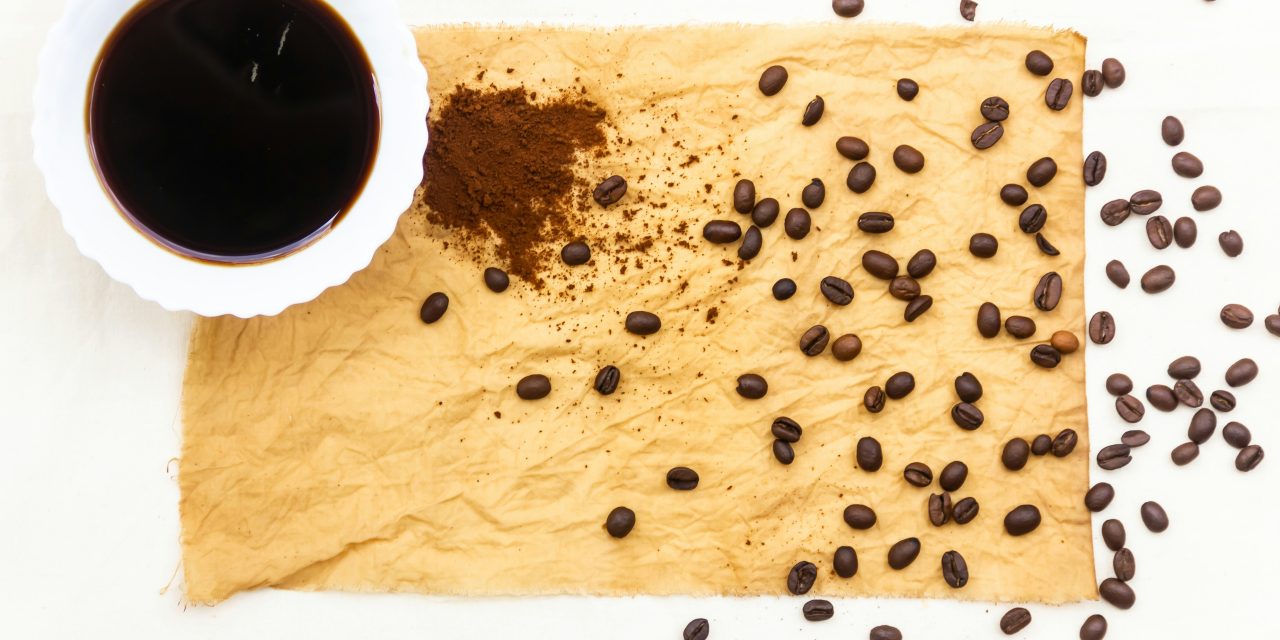
Coffee stains are notorious for their stubbornness, primarily due to the complex composition of coffee itself. When coffee spills occur, the liquid contains tannins, oils, and pigments that can quickly penetrate fabric fibers. The acidity of coffee can also contribute to the staining process, making it more challenging to remove once it has dried. The combination of these elements creates a potent stain that can set rapidly, especially on porous materials such as cotton or linen.
Moreover, the temperature of the coffee at the time of spillage plays a significant role in how quickly a stain sets. Hot coffee can cause the stain to bond more firmly with the fabric, as heat opens up the fibers, allowing the liquid to seep deeper. Understanding these factors is crucial for effective stain management and removal strategies.
If you’re looking for tips on removing coffee stains, you might find it helpful to explore related articles that offer advice on various household tasks. For instance, you can check out this article on how to cook the perfect pan-seared filet mignon at home, which provides useful cooking techniques that can enhance your culinary skills. You can read it here: 7 Easy Steps to Perfect Pan-Seared Filet Mignon at Home.
Act Fast: The Importance of Immediate Stain Treatment
The adage “time is of the essence” holds particularly true when dealing with coffee stains. Immediate action can significantly increase the likelihood of successful removal. When coffee is spilled, it is essential to address the situation promptly to prevent the stain from becoming permanent. The longer the coffee remains on the fabric, the more it will adhere to the fibers, making it increasingly difficult to eliminate.
In addition to acting quickly, it is vital to assess the type of fabric affected by the spill. Different materials may require specific treatment methods to avoid damage while effectively removing the stain. For instance, delicate fabrics like silk may necessitate a gentler approach compared to robust materials like denim. By understanding the urgency and tailoring your response accordingly, you can enhance your chances of restoring your fabric to its original state.
Blot, Don’t Rub: The First Step to Avoiding Spread

When faced with a coffee spill, the instinctive reaction may be to rub the stain vigorously in an attempt to remove it. However, this approach can exacerbate the problem by spreading the stain further and embedding it deeper into the fabric fibers. Instead, the recommended technique is to blot the area gently with a clean cloth or paper towel.
Blotting involves pressing down on the stain without disturbing the surrounding fabric. This method allows for the absorption of excess liquid without pushing it further into the material. It is advisable to start from the outer edges of the stain and work inward to prevent spreading. By employing this technique, you can minimize damage and increase your chances of successful stain removal.
Using Cold Water to Prevent Stain Setting

Cold water serves as an effective initial treatment for coffee stains due to its ability to dilute and lift the stain without setting it further. When dealing with a fresh spill, rinsing the affected area under cold running water can help flush out some of the coffee before it has a chance to set. This method is particularly beneficial for fabrics that are not sensitive to water exposure.
It is essential to avoid using hot water at this stage, as heat can cause proteins in coffee to bond with fabric fibers more firmly. Instead, cold water acts as a gentle solvent that can help break down the components of the stain without causing additional damage. By incorporating this step into your stain removal process, you can significantly improve your chances of success.
If you’re struggling with pesky coffee stains on your favorite tablecloth or shirt, you might find it helpful to explore some effective cleaning tips. One useful resource is an article that discusses how to clean and sanitize dog food and water bowls, which can also provide insights into removing tough stains from various surfaces. You can read more about it here. With the right techniques, you can tackle those coffee stains and keep your belongings looking fresh and clean.
Applying Liquid Detergent for Effective Stain Removal
Once you have blotted and rinsed the stained area with cold water, applying a liquid detergent can enhance your efforts in removing coffee stains. Liquid detergents contain surfactants that work by breaking down oils and pigments present in coffee, making them easier to wash away. It is advisable to choose a detergent that is suitable for the specific fabric type you are treating.
To apply liquid detergent effectively, gently rub a small amount into the stained area using your fingers or a soft-bristled brush. Allow it to sit for approximately 5-10 minutes to give it time to penetrate and break down the stain components. Afterward, rinse thoroughly with cold water before proceeding with laundering as usual. This method can yield significant results in restoring your fabric’s appearance.
Leveraging White Vinegar as a Natural Cleaner
White vinegar is a versatile household item that can serve as an effective natural cleaner for coffee stains. Its acidic properties help break down stains while also neutralizing odors associated with coffee spills. To utilize white vinegar for stain removal, mix equal parts vinegar and water in a spray bottle or bowl.
Apply this solution directly onto the stained area and allow it to sit for about 10-15 minutes. The vinegar will work on loosening the stain from the fabric fibers. Afterward, blot with a clean cloth and rinse thoroughly with cold water. This method not only aids in stain removal but also leaves fabrics smelling fresh and clean.
Baking Soda: A Gentle Abrasive for Tough Stains
Baking soda is another household staple that can be employed effectively against stubborn coffee stains. Its mild abrasive properties make it an excellent choice for lifting stains without damaging delicate fabrics. To use baking soda for stain removal, create a paste by mixing it with a small amount of water until it reaches a thick consistency.
Apply this paste directly onto the stained area and gently rub it in using your fingers or a soft cloth. Allow it to sit for approximately 15-20 minutes before rinsing with cold water. The baking soda will absorb any remaining moisture while lifting away residual stains, making it an effective solution for tough coffee marks.
Using Lemon Juice to Brighten and Lift Stains
Lemon juice is renowned for its natural bleaching properties and can be particularly effective in brightening fabrics affected by coffee stains. The citric acid present in lemon juice helps break down pigments while also providing a fresh scent. To utilize lemon juice for stain removal, apply fresh lemon juice directly onto the stained area.
Allow it to sit for about 10-15 minutes before rinsing thoroughly with cold water. For added effectiveness, consider combining lemon juice with baking soda to create a powerful stain-fighting paste. This combination not only aids in lifting stains but also brightens fabrics, restoring their original vibrancy.
Employing Commercial Stain Removers Safely
For those who prefer commercial solutions, numerous stain removers are available specifically designed for tackling coffee stains. These products often contain enzymes and surfactants that target organic stains effectively. However, it is crucial to read labels carefully and follow instructions closely to avoid damaging fabrics.
Before applying any commercial stain remover, conduct a patch test on an inconspicuous area of the fabric to ensure compatibility. Apply the product according to manufacturer guidelines and allow it sufficient time to work before rinsing thoroughly with cold water. By using commercial products responsibly, you can achieve effective results while minimizing potential risks.
Washing and Checking Before Drying
After treating a coffee stain using any of the aforementioned methods, washing the fabric according to its care instructions is essential. Use cold water during this process, as hot water may set any remaining traces of the stain further into the fibers. It is advisable to check the stained area before placing it in the dryer; if any remnants remain visible, repeat your chosen treatment method before drying.
Drying can cause any lingering stains to become permanent due to heat exposure; therefore, ensuring complete removal before this step is critical. By taking these precautions, you can safeguard your fabrics against lasting damage from coffee stains.
Tips for Preventing Coffee Stains in the Future
Preventing coffee stains from occurring in the first place is always preferable to dealing with them after they happen. Here are several strategies that can help minimize your risk:
1. **Use Spill-Proof Containers**: Invest in travel mugs or cups designed with spill-proof lids.
2. **Be Mindful While Drinking**: Avoid distractions while consuming beverages; focus on your drink.
3. **Designate Coffee Zones**: Create specific areas where coffee consumption is allowed, reducing spill risks in other spaces.
4. **Keep Cleaning Supplies Handy**: Have paper towels or cloths readily available for quick clean-up.
5. **Choose Darker Fabrics**: If possible, opt for darker upholstery or clothing that may hide potential stains better than lighter colors.
By implementing these preventive measures into your daily routine, you can significantly reduce your chances of encountering troublesome coffee stains.
In summary, understanding how coffee stains set quickly allows individuals to take immediate action when spills occur. Employing techniques such as blotting instead of rubbing, using cold water initially, and applying various cleaning agents like liquid detergent or natural solutions like vinegar and baking soda can effectively combat these stubborn marks. Additionally, utilizing commercial products safely and ensuring thorough washing before drying are crucial steps in successful stain removal. Finally, adopting preventive measures can help mitigate future incidents altogether, preserving both clothing and upholstery from unsightly blemishes caused by coffee spills.
FAQs
What is the best immediate action to take when a coffee stain occurs?
The best immediate action is to blot the stain gently with a clean cloth or paper towel to absorb as much coffee as possible. Avoid rubbing, as this can spread the stain further.
What household items can be used to remove coffee stains?
Common household items that can effectively remove coffee stains include white vinegar, baking soda, dish soap, and hydrogen peroxide. These can be mixed or used individually to treat the stain.
Can coffee stains be removed from all types of fabric?
While many fabrics can be treated for coffee stains, some delicate materials like silk or wool may require special care or professional cleaning. Always check the care label before attempting to remove stains.
How can I remove coffee stains from carpet?
To remove coffee stains from carpet, blot the area with a cloth, then mix one tablespoon of liquid dish soap, one tablespoon of white vinegar, and two cups of warm water. Apply the solution to the stain, blot with a clean cloth, and repeat until the stain is gone.
Is it possible to remove old coffee stains?
Yes, old coffee stains can often be removed, but they may require more effort. Soaking the stained area in a mixture of water and vinegar or using a commercial stain remover can help lift the stain. It may take multiple attempts for best results.