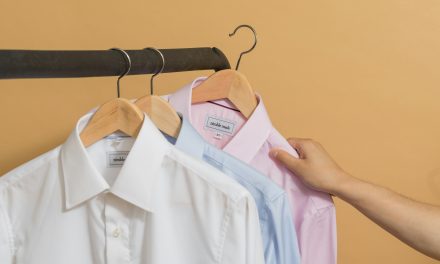
Sweat stains on white shirts are a common yet frustrating issue that many individuals encounter. These unsightly marks are primarily caused by the interaction of sweat with the fabric and the presence of certain substances in antiperspirants, such as aluminum compounds. When sweat is secreted from the apocrine and eccrine glands, it contains proteins, lipids, and salts that can lead to discoloration and staining, particularly on lighter fabrics. Over time, these stains can become more pronounced, leading to a yellowish hue that is difficult to remove.
The chemical composition of sweat plays a significant role in the staining process. When sweat dries, it leaves behind residues that can bond with the fibers of the fabric. Additionally, the reaction between sweat and deodorants can create a chemical compound that further exacerbates the staining issue. Understanding these mechanisms is crucial for effectively addressing and preventing sweat stains on white shirts.
If you’re looking for effective ways to keep your white shirts looking pristine, you might find it helpful to explore related tips on maintaining your wardrobe. For instance, you can check out this article on 10 Easy Brown Sugar Glaze Recipes to Perfect Your Holiday Ham, which, while focused on cooking, also emphasizes the importance of presentation and cleanliness in your overall appearance. Keeping your clothes stain-free is just as important as serving a beautifully glazed dish during the holidays!
Pre-Treating Sweat Stains Before Washing
Pre-treatment is an essential step in managing sweat stains effectively. By addressing the stains before laundering, individuals can significantly enhance the likelihood of complete removal. One effective method involves applying a stain remover directly to the affected area. This can be a commercial stain remover or a homemade solution tailored to target protein-based stains.
To pre-treat effectively, it is advisable to gently blot the stain with a clean cloth to remove excess moisture. Following this, apply the chosen stain remover liberally and allow it to penetrate the fabric for at least 15 minutes. This dwell time enables the active ingredients to break down the stain’s composition, making it easier to wash away during the laundering process.
Using Baking Soda Paste for Stain Removal

Baking soda is a versatile household item renowned for its stain-fighting properties. To create an effective paste for sweat stain removal, combine four tablespoons of baking soda with a quarter cup of water until a thick consistency is achieved. This paste can be applied directly to the stained area and left to sit for approximately 30 minutes.
The alkaline nature of baking soda helps neutralize odors while also breaking down the proteins found in sweat. After allowing the paste to work its magic, rinse the area with cold water before laundering as usual. This method not only targets existing stains but also helps prevent future discoloration by maintaining the fabric’s integrity.
Applying White Vinegar to Break Down Stains

White vinegar is another powerful ally in the battle against sweat stains. Its acetic acid content acts as a natural solvent that can effectively break down stubborn residues left by sweat and deodorants. To utilize this method, mix equal parts of white vinegar and water in a spray bottle and apply it generously to the stained area.
Allow the solution to sit for about 30 minutes before rinsing with cold water. The acidic properties of vinegar help dissolve mineral deposits and other compounds that contribute to staining. Additionally, vinegar acts as a natural deodorizer, leaving garments smelling fresh and clean.
If you’re struggling with stubborn sweat stains on your favorite white shirts, you might find it helpful to explore some effective removal techniques. For additional tips on maintaining your wardrobe, check out this article on delicious beef tips that can inspire your dinner plans and keep you looking fresh while you enjoy your meals.
Leveraging Hydrogen Peroxide for Whitening
Hydrogen peroxide is often hailed as a potent whitening agent, making it an excellent choice for tackling sweat stains on white fabrics. This compound acts as an oxidizing agent, breaking down organic materials and lifting discoloration from fibers. To use hydrogen peroxide effectively, create a solution by mixing one part hydrogen peroxide with two parts water.
Apply this mixture directly to the stained area and allow it to sit for approximately 30 minutes before rinsing thoroughly. It is essential to test this solution on an inconspicuous area first, as hydrogen peroxide can cause bleaching on colored fabrics. When used correctly, hydrogen peroxide can restore the brightness of white shirts while effectively removing stubborn sweat stains.
Utilizing Lemon Juice as a Natural Bleach
Lemon juice is another natural alternative for combating sweat stains due to its citric acid content, which acts as a mild bleaching agent. To harness its stain-fighting properties, apply fresh lemon juice directly onto the stained area and let it sit for about 30 minutes before rinsing with cold water.
The natural acidity of lemon juice not only helps lift stains but also imparts a fresh scent to garments. For enhanced effectiveness, consider combining lemon juice with baking soda to create a paste that can be applied directly to stubborn stains. This combination amplifies the stain removal process while ensuring that fabrics remain bright and clean.
Employing Dish Soap for Tough Stains
Dish soap is not just for cleaning dishes; it can also be an effective solution for removing tough sweat stains from clothing. The surfactants present in dish soap help break down oils and grease, making it particularly useful for tackling stains caused by antiperspirants that contain oily components.
To use dish soap for stain removal, apply a small amount directly onto the stained area and gently rub it in with your fingers or a soft brush. Allow it to sit for about 10-15 minutes before rinsing with cold water. This method is especially effective when combined with other stain-fighting agents like baking soda or vinegar for enhanced results.
The Role of Cold Water Rinses in Stain Removal
Cold water rinses play a crucial role in the stain removal process, particularly when dealing with sweat stains. Hot water can set stains into fabric fibers, making them more challenging to remove during washing. Therefore, it is advisable to rinse stained garments with cold water immediately after treating them.
Cold water helps prevent proteins from coagulating and binding more firmly to the fabric, allowing for easier removal during subsequent washing cycles. Additionally, rinsing with cold water helps maintain the integrity of delicate fabrics while ensuring that any pre-treatment solutions do not cause further damage.
Avoiding Heat to Prevent Stain Setting
Heat is one of the primary culprits in setting stains into fabrics permanently. When garments are exposed to high temperatures during washing or drying, any remaining traces of sweat or stain treatment solutions can bond irreversibly with the fibers. To avoid this issue, always opt for air drying or low-heat settings when laundering stained clothing.
It is also advisable to inspect garments thoroughly before placing them in the dryer; if any traces of stains remain, re-treat them before subjecting them to heat. By taking these precautions, individuals can significantly reduce the risk of permanent staining and prolong the life of their garments.
Tips for Regular Maintenance to Prevent Sweat Stains
Preventing sweat stains from occurring in the first place is often more effective than attempting to remove them after they have set in. Regular maintenance practices can significantly reduce the likelihood of developing unsightly marks on white shirts. One effective strategy involves choosing breathable fabrics such as cotton or linen that allow moisture to evaporate more efficiently.
Additionally, consider using antiperspirants that are free from aluminum compounds or those specifically designed to minimize staining on clothing. Regularly washing shirts after each wear can also help prevent sweat residues from building up over time. Finally, incorporating a fabric protector spray can create an additional barrier against moisture and staining agents.
When to Seek Professional Cleaning Services
While many sweat stains can be managed at home using various methods, there are instances where professional cleaning services may be necessary. If stains persist despite multiple attempts at removal or if they have been allowed to set in over time, consulting a professional cleaner may yield better results.
Professional cleaners possess specialized equipment and expertise in handling stubborn stains without damaging delicate fabrics. They can also provide advice on proper garment care and maintenance tailored to specific materials. In cases where garments are particularly valuable or sentimental, seeking professional assistance ensures that they receive the best possible care.
In summary, managing sweat stains on white shirts requires a multifaceted approach that includes understanding their causes, employing effective pre-treatment methods, and utilizing various household items such as baking soda, vinegar, hydrogen peroxide, lemon juice, and dish soap for stain removal. Regular maintenance practices play a vital role in preventing future occurrences while avoiding heat exposure is crucial in preventing stain setting. For persistent issues or valuable garments, professional cleaning services may be warranted to ensure optimal care and restoration of clothing items.
FAQs
What causes sweat stains on white shirts?
Sweat stains on white shirts are primarily caused by a combination of sweat, body oils, and the aluminum compounds found in many antiperspirants. When sweat mixes with these substances, it can lead to yellowish discoloration, especially when exposed to heat from washing or drying.
What are some effective home remedies for removing sweat stains?
Effective home remedies for removing sweat stains include using a mixture of baking soda and water to create a paste, applying white vinegar directly to the stain, or using lemon juice combined with salt. These natural ingredients can help break down the stain and whiten the fabric.
Can I use bleach to remove sweat stains from white shirts?
Yes, bleach can be used to remove sweat stains from white shirts, but it should be done with caution. Always dilute bleach with water according to the instructions on the label, and test it on a small, inconspicuous area first to ensure it does not damage the fabric.
How should I wash my white shirts after treating sweat stains?
After treating sweat stains, wash your white shirts in the hottest water safe for the fabric, using a quality laundry detergent. Adding a cup of white vinegar or baking soda to the wash can enhance stain removal and help keep whites bright.
Are there any commercial products specifically designed for removing sweat stains?
Yes, there are several commercial products specifically designed for removing sweat stains, including stain removers and laundry additives. Look for products that contain enzymes or oxygen bleach, as these can effectively break down the proteins in sweat stains.