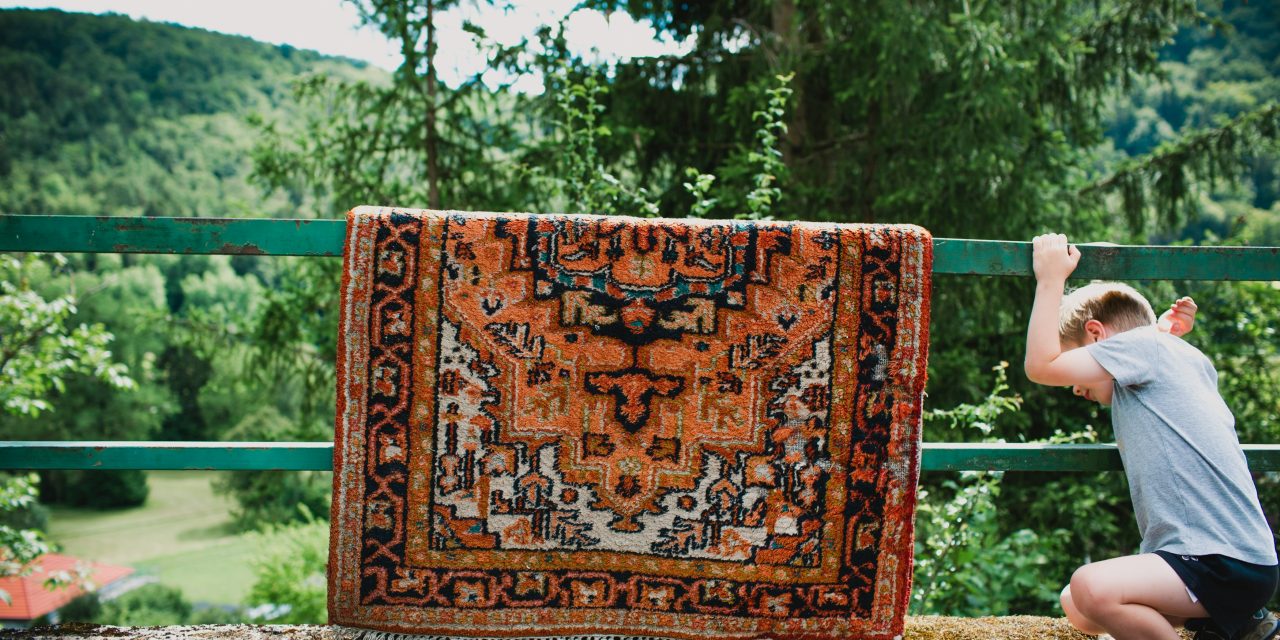
Area rugs serve not only as decorative elements but also as functional pieces that enhance the comfort and aesthetic appeal of a space. The market offers a plethora of options, each with unique characteristics and materials. Common types include wool, synthetic, cotton, silk, and jute rugs. Wool rugs are renowned for their durability and natural stain resistance, making them ideal for high-traffic areas. Synthetic rugs, often made from materials like polypropylene or nylon, are budget-friendly and easy to clean, making them suitable for households with children or pets.
Cotton rugs are lightweight and machine washable, providing versatility in design and ease of maintenance. Silk rugs, while luxurious and visually stunning, require more delicate care due to their susceptibility to stains and wear. Jute rugs, crafted from natural fibers, offer an organic aesthetic but may not be suitable for damp environments. Understanding these distinctions is crucial for selecting the right area rug that aligns with your lifestyle and interior design preferences.
If you’re looking to maintain a clean and comfortable home, understanding the importance of area rug cleaning is essential. A well-maintained rug not only enhances the aesthetic appeal of your space but also contributes to a healthier environment by reducing allergens. For pet owners, this is especially crucial, as pets can bring in dirt and odors that may linger in your rugs. To learn more about keeping your furry friends happy while maintaining a clean home, check out this informative article on dog sitting tips at Top 10 Rover Dog Sitting Tips for Happy Pets and Owners.
Regular Vacuuming Techniques for Area Rugs
Regular vacuuming is essential for maintaining the integrity and appearance of area rugs. It helps remove dirt, dust, and allergens that accumulate over time. When vacuuming, it is advisable to use a vacuum cleaner equipped with a beater bar or rotating brush for optimal dirt removal. However, for delicate rugs such as silk or antique pieces, a vacuum without a beater bar is recommended to prevent damage to the fibers.
To effectively vacuum an area rug, start by vacuuming in one direction and then switch to a perpendicular direction. This technique ensures that dirt trapped in the fibers is thoroughly dislodged. Additionally, it is beneficial to vacuum both sides of the rug if possible, as this can help eliminate dust that settles underneath. Regular vacuuming should be performed at least once a week, or more frequently in high-traffic areas, to prolong the life of your rug.
Spot Cleaning: How to Tackle Stains Immediately

Stains on area rugs can be distressing, but prompt action can significantly mitigate damage. The first step in spot cleaning is to blot the stain with a clean, dry cloth or paper towel to absorb excess liquid without rubbing it deeper into the fibers. For solid stains, gently scrape off any residue with a dull knife or spoon before proceeding with cleaning solutions.
When addressing specific types of stains—such as wine, coffee, or pet accidents—it’s crucial to use appropriate cleaning agents. For organic stains like food or beverages, a mixture of mild dish soap and water can be effective. For pet-related stains, enzymatic cleaners are recommended as they break down odor-causing substances. Always test any cleaning solution on a small, inconspicuous area of the rug before applying it to the stain to ensure it does not cause discoloration or damage.
Choosing the Right Cleaning Products for Your Rug

Selecting the appropriate cleaning products for area rugs is vital to avoid damaging the fibers or altering their color. It is essential to read labels carefully and choose products specifically designed for the type of material your rug is made from. For instance, wool rugs benefit from pH-balanced cleaners that do not strip natural oils from the fibers.
For synthetic rugs, versatile all-purpose cleaners can be effective; however, avoid harsh chemicals such as bleach or ammonia that can degrade the material over time. Additionally, consider eco-friendly options that are free from toxic substances, ensuring safety for both your family and pets. Always follow the manufacturer’s care instructions when using any cleaning product to maintain the rug’s quality and longevity.
When it comes to maintaining a clean and inviting home, area rug cleaning is an essential task that can significantly enhance the overall appearance of your living space. For those looking for quick and effective cleaning strategies, you might find helpful tips in this article about cleaning your house fast before guests arrive. Implementing these suggestions can make a noticeable difference in how your home feels and looks, especially when combined with regular care for your rugs.
Deep Cleaning Methods: When and How to Do It
Deep cleaning area rugs is necessary at least once a year or more frequently depending on usage and exposure to dirt and allergens. This process involves thorough cleaning techniques that go beyond regular vacuuming and spot cleaning. One effective method is steam cleaning, which utilizes hot water extraction to remove embedded dirt and grime while sanitizing the fibers.
Another option is professional dry cleaning, which employs specialized solvents that lift stains without saturating the rug. This method is particularly beneficial for delicate materials such as silk or antique rugs that may be damaged by excessive moisture. Regardless of the method chosen, ensure that the rug is completely dry after cleaning to prevent mold growth and odor retention.
DIY Natural Cleaning Solutions for Area Rugs
For those who prefer natural cleaning solutions, several effective DIY recipes can be utilized to maintain area rugs without harsh chemicals. A simple mixture of white vinegar and water can serve as an excellent deodorizer and stain remover. Combine equal parts vinegar and water in a spray bottle and lightly mist the stained area before blotting with a clean cloth.
Baking soda is another versatile ingredient that can absorb odors and lift stains. Sprinkle baking soda over the rug and let it sit for several hours before vacuuming it up. For tougher stains, a paste made from baking soda and water can be applied directly to the stain and left to dry before vacuuming. These natural solutions are not only effective but also environmentally friendly alternatives to commercial cleaners.
Avoiding Common Mistakes in Rug Cleaning
When it comes to cleaning area rugs, several common mistakes can lead to irreversible damage. One prevalent error is using excessive water during cleaning; this can cause mold growth and weaken the fibers over time. It is crucial to use minimal moisture when spot cleaning or deep cleaning rugs.
Another mistake is neglecting to test cleaning products on inconspicuous areas before full application. This precaution helps prevent discoloration or damage that may occur from harsh chemicals. Additionally, failing to properly dry the rug after cleaning can lead to unpleasant odors and mildew growth. Always ensure thorough drying by placing the rug in a well-ventilated area away from direct sunlight.
How to Properly Dry Your Area Rug After Cleaning
Proper drying techniques are essential after cleaning an area rug to maintain its integrity and prevent mold growth. After washing or steam cleaning, gently blot excess moisture with towels before laying the rug flat in a well-ventilated space. Avoid hanging rugs over railings or lines as this can distort their shape.
If possible, place fans around the rug to enhance air circulation during the drying process. For thicker rugs, consider using a dehumidifier in the room to expedite drying time. It is crucial not to place furniture back on the rug until it is completely dry; doing so can trap moisture underneath and lead to mildew development.
Maintaining Rug Freshness Between Cleanings
To keep area rugs smelling fresh between cleanings, regular maintenance practices are essential. Vacuuming frequently helps remove dirt and allergens that contribute to odors. Additionally, sprinkling baking soda on the rug before vacuuming can neutralize unpleasant smells.
Rotating your rug every few months can also help maintain even wear and prevent fading in high-traffic areas. If your rug is exposed to sunlight, consider using UV-protective window treatments to minimize color fading over time. Regularly inspecting your rug for signs of wear or damage allows for timely repairs before issues escalate.
When to Call Professional Rug Cleaners
While regular maintenance can prolong the life of an area rug, there are instances when professional cleaning services are warranted. If your rug has sustained significant stains that cannot be removed through DIY methods or if it has been exposed to water damage, seeking professional assistance is advisable.
Additionally, antique or valuable rugs often require specialized care that only trained professionals can provide. They possess knowledge of various materials and appropriate cleaning techniques tailored to each type of rug. Regular professional cleanings every few years can also help preserve your investment by ensuring thorough cleaning without risking damage.
Tips for Preserving Rug Colors and Fibers Over Time
To preserve the vibrancy of colors and integrity of fibers in area rugs over time, several proactive measures can be taken. First, avoid placing rugs in direct sunlight for prolonged periods as UV rays can fade colors significantly. Using UV-filtering window treatments can mitigate this risk.
Regularly rotating your rug helps distribute wear evenly across its surface, preventing certain areas from becoming worn down faster than others. Additionally, using a rug pad underneath provides cushioning while preventing slipping and reducing friction against flooring surfaces. Lastly, promptly addressing spills or stains ensures that they do not set in and cause permanent discoloration.
In summary, understanding different types of area rugs is crucial for selecting one that fits your lifestyle while maintaining its beauty through regular vacuuming techniques and immediate spot cleaning methods. Choosing appropriate cleaning products tailored to your rug’s material ensures longevity while deep cleaning methods should be employed periodically for thorough maintenance. DIY natural solutions offer eco-friendly alternatives for upkeep between professional cleanings when necessary. By avoiding common mistakes in care practices and implementing proper drying techniques post-cleaning, you can maintain freshness effectively while preserving colors over time through proactive measures such as rotation and UV protection.
FAQs
What are the common methods for cleaning area rugs?
Common methods for cleaning area rugs include vacuuming, spot cleaning, steam cleaning, and professional cleaning services. Vacuuming removes surface dirt and debris, while spot cleaning addresses specific stains. Steam cleaning uses hot water extraction to deep clean fibers, and professional services often provide specialized treatments for delicate or heavily soiled rugs.
How often should area rugs be cleaned?
Area rugs should generally be cleaned every 6 to 12 months, depending on usage and foot traffic. High-traffic areas may require more frequent cleaning, while rugs in low-traffic areas can be cleaned less often. Regular maintenance, such as vacuuming and addressing spills promptly, can extend the time between deep cleanings.
Can I use regular carpet cleaners on area rugs?
It is not advisable to use regular carpet cleaners on area rugs, especially if they are made from delicate materials like silk or wool. Many carpet cleaners contain harsh chemicals that can damage the fibers or alter the colors of the rug. Always check the manufacturer’s cleaning recommendations or consult a professional for the best cleaning products.
How can I remove pet stains from area rugs?
To remove pet stains from area rugs, first blot the stain with a clean cloth to absorb excess moisture. Then, mix a solution of mild dish soap and water or use a pet-specific stain remover. Apply the solution to the stained area, gently scrub with a soft brush, and rinse with clean water. Always test any cleaning solution on a small, inconspicuous area first.
What should I do if my area rug shrinks after cleaning?
If your area rug shrinks after cleaning, it may be due to improper cleaning methods or excessive moisture. To prevent this, always follow the care instructions provided by the manufacturer. If shrinkage occurs, you can try gently stretching the rug back into shape while it is damp, or consult a professional cleaner for assistance.