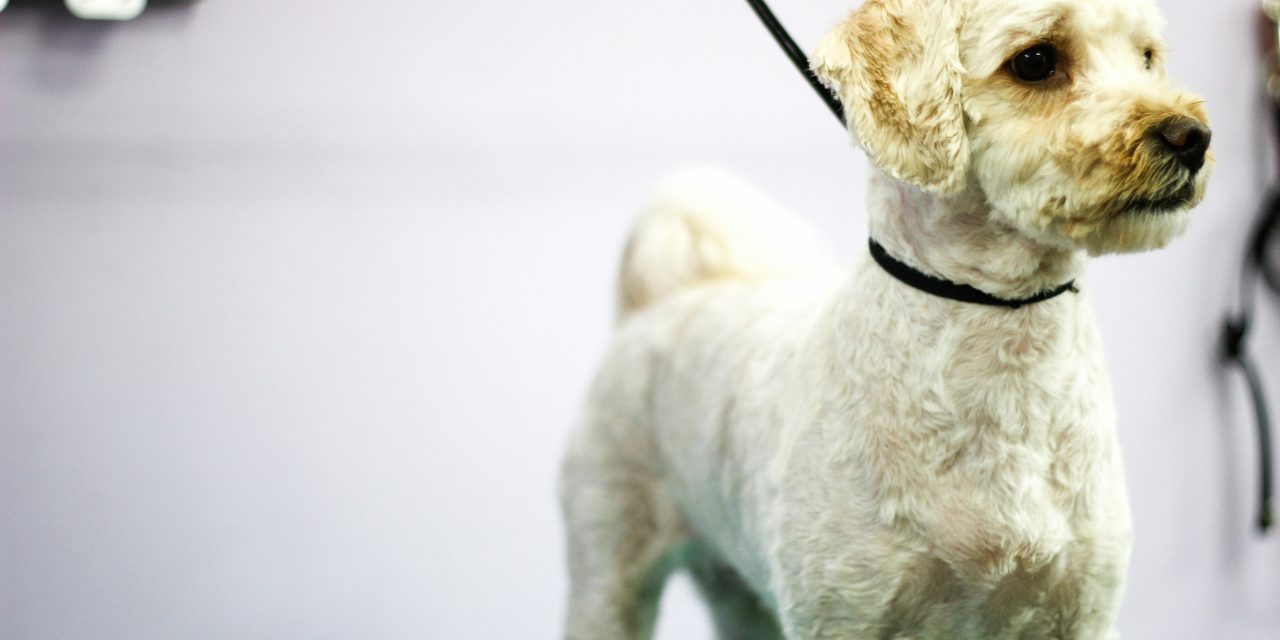
Grooming is an essential aspect of pet care, particularly for alley cats and dogs that may have been exposed to various environmental stressors. Alley pets often face unique challenges, including matted fur, skin irritations, and infestations of parasites. Understanding the fundamentals of grooming these animals is crucial for their overall health and well-being. Grooming not only enhances their appearance but also plays a vital role in preventing health issues such as infections and skin diseases.
The grooming process encompasses several components, including brushing, bathing, nail trimming, and ear cleaning. Each of these elements contributes to maintaining the hygiene and comfort of alley pets. Regular grooming sessions can help identify potential health problems early on, allowing for timely intervention. Moreover, establishing a routine can foster a bond between the pet and the owner, making the experience more enjoyable for both parties.
If you’re looking for comprehensive pet care services, you might find the article on the top 10 dog carers near you particularly useful. It highlights various options for loving pet care, which can complement the grooming services offered by Alley Cat & Dog Grooming. To read more about these pet care services, check out the article here: Top 10 Dog Carers Near Me for Loving Pet Care Services.
Choosing the Right Grooming Tools for Alley Pets
Selecting appropriate grooming tools is paramount for effective grooming. The right equipment can make a significant difference in the ease and efficiency of the grooming process. For alley cats and dogs, essential tools include brushes, combs, clippers, nail trimmers, and bathing supplies. Each tool serves a specific purpose and should be chosen based on the pet’s coat type and grooming needs.
For instance, long-haired breeds may require a slicker brush to detangle knots and prevent matting, while short-haired breeds benefit from a rubber curry brush that effectively removes loose hair. Nail trimmers come in various styles, including guillotine and scissor types; selecting one that feels comfortable in your hand is crucial for safety and precision. Additionally, investing in high-quality shampoos and conditioners formulated for pets can enhance the bathing experience while ensuring their skin remains healthy.
Creating a Calm Environment for Stress-Free Grooming

A serene environment is essential for successful grooming sessions. Alley pets may be more anxious due to their past experiences or unfamiliar surroundings. To create a calming atmosphere, consider using soft lighting, soothing music, and familiar scents that can help alleviate stress. Additionally, having all grooming tools organized and within reach can minimize disruptions during the process.
Establishing a routine can also contribute to a more relaxed experience. Consistency helps pets understand what to expect during grooming sessions, reducing anxiety over time. Positive reinforcement techniques, such as treats or praise, can further encourage good behavior and create a positive association with grooming.
Regular Brushing Techniques to Prevent Matting

Regular brushing is vital for preventing matting in alley cats and dogs. Matting occurs when loose hair becomes tangled with other hair or debris, leading to painful knots that can pull on the skin. To effectively brush your pet’s coat, start by selecting the appropriate brush based on their fur type. For example, a wide-toothed comb is ideal for detangling long-haired breeds, while a bristle brush works well for short-haired varieties.
Begin brushing at the base of the coat and work your way outwards in sections. This technique allows you to address tangles without causing discomfort to your pet. Be gentle around sensitive areas such as the belly and behind the ears. Regular brushing not only prevents matting but also promotes healthy skin by distributing natural oils throughout the coat.
If you’re interested in ensuring your pets receive the best care possible, you might find it helpful to read about essential tips for maintaining your cat’s health. An insightful article titled top 10 tips from a cat care clinic provides valuable advice that can complement the grooming services offered at Alley Cat & Dog Grooming. By combining proper grooming with these health tips, you can help your furry friends lead happier and healthier lives.
Safe Bathing Practices for Alley Cats and Dogs
Bathing is another critical aspect of grooming that requires careful consideration. Alley pets may have accumulated dirt, debris, or odors that necessitate a thorough wash. However, it is essential to approach bathing with caution to avoid causing stress or injury. Before bathing, ensure that you have all necessary supplies within reach, including pet-friendly shampoo, towels, and a non-slip mat for safety.
When bathing your pet, use lukewarm water to ensure comfort. Wet their coat gradually to prevent shock and apply shampoo sparingly to avoid overwhelming them with suds. Rinse thoroughly to remove all soap residue, as leftover shampoo can irritate the skin. After bathing, gently towel-dry your pet before allowing them to air dry in a warm area.
Nail Trimming Tips to Avoid Injuries
Nail trimming is an essential part of grooming that can often be met with resistance from pets. However, neglecting this task can lead to painful overgrowth or injury. To ensure safe nail trimming, it is crucial to familiarize yourself with your pet’s nail anatomy. The quick—the pink area within the nail—contains blood vessels and nerves; cutting into this area can cause pain and bleeding.
To avoid injuries during nail trimming, use sharp clippers designed specifically for pets. Begin by holding your pet’s paw gently but firmly to prevent sudden movements. Trim only the tip of the nail if you are unsure about where the quick begins. If your pet becomes anxious or agitated during the process, take breaks and offer treats as positive reinforcement.
Cleaning Ears and Eyes Properly
Maintaining ear and eye hygiene is vital for preventing infections in alley cats and dogs. Regular cleaning helps remove wax buildup and debris that can lead to discomfort or health issues. For ear cleaning, use a veterinarian-recommended ear cleaner and cotton balls or pads. Gently lift your pet’s ear flap and apply a few drops of cleaner into the ear canal; massage the base of the ear to distribute the solution before allowing your pet to shake their head.
Eye cleaning involves using a damp cloth or specialized eye wipes designed for pets. Gently wipe away any discharge from the corners of the eyes without applying excessive pressure. Regularly checking your pet’s ears and eyes can help identify potential problems early on, allowing for prompt veterinary intervention if necessary.
Handling Fleas and Parasites Effectively
Fleas and parasites pose significant threats to alley pets’ health and comfort. These pests can cause itching, skin infections, and even transmit diseases if left untreated. To effectively manage flea infestations, it is essential to implement a comprehensive approach that includes prevention and treatment options.
Regularly administering veterinarian-recommended flea prevention treatments—such as topical solutions or oral medications—can significantly reduce the risk of infestations. Additionally, maintaining a clean living environment by vacuuming regularly and washing bedding can help eliminate flea eggs and larvae. If an infestation occurs, consult with a veterinarian for appropriate treatment options tailored to your pet’s specific needs.
Identifying Signs of Skin Issues Early
Early detection of skin issues is crucial for maintaining your alley pet’s health. Common signs of skin problems include excessive scratching, redness, swelling, or unusual odors emanating from the skin. Regular grooming sessions provide an opportunity to inspect your pet’s skin closely for any abnormalities.
If you notice any concerning symptoms, it is essential to consult with a veterinarian promptly. Skin issues may arise from allergies, infections, or underlying health conditions that require professional evaluation and treatment. Early intervention can prevent more severe complications down the line.
Grooming Frequency: How Often Should You Groom?
The frequency of grooming depends on various factors such as coat type, activity level, and individual needs of alley pets. Generally speaking, long-haired breeds require more frequent grooming—ideally every few days—to prevent matting and tangling. Short-haired breeds may only need grooming once a week to remove loose hair and debris.
In addition to regular brushing sessions, consider scheduling baths every 4-6 weeks or as needed based on your pet’s lifestyle and exposure to dirt or odors. Monitoring your pet’s coat condition will help determine when additional grooming may be necessary.
When to Seek Professional Grooming Help
While many grooming tasks can be performed at home, there are instances when seeking professional help is advisable. If your alley pet has severe matting that cannot be addressed through regular brushing or if they exhibit signs of anxiety during grooming sessions, consulting with a professional groomer may be beneficial.
Professional groomers possess specialized training and tools that enable them to handle challenging situations effectively while ensuring your pet’s safety and comfort. Additionally, if you notice persistent skin issues or other health concerns during grooming sessions, it is crucial to seek veterinary assistance promptly.
In summary, grooming alley cats and dogs involves understanding their unique needs while employing appropriate techniques and tools for effective care. Regular grooming not only enhances their appearance but also contributes significantly to their overall health by preventing various issues such as matting, skin infections, and parasite infestations. By creating a calm environment during grooming sessions and being vigilant about signs of health problems, pet owners can ensure their furry companions remain happy and healthy.
### FAQ Section
1. **How often should I groom my alley cat or dog?**
– Grooming frequency varies based on coat type; long-haired breeds typically require grooming every few days while short-haired breeds may need it weekly.
2. **What tools do I need for grooming?**
– Essential tools include brushes (slicker brushes for long hair), combs (wide-toothed), nail trimmers (guillotine or scissor types), ear cleaners, and pet-friendly shampoos.
3. **How do I calm my pet during grooming?**
– Create a serene environment with soft lighting and soothing music; use treats as positive reinforcement during sessions.
4. **What should I do if I accidentally cut my pet’s quick while trimming nails?**
– Apply styptic powder or cornstarch to stop bleeding; consult a veterinarian if bleeding persists or if there are signs of infection.
5. **How can I tell if my pet has fleas?**
– Look for excessive scratching or biting at their skin; flea dirt (small black specks) may also be present in their fur.
6. **What are common signs of skin issues?**
– Symptoms include redness, swelling, excessive scratching or licking, hair loss, or unusual odors from the skin.
7. **When should I seek professional help?**
– If you encounter severe matting or persistent health issues during grooming sessions or if your pet shows extreme anxiety towards grooming.
8. **Are there specific shampoos I should use?**
– Always opt for shampoos formulated specifically for pets; avoid human shampoos as they may irritate their skin.
9. **Can I bathe my cat like I do my dog?**
– Cats generally groom themselves; however, if they are particularly dirty or have health issues affecting their ability to groom properly, bathing may be necessary using gentle techniques.
10. **What are some signs my pet might need more frequent grooming?**
– Increased shedding, visible mats in their fur, unpleasant odors despite regular baths, or changes in behavior during grooming sessions may indicate a need for more frequent care.
By adhering to these guidelines on grooming alley cats and dogs while remaining vigilant about their health needs will ensure they lead happy lives filled with comfort and care.
FAQs
What services does Alley Cat & Dog Grooming offer?
Alley Cat & Dog Grooming provides a variety of grooming services including bathing, brushing, nail trimming, ear cleaning, and specialized grooming for both cats and dogs. They also offer services like de-shedding treatments and flea baths to ensure pets are clean and comfortable.
Are the groomers at Alley Cat & Dog Grooming certified?
Yes, the groomers at Alley Cat & Dog Grooming are certified professionals with extensive training in pet grooming techniques. They are knowledgeable about different breeds and their specific grooming needs, ensuring that each pet receives the best care possible.
How can I schedule an appointment at Alley Cat & Dog Grooming?
Appointments at Alley Cat & Dog Grooming can be scheduled by calling their office directly or through their website, where you can find an online booking option. It is recommended to book in advance, especially during peak grooming seasons.
What are the operating hours of Alley Cat & Dog Grooming?
Alley Cat & Dog Grooming typically operates from Monday to Saturday, with specific hours that may vary. It is advisable to check their website or contact them directly for the most accurate and up-to-date information regarding their operating hours.
Do they offer any special packages or discounts for grooming services?
Yes, Alley Cat & Dog Grooming often provides special packages and discounts for grooming services, especially for first-time customers or for multiple pets. They may also have seasonal promotions, so it’s a good idea to inquire about any current offers when scheduling an appointment.