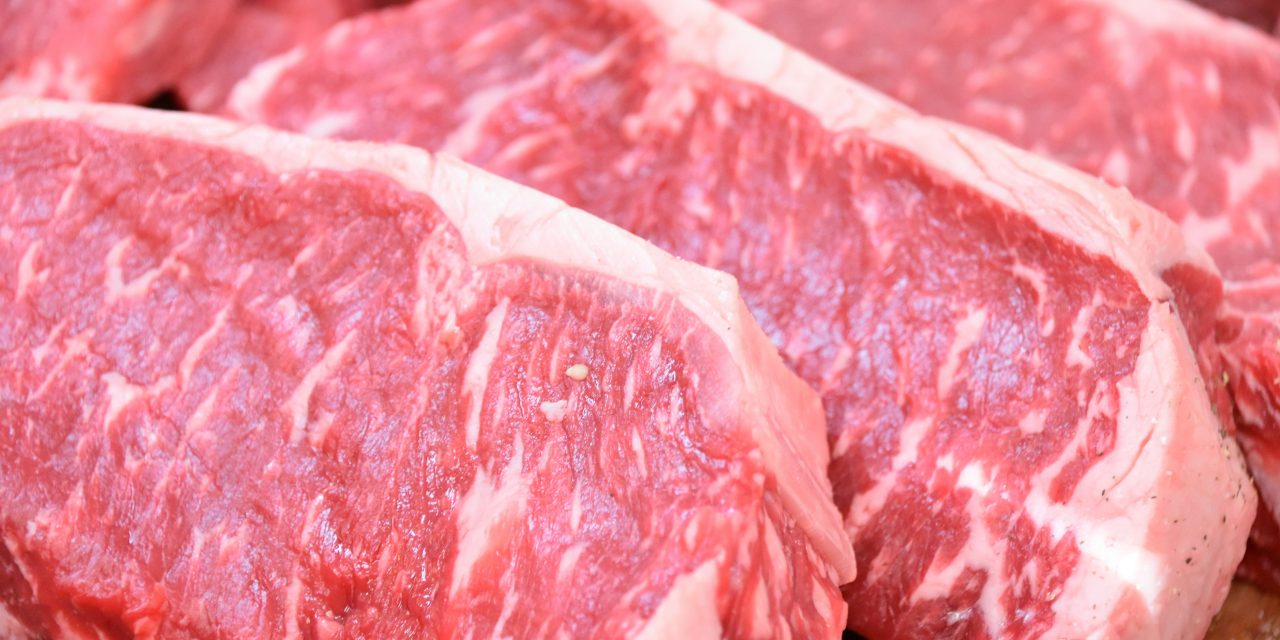
Beef is a staple protein source in many diets worldwide, prized for its rich flavor and versatility in culinary applications. However, understanding the shelf life of beef is crucial for ensuring food safety and maintaining quality. The shelf life of beef can vary significantly based on several factors, including the cut of meat, storage conditions, and whether it is raw or cooked. Generally, raw beef has a shorter shelf life compared to cooked beef due to the presence of bacteria that can proliferate if not stored correctly.
The USDA provides guidelines that help consumers understand how long beef can be safely consumed. For instance, fresh cuts of beef can typically last 3 to 5 days in the refrigerator, while ground beef has a shorter shelf life of 1 to 2 days. Cooked beef, on the other hand, can last up to 3 to 4 days when stored properly. Understanding these timelines is essential for preventing foodborne illnesses and ensuring that the meat retains its flavor and texture.
When considering the shelf life of beef, it’s important to understand the factors that can affect its freshness and safety for consumption. For instance, proper storage techniques can significantly extend the lifespan of beef. To learn more about maintaining a healthy environment in your home, which can also impact food safety, you can read a related article on preventing mosquito breeding around your living space. Check it out here: How to Stop Mosquitoes from Breeding Around Your Home.
Factors Affecting Beef Freshness
Several factors influence the freshness of beef, including temperature, exposure to air, and the specific cut of meat. Temperature plays a pivotal role; beef should be stored at temperatures below 40°F (4°C) to inhibit bacterial growth. Additionally, the cut of meat affects its longevity; for example, tougher cuts like chuck roast may last longer than more delicate cuts like tenderloin due to their fat content and muscle structure.
Another critical factor is exposure to air. When beef is exposed to oxygen, it can undergo oxidation, leading to changes in color and flavor. Vacuum-sealed packaging can significantly extend the shelf life by minimizing air exposure. Furthermore, the handling practices during processing and packaging also contribute to the overall freshness of the meat. Proper hygiene and sanitation protocols are essential in preventing contamination that could lead to spoilage.
How to Determine Beef Freshness at Purchase

When purchasing beef, consumers should be vigilant in assessing its freshness. One of the primary indicators is color; fresh beef should exhibit a bright red hue, indicating that it is well-oxygenated. However, some cuts may appear darker due to myoglobin content, which is normal. Additionally, consumers should inspect the packaging for any signs of damage or excessive liquid accumulation, which could indicate spoilage.
Another important aspect is the smell; fresh beef should have a mild odor. A strong or sour smell is a clear indication that the meat has begun to spoil. Furthermore, checking the sell-by date on the packaging can provide guidance on freshness; however, it is essential to remember that this date is not an absolute indicator of safety but rather a suggestion for optimal quality.
Proper Storage Techniques for Raw Beef

To maximize the shelf life of raw beef, proper storage techniques are paramount. First and foremost, raw beef should be stored in the coldest part of the refrigerator, typically at the back where temperatures are most stable. It is advisable to keep raw beef in its original packaging until ready for use; however, if it has been opened or if there are concerns about contamination, transferring it to an airtight container or resealable plastic bag can help maintain freshness.
Additionally, it is crucial to avoid cross-contamination by storing raw beef separately from other foods, particularly ready-to-eat items. Utilizing separate cutting boards and utensils for raw meat can further reduce the risk of bacterial transfer. Regularly checking the refrigerator temperature with an appliance thermometer ensures that it remains below 40°F (4°C), which is vital for preserving meat quality.
Understanding the shelf life of beef is crucial for maintaining food safety and quality. For those interested in learning more about meat preservation, you might find it helpful to read an article that discusses the guidelines on whether you can refreeze thawed meat. This resource provides valuable insights into proper handling and storage practices, which can significantly impact the longevity of your beef. You can check it out here.
Refrigeration Guidelines: How Long Does Beef Last in the Fridge?
The refrigeration guidelines for beef vary based on its form—raw or cooked—and its specific cut. Generally, whole cuts of raw beef can last between 3 to 5 days in the refrigerator when stored correctly. Ground beef has a shorter lifespan, typically lasting only 1 to 2 days due to its increased surface area and susceptibility to bacterial growth.
Cooked beef can be stored in the refrigerator for up to 3 to 4 days. It is essential to cool cooked beef quickly before refrigerating it; placing it in shallow containers allows for faster cooling and minimizes the risk of bacterial growth. Always ensure that cooked beef is reheated to an internal temperature of at least 165°F (74°C) before consumption to ensure safety.
When considering the shelf life of beef, it is essential to understand how proper storage techniques can significantly extend its freshness. For those looking to enhance their culinary skills, a related article discusses the importance of cooking grains like quinoa without a bitter taste, which can complement a beef dish beautifully. You can read more about this technique in the article here: how to cook quinoa without a bitter taste. By mastering both meat preservation and grain preparation, you can elevate your meals while ensuring food safety.
Freezing Beef: Extending Shelf Life Safely
Freezing is an effective method for extending the shelf life of beef significantly. When properly frozen, beef can maintain its quality for several months—typically up to 6 months for whole cuts and around 3 to 4 months for ground beef. To freeze beef effectively, it should be wrapped tightly in freezer paper or placed in vacuum-sealed bags to prevent freezer burn and moisture loss.
It is important to label packages with the date of freezing to keep track of storage times. Additionally, freezing should occur as soon as possible after purchase; delaying freezing can lead to quality degradation due to temperature fluctuations during storage. Thawing frozen beef should always be done safely—preferably in the refrigerator or using cold water methods—to prevent bacterial growth.
Thawing Beef: Best Practices to Maintain Quality
Thawing beef properly is crucial for maintaining its quality and safety. The safest method is to thaw meat in the refrigerator, allowing it to defrost gradually at a controlled temperature. This method not only preserves texture but also minimizes bacterial growth during the thawing process.
Alternatively, if time is limited, thawing beef in cold water can be effective; however, it requires more attention as the water must be changed every 30 minutes to keep it cold. Microwaving is another option but should be used with caution as it can lead to uneven thawing and partially cooked areas that may harbor bacteria. Regardless of the method chosen, once thawed, beef should be cooked immediately or refrigerated if not used right away.
Signs That Beef Has Gone Bad
Identifying signs of spoilage in beef is essential for food safety. One of the most apparent indicators is a change in color; fresh beef typically appears bright red or purplish-red depending on oxygen exposure. If it turns brown or grayish, it may still be safe but could indicate aging. However, if accompanied by a slimy texture or off-putting odor, these are clear signs that the meat has spoiled.
Additionally, checking for any unusual textures—such as stickiness or excessive moisture—can indicate bacterial growth. If there are any signs of mold or an unpleasant smell reminiscent of ammonia or sourness, it is best to err on the side of caution and discard the meat.
The Role of Packaging in Beef Preservation
Packaging plays a vital role in preserving the freshness and safety of beef products. Vacuum-sealed packaging significantly extends shelf life by reducing oxygen exposure and minimizing moisture loss. This method not only helps maintain flavor but also prevents freezer burn when freezing.
Modified atmosphere packaging (MAP) is another innovative technique used in commercial settings that replaces oxygen with gases like carbon dioxide and nitrogen to inhibit spoilage organisms while maintaining color and freshness. Consumers should look for high-quality packaging that protects against contamination and ensures proper sealing when purchasing beef products.
Tips for Marinating and Preparing Beef to Maximize Freshness
Marinating beef not only enhances flavor but can also contribute to its preservation by creating an acidic environment that inhibits bacterial growth. When marinating, it is essential to use non-reactive containers such as glass or stainless steel to avoid chemical reactions that could affect flavor.
Additionally, marinating should occur in the refrigerator rather than at room temperature to prevent bacterial proliferation. For optimal results, marinate beef for at least 30 minutes but no longer than 24 hours depending on the cut; tougher cuts benefit from longer marination times while more delicate cuts require less time.
Frequently Asked Questions About Beef Shelf Life and Safety
1. How long can I keep raw ground beef in the fridge?
– Raw ground beef typically lasts 1-2 days in the refrigerator when stored properly.
2. Can I freeze cooked beef?
– Yes, cooked beef can be frozen for up to 3-4 months without significant loss of quality.
3. What’s the best way to thaw frozen beef?
– The safest method is thawing in the refrigerator overnight; alternatively, you can use cold water or microwave methods if necessary.
4. How can I tell if my beef has gone bad?
– Signs include discoloration (brown or gray), unpleasant odors (sour or ammonia-like), slimy texture, or visible mold.
5. Is it safe to eat beef past its sell-by date?
– The sell-by date indicates quality rather than safety; always check for signs of spoilage before consuming.
6. What temperature should I cook ground beef to ensure safety?
– Ground beef should be cooked to an internal temperature of at least 160°F (71°C).
7. Can I refreeze thawed beef?
– Yes, but only if it was thawed in the refrigerator; never refreeze meat thawed using other methods unless cooked first.
8. How does vacuum sealing affect shelf life?
– Vacuum sealing significantly extends shelf life by reducing oxygen exposure and preventing freezer burn.
9. What’s the best way to store leftover cooked beef?
– Store leftover cooked beef in airtight containers in the refrigerator for up to 3-4 days.
10. Are there any health risks associated with eating spoiled beef?
– Yes, consuming spoiled beef can lead to foodborne illnesses caused by bacteria such as E.coli or Salmonella.
In summary, understanding the shelf life of beef involves recognizing various factors such as storage conditions and handling practices that affect freshness and safety. Proper refrigeration techniques and awareness of spoilage signs are crucial for maintaining quality while extending shelf life through freezing can provide additional flexibility in meal planning. By following best practices for purchasing, storing, and preparing beef, consumers can enjoy this nutritious protein source safely and deliciously.
FAQs
What is the typical shelf life of raw beef in the refrigerator?
Raw beef can typically be stored in the refrigerator for 3 to 5 days. It is important to keep it at a temperature of 40°F (4°C) or lower to ensure safety and maintain quality.
How long can cooked beef be stored in the refrigerator?
Cooked beef can generally be stored in the refrigerator for 3 to 4 days. It should be placed in an airtight container to prevent contamination and maintain freshness.
What factors can affect the shelf life of beef?
Several factors can affect the shelf life of beef, including the cut of meat, packaging, storage temperature, and whether it is raw or cooked. Additionally, exposure to air and moisture can lead to spoilage.
Can beef be frozen to extend its shelf life?
Yes, beef can be frozen to extend its shelf life significantly. Raw beef can last up to 6 to 12 months in the freezer, while cooked beef can be stored for 2 to 6 months. Proper packaging is essential to prevent freezer burn.
How can you tell if beef has gone bad?
Signs that beef has gone bad include a sour or off smell, a slimy texture, and discoloration. If the beef has developed a gray or brown hue, it may still be safe to eat, but if any of the other signs are present, it is best to discard it.