Shrimp is a popular seafood choice, celebrated for its delicate flavor and versatility in various culinary applications. However, the importance of properly cooking shrimp cannot be overstated. Undercooked shrimp can harbor harmful bacteria and parasites, leading to foodborne illnesses such as Vibrio infections or gastrointestinal distress. Conversely, overcooked shrimp can become rubbery and unpalatable, detracting from the overall dining experience. Understanding the nuances of shrimp preparation is essential for both safety and enjoyment.
The culinary world recognizes shrimp as a source of high-quality protein, low in calories and rich in essential nutrients such as omega-3 fatty acids, vitamin B12, and selenium. However, to reap these benefits, it is crucial to ensure that shrimp is cooked to the appropriate temperature and texture. This article will delve into various methods and indicators for determining when shrimp is perfectly cooked, ensuring that you can enjoy this delectable seafood safely and deliciously.
When it comes to cooking shrimp, knowing when it is fully cooked is essential for achieving the perfect texture and flavor. A helpful article on this topic can guide you through the signs to look for, such as color changes and texture firmness. For more information on adorable pets that can bring joy to your cooking experience, check out this delightful article on cute puppies and kittens at Top 10 Adorable Puppies & Kittens.
Visual Cues: Recognizing the Perfect Pink Color
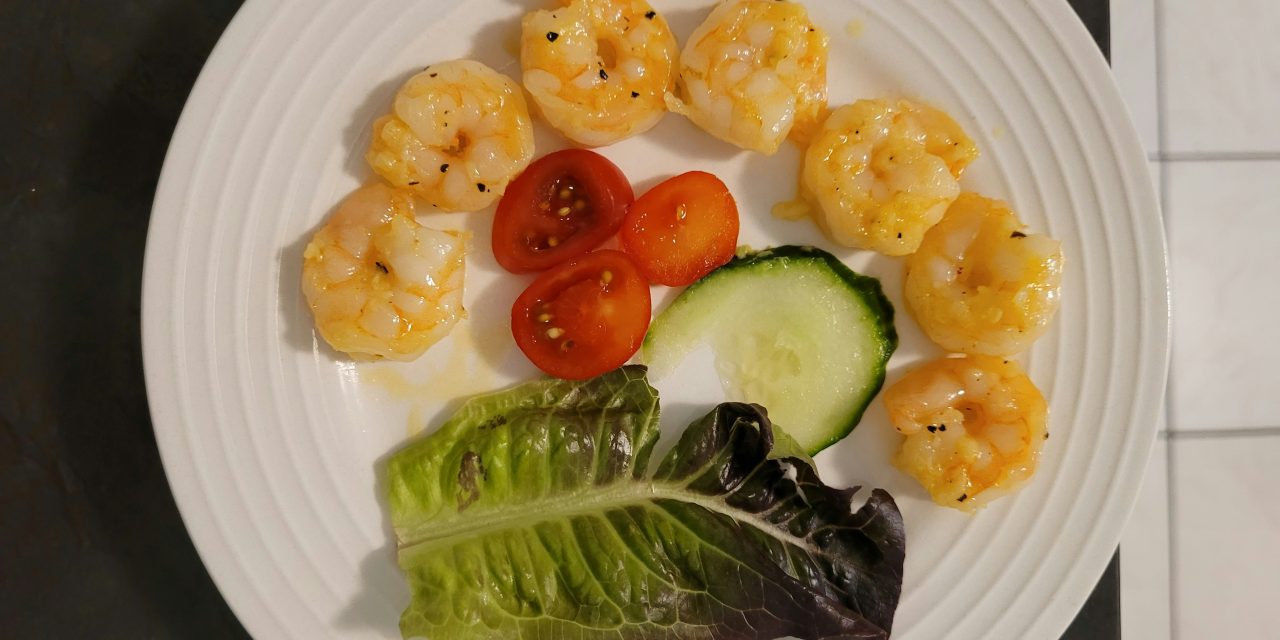
One of the most immediate visual indicators of properly cooked shrimp is its color. Raw shrimp typically exhibit a translucent grayish hue, which transforms into a vibrant pink as it cooks. This color change is due to the denaturation of proteins and the release of astaxanthin, a carotenoid pigment that gives shrimp its characteristic coloration.
When assessing the doneness of shrimp, look for a uniform pink color throughout each piece. Any gray or translucent areas may indicate that the shrimp is undercooked. Additionally, the shells of shrimp will often turn a bright red or orange when cooked properly. It is essential to note that while color is a helpful guide, it should not be the sole determinant of doneness; other factors must also be considered.
The Curl Test: How Shrimp Shape Indicates Doneness

Another effective method for assessing shrimp doneness is the curl test. When shrimp are cooked, they naturally curl into a C-shape. This curling occurs as the proteins contract due to heat exposure. Ideally, perfectly cooked shrimp should form a gentle curve without becoming tightly coiled or resembling an O shape.
If the shrimp curls too tightly, it may indicate overcooking, resulting in a rubbery texture that detracts from its appeal. Conversely, if the shrimp remains straight or only slightly curled, it may still be undercooked. Therefore, observing the shape of shrimp during cooking can provide valuable insight into their doneness.
Texture Check: Feeling the Firmness of Cooked Shrimp

Texture plays a crucial role in determining whether shrimp are adequately cooked. When properly prepared, shrimp should feel firm yet tender to the touch. The flesh should spring back when pressed gently, indicating that it has reached the desired level of doneness.
To assess texture accurately, use your fingers or a fork to gently press on the shrimp. If it feels mushy or overly soft, it may be undercooked; conversely, if it feels hard or excessively firm, it may have been overcooked. Striking the right balance in texture is essential for achieving that perfect bite.
When cooking shrimp, it’s essential to know when they are fully cooked to ensure both safety and flavor. A helpful resource on this topic can be found in an article that discusses various cooking techniques and tips for seafood. You can read more about it in this informative piece on cooking seafood, which provides insights that can enhance your culinary skills. Remember, perfectly cooked shrimp should be opaque and firm to the touch, making it a delightful addition to any meal.
Timing Tips: How Long to Cook Shrimp for Best Results
Cooking time for shrimp can vary significantly based on several factors, including size, cooking method, and whether they are shelled or unshelled. Generally speaking, medium-sized shrimp (about 21-25 count per pound) require approximately 3-5 minutes of cooking time when boiled or sautéed over medium-high heat.
For grilling, larger shrimp (16-20 count per pound) may take around 5-7 minutes to cook thoroughly. It is essential to monitor cooking times closely to avoid overcooking. A good rule of thumb is to remove shrimp from heat as soon as they turn pink and opaque, allowing residual heat to finish cooking them slightly.
When preparing shrimp, it’s essential to know when it’s fully cooked to ensure both safety and optimal flavor. A helpful resource that complements this topic is an article on making crispy oven-roasted potatoes, which can be a delightful side dish to accompany your shrimp. You can find the article here: oven-roasted potatoes. Understanding how to achieve the perfect texture in both dishes can elevate your culinary skills and impress your guests.
Using a Thermometer: Ideal Internal Temperature for Shrimp
For those who prefer precision in their cooking methods, using a food thermometer can provide an accurate measure of doneness. The ideal internal temperature for cooked shrimp is 120°F (49°C). At this temperature, harmful bacteria are effectively eliminated while preserving the delicate texture and flavor of the seafood.
To use a thermometer effectively, insert it into the thickest part of the shrimp without touching the shell or pan surface. This ensures an accurate reading of the internal temperature. Once the desired temperature is reached, promptly remove the shrimp from heat to prevent overcooking.
The Opacity Factor: When Shrimp Turns Opaque
As shrimp cook, they undergo a transformation from translucent to opaque. This change in appearance is another critical indicator of doneness. When raw shrimp are placed in heat, they begin to lose their transparency and take on a solid white or pink color.
The transition from translucent to opaque typically occurs within minutes of cooking. Observing this change can help home cooks gauge when their shrimp are nearing completion. However, it is essential to combine this visual cue with other indicators such as texture and shape for optimal results.
Avoiding Overcooking: Signs Shrimp Is Done but Not Rubberized
Overcooking shrimp can lead to an undesirable rubbery texture that detracts from its natural sweetness and tenderness. To avoid this common pitfall, pay attention to several signs indicating that shrimp are done but not overcooked.
First, monitor the color change closely; once they turn pink and opaque, they are likely nearing doneness. Additionally, check for firmness; perfectly cooked shrimp should feel slightly springy when pressed. Finally, consider timing; removing shrimp from heat just before they reach full doneness allows for carryover cooking as they rest.
Cooking Method Considerations: Boiling, Grilling, and Sautéing Differences
Different cooking methods yield varying results when preparing shrimp. Boiling is one of the most straightforward techniques; simply submerge shrimp in boiling water for a few minutes until they turn pink and opaque. This method is ideal for large batches and ensures even cooking.
Grilling imparts a smoky flavor and attractive char marks but requires careful attention to prevent overcooking due to direct heat exposure. Sautéing allows for quick cooking while retaining moisture; using a bit of oil or butter enhances flavor while ensuring even browning.
The Tail Tip Test: How to Use the Tail as a Doneness Indicator
The tail of the shrimp can also serve as an indicator of doneness. When cooked properly, the tail should curl slightly but not tightly around itself. If you notice that the tail has curled excessively or appears stiff, this may indicate overcooking.
Additionally, if you find that the tail remains straight or does not curl at all, it could suggest that the shrimp are undercooked. Using this simple test in conjunction with other methods can help ensure perfectly cooked shrimp every time.
Practice Makes Perfect: Tips for Consistently Cooking Shrimp Right
Achieving consistent results when cooking shrimp requires practice and attention to detail. Start by selecting high-quality seafood from reputable sources; fresh or properly frozen shrimp will yield better results than previously thawed or low-quality options.
Experiment with different cooking methods and times to find what works best for your preferences and equipment. Keep a close eye on visual cues such as color and shape while also utilizing texture checks and thermometers for precision.
Incorporating these techniques into your culinary repertoire will enhance your confidence in preparing shrimp dishes that are both safe and delicious.
In summary, understanding how to cook shrimp properly involves recognizing visual cues such as color changes and curl shapes while also considering texture and timing. Utilizing tools like thermometers can provide precision in achieving ideal internal temperatures while avoiding overcooking through careful observation of signs indicating doneness. By mastering these techniques and practicing consistently, you can elevate your culinary skills and enjoy perfectly cooked shrimp every time you prepare this delightful seafood delicacy.
FAQs
How can I visually tell if shrimp is fully cooked?
Fully cooked shrimp will turn from a translucent gray color to an opaque white or pink. Additionally, the shrimp will curl into a C-shape. If the shrimp remains translucent or is still straight, it likely needs more cooking time.
What is the ideal internal temperature for cooked shrimp?
The ideal internal temperature for fully cooked shrimp is 120°F (49°C). Using a food thermometer can help ensure that the shrimp has reached this temperature for safe consumption.
How long does it typically take to cook shrimp?
The cooking time for shrimp varies depending on the method used. Generally, shrimp takes about 2-3 minutes to cook when boiled or sautéed, and about 5-7 minutes when baked. It’s important to monitor them closely to avoid overcooking.
Can I tell if shrimp is cooked by its texture?
Yes, the texture of cooked shrimp is firm and slightly springy. If the shrimp feels mushy or overly soft, it may be undercooked, while a rubbery texture indicates it may be overcooked.
What should I do if I’m unsure whether the shrimp is fully cooked?
If you’re unsure, it’s best to cut one shrimp open at the thickest part. The flesh should be opaque and pearly white, with no translucent areas. If it still appears translucent, return it to the heat for additional cooking.